Fashion · Footwear · Sandals
Birkenstock
Birkenstock Arizona
Since 1973 · 53 years to 2026 · First made in Rhineland-Palatinate, Germany
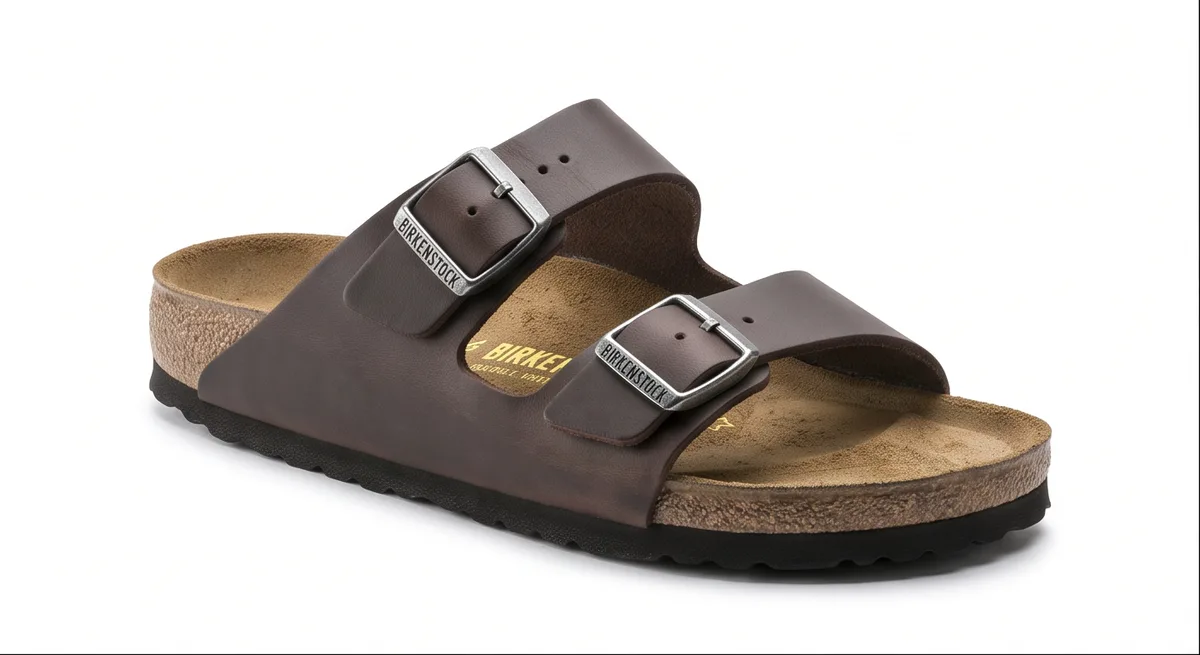
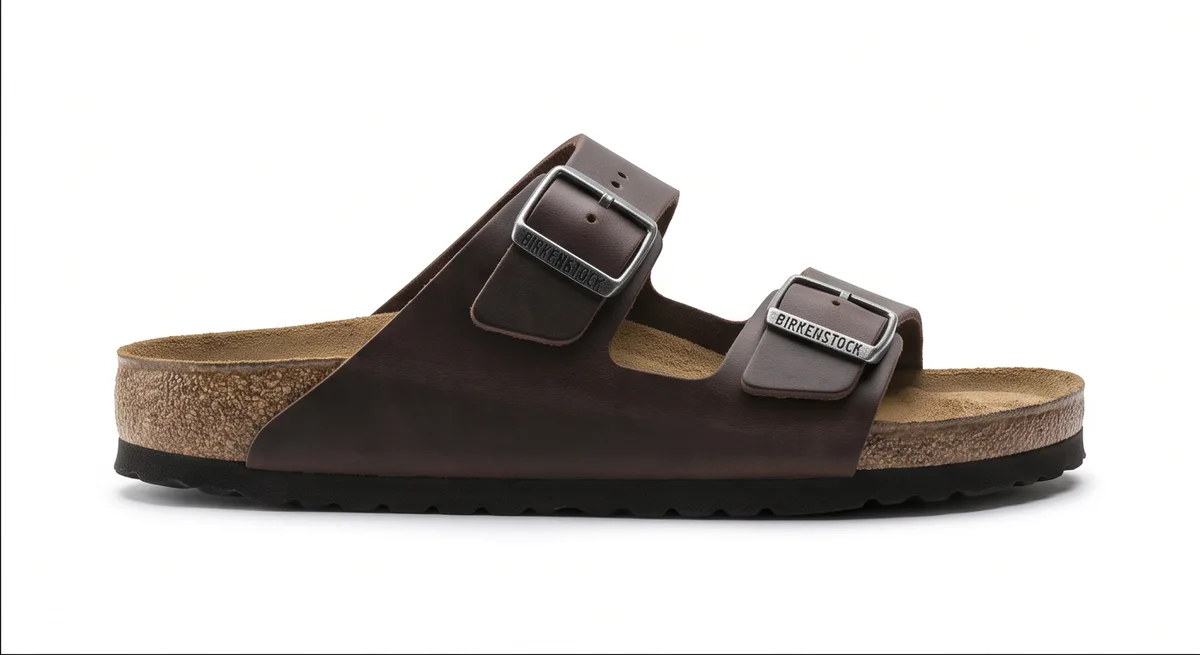
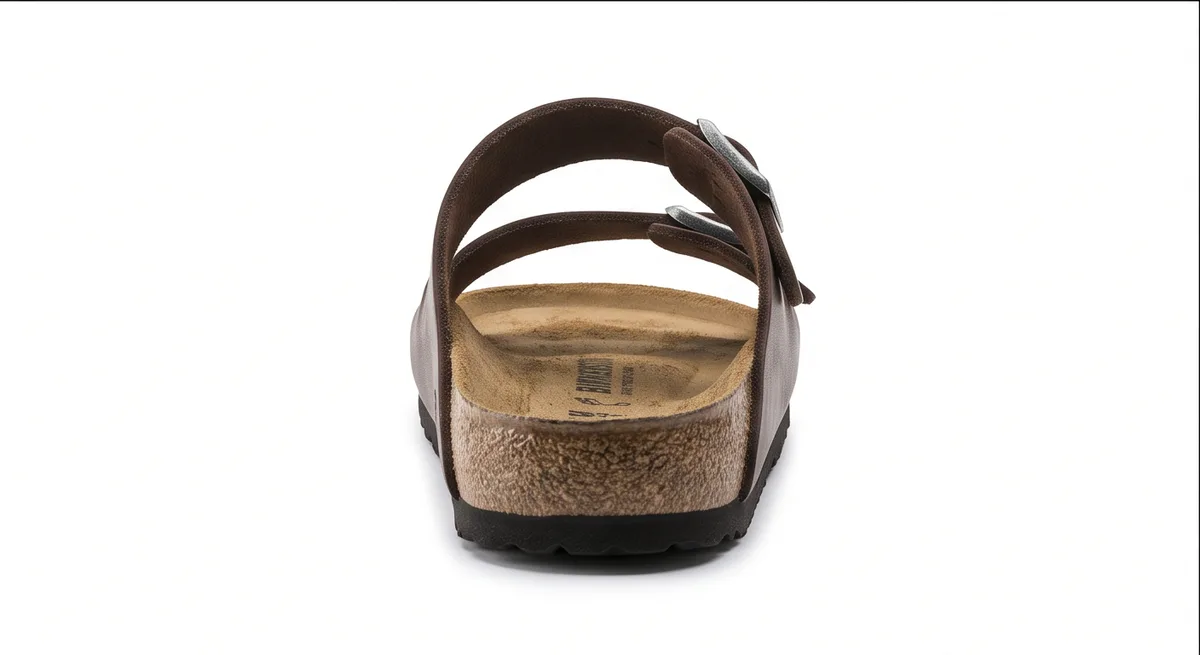
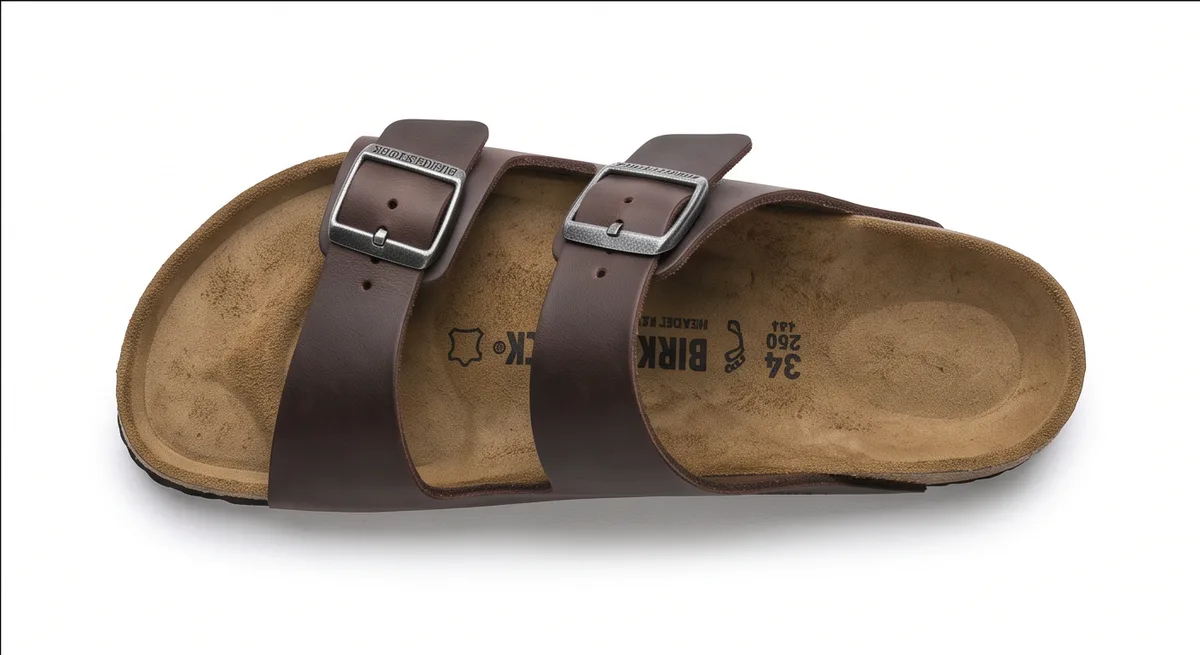
The Birkenstock Arizona is a two-strap sandal defined by functional simplicity. Introduced in 1973 by Karl Birkenstock, it emerged from the company's core innovation: an anatomically contoured footbed made from cork and latex, topped with suede, designed to mirror the natural shape of a healthy foot. The Arizona's design comprises two adjustable straps across the foot, a pronounced arch support, a deep heel cup, and a slightly raised toe bar. This configuration has remained virtually unchanged for fifty years, making it one of the longest continuously produced sandal designs in modern footwear history.
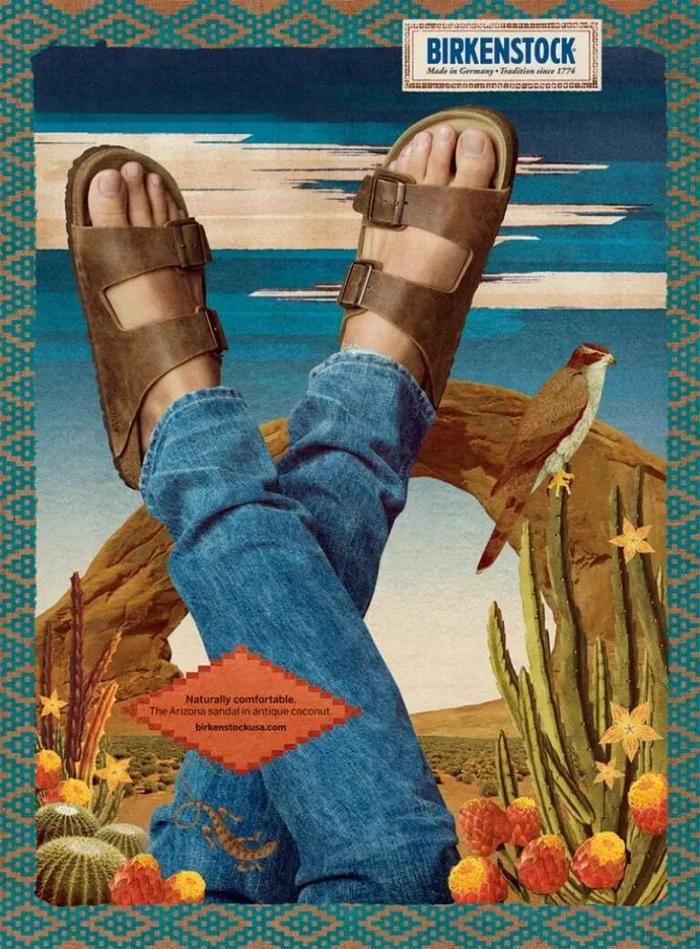
The sandal's material palette has expanded considerably while its structure has held firm. The classic version uses full-grain leather that softens with wear, developing creases that mark the shoe's adaptation to its wearer. ad-hoc-news.de documents variants including oiled nubuck, Birko-Flor synthetic, textile, vegan configurations, and EVA—a lightweight one-piece version for water environments. Footbed options include the standard version, a softer variant with additional foam, and narrow widths for different foot shapes. This material diversity emerged gradually; vanityfair.com notes that significant color iteration did not begin until the early 1990s.
The Arizona's cultural trajectory defies conventional product lifecycles. Initially adopted in orthopedic and professional settings, the sandal was discovered organically by fashion subcultures and gradually entered mainstream wear across generations. vanityfair.com quotes fashion historian Alice Janssens observing that the brand's own business plans did not drive the Arizona's cultural penetration in the 1980s and 1990s; rather, fashion professionals and Hollywood figures independently chose the shoes, establishing their iconic status. The sandal's unisex design and functional footbed appealed across demographics, making it simultaneously a medical device, a countercultural statement, and a fashion staple.
Birkenstock has positioned the Arizona within a sustainability narrative centered on durability and repairability. ad-hoc-news.de notes that well-maintained pairs can last a decade, and that many markets offer resoling and repair services, extending lifespan beyond typical footwear cycles. Cork is sourced from Mediterranean oak forests as a renewable material. Manufacturing remains concentrated in Germany, with birkenstock-group.com confirming production across multiple German facilities. The Arizona's fifty-year continuity reflects not fashion momentum but the persistence of a design that prioritizes anatomical function over stylistic novelty.
Timeline
- 1973 First made · Verified Birkenstock Arizona enters production in Rhineland-Palatinate, Germany.
- 2021 Ownership L Catterton and Financière Agache acquire a majority stake in Birkenstock.
- 2023 Production Birkenstock opens a new factory in Pasewalk, Germany, with a 100 million euro investment.
Milestone dates are taken from the production notes behind this entry and have not been checked separately.
More like this
-
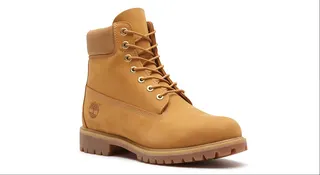 Boots · since 1976 Timberland 6-Inch Premium The first waterproof leather boot, perfected since 1973. Read the entry →
 -
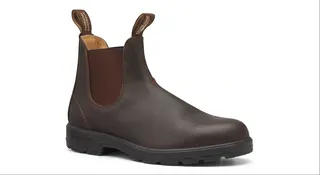 Boots · since 1968 Blundstone Original 500 Tasmanian work boot that became a global design standard. Read the entry →
 -
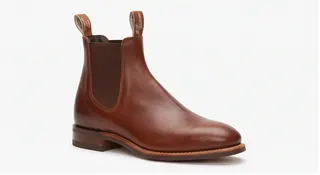 Boots · since 1966 R.M. Williams Craftsman Single piece of leather boot, handcrafted in Adelaide since 1932. Read the entry →
 -
 Trainers · since 1963 Adidas Stan Smith The first leather tennis shoe, renamed for an American champion. Read the entry →