Bowers & Wilkins
Bowers & Wilkins Nautilus
Since 1993 · 33 years to 2026 · First made in West Sussex
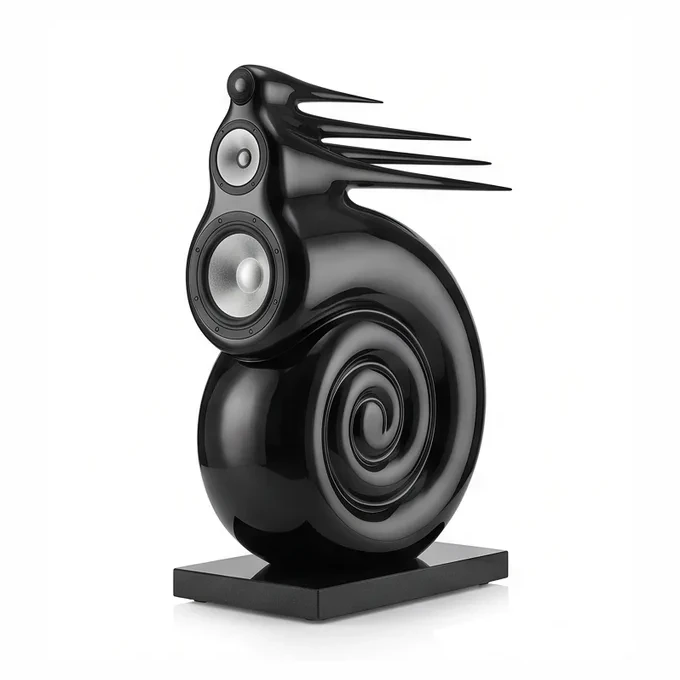
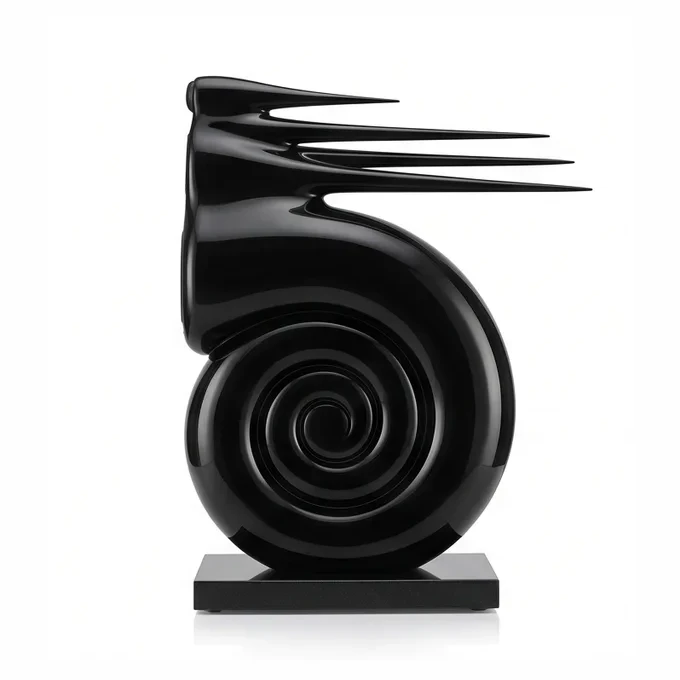
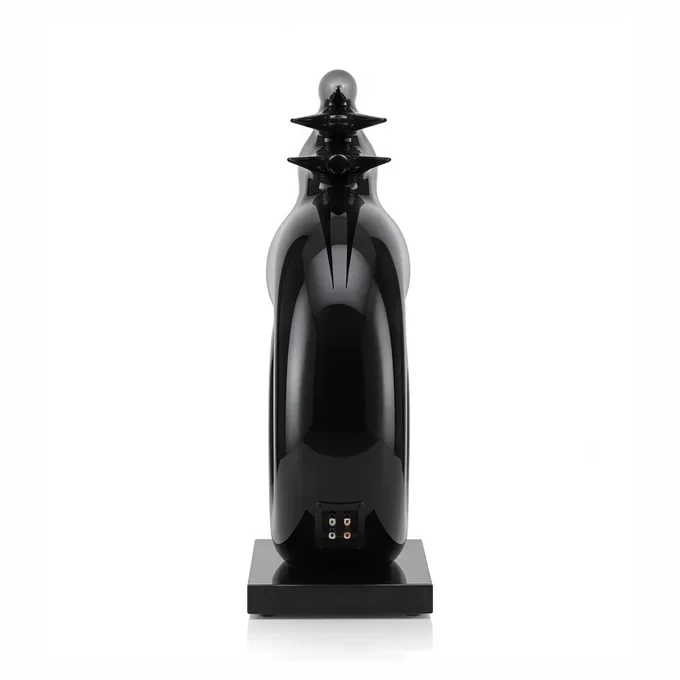
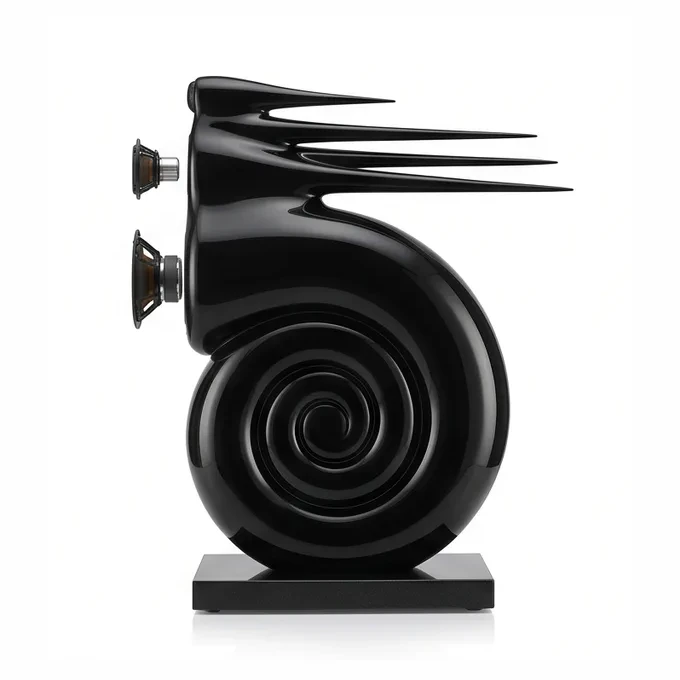
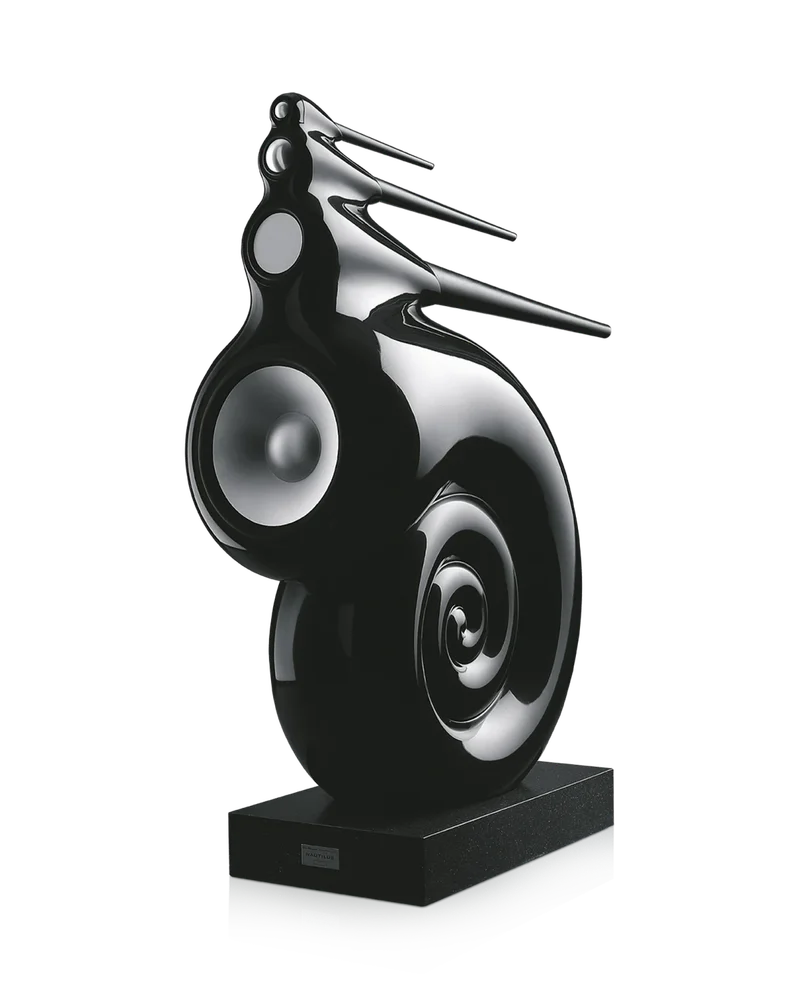
The Bowers & Wilkins Nautilus is a floor-standing loudspeaker shaped like a coiled shell. It stands about 1.2 metres high on a stone plinth, and from its glossy body four tapering tubes sweep backwards, one behind each drive unit. The largest, behind a 30 cm aluminium bass cone, is curled into the spiral that gives the speaker its name. Above the bass cone, three smaller drivers sit one above another at the mouths of their own tubes: a 10 cm midrange unit and two aluminium domes. It is offered in black, silver or midnight blue, or in any colour a customer asks for.
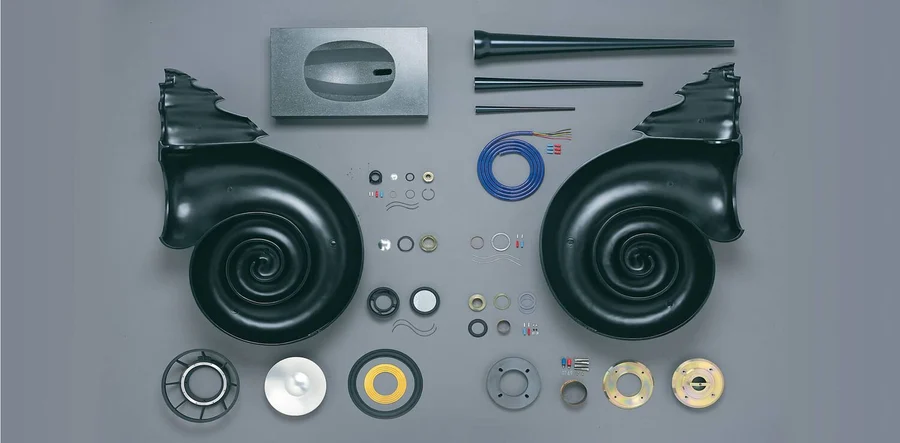
The project began with John Bowers, who founded the company and wanted a loudspeaker whose cabinet added nothing to the sound. After his death in 1987 the work passed to one engineer at the company's research establishment in Steyning, Laurence Dickie, who gave up on the box altogether. Each driver fires forward, while the sound from its back travels into a tube packed with wool that narrows towards its end and absorbs the energy instead of letting it ring around a cabinet. A bass tube of that kind would have been about three metres long, so Dickie tapered it and rolled it up.
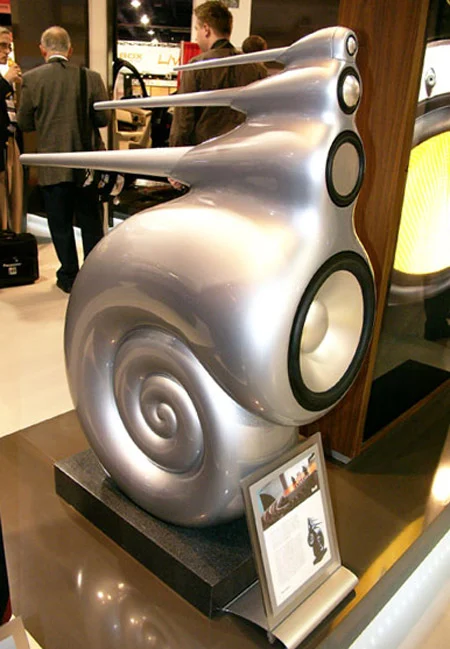
After some five years of work, the Nautilus was launched in 1993. It has no crossover inside: an external electronic crossover splits the signal four ways before amplification, so a pair needs eight channels of power amplifier. Its tube-loaded tweeter was later adapted for the company's ordinary ranges.
It is still made to order at the Bowers & Wilkins factory in Worthing. Each shell is built from three sections, joined and sanded by hand, sprayed with around a dozen coats of paint and lacquer, and polished for three days. The company's description of it in 2003, four aluminium drivers in tapered tubes, an external crossover and three standard colours, fits the speaker it sells today.
Timeline
- 1987 Designed John Bowers dies, and the research he began into a loudspeaker without cabinet colouration passes to the engineer Laurence Dickie at Steyning.
- 1993 First made · Verified Bowers & Wilkins Nautilus enters production in West Sussex.
- 2008 Production Bowers & Wilkins shows the Nautilus at CES, the company's first time exhibiting at the show in fifteen years; a silver pair is priced at $60,000.
- 2023 Production For the 30th anniversary the Worthing factory makes a single pair in Abalone Pearl; the waiting list for a new pair is reported at two years.
Milestones as we found them, not as we've checked them.
From the archive
More like this
-
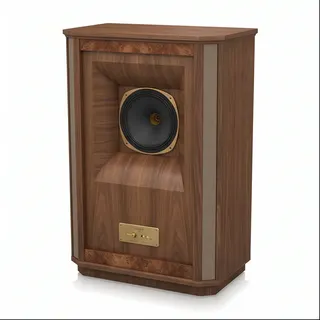 Speakers & Radios · since 1989 Tannoy Westminster Royal Tannoy's wardrobe-sized horn loudspeaker, one 15-inch Dual Concentric driver in 530 litres of walnut and birch, since about 1989.
-
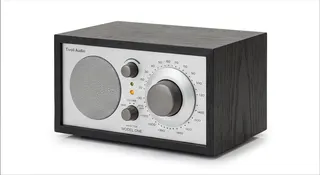 Speakers & Radios · since 2000 Tivoli Model One Henry Kloss's last radio: three knobs, one speaker, sold unchanged since 2000.
-
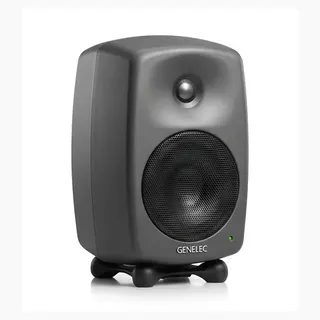 Speakers & Radios · since 2005 Genelec 8030 A small Finnish monitor in a cast-aluminium case, revised twice and never replaced.
-
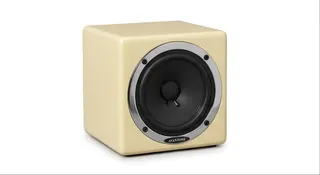 Speakers & Radios · since 2006 Avantone MixCube A cream-lacquered cube with one driver, made to stand in for the radio in the car.