Musical Instruments · Guitars & Basses · Electric Guitars
Gibson
Gibson Les Paul
Since 1952 · 67 years to 2026 · First made in Kalamazoo, Michigan
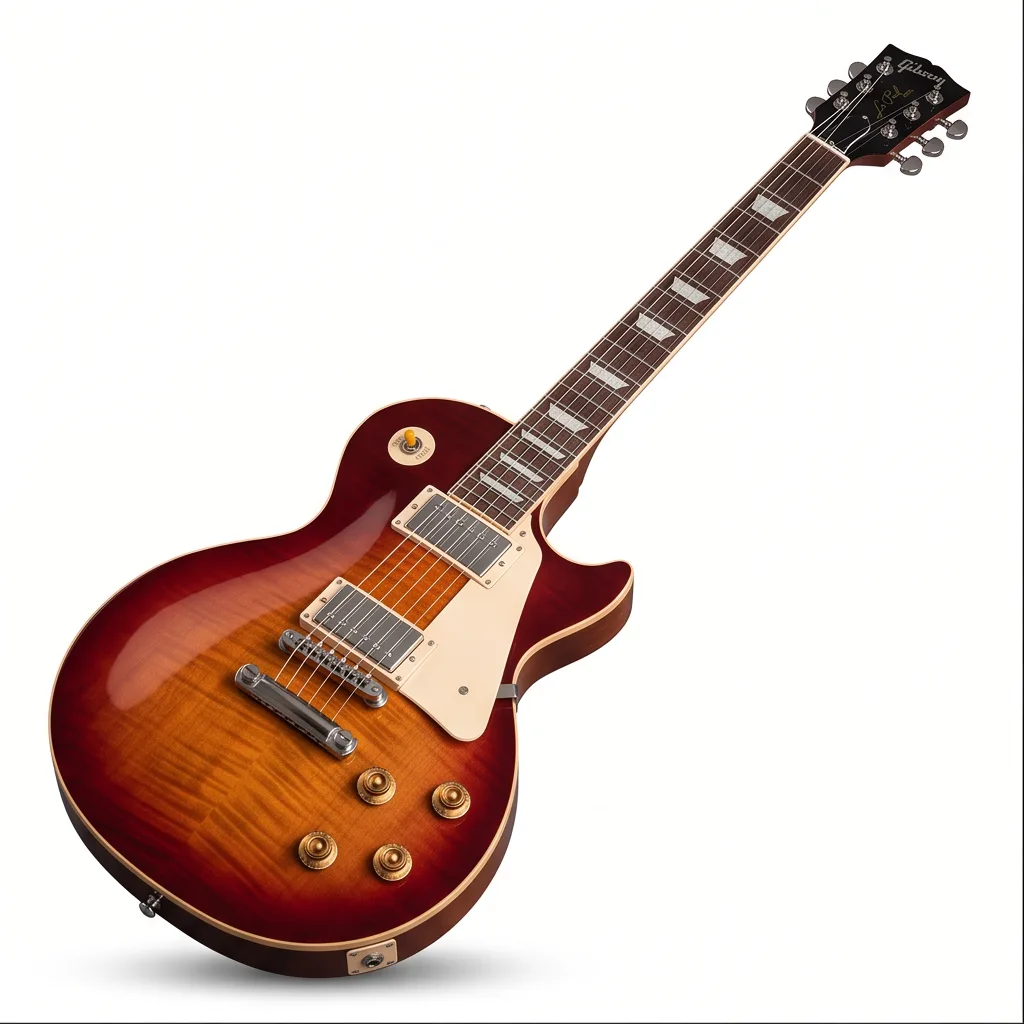
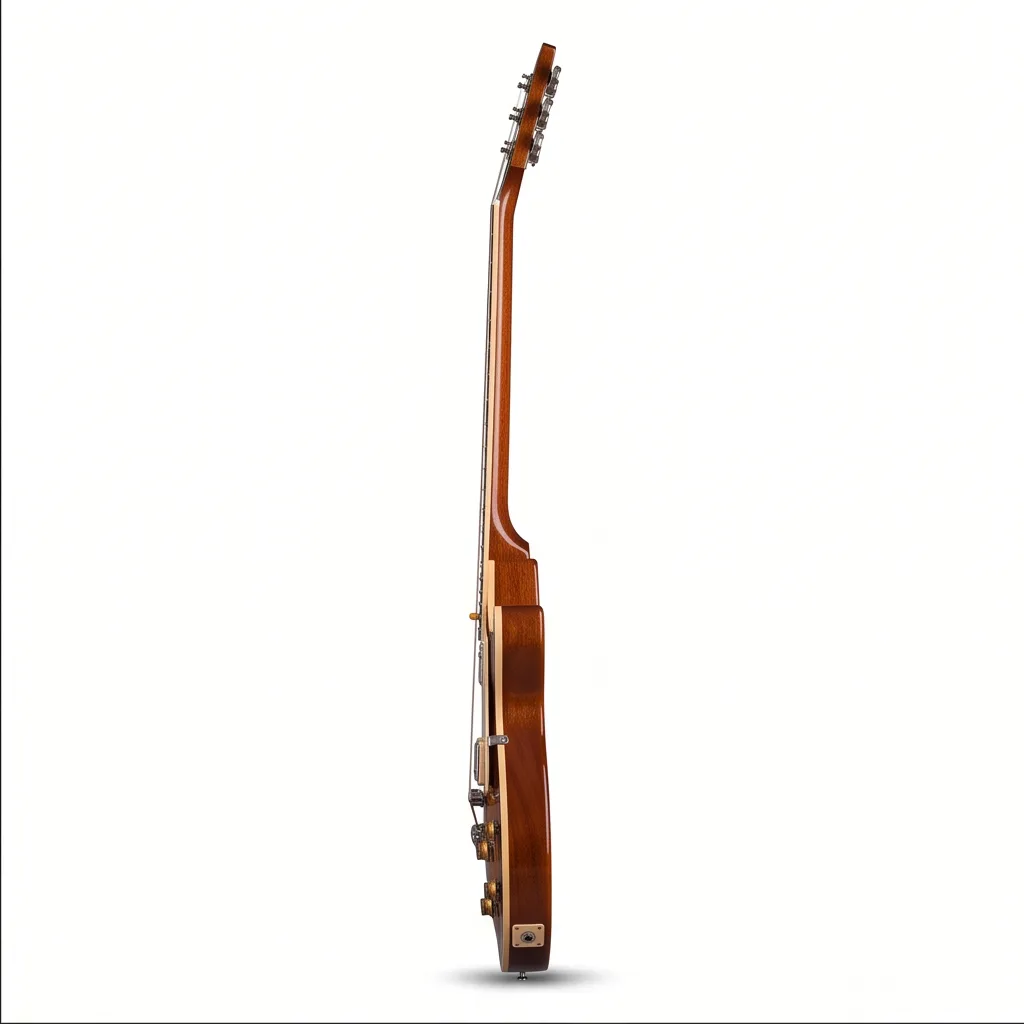
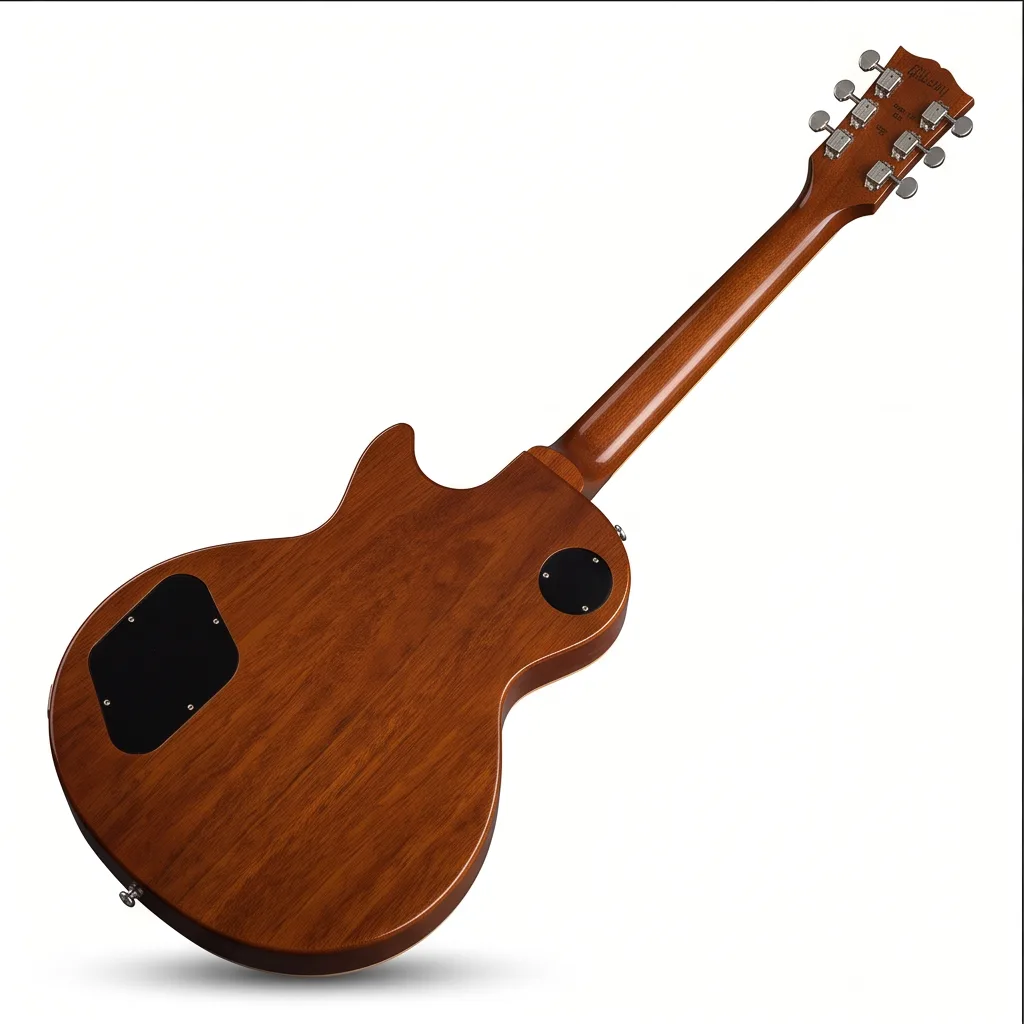
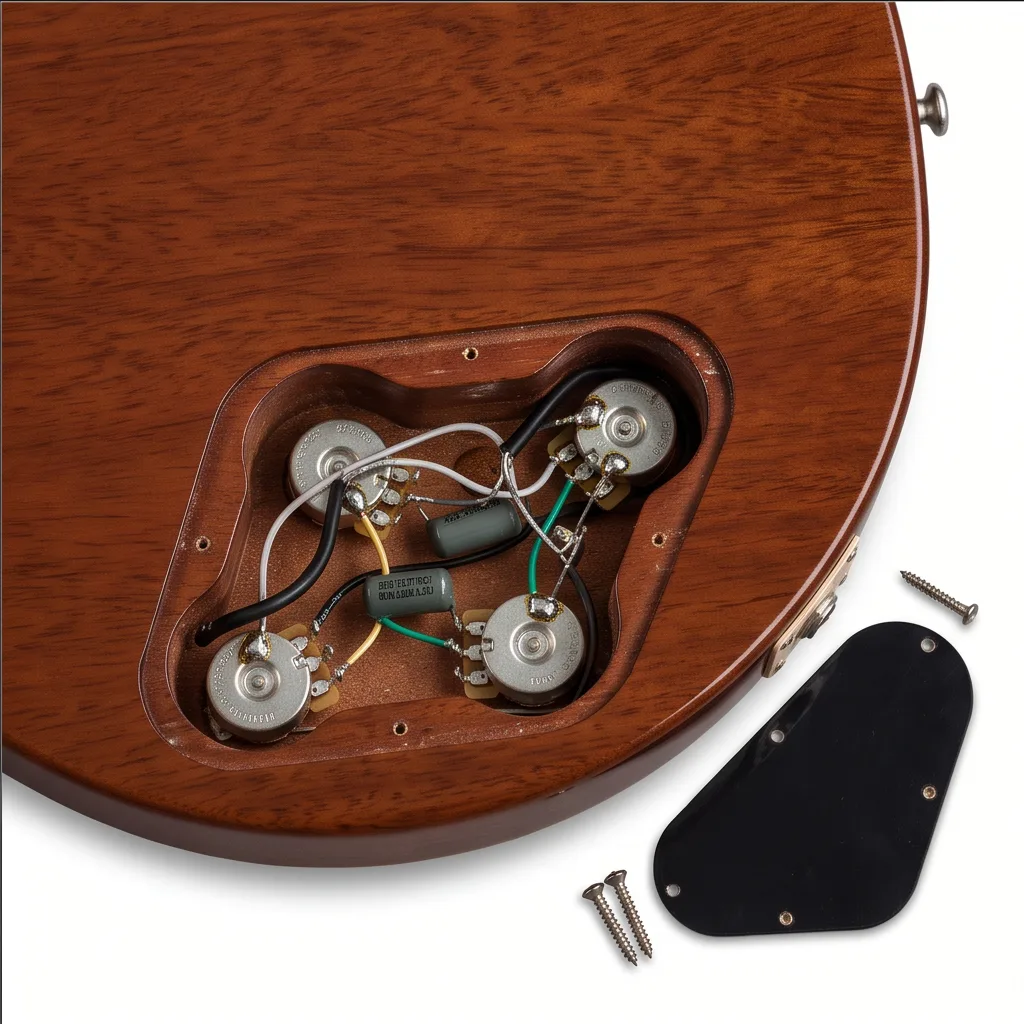
The Gibson Les Paul is a solid-body electric guitar that emerged from a collaboration between Gibson's factory manager John Huis and the musician and inventor Les Paul. Introduced in 1952, it represents a culmination of decades of experimentation with feedback-eliminating solid-body designs, including Les Paul's own "Log" prototype. The original specification featured a mahogany body with a carved maple top, a set-in mahogany neck with rosewood fretboard, twin P-90 pickups, and a trapeze tailpiece. This architecture—the single-cutaway body, the tonal pairing of woods, the independent volume and tone controls—became the template for what would become rock music's most iconic instrument.
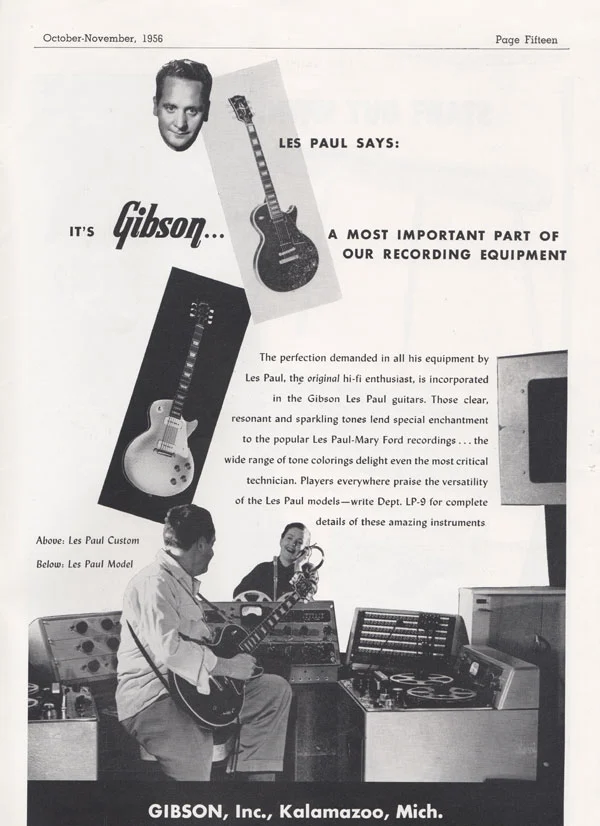
Throughout the 1950s, under the design direction of Gibson's Ted McCarty, the Les Paul evolved through several iterations: the Custom, the Junior, and the Goldtop all emerged as distinct voices within the same fundamental design. The Sunburst finish, introduced on the Les Paul Standard from 1958 onwards, proved particularly significant. Approximately 1,400 Sunburst Standards were made between 1958 and 1960, and these instruments would later become the holy grail of electric guitars, their tonal properties—articulate, explosive, and full—captured on landmark recordings by Eric Clapton, Michael Bloomfield, and Peter Green in the late 1960s and early 1970s.
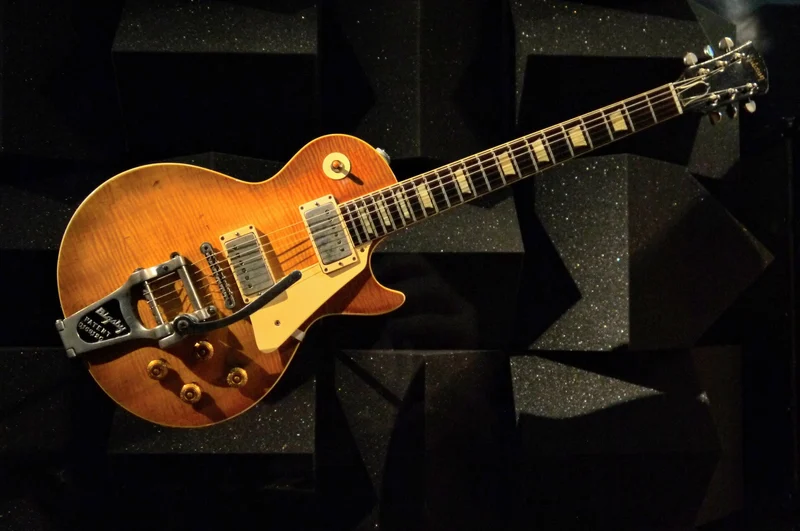
_-_Play_It_Loud._MET_(2019-05-13_19-09-12_by_Eden,_Janine_and_Jim).jpg)
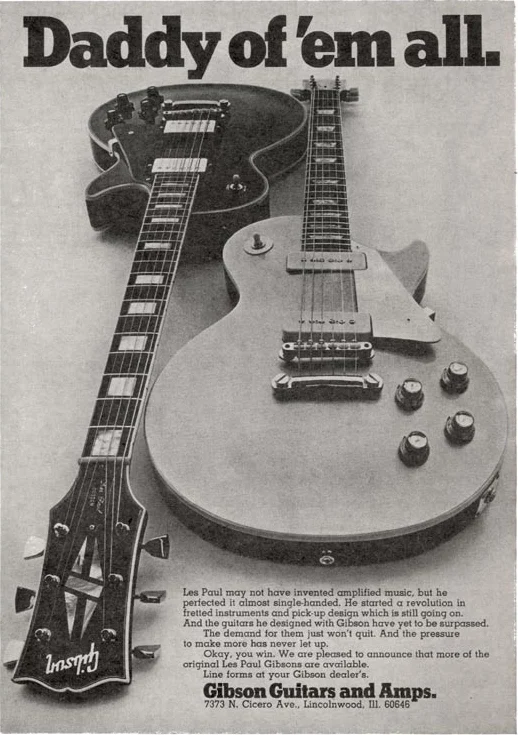
Production paused in 1961 when Gibson redesigned the model into a double-cutaway form that became the SG. The single-cutaway Les Paul Standard returned in 1968 and has remained in production since 1976, surviving multiple ownership changes and manufacturing transformations. The Norlin era of the 1970s introduced cost-saving measures—multipiece body construction, three-piece maple necks, reinforced volutes—that altered the instrument's character but preserved its essential identity. By the 1980s, consumer demand for vintage specifications prompted Gibson to reintroduce classic reissue models alongside contemporary variants. Today, the Les Paul exists in numerous configurations, from faithful reproductions of the 1958–1960 originals to instruments equipped with modern electronics, yet the fundamental design remains recognizable across seven decades of continuous manufacture.
Timeline
- 1952 First made · Verified Gibson Les Paul enters production in Kalamazoo, Michigan.
- 1958 Designed Gibson introduces the iconic Sunburst finish on the Les Paul Standard.
- 1961 Designed Gibson redesigns the Les Paul into a double-cutaway body that becomes the SG model.
- 1961 Paused Gibson replaced the carved-top single-cutaway Les Paul with the SG-style body for the 1961 model year; the original Les Paul form was not available as a new purchase until its return in 1968. The Gibson forum source states 'Sales of the Les Paul had dropped by the end of the '50s and there was a major re-design. The carved-top LP was changed for the 1961 season.' This is a pause (same firm, same design resumed from own capability), not a revival.
- 1968 Resumed Production resumes.
- 1986 Ownership Gibson changes ownership, after which the volute and maple neck are phased out.
Milestone dates are taken from the production notes behind this entry and have not been checked separately.
From the archive
More like this
-
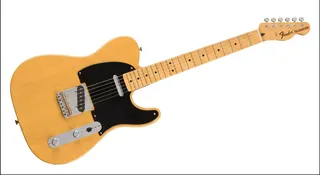 Electric Guitars · since 1950 Fender Telecaster The first mass-produced solid-body electric guitar, still in production. Read the entry →
 -
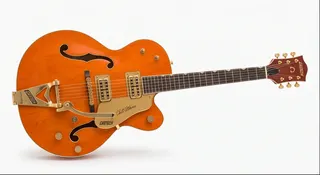 Electric Guitars · since 1954 Gretsch 6120 Hollow-body electric guitar in continuous production since 1954. Read the entry →
 -
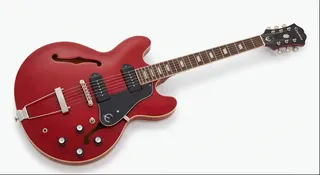 Electric Guitars · since 1961 Epiphone Casino Hollow-body electric guitar in continuous production since 1961. Read the entry →
 -
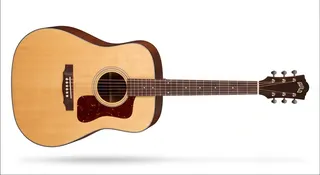 Acoustic Guitars · since 1963 Guild D-40 Dreadnought acoustic guitar in continuous production since 1963. Read the entry →