Electronics & Audio · Audio · Headphones
Sennheiser
Sennheiser HD 25
Since 1988 · 38 years to 2026 · First made in Lower Saxony, Germany
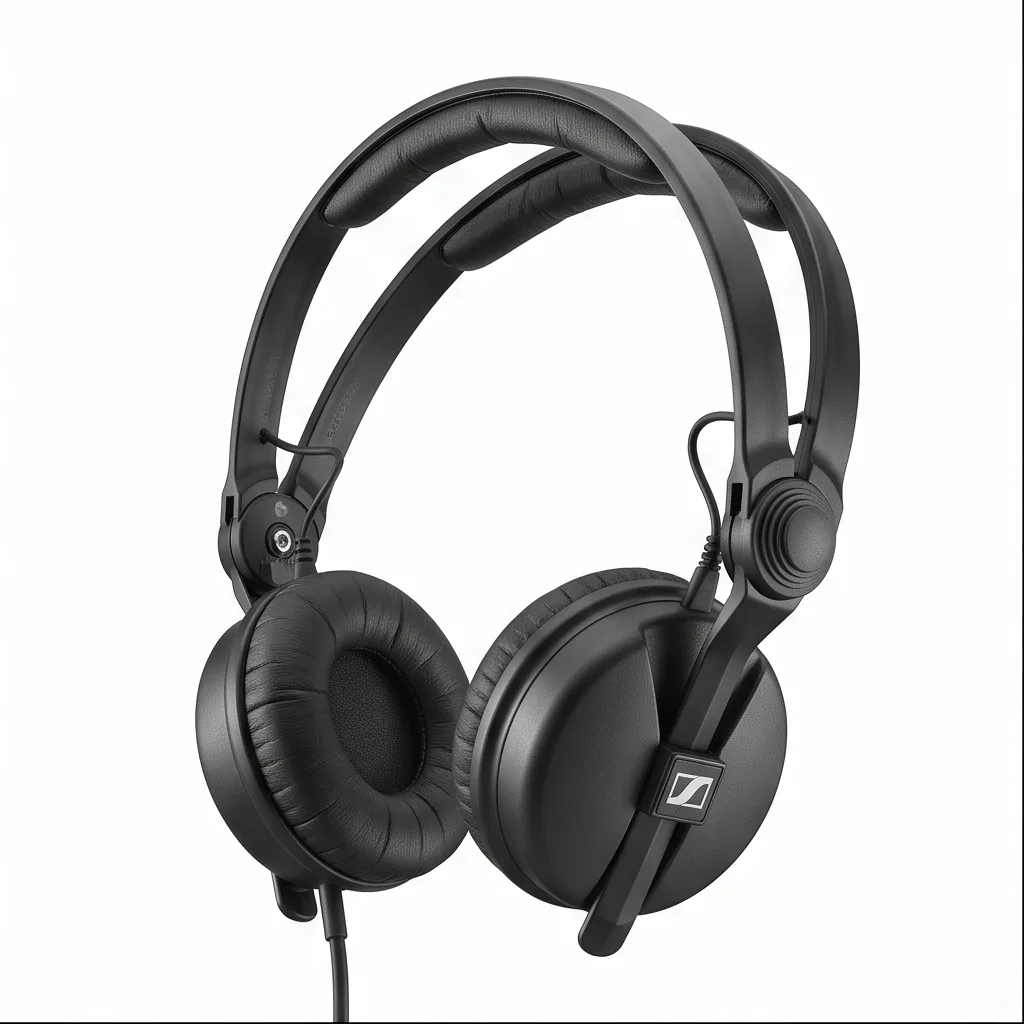
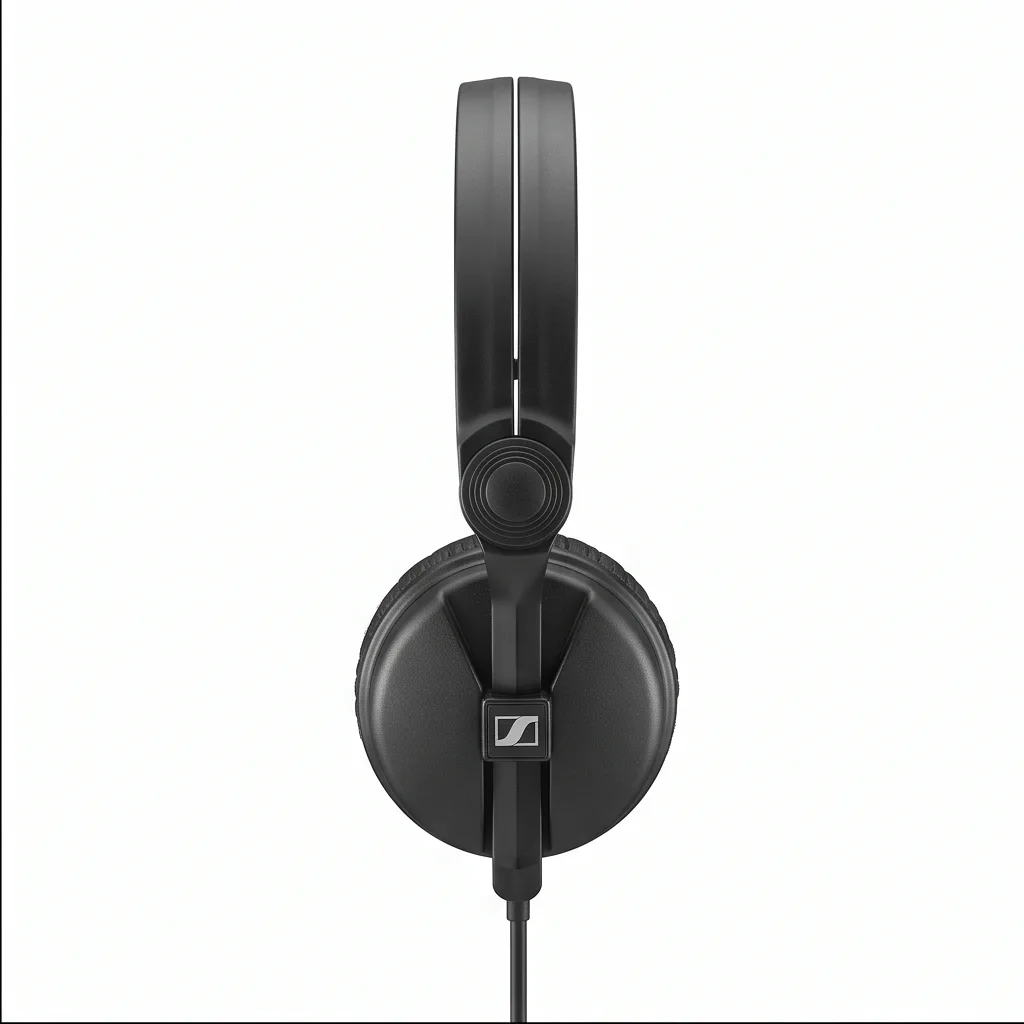
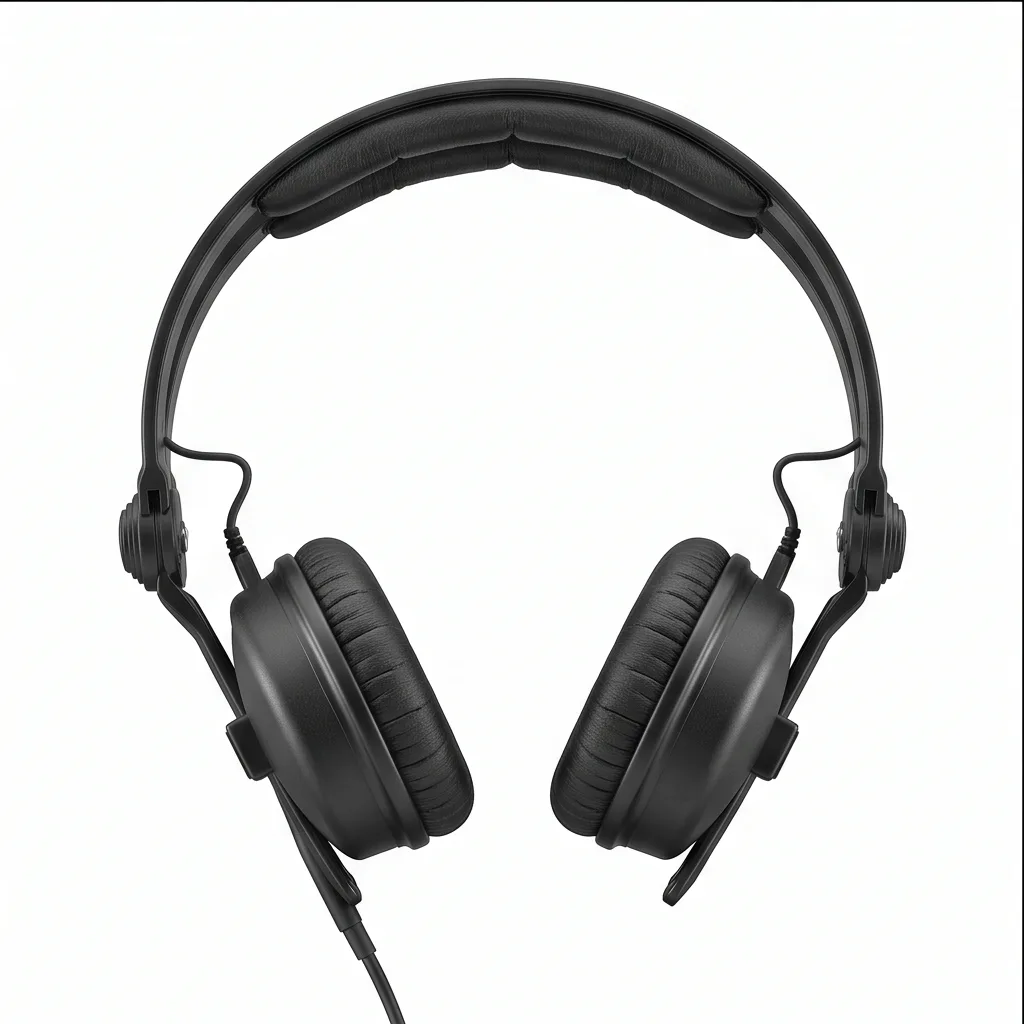
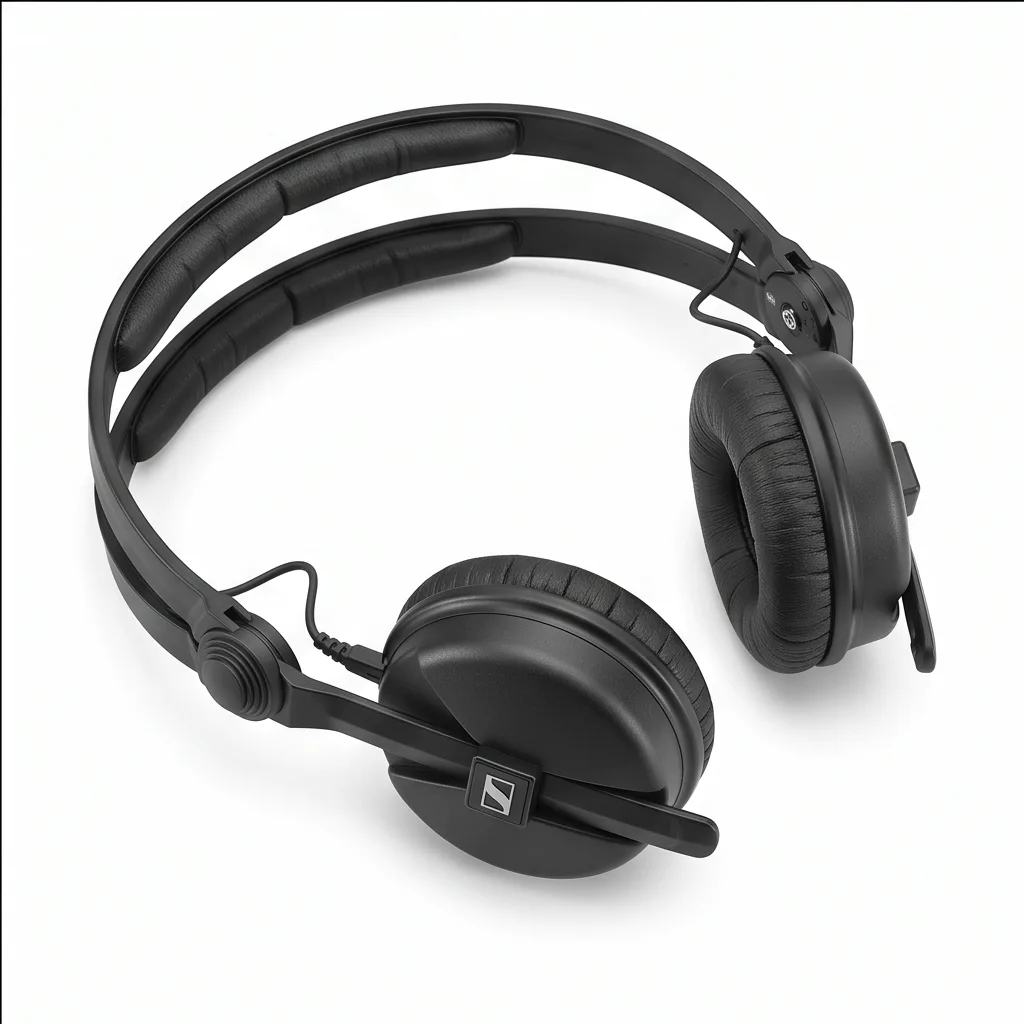
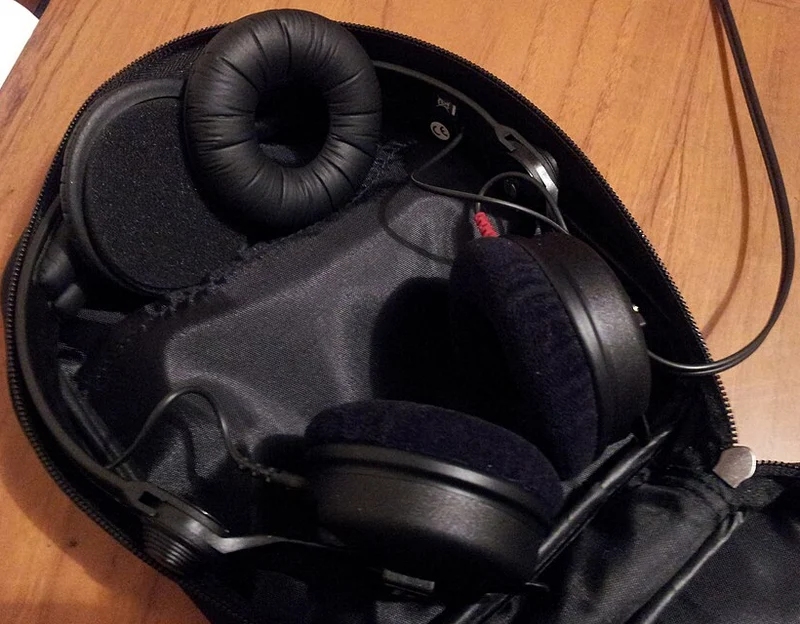
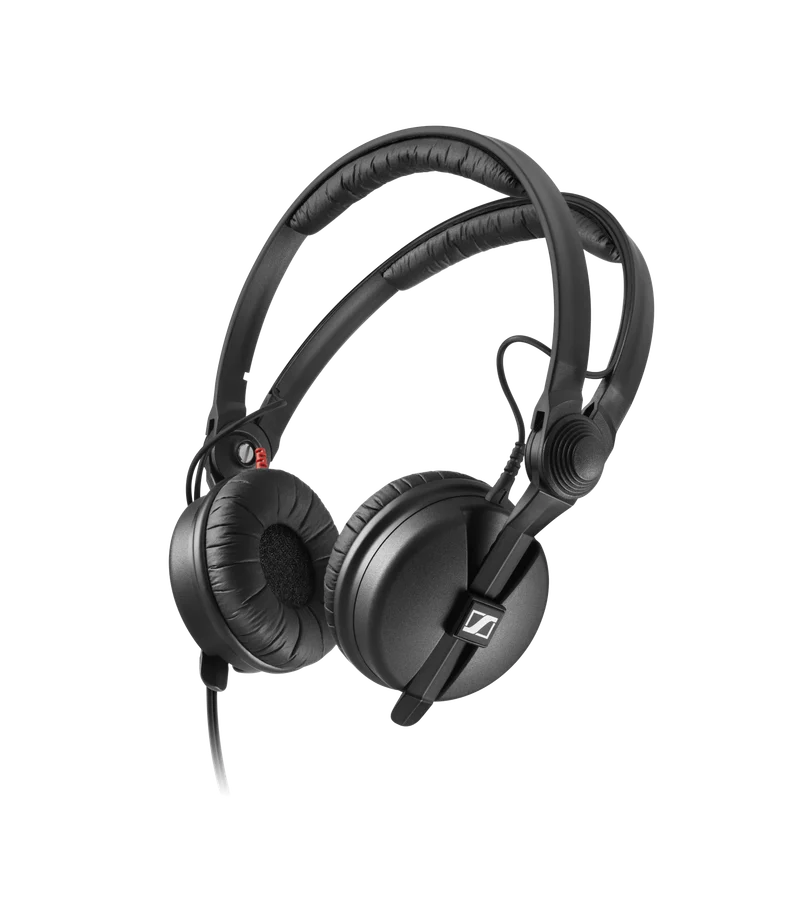
The HD 25 is a small, closed headphone that sits on the ears rather than around them. Two round black capsules, padded with leatherette, hang from a headband that divides into two strips at the back of the head, so that it grips firmly and can be spread for comfort. A single cable leaves one cup. The other turns on its mount, swinging away so that the wearer can listen with one ear and keep the other free for the room.
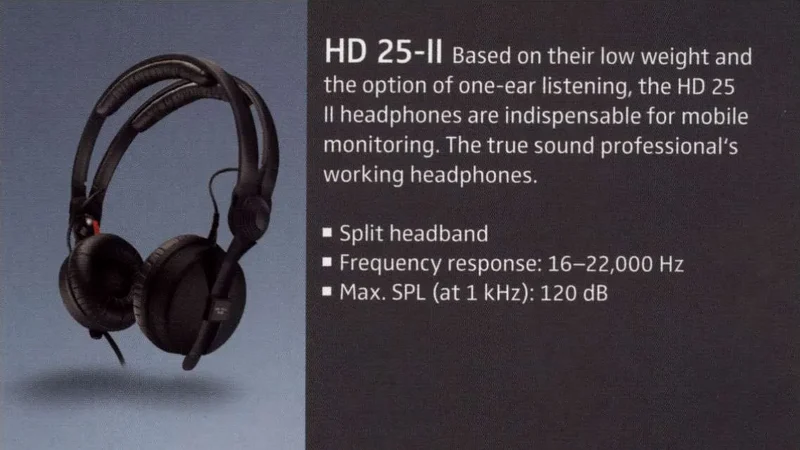
Sennheiser, founded in 1945 at Wennebostel near Hanover, had built its reputation on microphones for broadcast reporting before it turned to headphones, and in 1968 it made the first open-back pair, the HD 414. The HD 25, which came on the market in 1988, went the other way: a closed design, meant to shut out noise while an engineer monitored sound at high level. The company says it also flew as in-flight headphones on Concorde.
.jpg)
What made its reputation was the club. A headphone that isolates well, takes high volume without distress and lets one ear be uncovered for cueing a record suited DJs, and the HD 25 became a fixture of the booth as well as the broadcast van and the film set. Over the years it gathered suffixes, until in 2016 Sennheiser cut seven variants down to one classic HD 25 and two siblings.
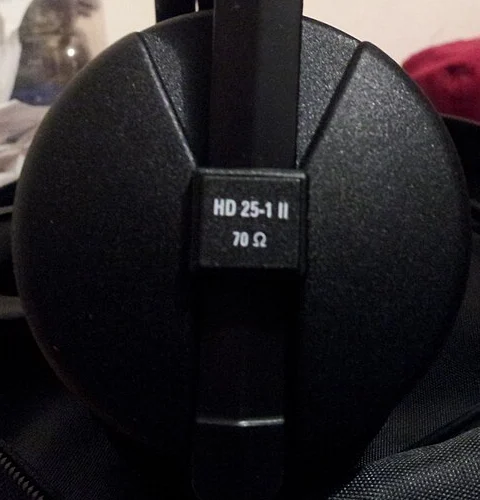
That change, like the others, was in the detail. The present HD 25 has new headband ends that hold the cups more securely, aluminium voice coils, and its name printed on the headband instead of the earpiece. The split band, the closed cups, the single cable and the rotating capsule are as they were. Its parts can be replaced in the field, and the headphone is still sold by Sennheiser at about £130.
Timeline
- 1988 First made · Verified Sennheiser HD 25 enters production in Lower Saxony, Germany.
- 2013 Recognised Sennheiser marks the HD 25's 25th anniversary.
- 2016 Designed Seven HD 25 variants are cut to three: one classic HD 25, with the HD 25 Light and HD 25 Plus beside it; new headband ends lock the earcups more securely.
- 2020 Recognised For Sennheiser's 75th anniversary, 25,000 HD 25s are issued with a retro logo and yellow spare pads.
Milestones as we found them, not as we've checked them.
From the archive
.jpg)
More like this
-
 Headphones · since 1991 Sony MDR-7506 Sony's folding studio headphones of 1991, still on the heads of sound recordists everywhere. Read the entry →
 -
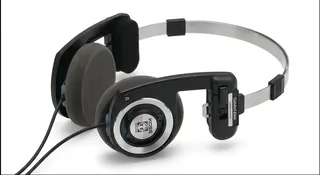 Headphones · since 1984 Koss Porta Pro A folding steel-banded headphone from Milwaukee, unchanged in outline since 1984. Read the entry →
 -
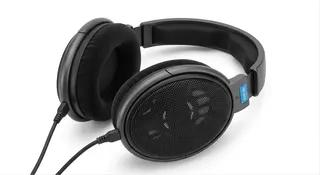 Headphones · since 1997 Sennheiser HD 600 Sennheiser's open-backed reference headphone of 1997, still the yardstick at the same price. Read the entry →
 -
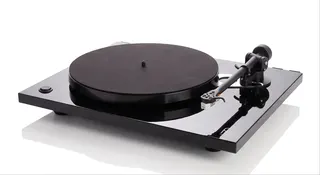 Turntables & Hi-Fi · since 1977 Rega Planar 1 Hand-assembled belt-drive turntable, entry point to serious vinyl. Read the entry →