Musical Instruments · Keys, Amps & More · Microphones
Sennheiser
Sennheiser MD421
Since 1960 · 66 years to 2026 · First made in Wennebostel, Germany
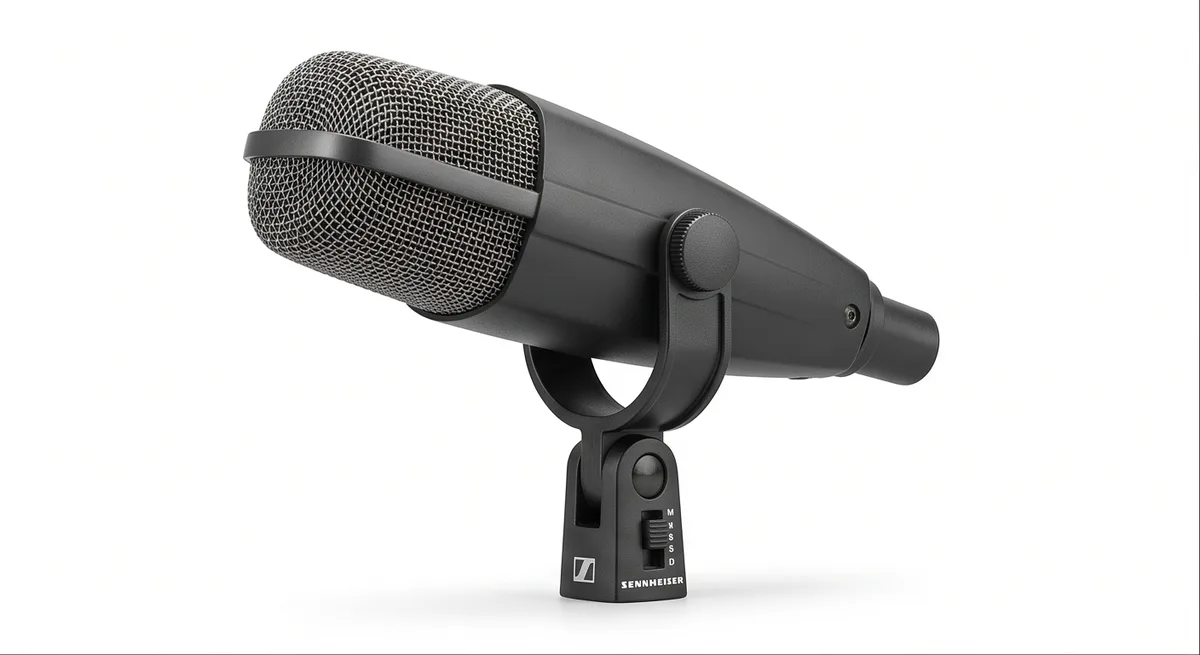
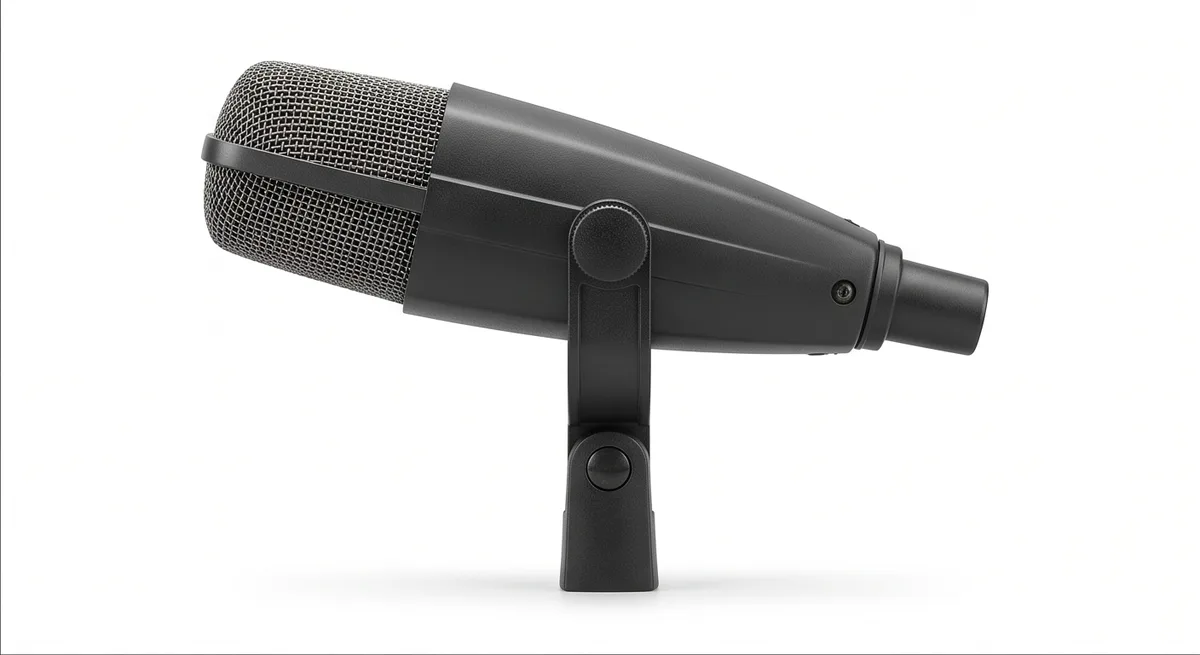
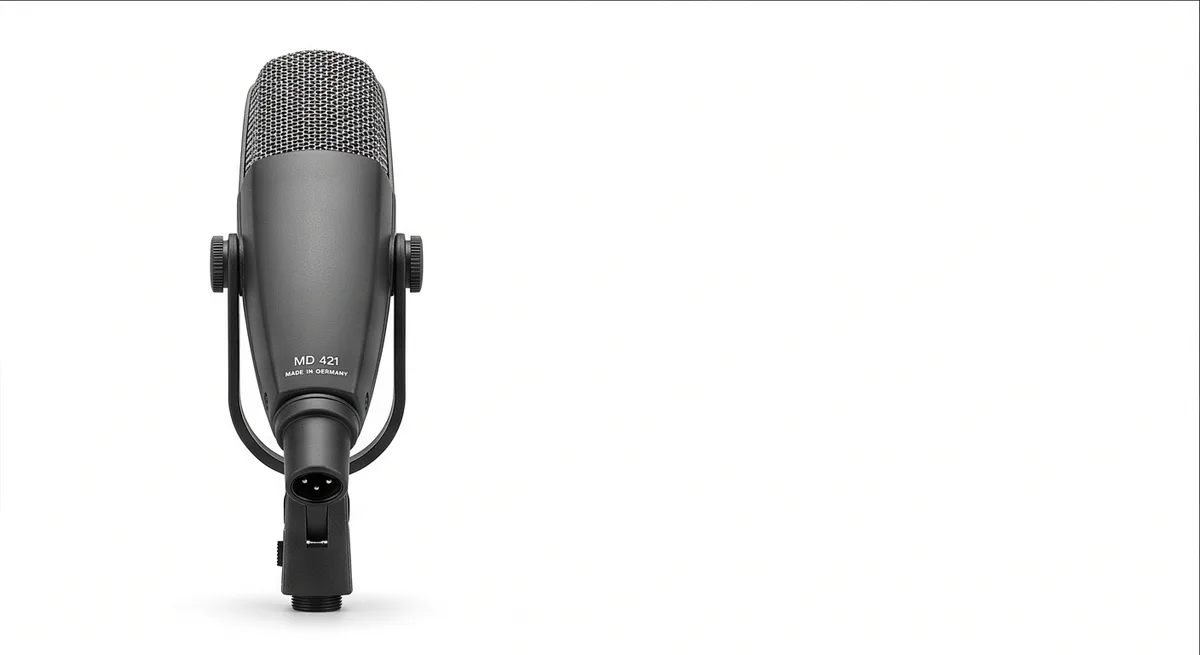
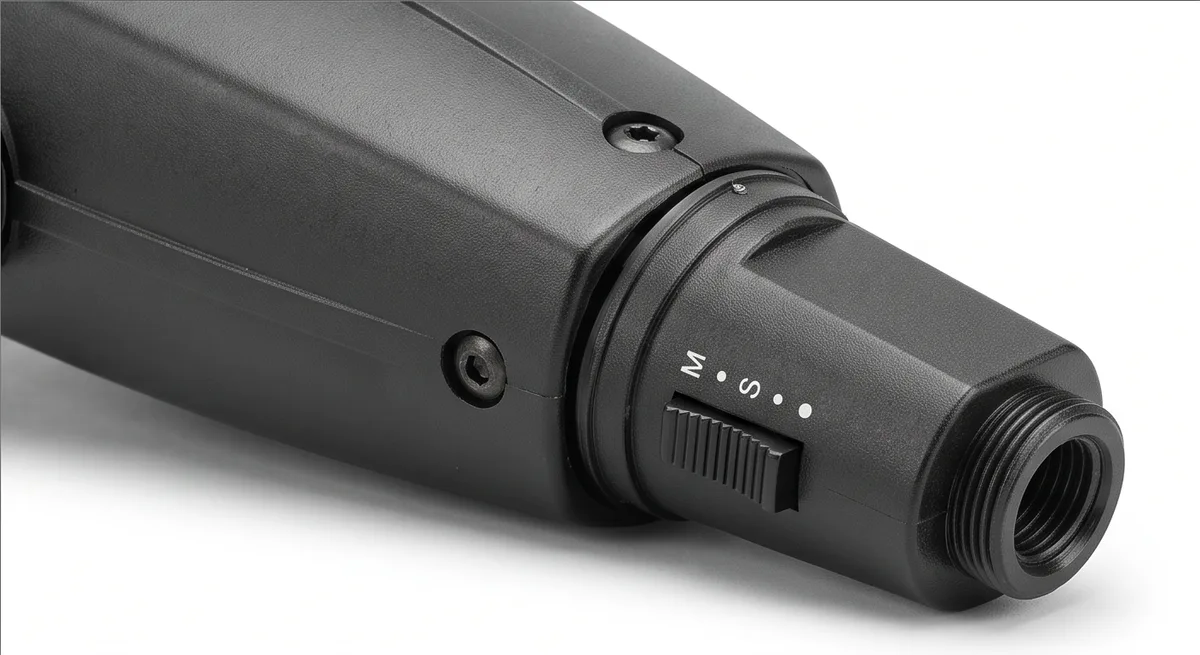
The Sennheiser MD 421 is a large-diaphragm cardioid dynamic microphone that has maintained its essential design and acoustic character for over six decades. Developed in the late 1950s as an evolution of Sennheiser's earlier microphone work, the MD 421 was engineered to deliver studio-quality frequency response (30 Hz to 17 kHz) while handling extremely high sound pressure levels well above 150 dB—capabilities that distinguished it from competing designs of the era. The microphone incorporates a hum-compensating coil to prevent electromagnetic interference and a five-step low-frequency attenuation circuit that allows users to tailor bass response across diverse applications.
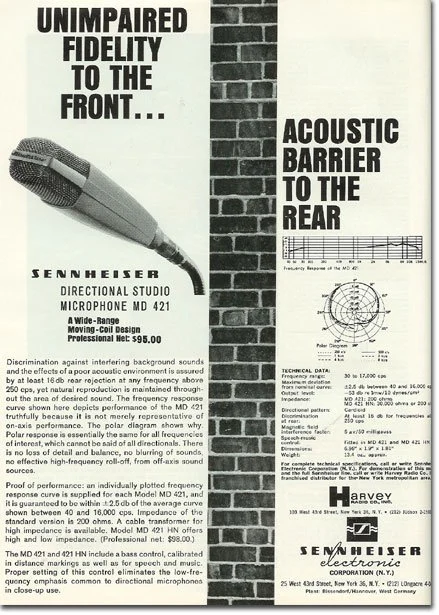
The MD 421's design reflects the industrial materials and manufacturing capabilities of early 1960s Germany. Its body was molded from DuPont Delrin, a polyoxymethylene compound that had only recently become commercially available. This material choice—unusual for professional audio equipment then and now—contributed to the microphone's distinctive appearance and durability. The tight cardioid directivity pattern, consistent across nearly all frequencies, proved effective for both studio recording and broadcast use, while the bass roll-off filter addressed practical challenges including proximity effect, plosives, and wind noise.
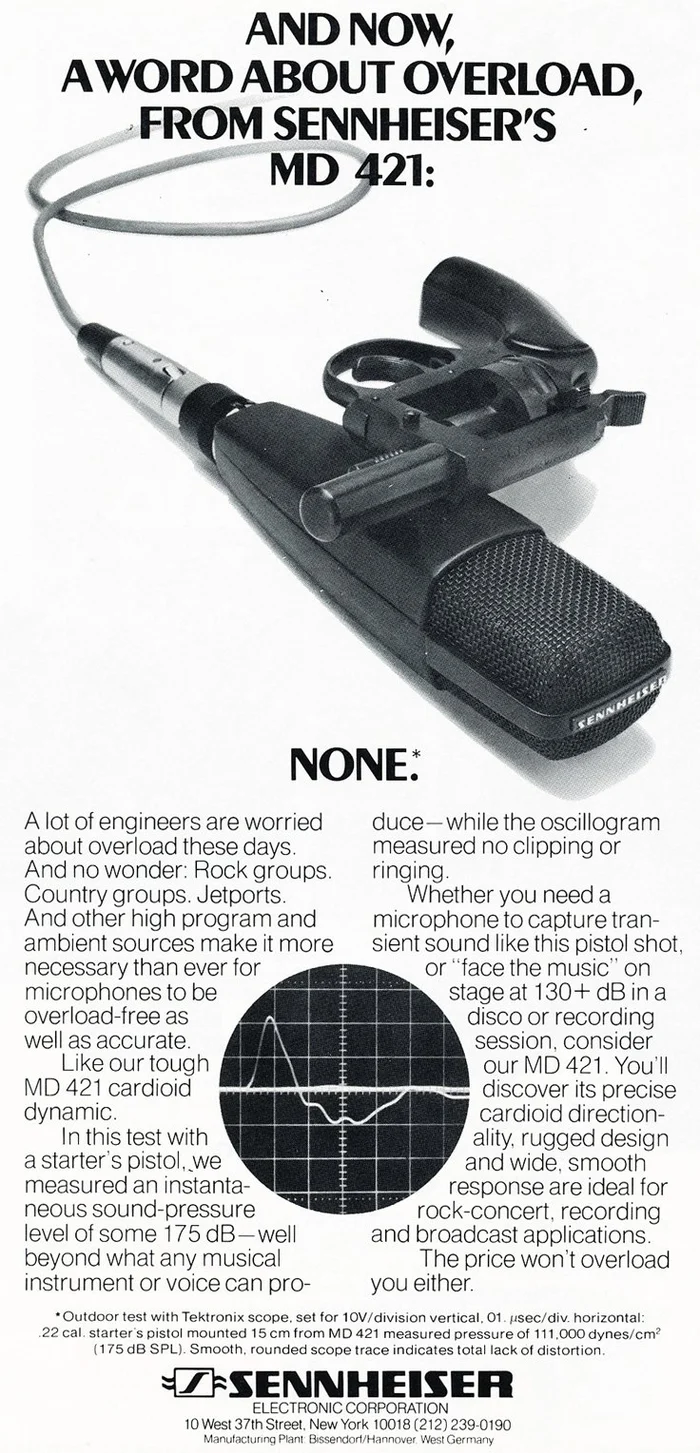
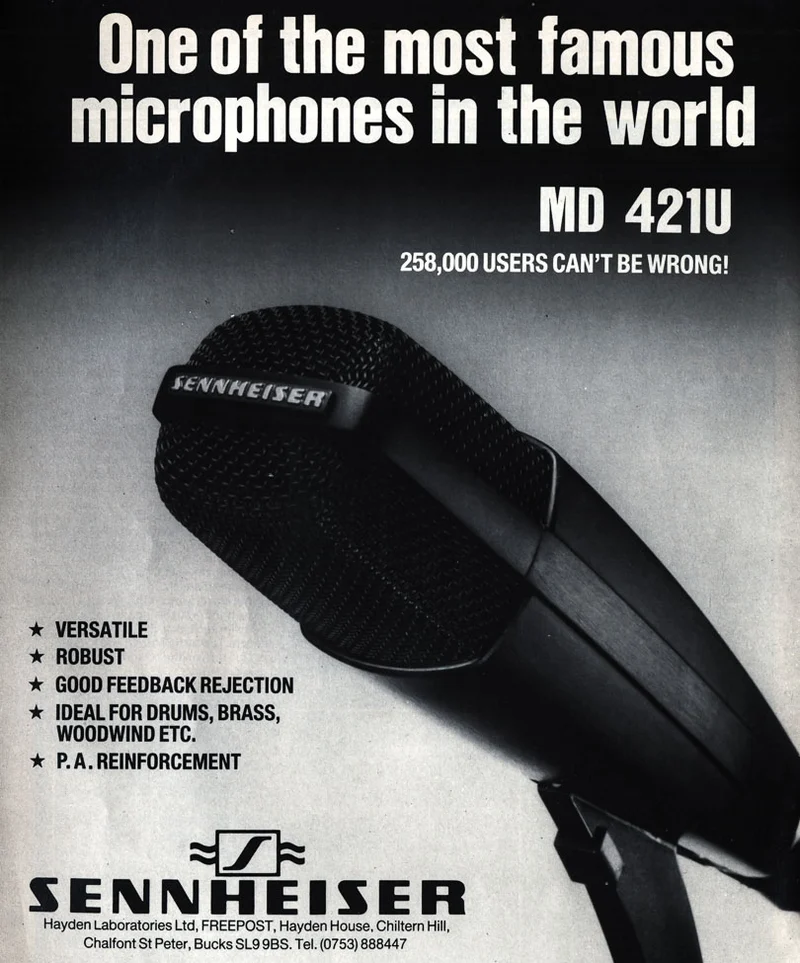
Since its debut, the MD 421 has established itself across professional sound technology: in radio and television transmission, public address systems, live concert reinforcement, and recording studios. It became a standard vocal microphone for broadcast and a preferred instrument microphone for drums, brass, amplified guitar, and bass cabinets. The microphone's versatility and reliability created a self-reinforcing market presence—its ubiquity in professional settings made it the expected choice for new practitioners entering the field. This cultural entrenchment, combined with genuine acoustic performance and the absence of compelling reasons to replace a working unit, has sustained demand across generations of audio professionals.
The MD 421 was inducted into the NAMM TECnology Hall of Fame in 2011, a recognition of its status as an audio classic. Its longevity reflects not technological obsolescence resistance but rather the alignment of a fundamentally sound design with the practical needs of professional audio work. The microphone remains in production today as the MD 421 II, incorporating manufacturing refinements while preserving the acoustic signature that has defined its six-decade presence in studios and on stages worldwide.
Timeline
- 1953 Designed Sennheiser develops the omnidirectional MD 21 model, a predecessor to the MD 421.
- 1960 First made · Verified Sennheiser MD421 enters production in Wennebostel, Germany.
- 2002 Production The MD 421 II is introduced with a metal inner chassis, shorter housing profile, and improved acoustic connections.
- 2011 Recognised The MD 421 is inducted into the NAMM TECnology Hall of Fame.
Milestones as we found them, not as we've checked them.
From the archive
More like this
-
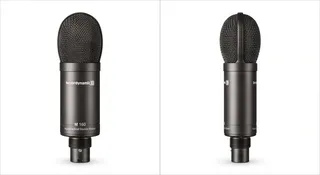 Microphones · since 1957 Beyerdynamic M160 German ribbon microphone, handmade since 1957 Read the entry →
 -
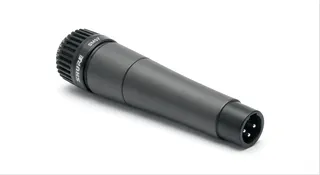 Microphones · since 1965 Shure SM57 Cardioid dynamic microphone in continuous production since 1965. Read the entry →
 -
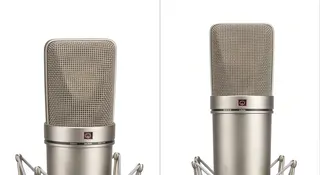 Microphones · since 1967 Neumann U87 The studio standard microphone, unchanged in essence for nearly sixty years. Read the entry →
 -
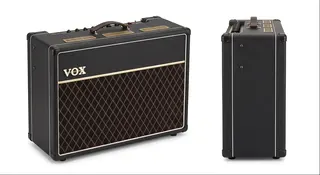 Amps & Pedals · since 1959 Vox AC30 British valve amplifier in continuous production since 1959. Read the entry →