Home & Furniture · Home Accessories · Lighting
Artemide
Artemide Tizio
Since 1972 · 54 years to 2026 · First made in Lombardy, Italy
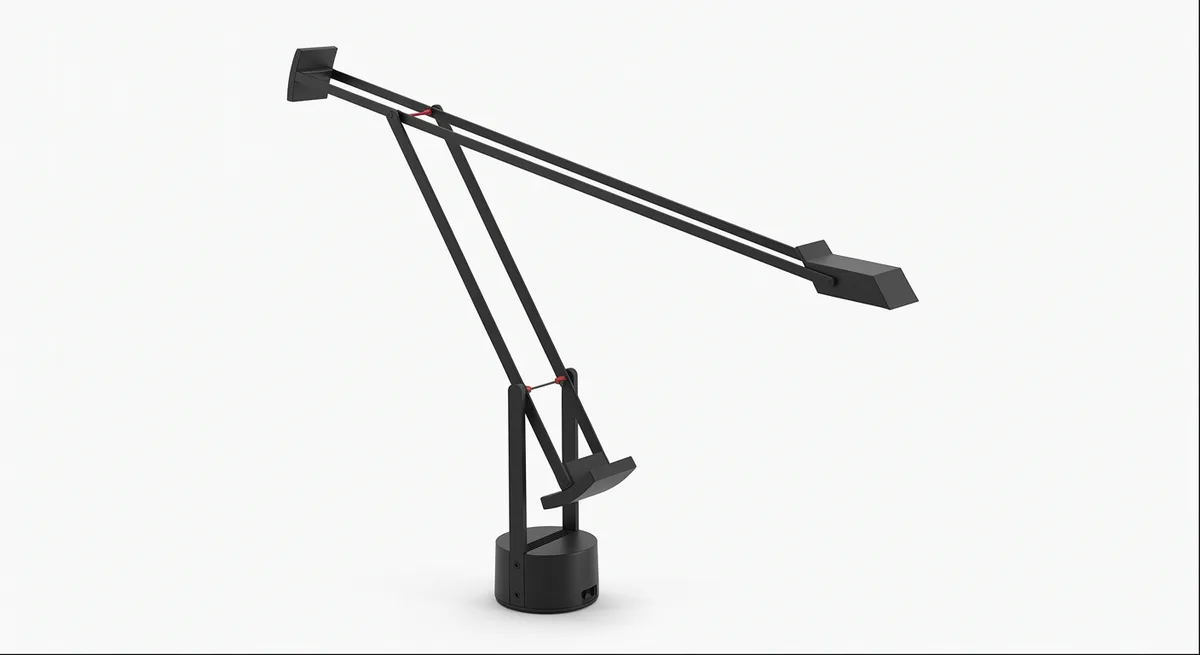
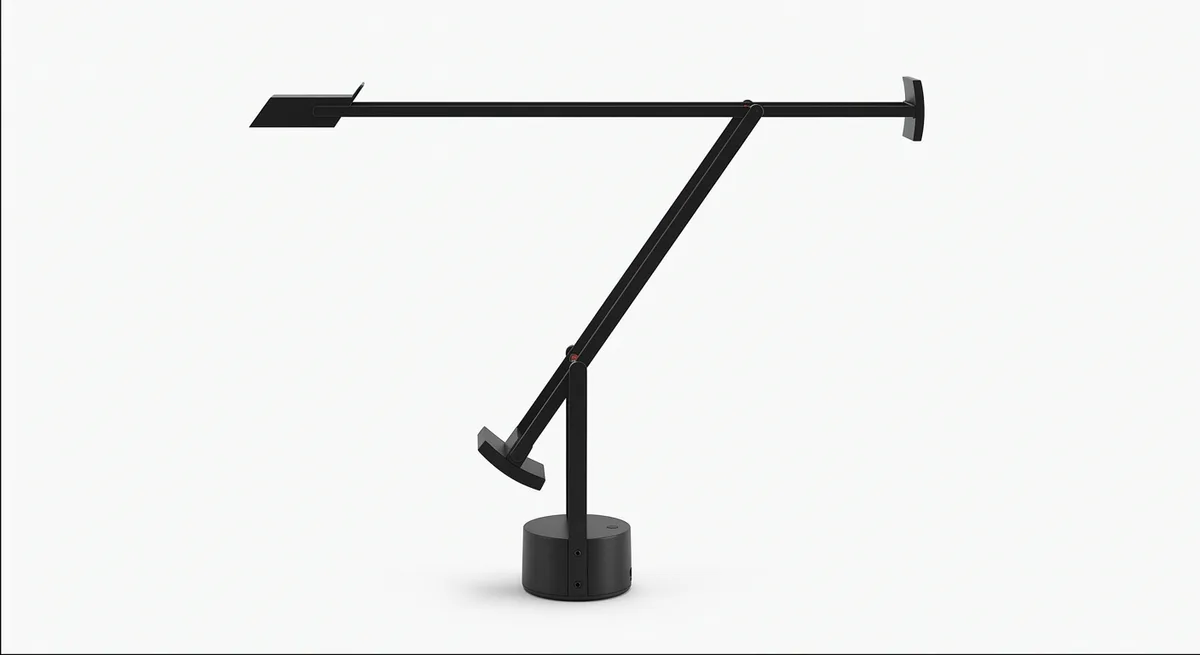
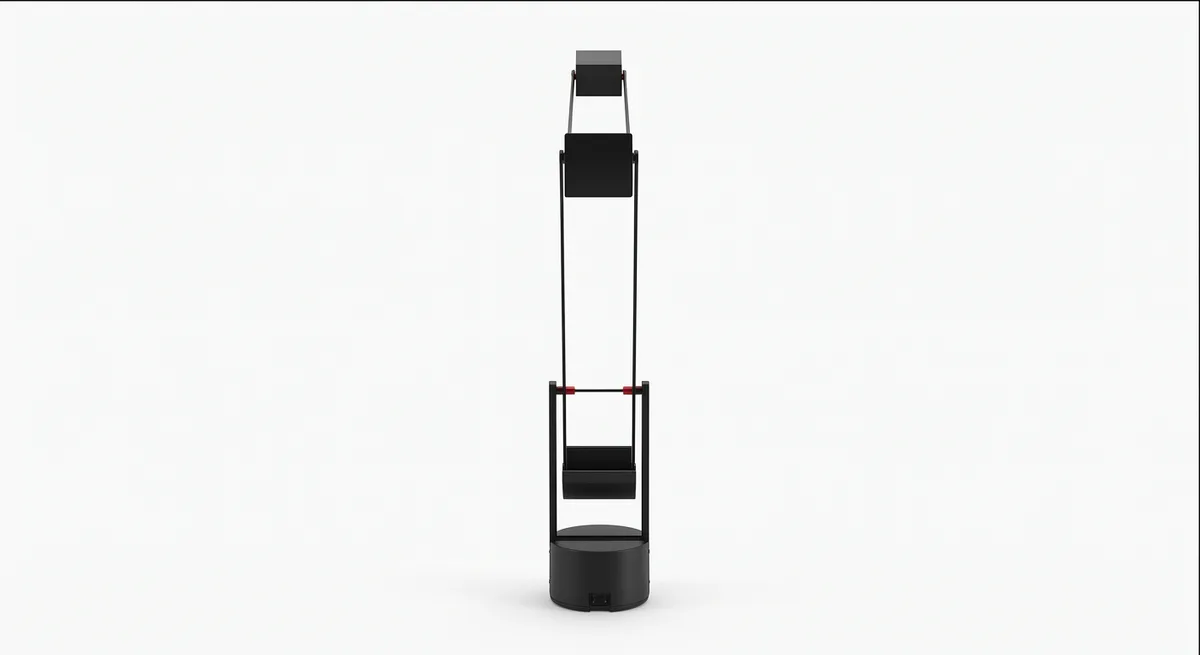
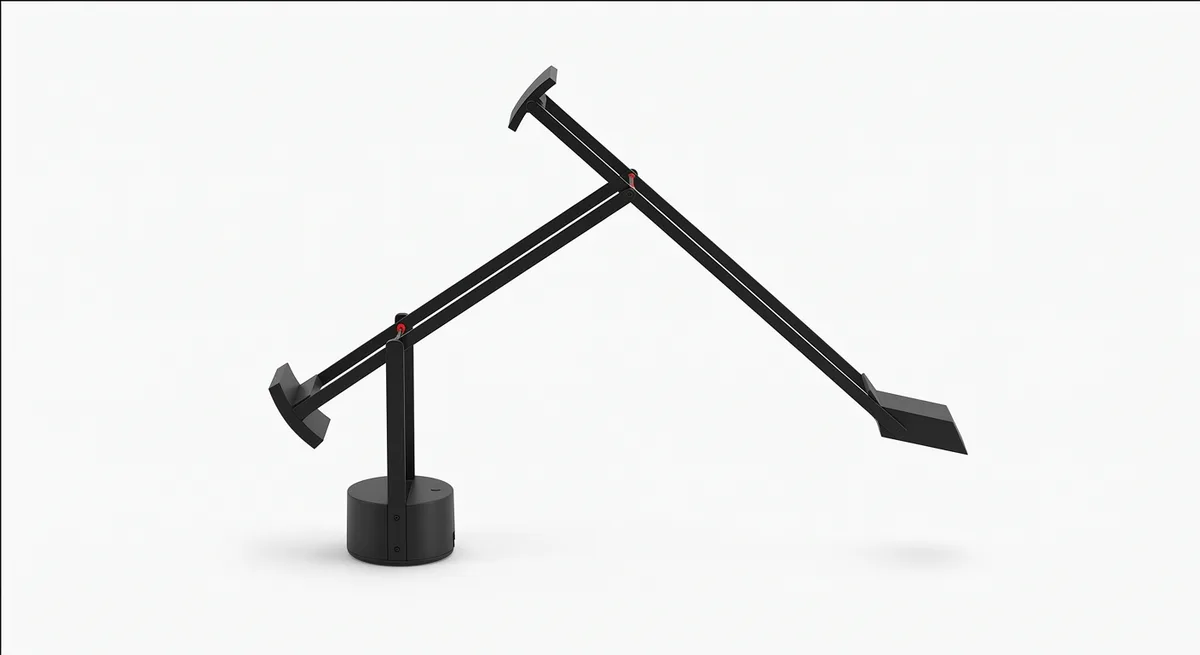
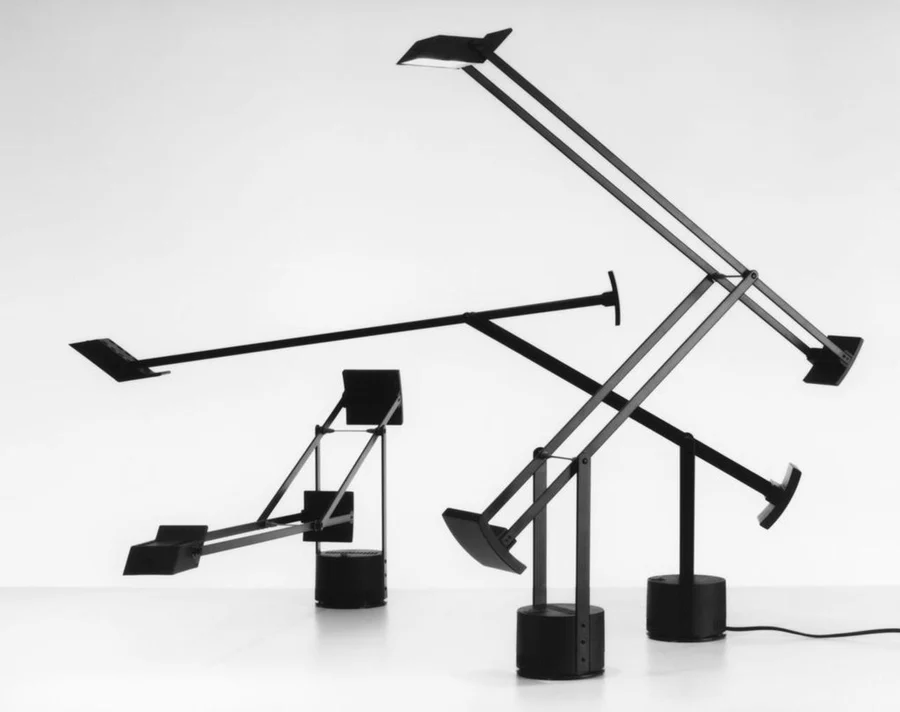
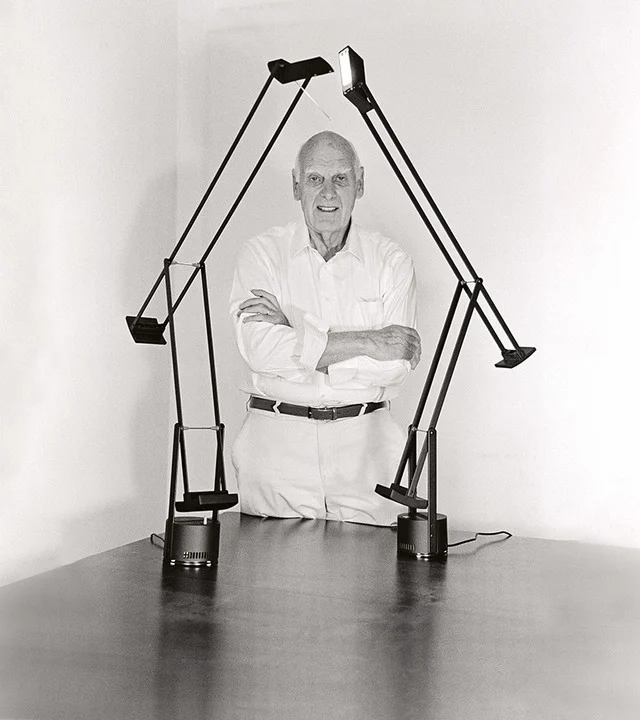
The Tizio is a desk lamp of black arms and counterweights. From a small cylindrical base rises a short upright, and on it pivots a long two-part arm, balanced at each joint by a weight, so that the slim head at its tip stays wherever it is left. There are no wires on the arms. The current reaches the bulb through the arms themselves, joined by press-studs, from a transformer hidden in the base.
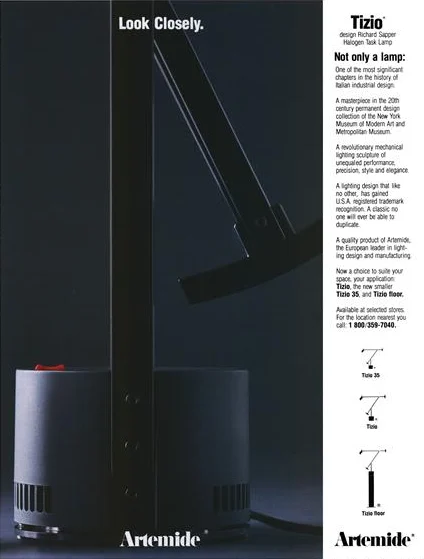
The lamp began, Artemide says, in 1970, in a conversation between its founder, Ernesto Gismondi, and the designer Richard Sapper, sailing friends, about a light that would fall exactly where the hand was working. Sapper settled the balance with jam jars of water, adding and pouring off until the arms floated. Artemide put the lamp into production in 1972. Its low-voltage halogen bulb was, according to the Metropolitan Museum of Art, one of the first used outside the car industry.
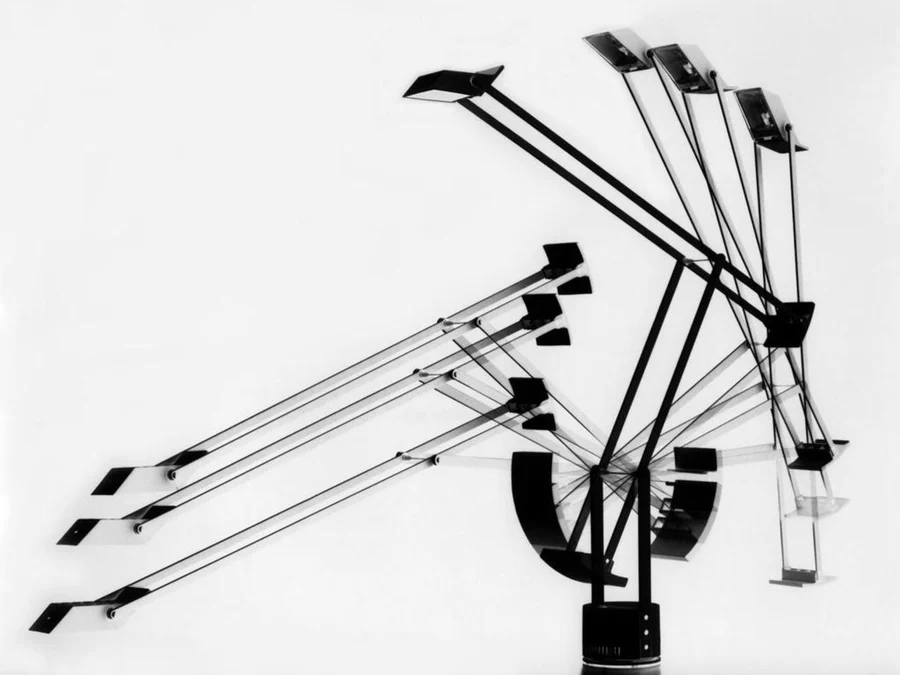
Gismondi named it Tizio, from the Italian phrase for Tom, Dick and Harry, perhaps hoping to appeal to everyone, perhaps hoping that Caio and Sempronio would follow. They never did, but the lamp won a gold medal at the Milan Triennale in 1974 and was selected for the Compasso d'Oro in 1979. Both the Metropolitan Museum of Art and the Museum of Modern Art in New York keep one in their collections; the Met lists it as nylon, polycarbonate and aluminium, weighing about 3.5 kilograms.
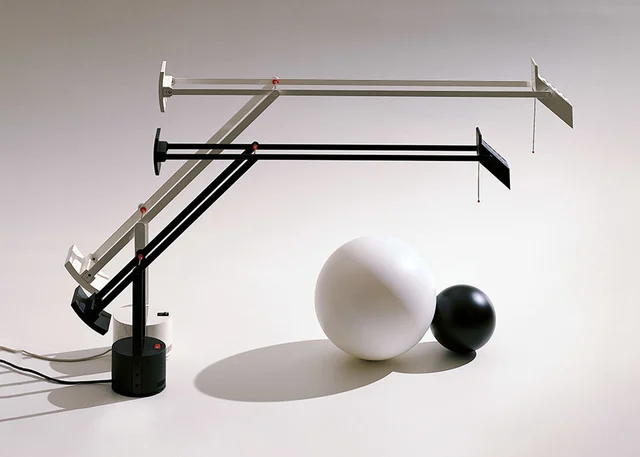
Artemide has changed very little. A glass cover and a thin wire with a red bead were added to the head in the 1990s, smaller versions joined the full-size lamp, and in 2008 a separate LED model appeared. The original is still made in black, and since 2022 again in white. As Gismondi put it, the company did not change the Tizio because that is simply the way it is.
Timeline
- 1970 Designed Ernesto Gismondi and Richard Sapper discuss a lamp whose beam always falls over the user's hand.
- 1972 First made · Verified Artemide Tizio enters production in Lombardy, Italy.
- 1974 Recognised The Tizio wins a gold medal at the 15th Milan Triennale.
- 2022 Production For fifty years in production, Artemide issues a red edition of 5,000 and returns the white Tizio to the catalogue.
Milestones as we found them, not as we've checked them.
From the archive
More like this
-
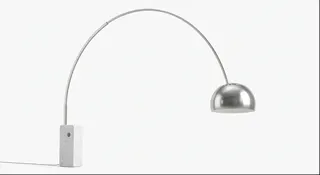 Lighting · since 1962 Flos Arco A street lamp brought indoors: steel arc, aluminium reflector, Carrara marble, since 1962. Read the entry →
 -
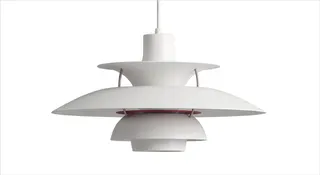 Lighting · since 1958 Louis Poulsen PH 5 Poul Henningsen's glare-free pendant of 1958, still the lamp over the Danish dining table. Read the entry →
 -
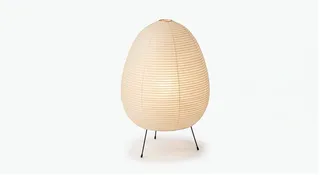 Lighting · since 1951 Noguchi Akari Light Sculpture Handcrafted paper lantern, continuously produced in Gifu since 1951. Read the entry →
 -
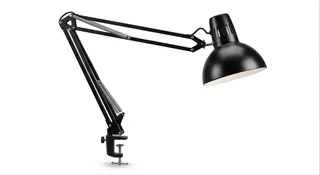 Lighting · since 1937 Luxo L-1 The Norwegian spring-balanced task lamp of 1937, still made by the firm that first sold it. Read the entry →