Mathmos
Mathmos Astro Lava Lamp
Since 1963 · 63 years to 2026 · First made in Poole, Dorset
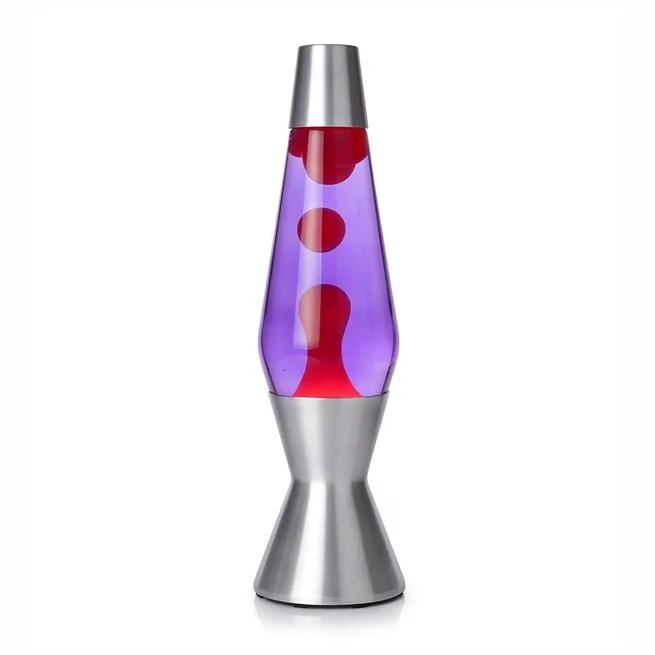
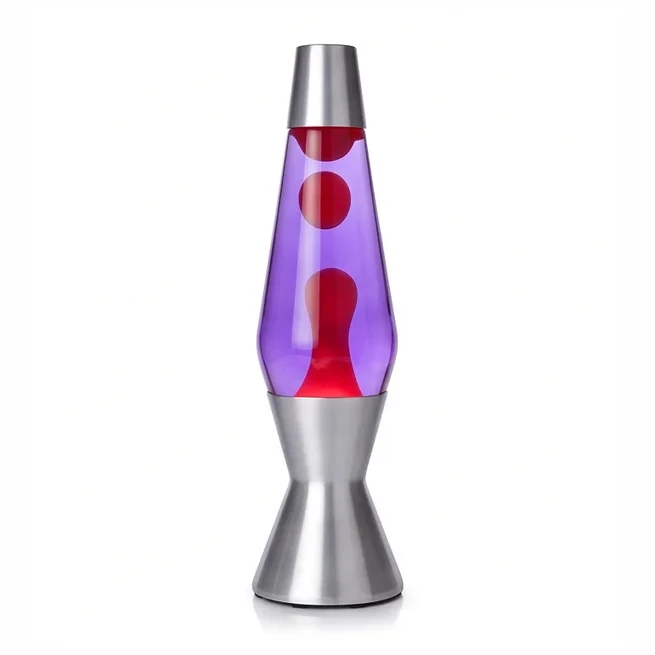
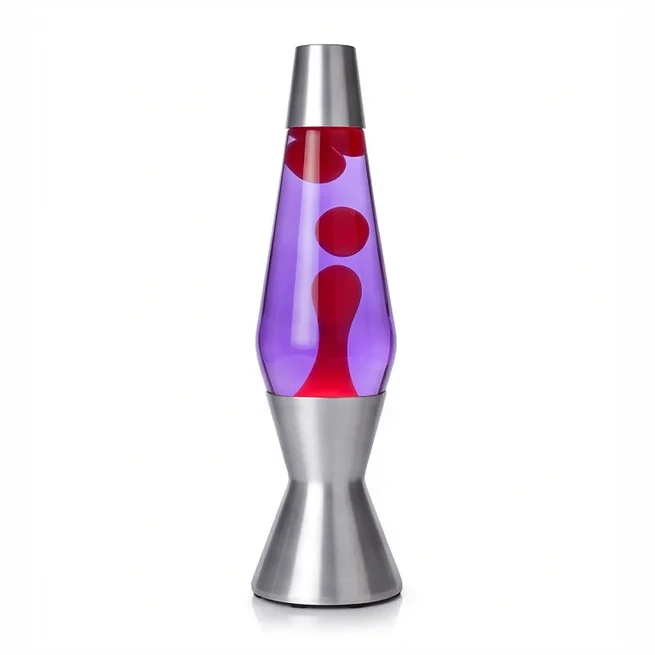
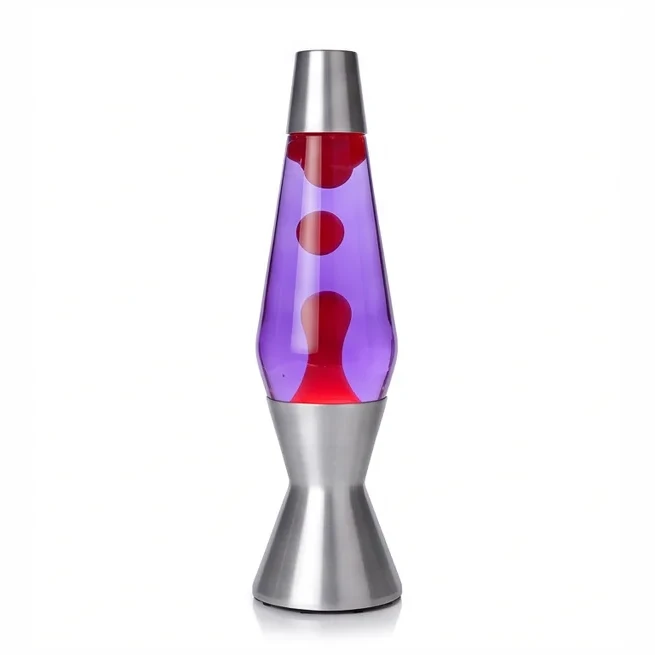
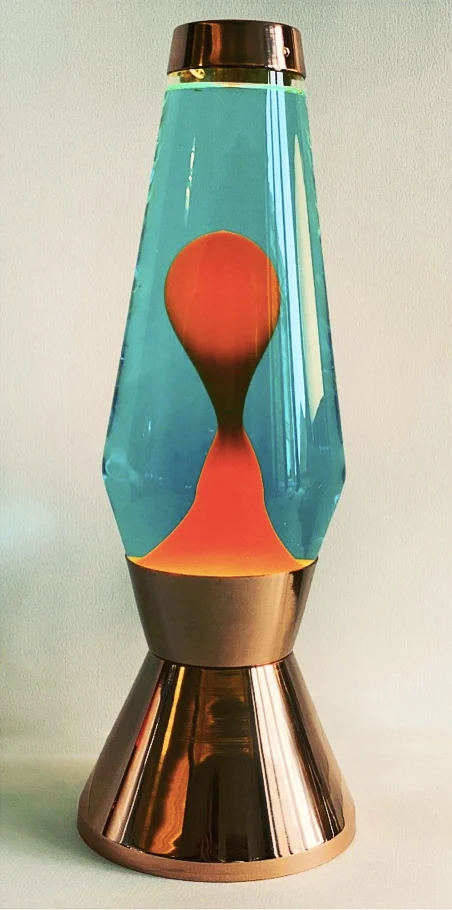
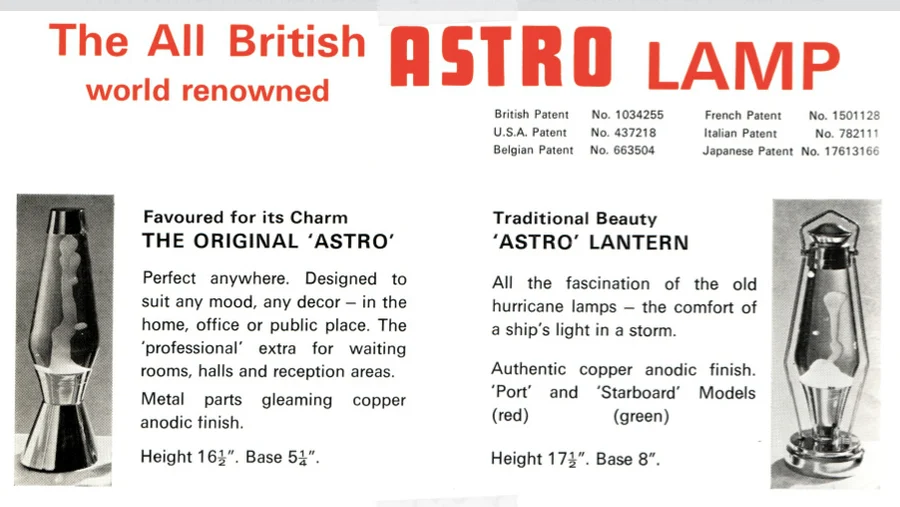
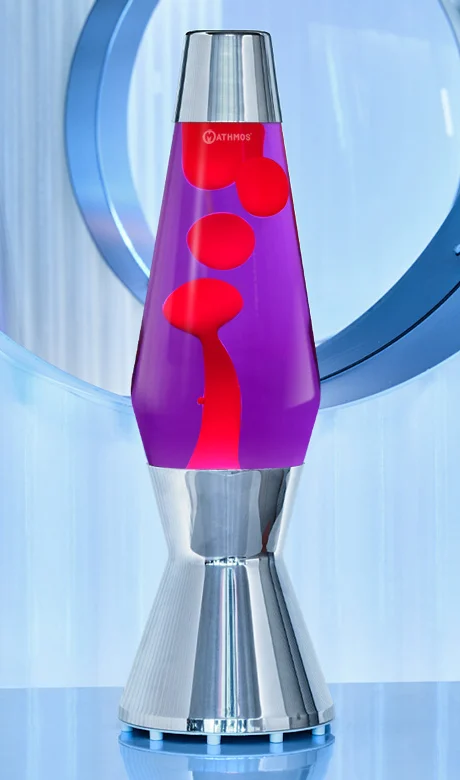
The Astro is a table lamp about forty centimetres tall: a tapering glass bottle of coloured liquid set on a cone of polished spun aluminium, closed by a short metal cap. A bulb in the base warms a mass of wax at the foot of the bottle until it softens, rises in slow globes and, cooling at the top, sinks again. The cycle never quite repeats.
Edward Craven Walker, a former RAF pilot who also made naturist films, developed it from a home-made egg timer he saw in a New Forest pub, filled with liquids that would not mix. He spent years on the formula, set up Crestworth in 1963 and released the Astro that September, made on West Quay Road in Poole. The first lamps held an all-liquid mixture in hand-blown glass; by 1965 a wax formula in sealed bottles had replaced it.
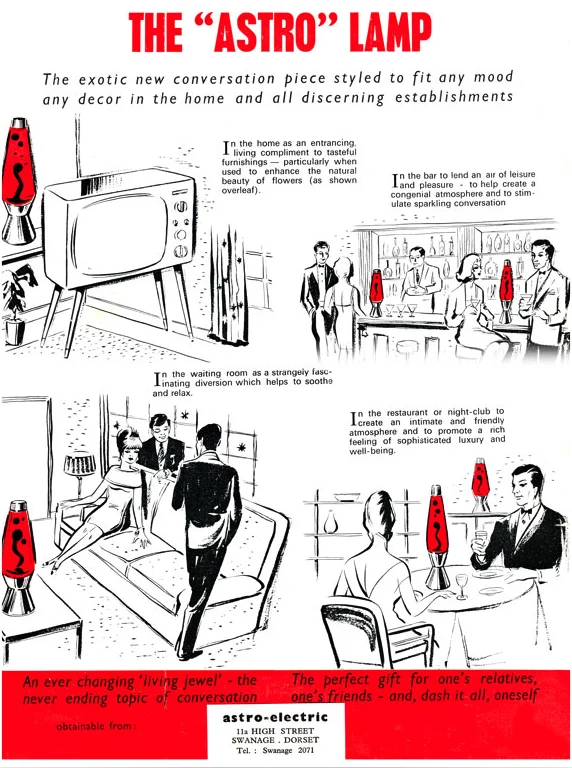
The lamp suited the decade exactly. It appeared in Doctor Who and The Prisoner, the American rights were sold in the mid-1960s, and Crestworth's brochures offered it for the home, the bar and the night-club. Its makers delivered lamps in an old Post Office van. By the 1980s fashion had moved on, and the Poole factory was turning out only a hundred or so a month.
In the late 1980s Cressida Granger, who sold vintage lamps on a stall in Camden, found the factory still working and, with David Mulley, took over its running. They renamed the firm Mathmos in 1992, after the lake of lava in Barbarella, and sold the Astro to a new generation of students and collectors. Craven Walker stayed on as a consultant, improving the formula, until his death in 2000. Mathmos still fills every bottle by hand in Poole, and sells bottles and bulbs for Astros made as long ago as 1963.
Timeline
- 1963 First made · Verified Mathmos Astro Lava Lamp enters production in Poole, Dorset.
- 1963 Edward Craven Walker's Crestworth launches the Astro lamp, made on West Quay Road in Poole.
- 1965 Production According to Flow of Lava, the first all-liquid formula in hand-blown glass gives way to the solid wax formula and sealed bottles.
- 1989 Ownership Cressida Granger and David Mulley take over the running of Crestworth, then making only a few lamps a month.
- 1992 Ownership Crestworth is renamed Mathmos; the Astro is still made in Poole.
Milestones as we found them, not as we've checked them.
From the archive
More like this
-
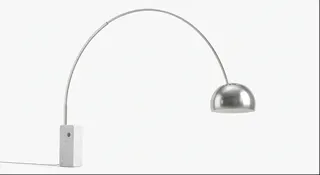 Lighting · since 1962 Flos Arco A street lamp brought indoors: steel arc, aluminium reflector, Carrara marble, since 1962.
-
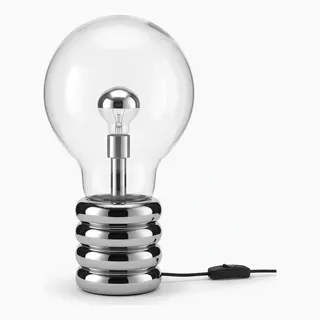 Lighting · since 1966 Ingo Maurer Bulb A light bulb blown up to the size of a lamp, Ingo Maurer's first design and still made by his firm in Munich since 1966.
-
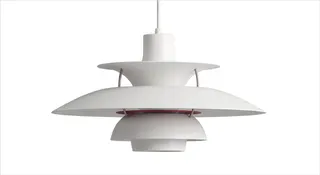 Lighting · since 1958 Louis Poulsen PH 5 Poul Henningsen's glare-free pendant of 1958, still the lamp over the Danish dining table.
-
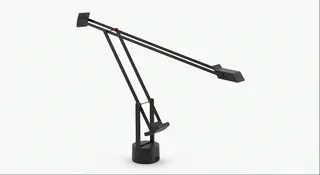 Lighting · since 1972 Artemide Tizio Richard Sapper's counterweighted desk lamp, balanced with jam jars of water and in production since 1972.