bamix of Switzerland (ESGE AG)
bamix hand blender
Since 1954 · 72 years to 2026 · First made in Baden-Württemberg, Germany
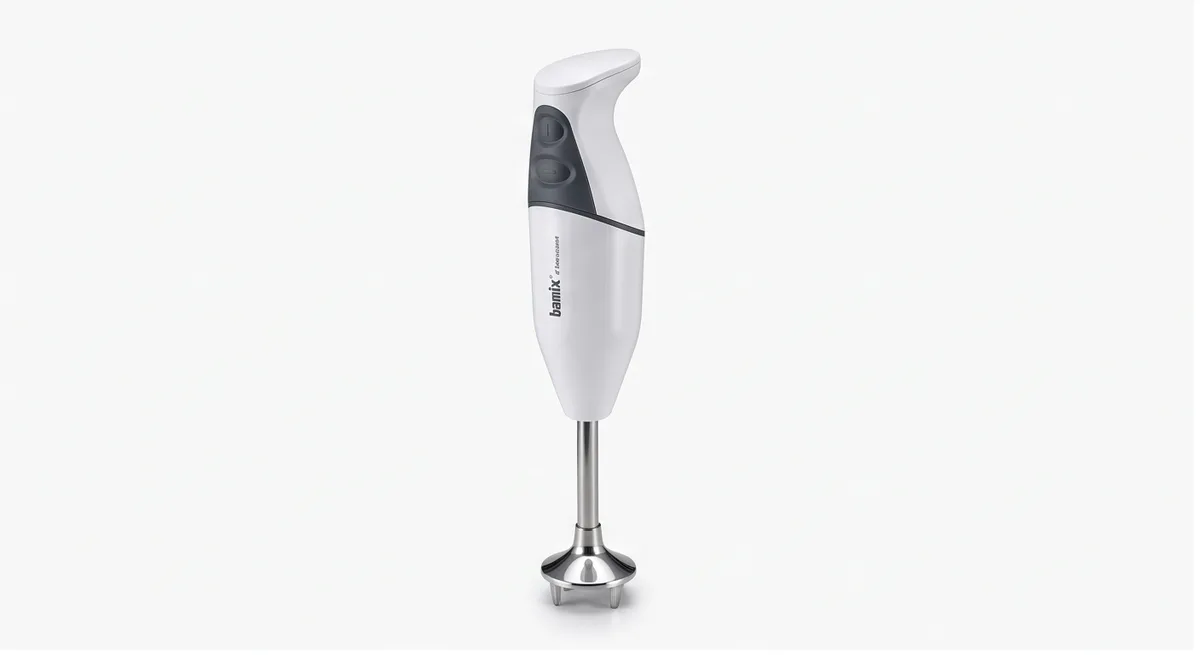
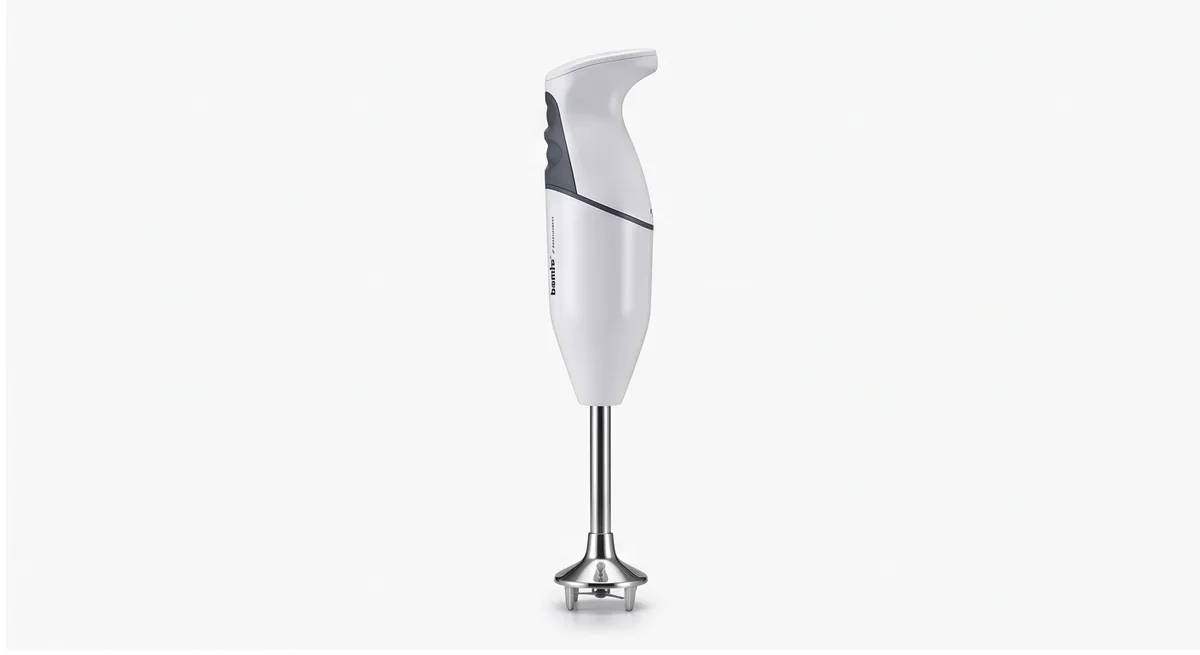
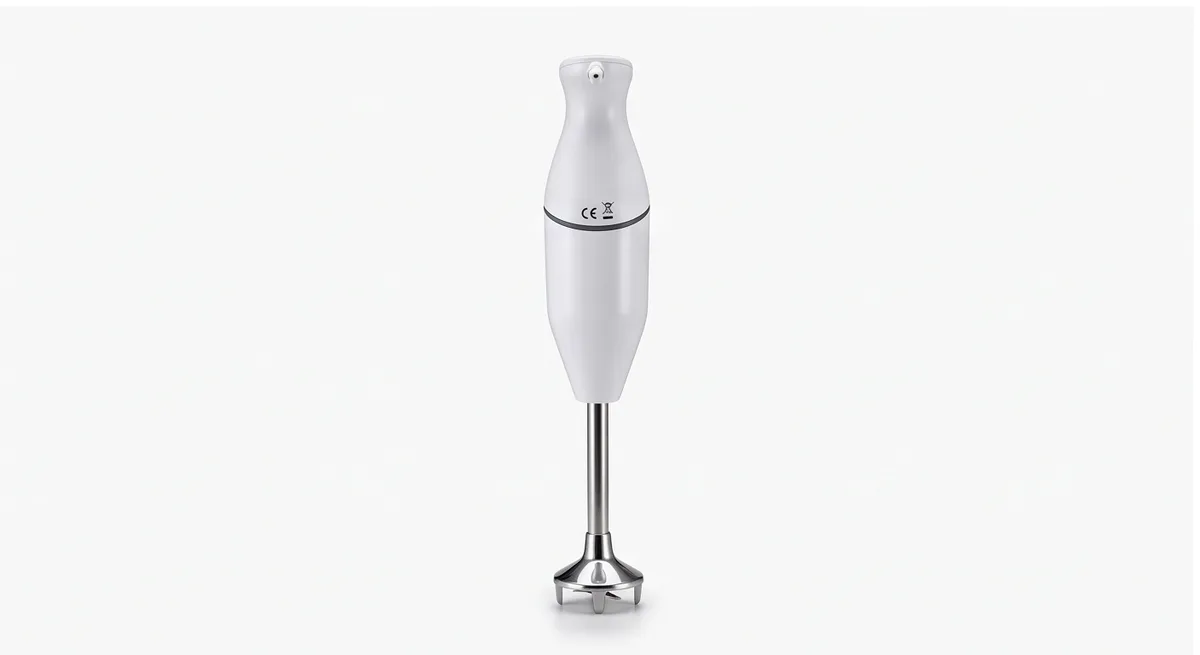
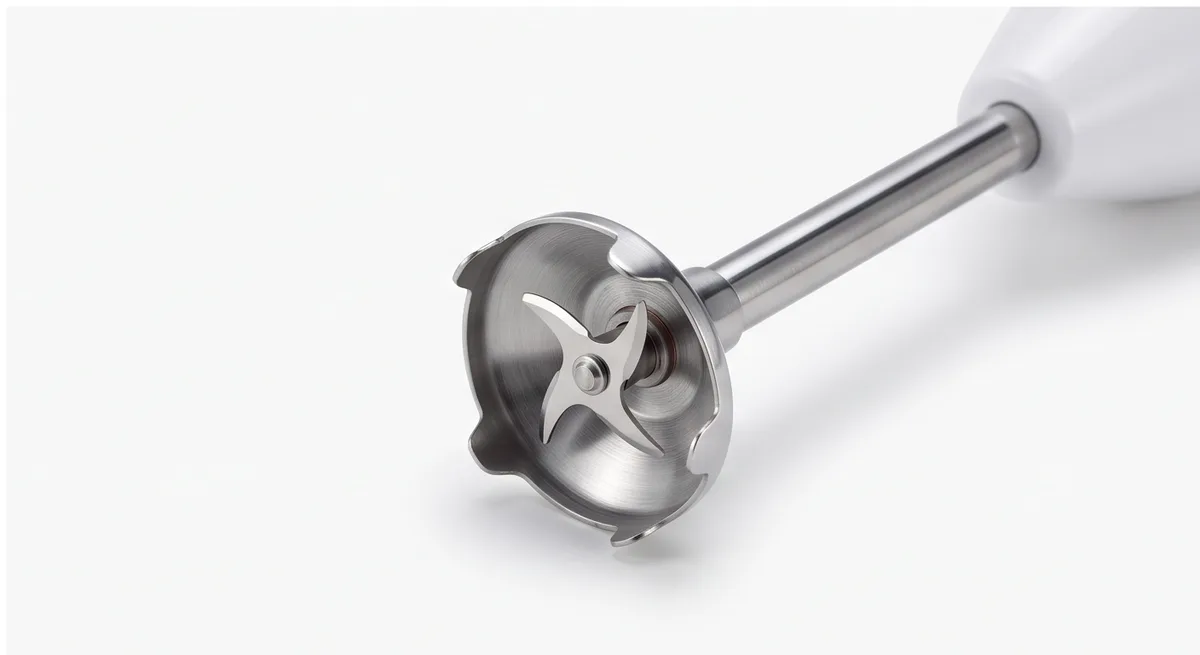
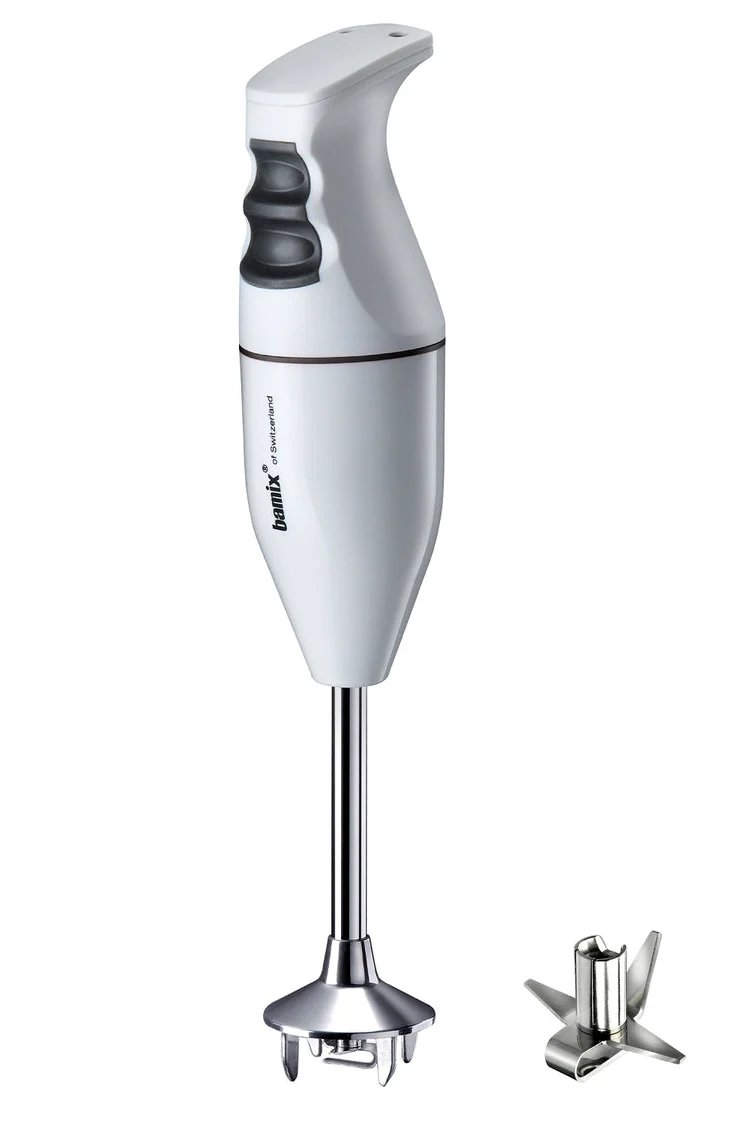
The bamix is a hand blender: a cylindrical motor housing that fills the hand, a slim steel shaft below it and, at the foot, a small blade inside a flared guard. The blades snap on and off, so the one appliance whisks, chops, purées and froths. It goes into the pan, the jug or the bowl rather than the food going into it. Today's Classic has a smooth, waisted white body with two speed buttons under the thumb and the words 'bamix of Switzerland' on its side.
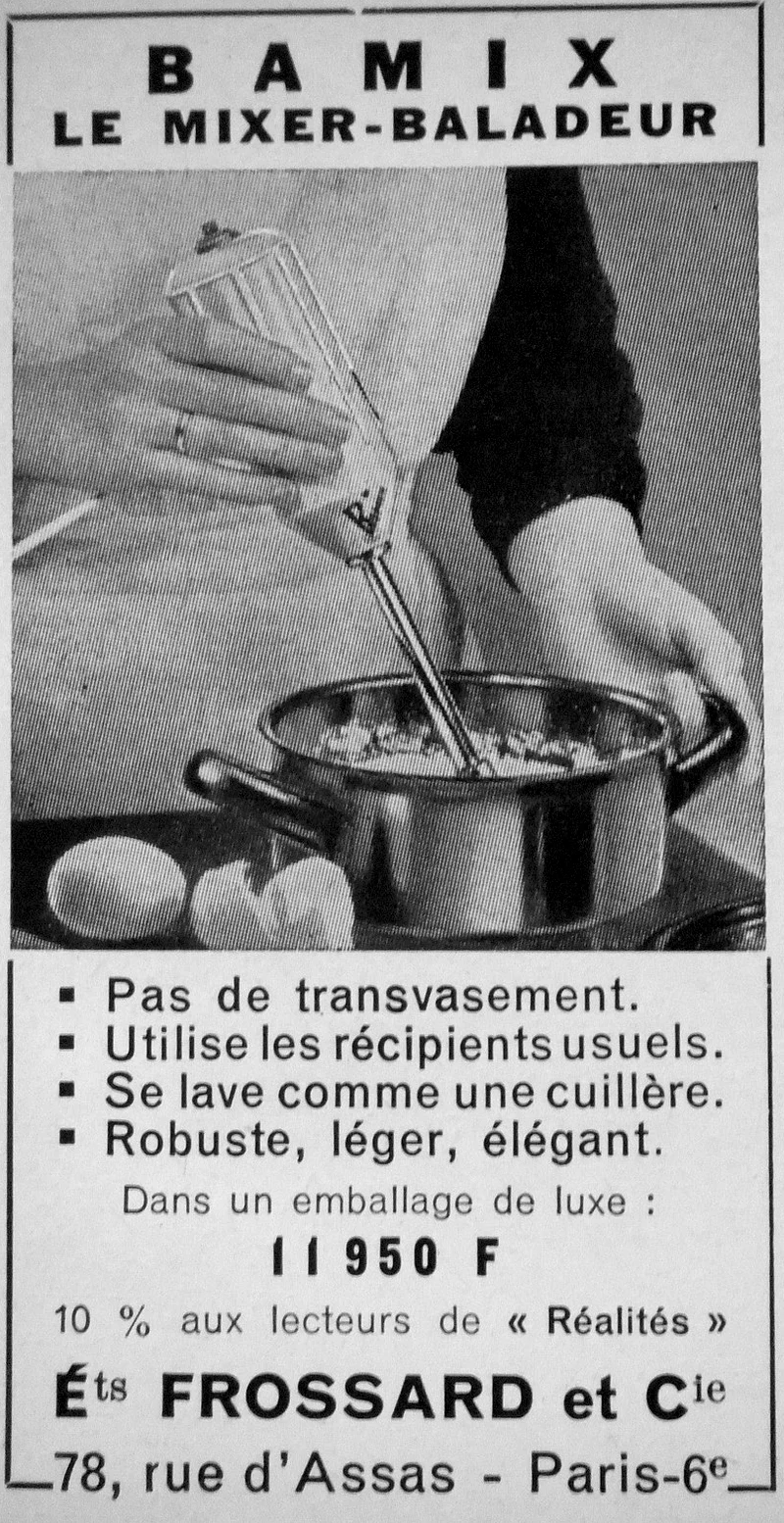
Its inventor, the Swiss engineer Roger Perrinjaquet, filed his patent in March 1950. He wanted to work with food where it was cooking, without pouring it into a separate machine and back, and he named the device from the French battre et mixer, to beat and to mix. In 1954 he sold the rights to ESGE, a small German firm that made bicycle stands and electric motors, and the first blenders were made that year. A French advertisement of 1956 sold it as the 'mixer-baladeur', the roaming mixer, that 'washes like a spoon'.
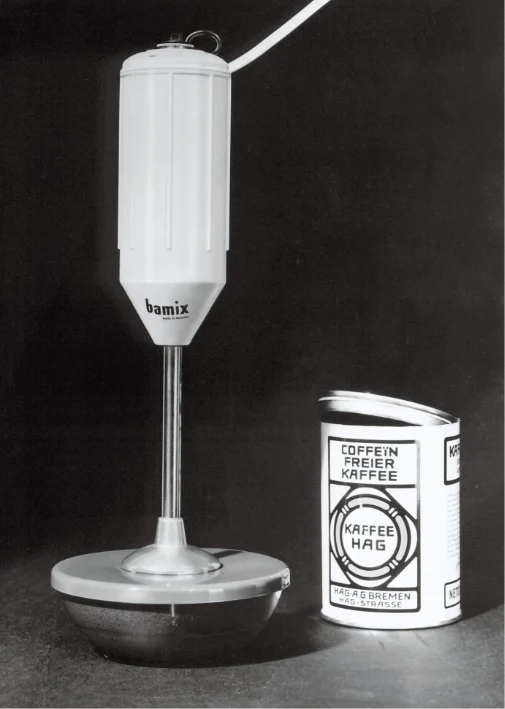
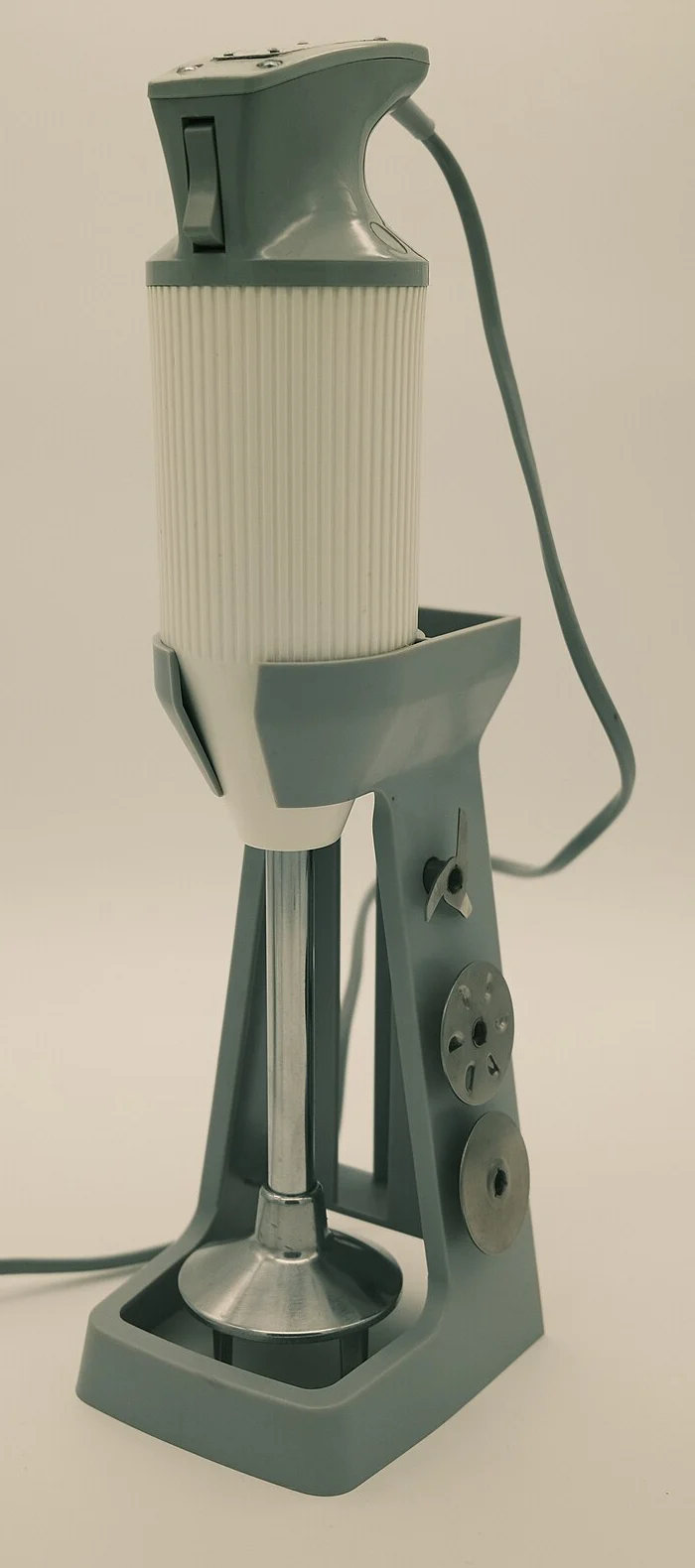
In 1961 the Danish designer Acton Bjørn and the Swedish Count Sigvard Bernadotte reshaped its housing; their M100, with a fluted body and a hooked grip, set the look for decades. Production gathered at Mettlen in Thurgau, which after 1971 became the only bamix factory, while the company passed from its founders to General Electric, to a Belgian distributor and to its managers.
The idea is now everywhere, and every appliance maker sells a stick blender. The bamix has kept to its own way of doing it: a motor that the company makes itself and guarantees for life, a closed blade guard that keeps the spatter down, and assembly by hand in Switzerland. The same blender is sold in Germany as the ESGE Zauberstab. By 2010 the Mettlen factory could turn out two thousand of them a day, and it still makes them there.
Timeline
- 1950 Designed Roger Perrinjaquet patents the first hand blender and names it bamix, from the French battre et mixer.
- 1954 First made · Claimed bamix hand blender enters production in Baden-Württemberg, Germany.
- 1961 Designed Acton Bjørn and Sigvard Bernadotte redesign the housing; the result is the M100.
- 1971 Production Walter Bodart buys ESGE AG and makes the Mettlen factory in Switzerland the only place the bamix is made.
Milestones as we found them, not as we've checked them.
From the archive

More like this
-
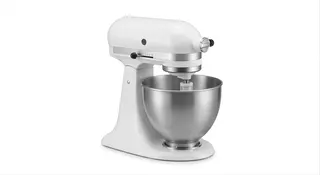 Mixers & Food Prep · since 1937 KitchenAid Tilt-Head Stand Mixer Egmont Arens's streamlined mixer of 1937, with a hub that still takes its first attachments.
-
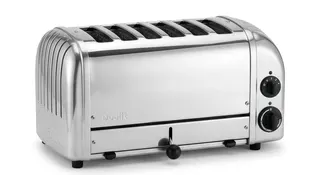 Toasters & Kettles · since 1952 Dualit 6 Slice Classic Toaster A caterer's toaster with a mechanical timer, first made in south London in 1952.
-
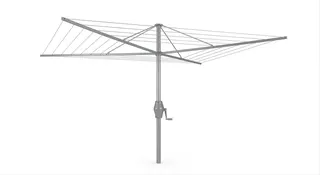 Laundry · since 1945 Hills Hoist Lance Hill's backyard clothes line of 1945, still wound up and down by hand in Australian gardens.
-
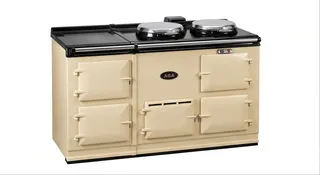 Cookers & Ovens · since 1929 AGA Cooker A blind Nobel laureate's iron stove, warm day and night since 1929.