Home & Furniture · Furniture · Chairs & Seating
Knoll / Barceloneta
Barcelona Chair
Since 1929 · 97 years to 2026 · First made in Berlin, Germany
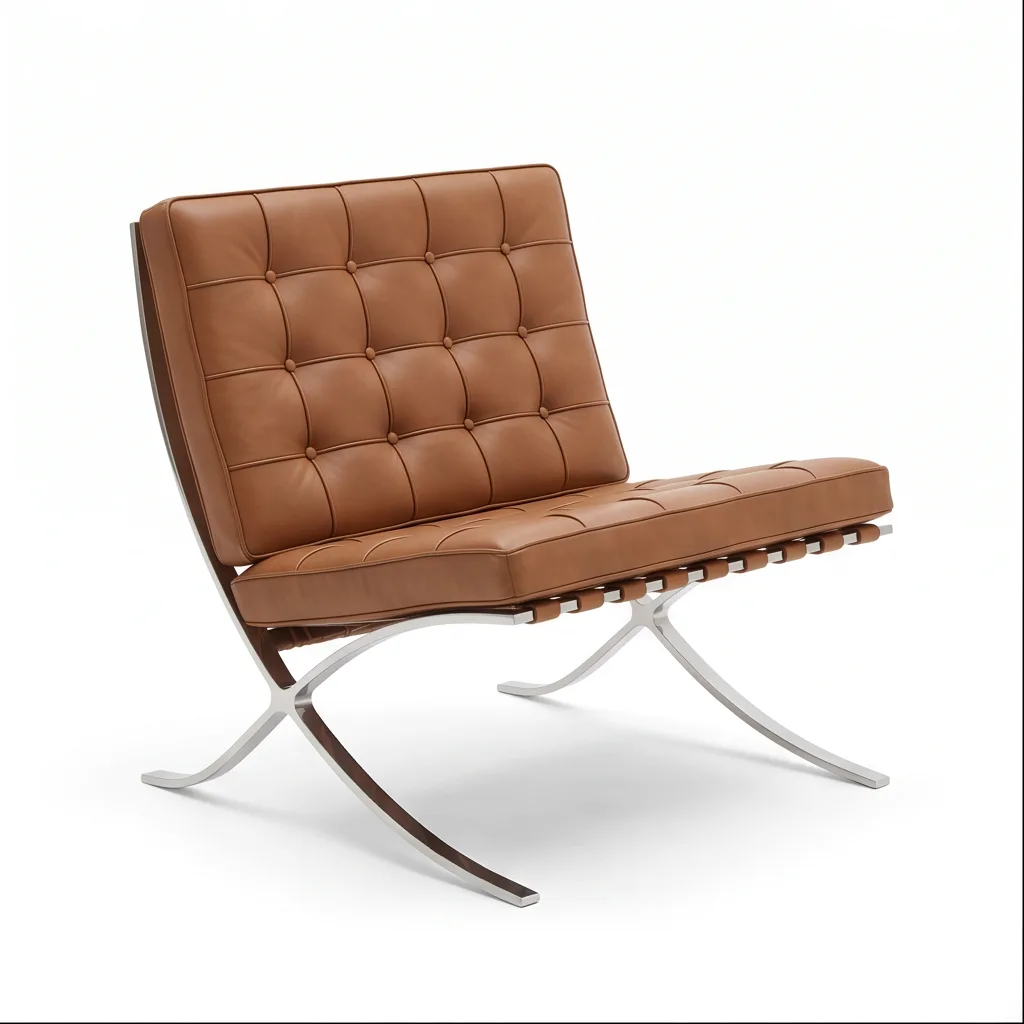
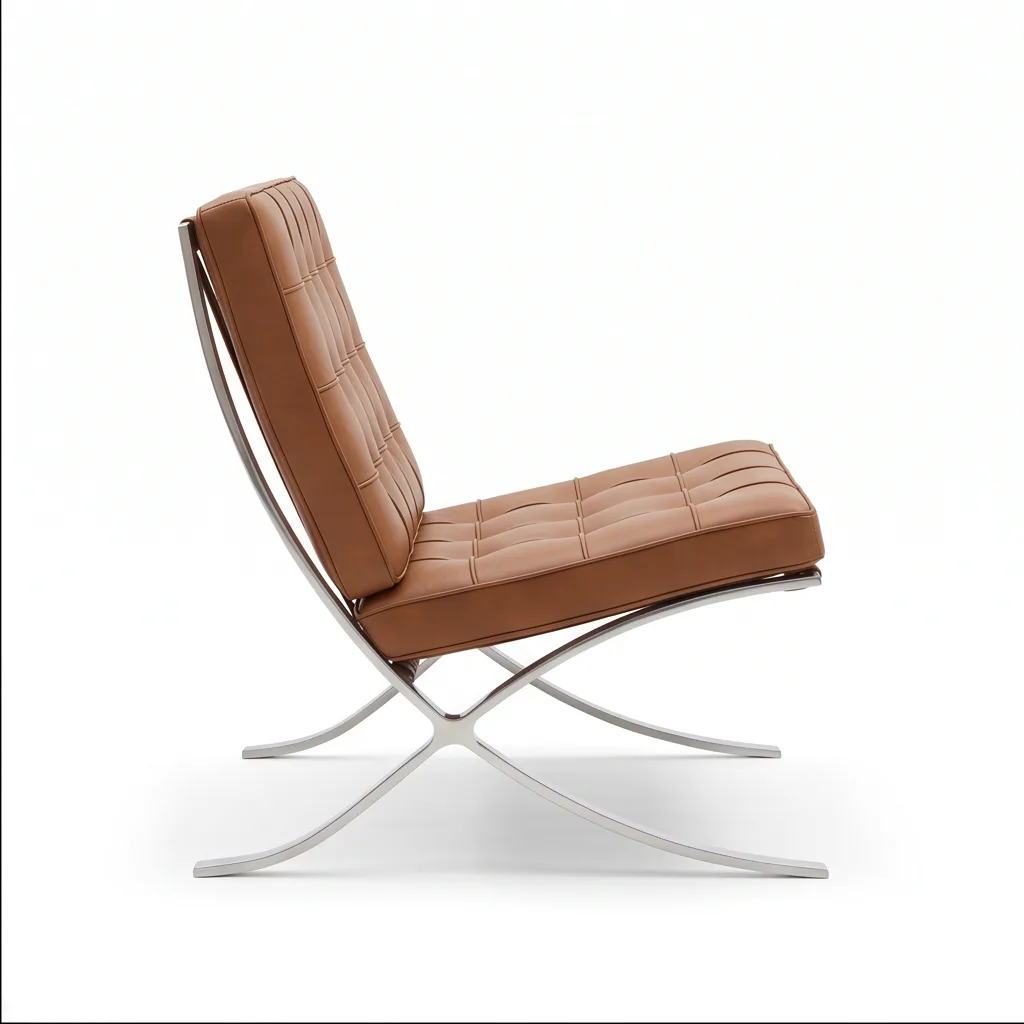
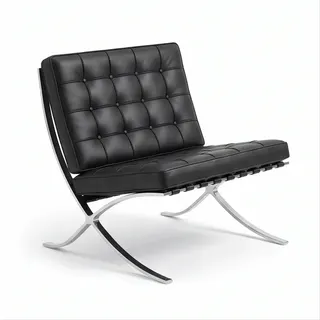
The Barcelona Chair stands as one of the twentieth century's most recognizable objects and a defining work of the modernist movement. Designed by Ludwig Mies van der Rohe and Lilly Reich for the German Pavilion at the 1929 International Exposition in Barcelona, the chair was conceived as a seat worthy of royalty—specifically for the King and Queen of Spain during the pavilion's inaugural ceremony. Mies approached the commission with characteristic rigor, reportedly drawing inspiration from the campaign chairs of Ancient Rome to create what he called an "important chair, a very elegant chair."

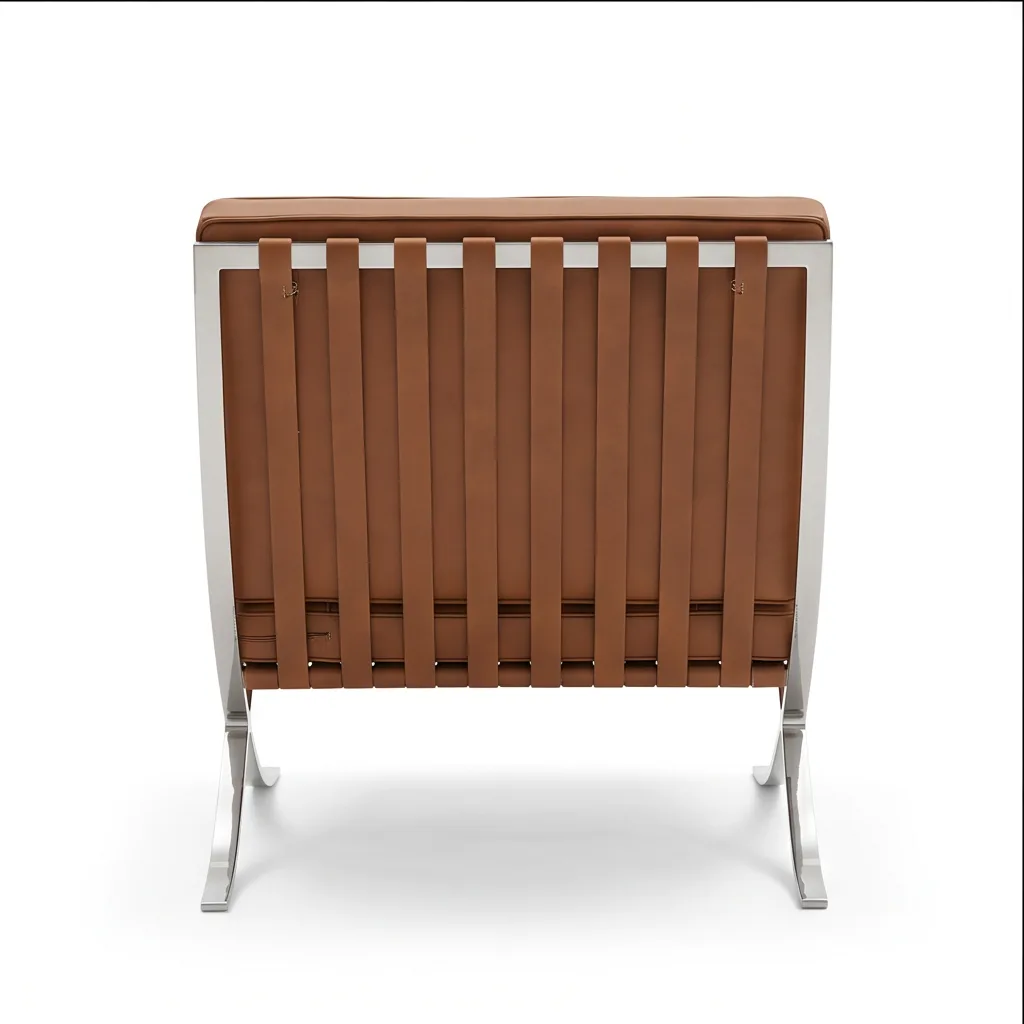
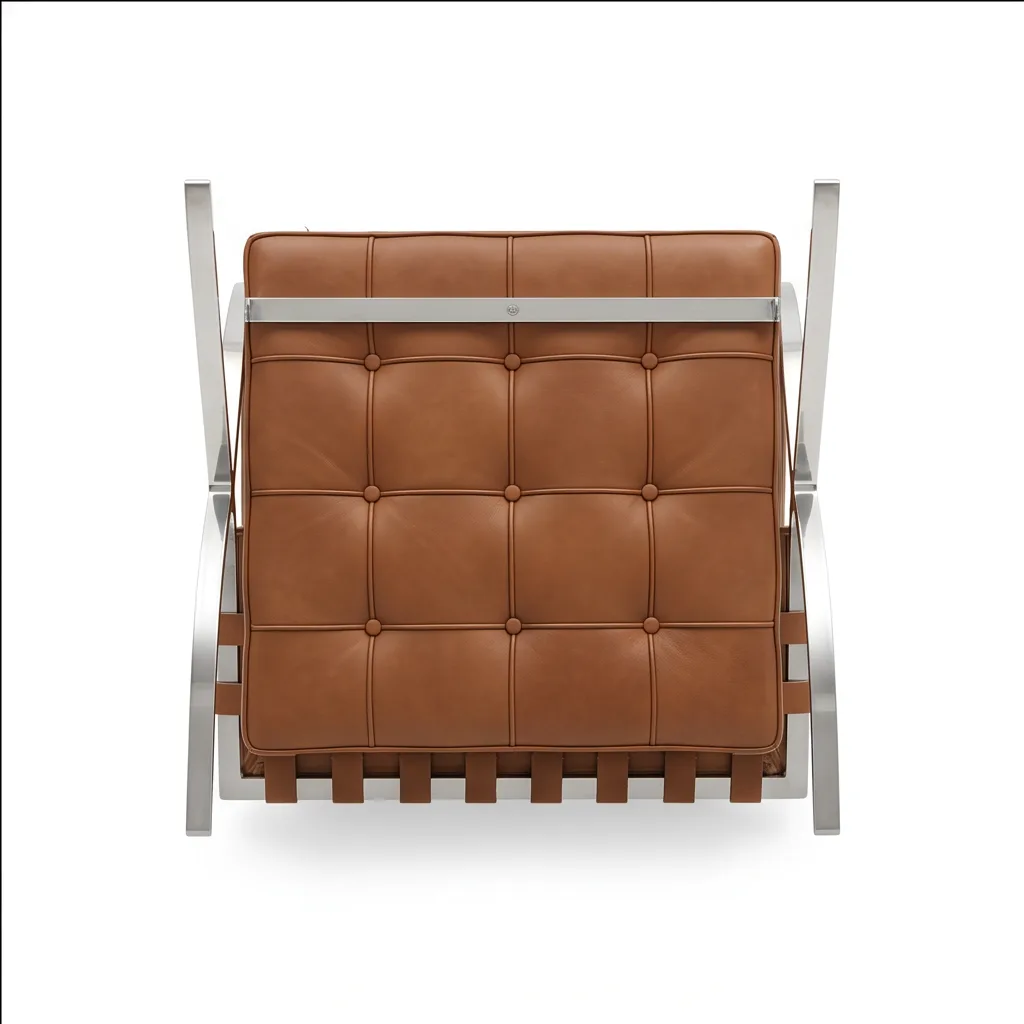
The design achieves its effect through disciplined restraint. The chair is supported on each side by two chrome-plated flat steel bars that intersect in a distinctive criss-cross pattern, with a single curve of the bar forming the chair's back and front legs crossing an S-curve forming the seat and back legs. This geometric simplicity derives from a long historical lineage of folding furniture, yet Mies elevated industrial-age materials to an unprecedented level of grace. The original chairs were upholstered in white kid leather with welt and button details, though later versions introduced bovine leather and refined cushioning techniques.

.jpg)
Although only two Barcelona chairs were made for the German Pavilion itself, the design entered production and has been manufactured continuously since 1929, with the exception of a sixteen-year interruption. Since 1964, Knoll Inc. has manufactured the chair in both chrome and stainless steel, with each piece almost entirely handcrafted and carrying a facsimile of van der Rohe's signature stamped into its frame. The Barcelona Chair remains a signature of the Knoll brand, built to Mies van der Rohe's exacting standards and available in a range of leathers and frame finishes. Its endurance reflects not merely historical reverence but the fundamental soundness of its proportions and the uncompromising quality of its execution.
Timeline
- 1929 First made · Verified Barcelona Chair enters production in Berlin, Germany.
- 1930 Released The Barcelona Chair is first offered for commercial sale.
- 1947 Production Knoll introduces chrome-plating and refined cushioning with tufted leather.
- 1950 Designed The frame is redesigned using stainless steel formed from a seamless piece of metal.
- 1953 Ownership Mies van der Rohe grants Knoll, Inc. exclusive manufacturing rights.
Milestone dates are taken from the production notes behind this entry and have not been checked separately.
From the archive


More like this
-
 Chairs & Seating · since 1929 Knoll Barcelona Chair Modernist icon in continuous production since 1929. Read the entry →
 -
 Chairs & Seating · since 1933 Artek Stool 60 Three-legged birch stool, unchanged since 1933. Read the entry →
 -
 Chairs & Seating · since 1950 Ercol Windsor Chair Steam-bent ash chair in continuous production since 1950. Read the entry →
 -
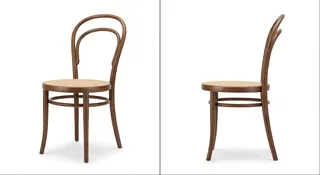 Chairs & Seating · since 1859 Thonet Model No. 14 Chair The world's first mass-produced chair, still made since 1859. Read the entry →