Home & Furniture · Furniture · Chairs & Seating
Thonet
Thonet Model No. 14 Chair
Since 1859 · 167 years to 2026 · First made in Austria
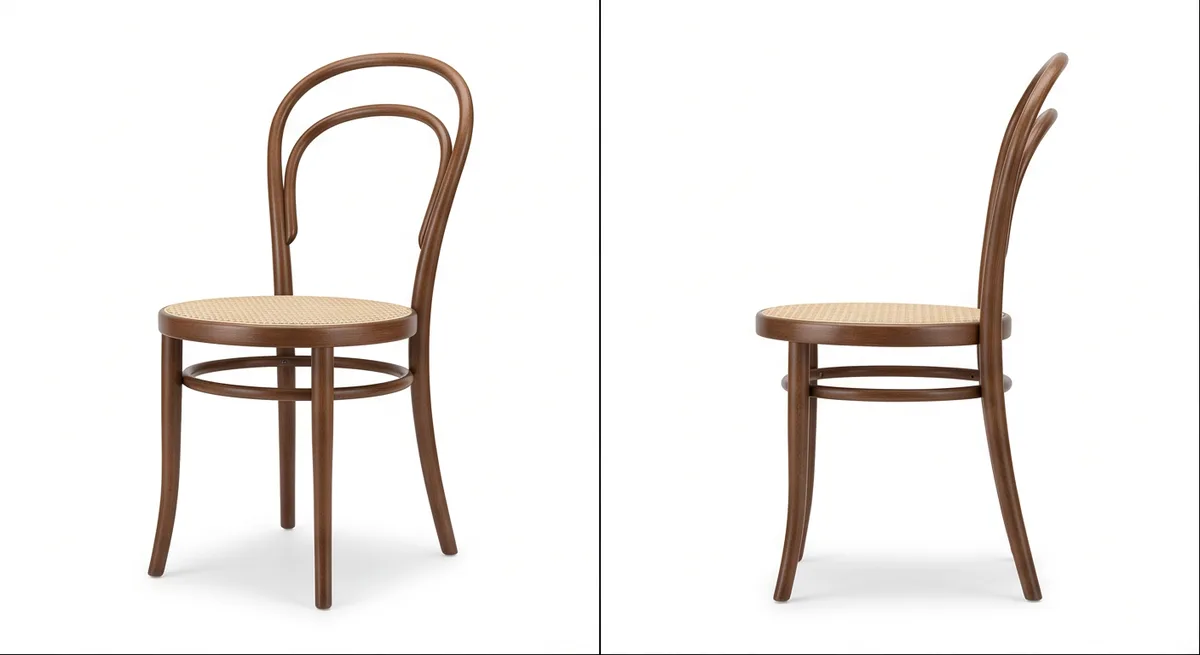
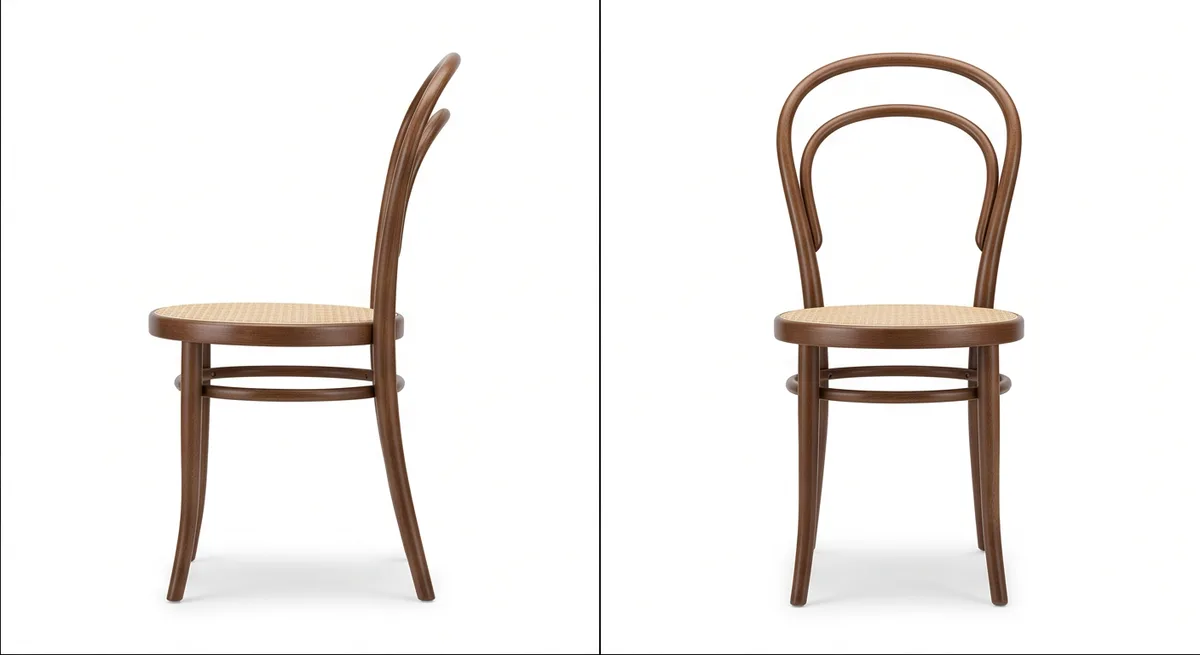
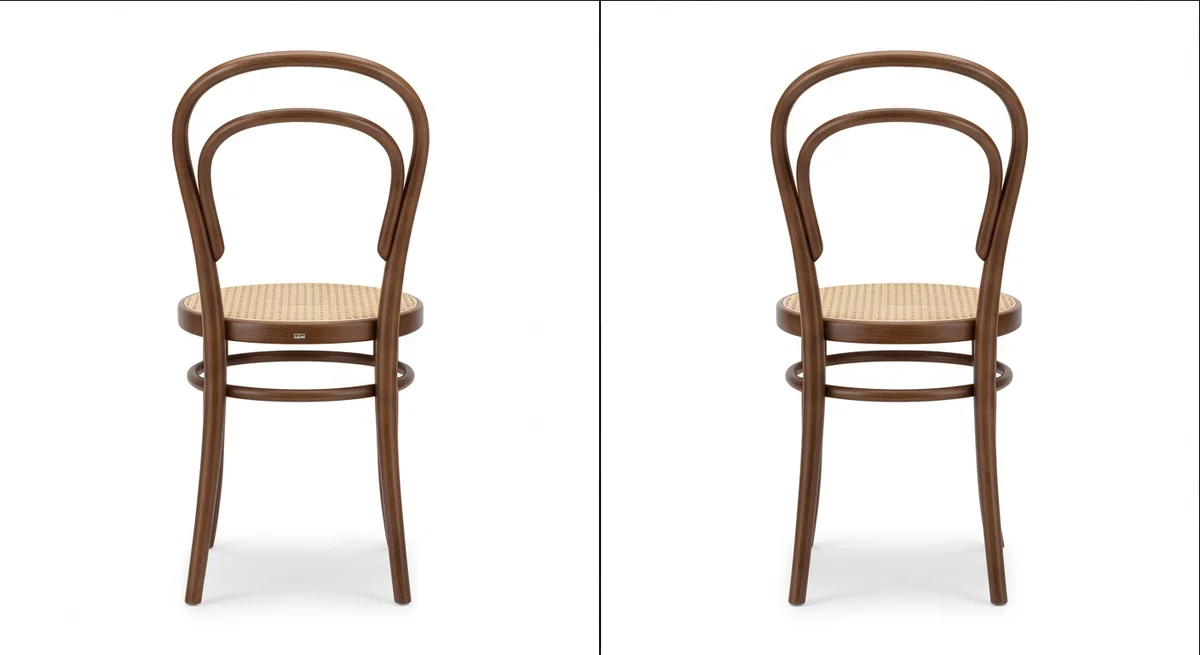
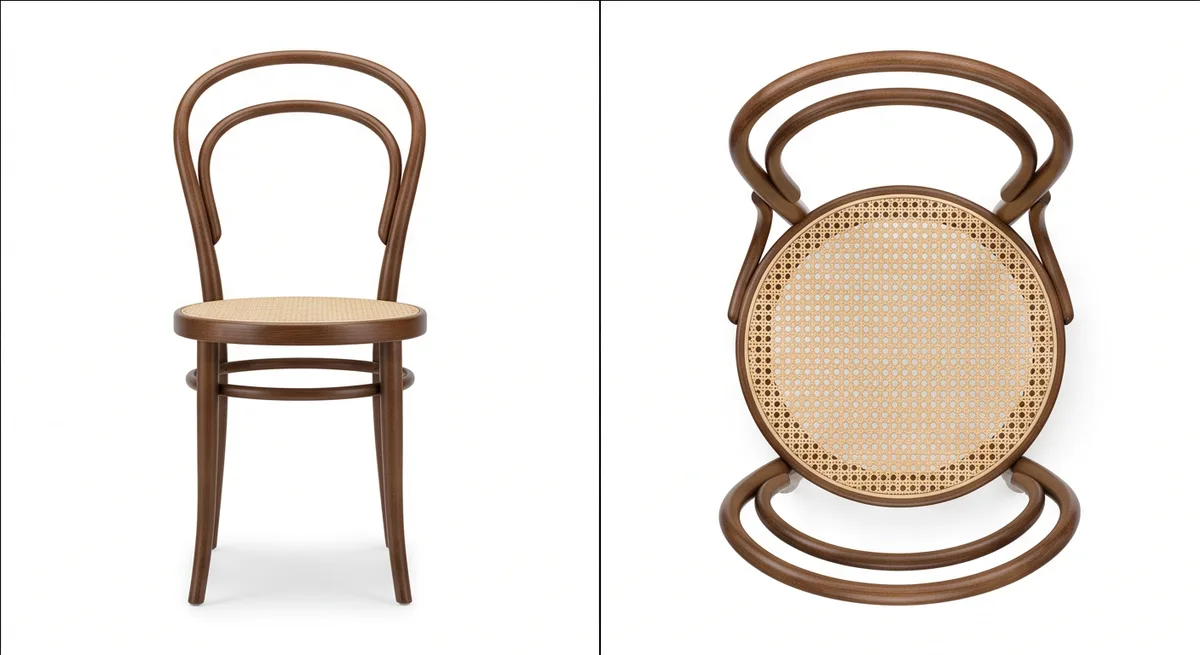
The No. 14 chair represents a watershed moment in design history: it was the first piece of furniture to be mass-produced in a factory. Designed by Michael Thonet in 1859, it comprises just six pieces of steam-bent beechwood, ten screws, and two nuts—a radical simplification that made industrial production possible. The wood was heated to 100°C, pressed into curved cast-iron moulds, and dried slowly over twenty hours, a technique Thonet had spent years perfecting. The result could be assembled by unskilled workers and disassembled into a compact form for shipping: thirty-six chairs fit into a single cubic metre box, a distribution innovation that enabled global reach.
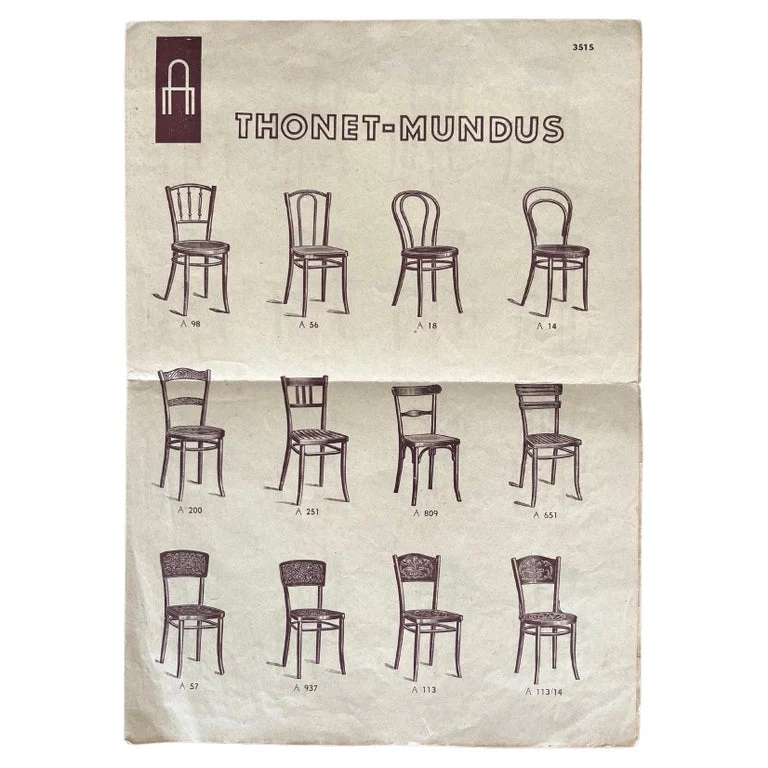
The chair was born from practical necessity. Cafés, restaurants, and hotels needed affordable, durable seating that could withstand heavy use and spilled liquids. Thonet's solution featured a woven cane or palm seat with drainage holes, and a structure refined to eliminate anything superfluous. The design was so economical that it became the cheapest of Thonet's offerings, yet its aesthetic—determined entirely by function and the properties of bent wood—proved timeless. By 1875, the company was producing over half a million No. 14s annually, shipping them across Europe and eventually to America.
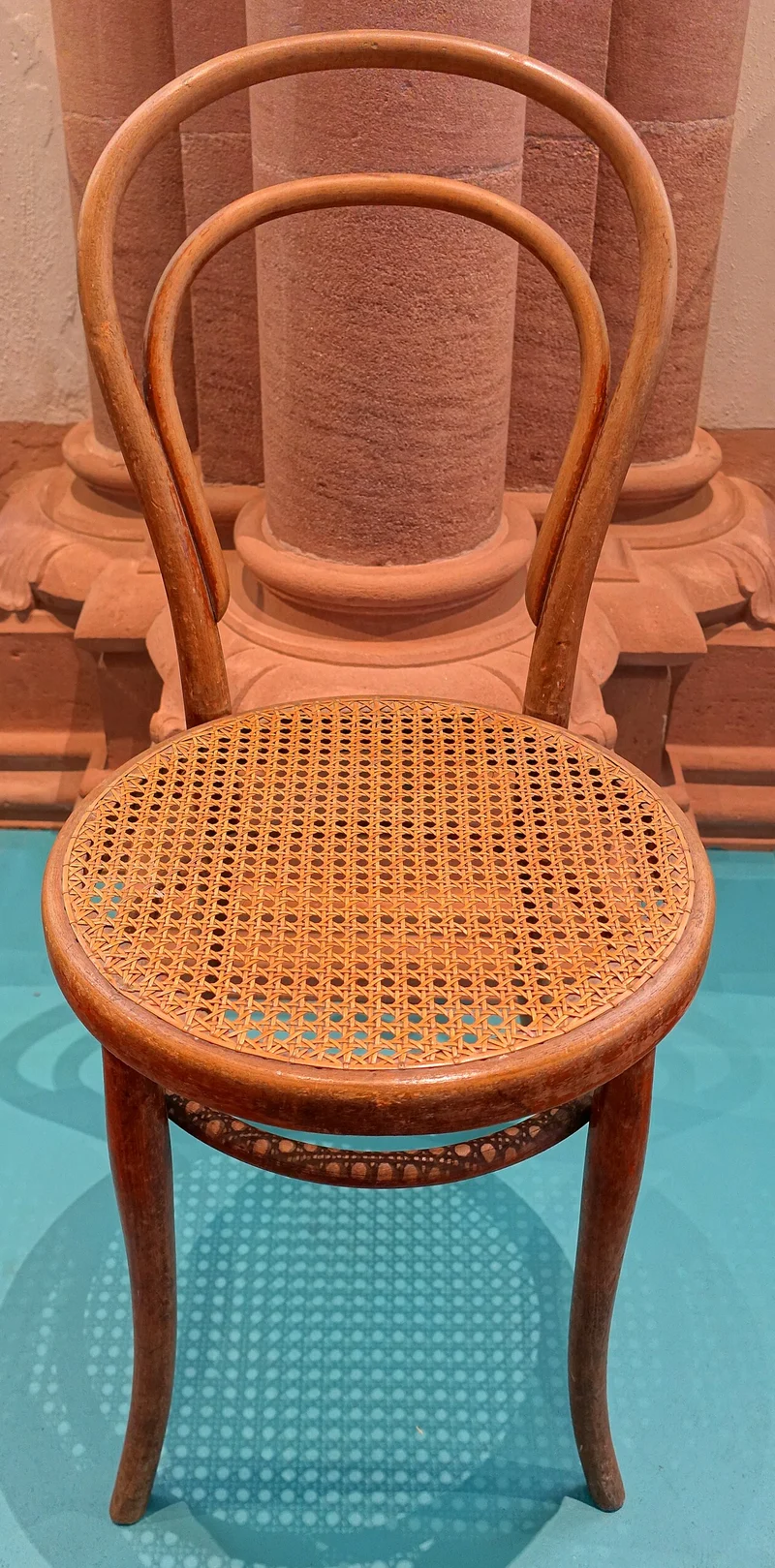

The chair's cultural ascent accelerated in the twentieth century. It won a gold medal at the 1867 Paris World Exposition and was championed by modernist architects including Le Corbusier, who declared it an object where "there is no way to improve it." Between 1859 and 1930, Gebrüder Thonet sold approximately fifty million examples. The chair became so ubiquitous that its originality risks being underestimated: it was the first object designed to meet industrial and functional needs before decorative ones, establishing principles that would define modern design.
More than 160 years later, the No. 14 remains in production, a testament to the sufficiency of its conception. Its longevity reflects both exceptional design and material durability: beechwood of high quality, properly maintained, can be repaired indefinitely. The chair has survived wars, economic upheaval, and radical shifts in taste—not through nostalgia, but because it continues to solve the problem it was made to solve.
Timeline
- 1859 First made · Verified Thonet Model No. 14 Chair enters production in Austria.
- 1867 Recognised The No. 14 chair wins a gold medal at the Paris World Exposition.
- 1889 Production Gebrüder Thonet founds a facility in Frankenberg, Germany.
- 1961 Released IKEA releases a plastic version of the No. 14 chair.
- 2009 Released Muji releases a redesigned version of the No. 14 chair by James Irvine.
Milestone dates are taken from the production notes behind this entry and have not been checked separately.
More like this
-
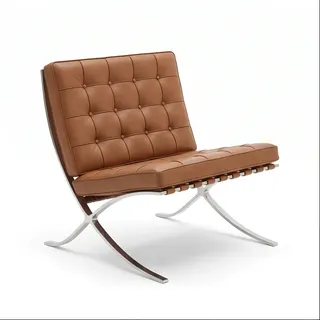 Chairs & Seating · since 1929 Barcelona Chair Modernist icon in continuous production since 1929. Read the entry →
 -
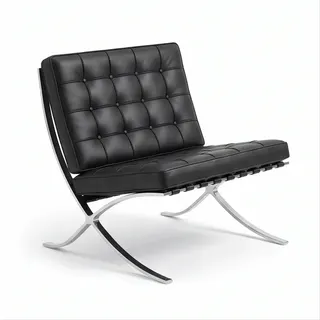 Chairs & Seating · since 1929 Knoll Barcelona Chair Modernist icon in continuous production since 1929. Read the entry →
 -
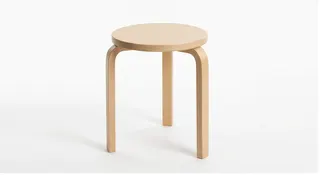 Chairs & Seating · since 1933 Artek Stool 60 Three-legged birch stool, unchanged since 1933. Read the entry →
 -
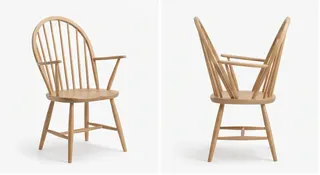 Chairs & Seating · since 1950 Ercol Windsor Chair Steam-bent ash chair in continuous production since 1950. Read the entry →