Kitchen & Dining · Cooking & Baking · Kitchen Utensils
Benriner
Benriner Classic
Since 1969 · 57 years to 2026 · First made in Iwakuni, Japan
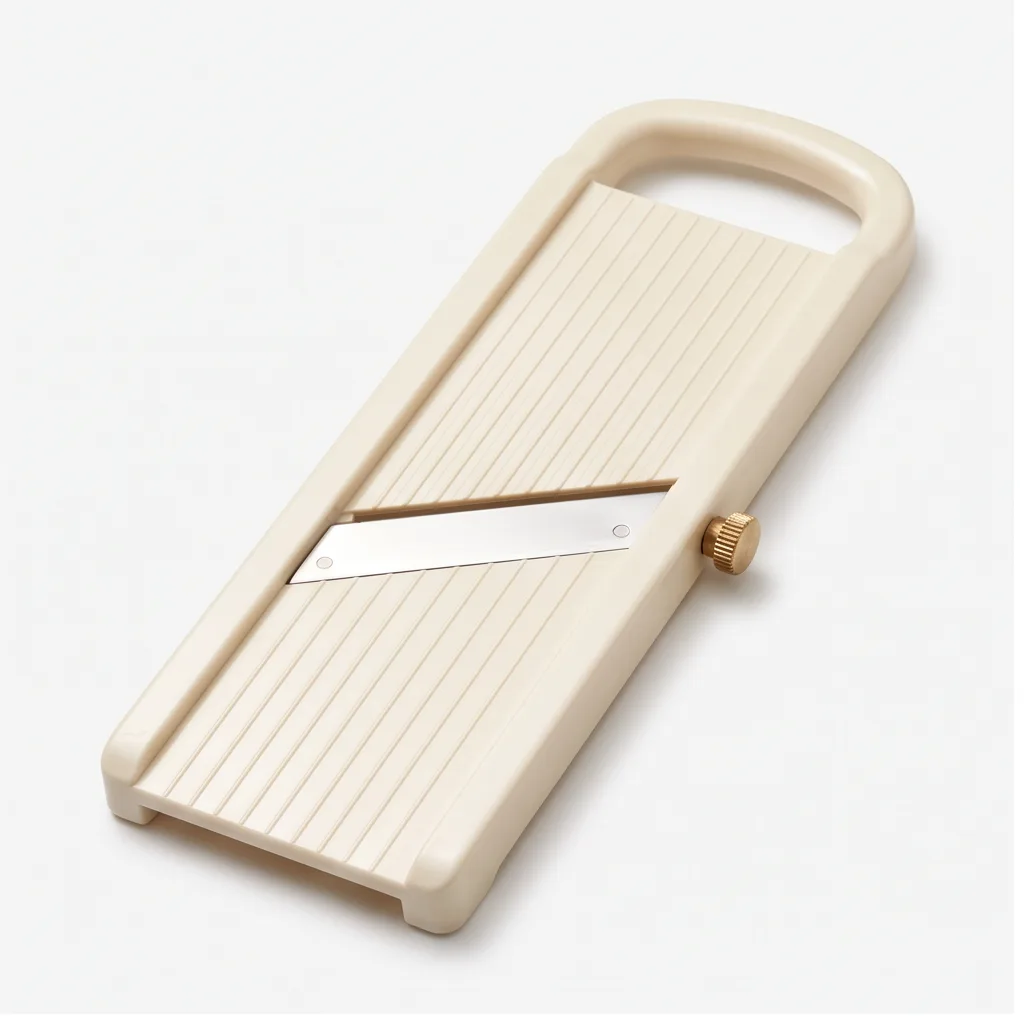
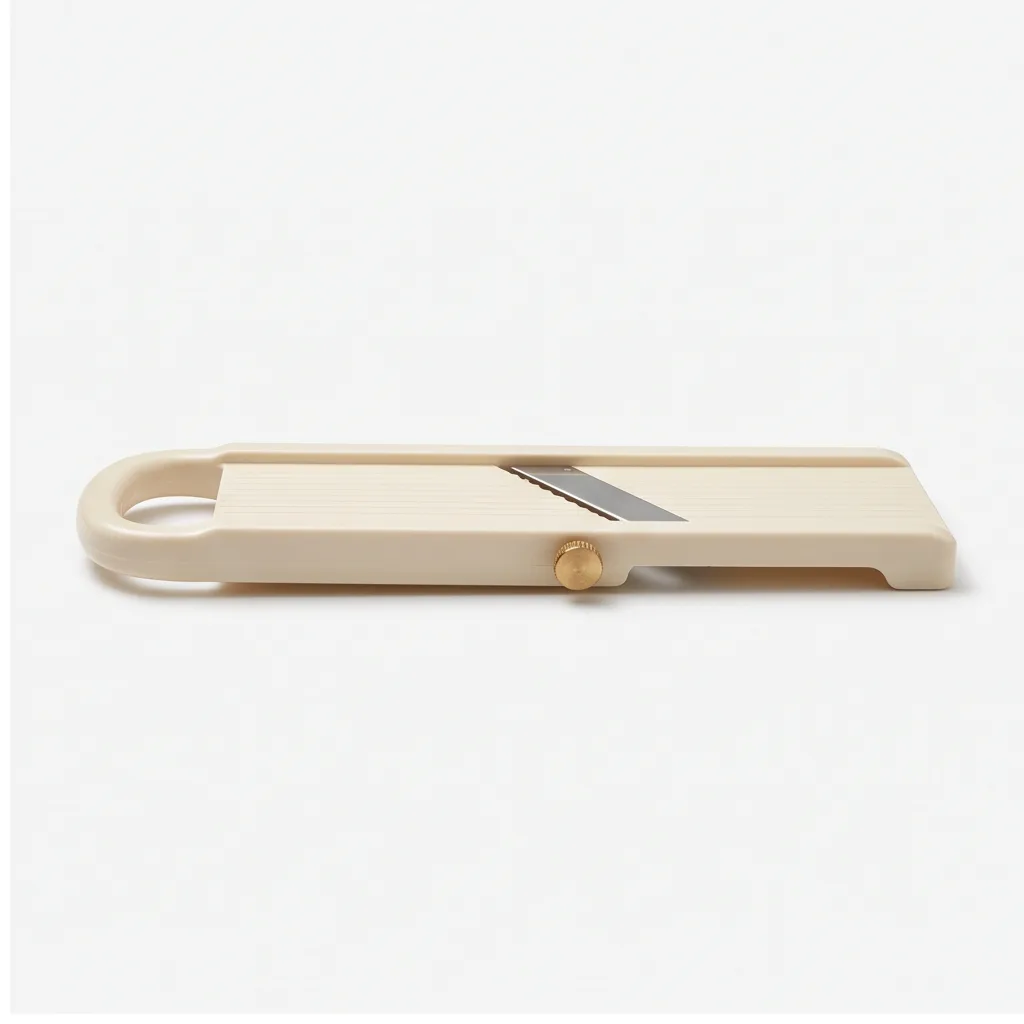
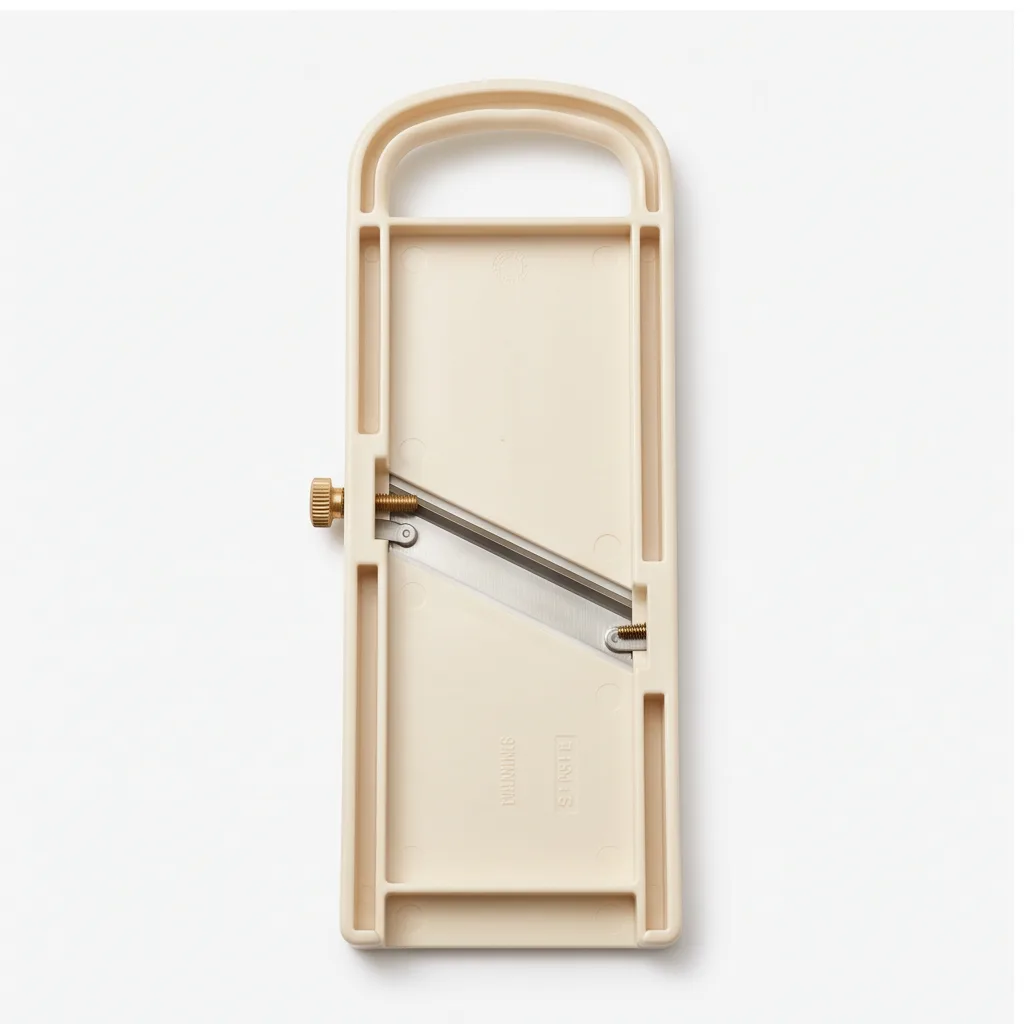
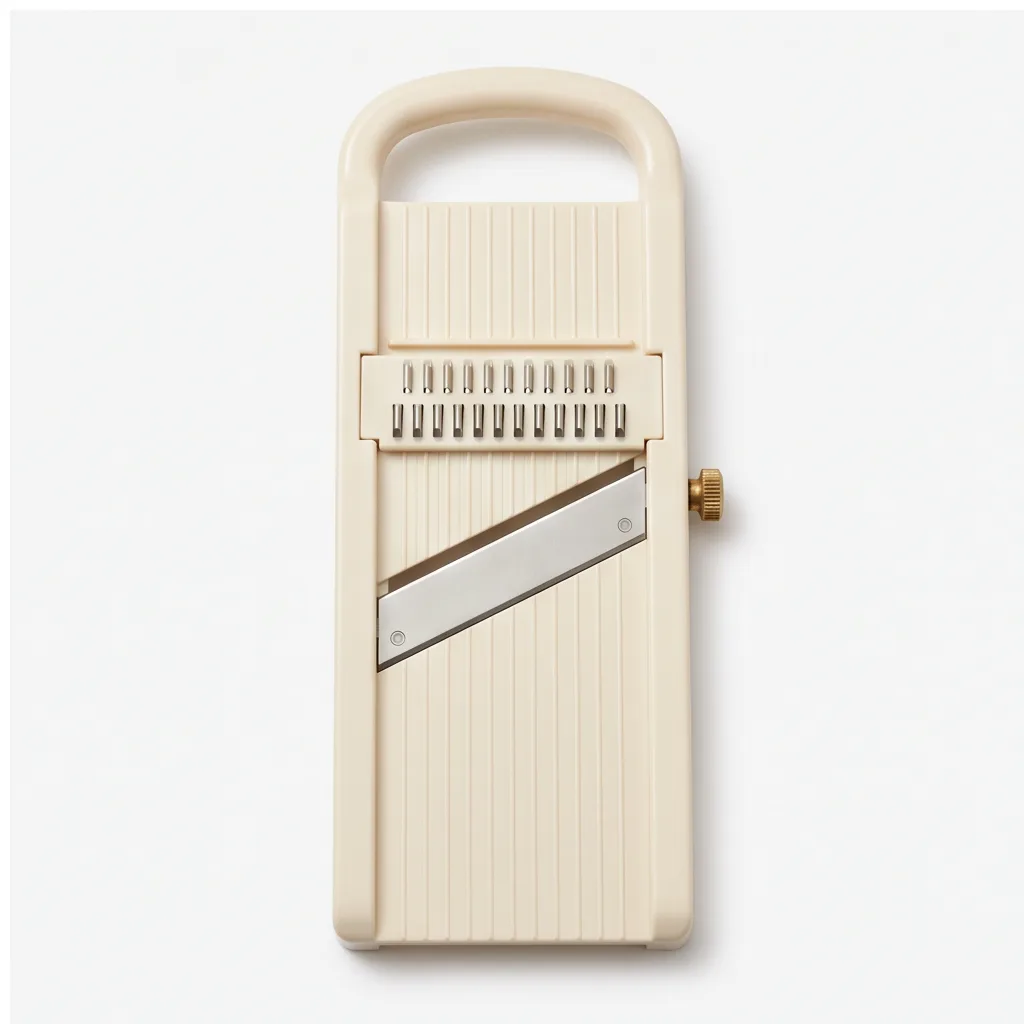
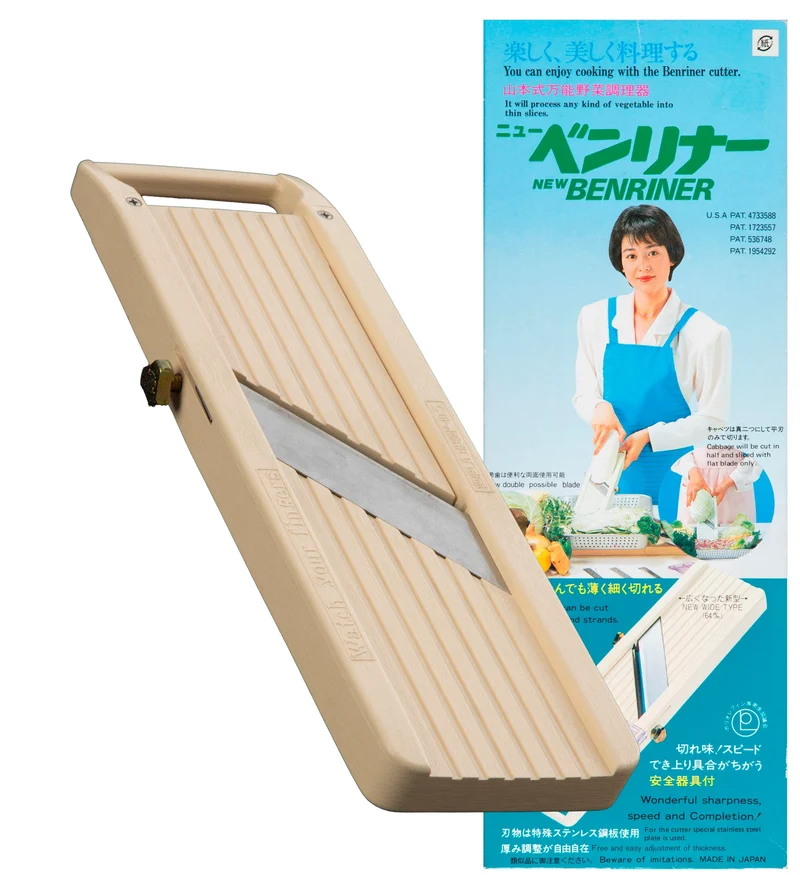
The Benriner Classic is a hand slicer for vegetables: a flat plastic board some 32 centimetres long and 11 wide, its deck ribbed lengthways to let the food slide, with a straight steel blade set diagonally across it. A screw at the side raises or lowers the deck to set the thickness of the slice. Three comb blades, fine, medium and coarse, slot in beside the main blade to cut matchsticks and threads, and a plastic holder grips the last of the vegetable so that the fingers stay clear. It is made in ivory or green.
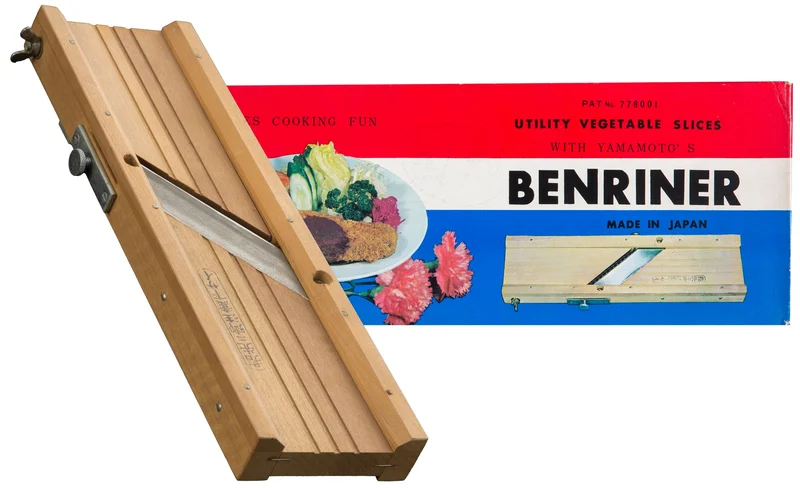
Its maker, Benriner of Iwakuni, traces it to a radish cutter devised by its founder, Uyuki Yamamoto, for cutting the fine strands of daikon served with raw fish. When he did so is uncertain: the company's own accounts have said 1934 and 1940, and Japanese Wikipedia says 1950. The early Benriners were framed in magnolia wood and sold mainly to inns and restaurants, and one surviving box offers them abroad as 'Yamamoto's Benriner'.
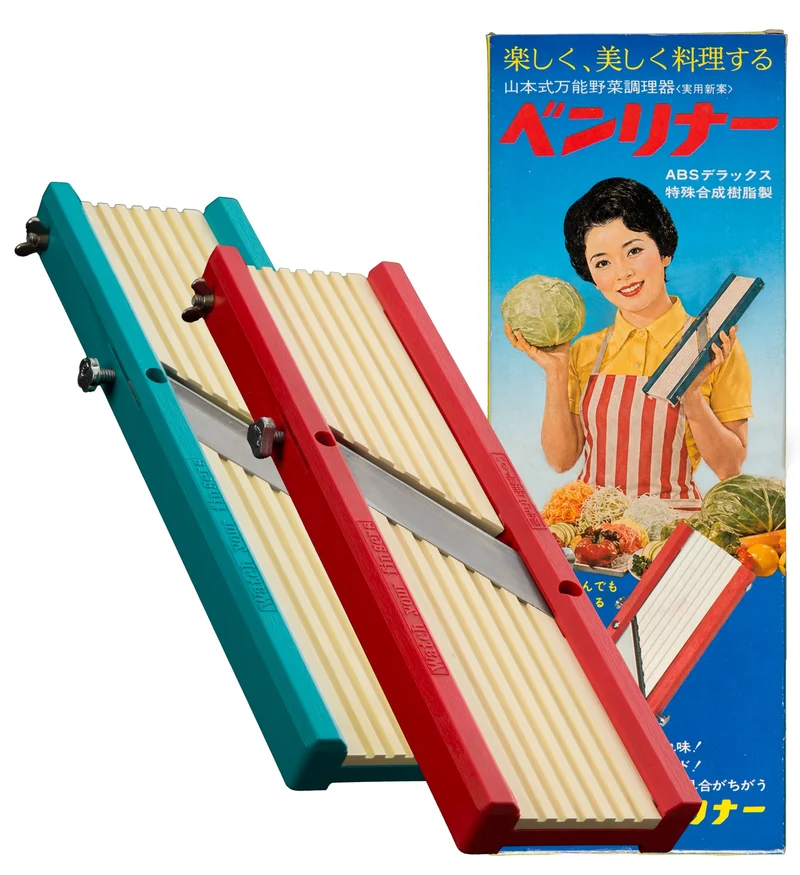
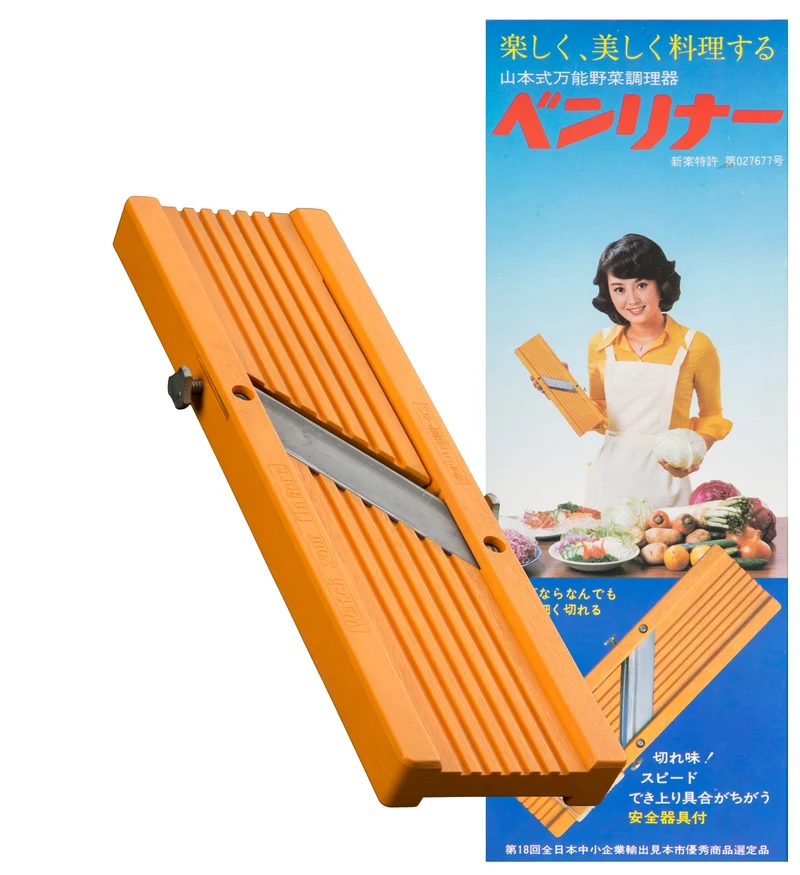
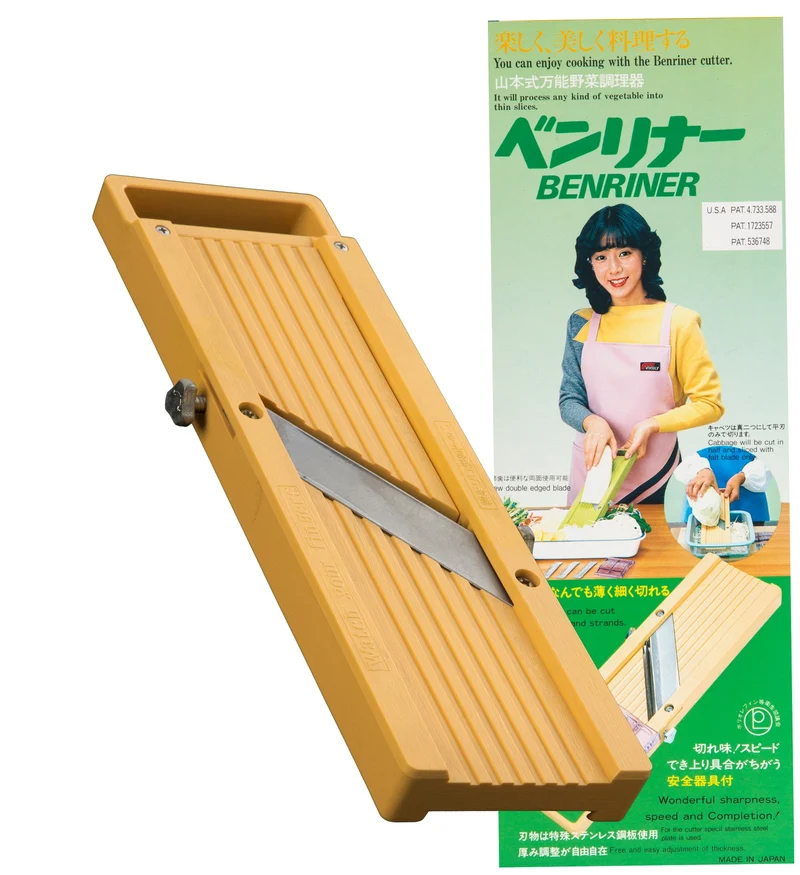
In 1969, when the wood had grown scarce, the frame was moulded in plastic, and the Benriner began to find its way into home kitchens. Its boxes showed a smiling cook and promised that cooking could be pleasant and beautiful. A holder to protect the fingers came in 1973; in 1992 the corners were rounded and the colours softened to ivory and pastel, and the slicer travelled abroad under a borrowed name, the Japanese mandoline.
Benriner now makes wider and more elaborate versions, with dials, non-slip feet and decks of 95 and 120 millimetres. The Classic keeps the original 64 millimetre deck and the screw. It is still made in Iwakuni, where the company says the blades are ground and finished by hand, and it is still what it was in 1969: a ribbed board, a blade and a screw.
Timeline
- 1969 First made · Claimed Benriner Classic enters production in Iwakuni, Japan.
- 1973 Designed A safety holder for the vegetable is added, and a version with a catch tray is offered.
- 1992 Designed The frame is given rounded edges and the colours change to ivory and pastels; abroad it becomes known as the Japanese mandoline.
- 2011 Production Benriner moves into a new head-office factory at Tada in Iwakuni, where blades are still finished by hand.
Milestones as we found them, not as we've checked them.
From the archive
More like this
-
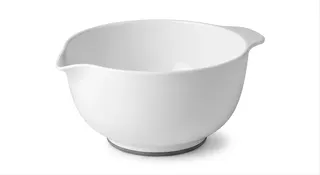 Kitchen Utensils · since 1950 Rosti Margrethe Bowl A melamine mixing bowl drawn from a survey of Danish housewives and named, with royal permission, after a 13-year-old princess. Read the entry →
 -
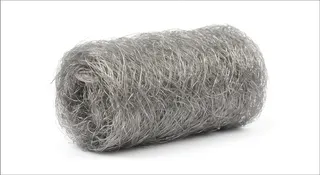 Kitchen Utensils · since 1948 Bombril A roll of fine steel wool from São Paulo, made since 1948 to keep aluminium pans bright. Read the entry →
 -
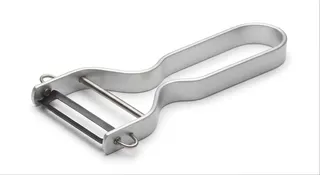 Kitchen Utensils · since 1947 Rex Peeler The first peeler with its blade across the handle, pressed from one strip of aluminium in Switzerland since 1947. Read the entry →
 -
 Kitchen Utensils · since 1925 Bjørklund Cheese Slicer A joiner's plane turned round for the breakfast table, made in Gudbrandsdalen since 1925. Read the entry →