Kitchen & Dining · Cooking & Baking · Kitchen Utensils
Rosti
Rosti Margrethe Bowl
Since 1950 · 76 years to 2026 · First made in Denmark
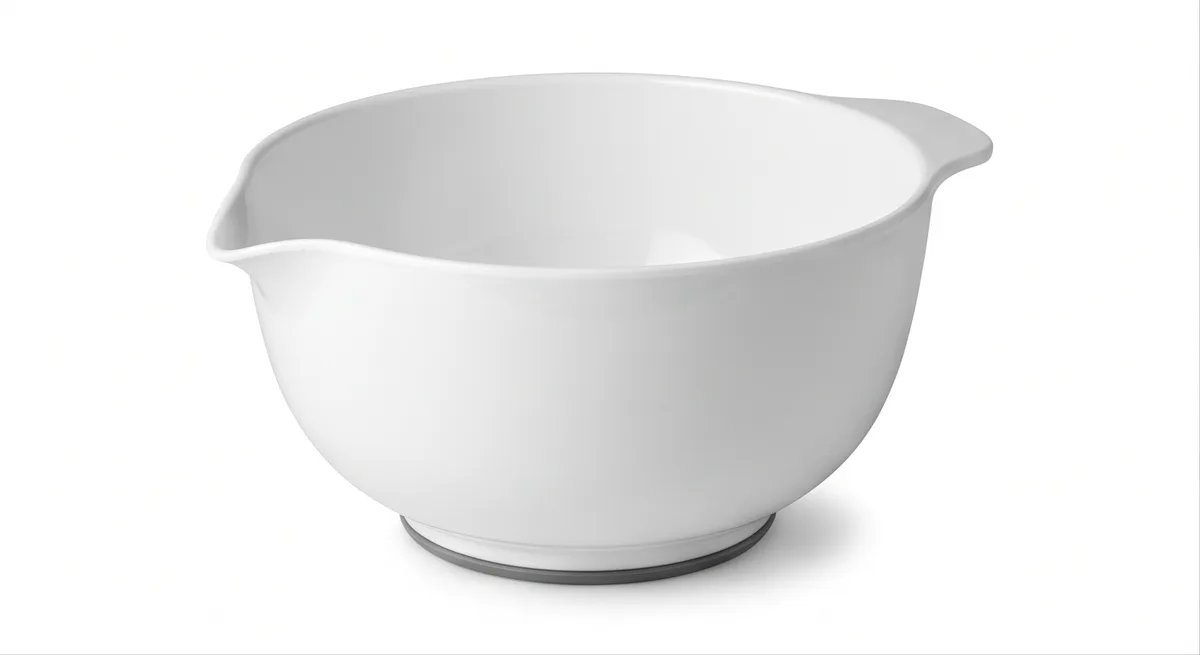
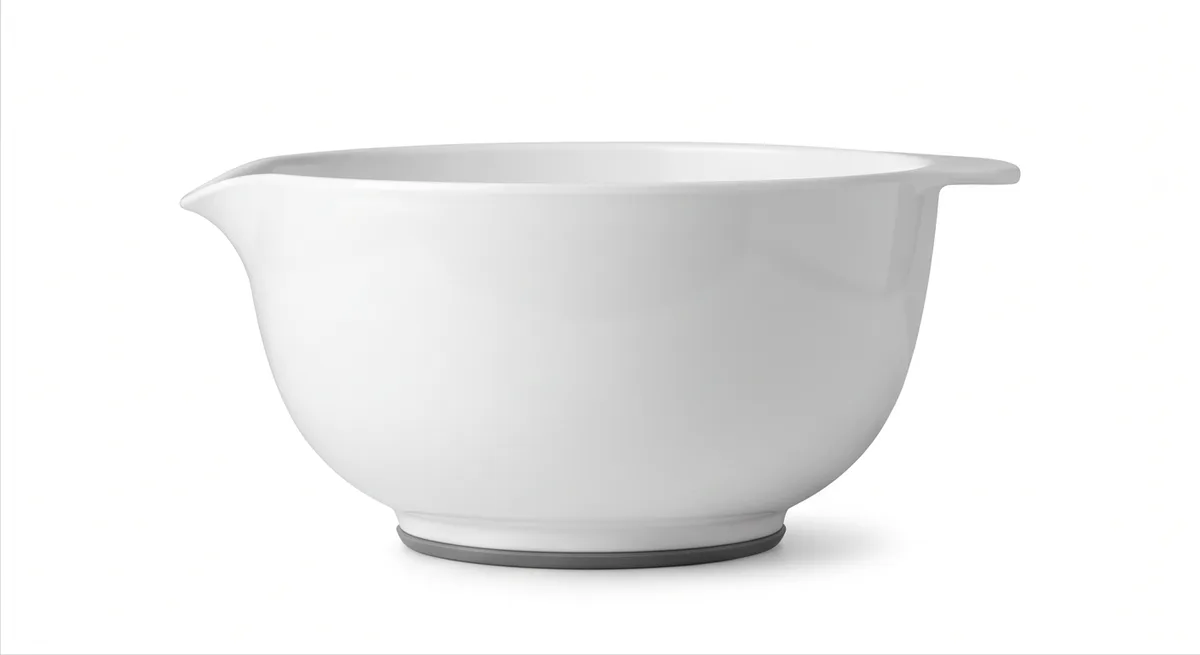
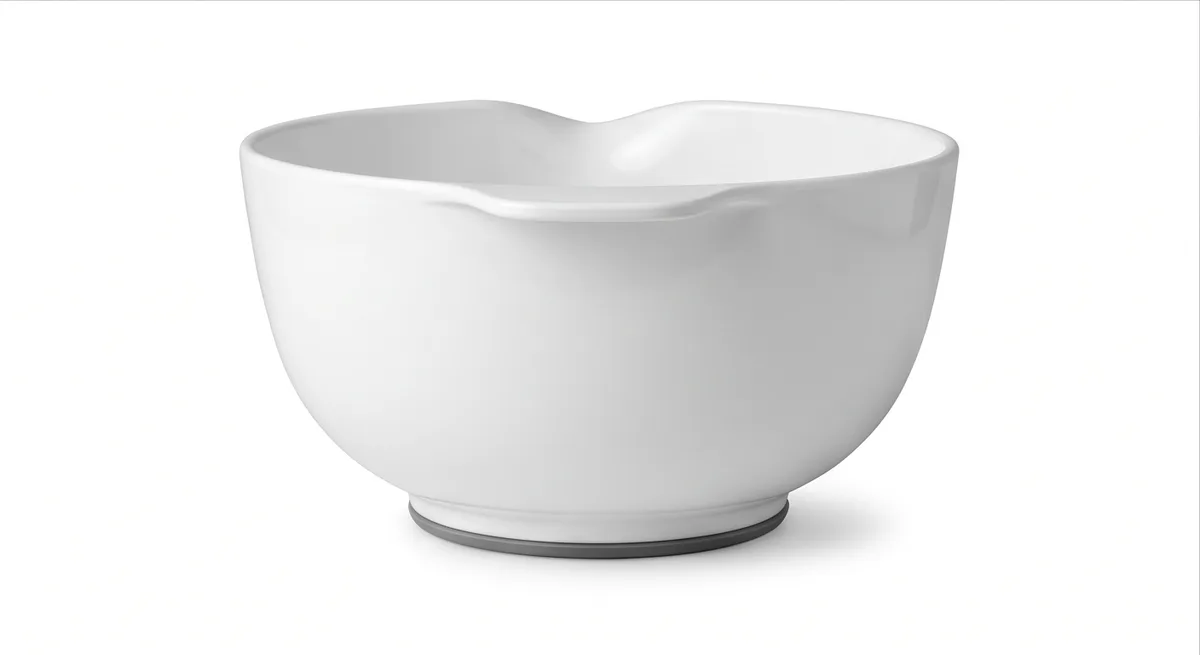
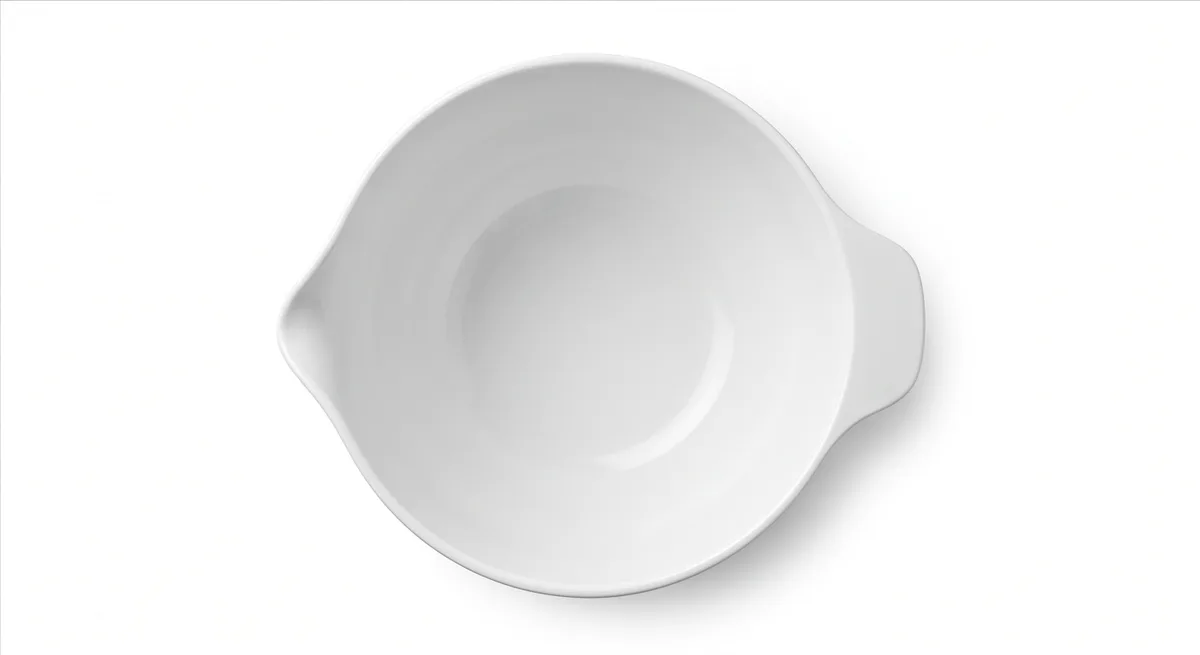
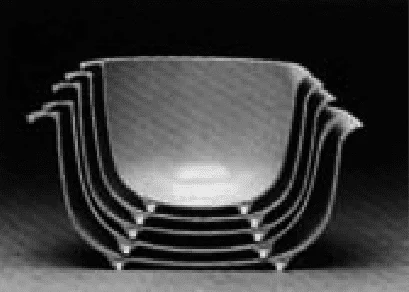
The Margrethe bowl is a mixing bowl moulded in melamine, deep and rounded, with a broad pouring lip on one side and a thickened grip opposite it. The wall curves out from a narrow foot and turns in slightly at the rim, so that the bowl can be held at an angle and its contents whisked without spilling. A rubber ring set into the base stops it sliding on the worktop. The 3 litre size shown here was one of the original three.
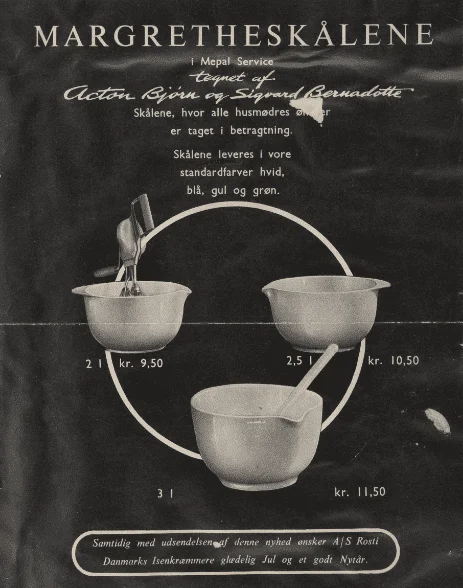
Its brief came from a survey. In 1947, by Rosti's account, the young Danish firm bought every kind of mixing bowl it could find and asked housewives what was wrong with them; they wanted a bowl spacious enough to stir in, high enough not to splash, with a lip to pour from and something to hold. Rosti took the brief to Acton Bjørn and Sigvard Bernadotte, whose Copenhagen office was one of the first industrial design studios in Scandinavia. The firm dates the bowl's introduction to 1950; other accounts give dates up to 1955.
The name came later. In 1953 a change in the Danish law of succession made Princess Margrethe heir to the throne, and Bernadotte, her uncle, asked the court whether the bowl might carry her name. Permission was given, and at Christmas 1954 the Margretheskål went on sale in three sizes and four colours. A rubber ring in the base and a range of lids followed in the 1960s.
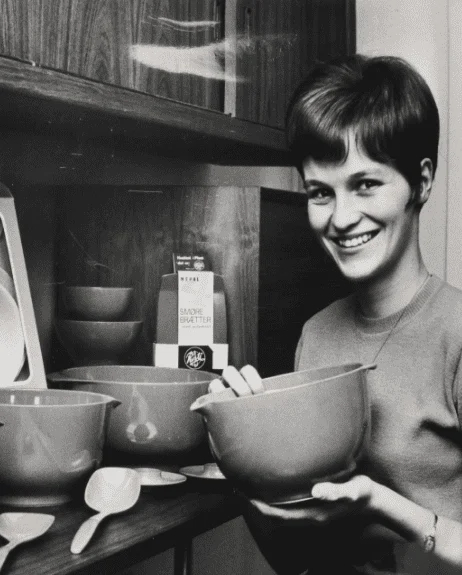
The bowl has outlasted several owners: the shipping group A.P. Møller-Mærsk from 1971, the Dutch housewares firm Mepal from 2010, and the Danish F&H Group since 2019. It has appeared on a Danish stamp and been shown at the Museum of Modern Art in New York, according to its maker, which reckons that more than 25 million have been sold. The melamine bowl is still made, now in colours its designers never offered, beside versions in other materials.
Timeline
- 1950 First made · Disputed Rosti Margrethe Bowl enters production in Denmark.
- 1954 Designed With the Danish court's permission the bowl is named after Princess Margrethe and launched for Christmas in 2, 2.5 and 3 litre sizes.
- 1971 Recognised Rosti is bought by A.P. Møller-Mærsk, and the bowl wins the Danish ironmongers' design prize.
- 2019 Ownership After nine years with the Dutch firm Mepal, Rosti's housewares division passes to the Danish F&H Group.
Milestones as we found them, not as we've checked them.
From the archive
More like this
-
 Kitchen Utensils · since 1948 Bombril A roll of fine steel wool from São Paulo, made since 1948 to keep aluminium pans bright. Read the entry →
 -
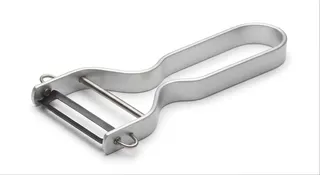 Kitchen Utensils · since 1947 Rex Peeler The first peeler with its blade across the handle, pressed from one strip of aluminium in Switzerland since 1947. Read the entry →
 -
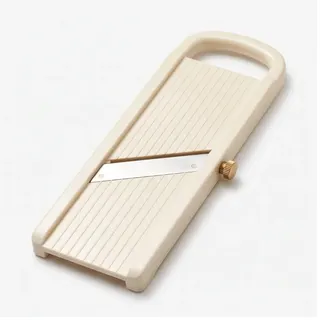 Kitchen Utensils · since 1969 Benriner Classic The Japanese mandoline: a plastic slicing board from Iwakuni, made since 1969. Read the entry →
 -
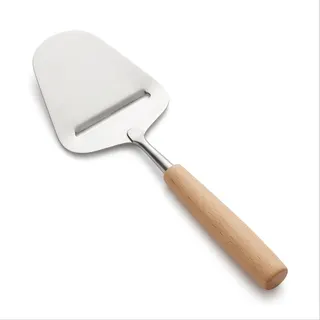 Kitchen Utensils · since 1925 Bjørklund Cheese Slicer A joiner's plane turned round for the breakfast table, made in Gudbrandsdalen since 1925. Read the entry →