Health & Grooming · Remedies · Balms & Ointments
G. D. Pharmaceuticals
Boroline
Since 1929 · 97 years to 2026 · First made in Calcutta (Kolkata), India
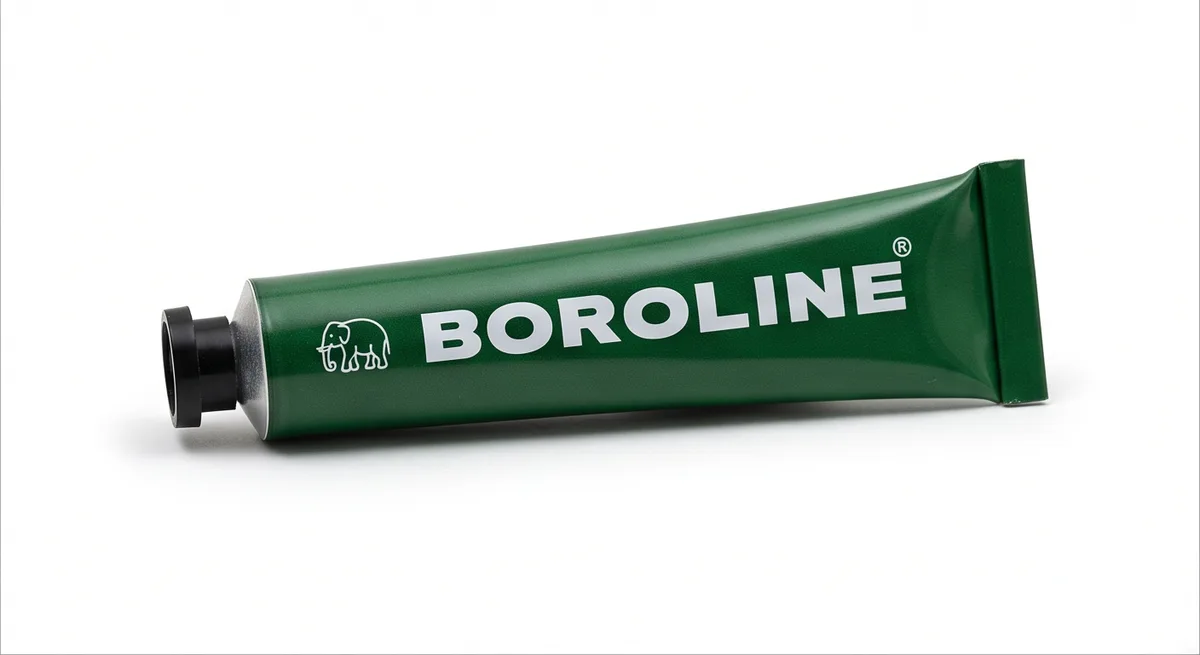
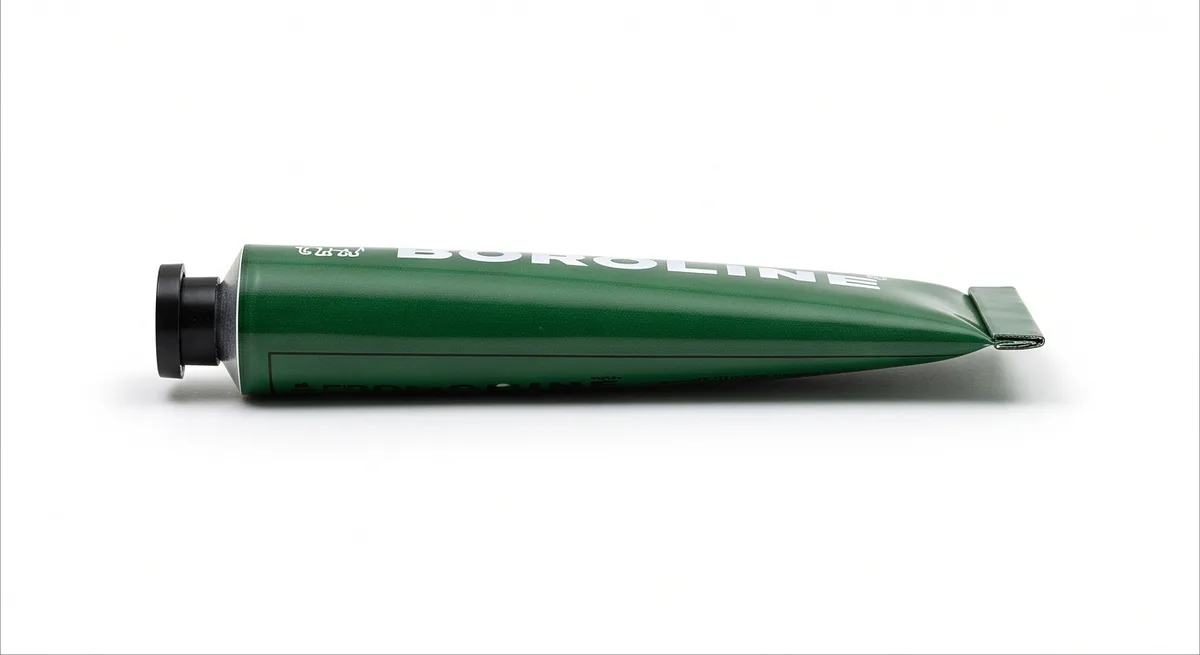
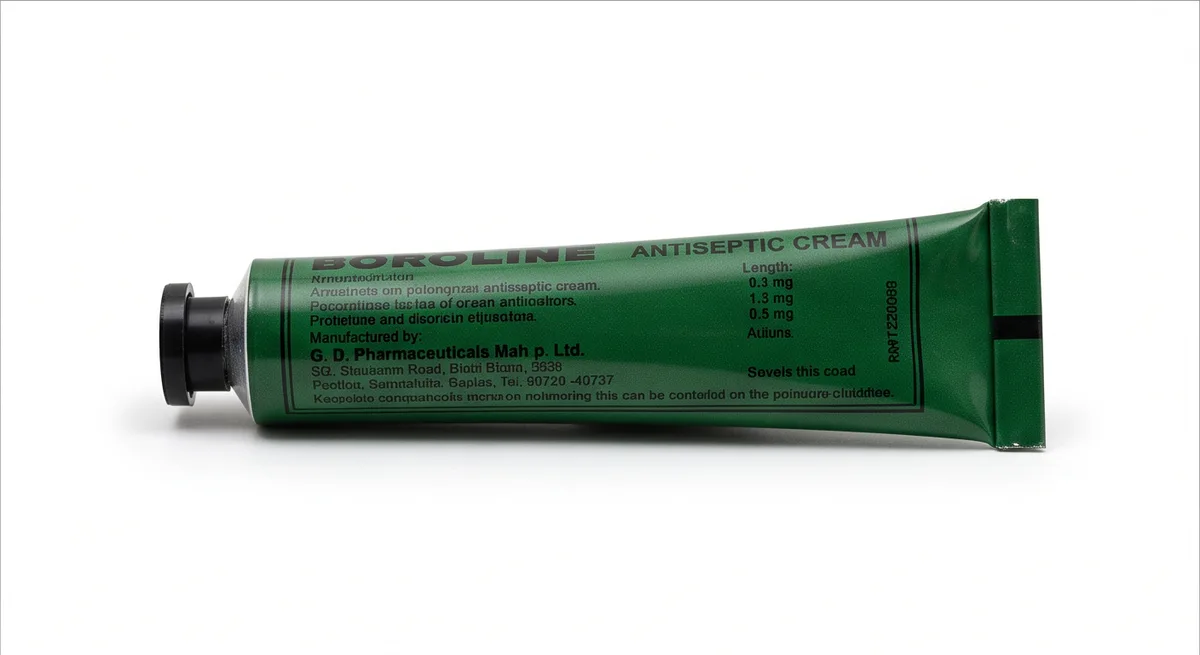
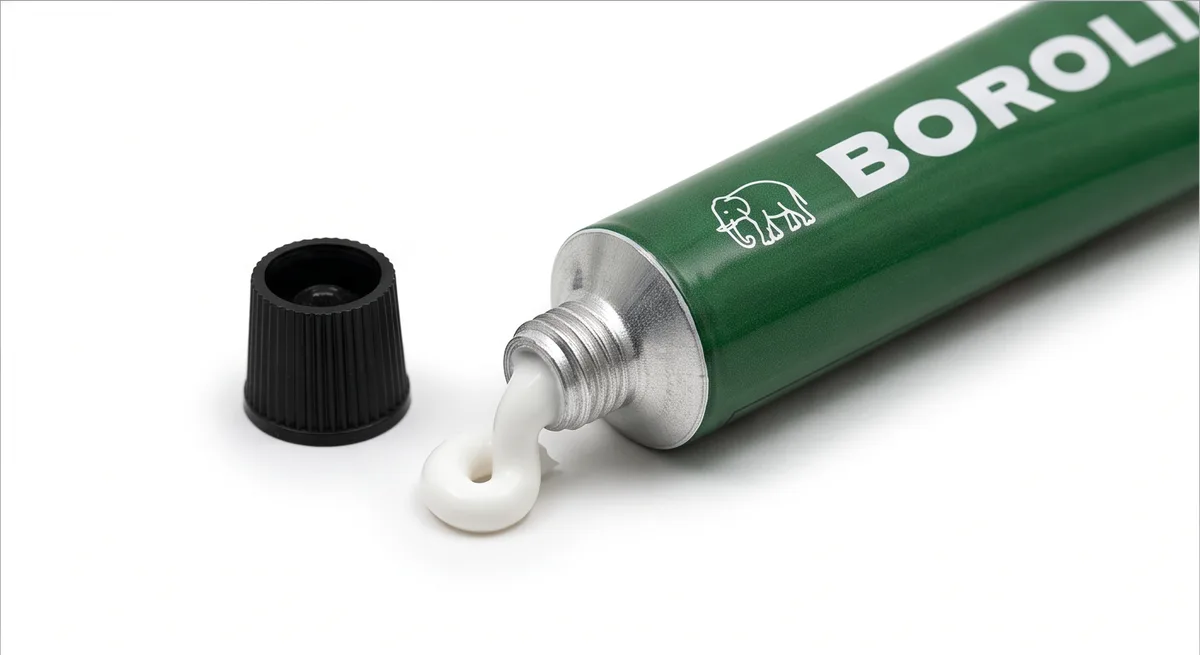
Boroline is a thick, faintly scented white cream sold in a slim bottle-green tube with a black cap, marked with an elephant. It is an antiseptic: a mixture of boric acid, zinc oxide and an emollient base, rubbed into cracked lips and heels, chapped hands, small cuts and rashes. In eastern India it is kept in almost every household, and Bengalis joke that it will cure anything.
It was the work of Gour Mohan Dutta, a Calcutta merchant who made his living importing English cosmetics until the Swadeshi movement, the campaign to replace British goods with Indian ones, turned him to making his own. In 1929, with advice, the company says, from the chemist Prafulla Chandra Ray, he began mixing the cream at home with his wife, Kamala Bala, filling small tins for his shop in Burrabazar. He called it Boroline, from boric acid and the Latin oleum, oil, and chose the elephant as its mark for strength and good fortune.
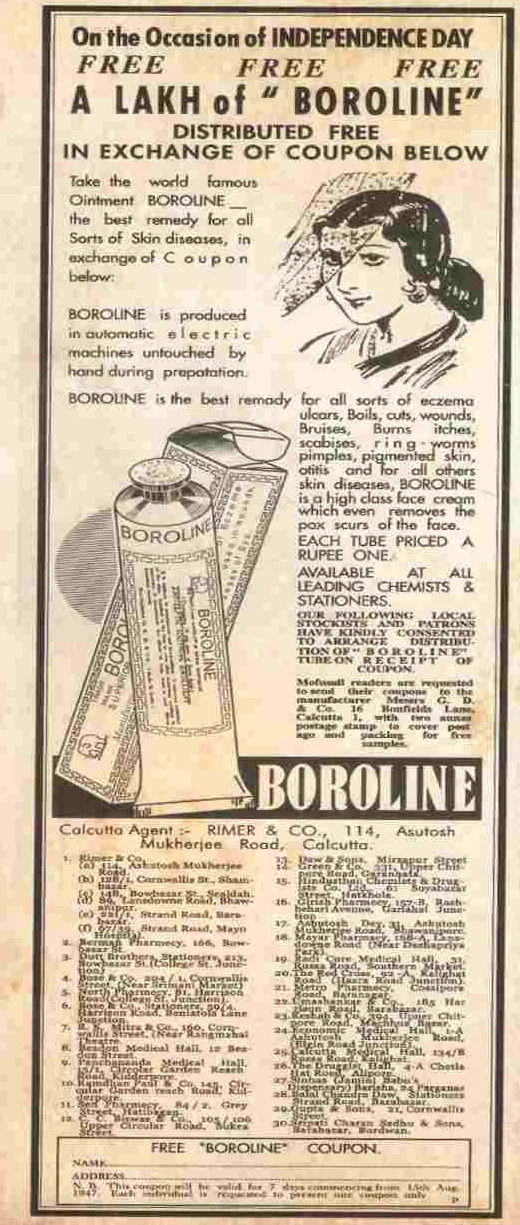
The cream sold as a matter of national pride. During the Second World War it went out in whatever containers could be found, labelled to say the contents were unchanged. On Independence Day in 1947 the company advertised in the Calcutta papers and gave away a lakh, a hundred thousand, tubes. Later it sponsored football tournaments and Durga Puja, and in villages where few could read the label it was known simply as the cream with the elephant.
The company has stayed with the Dutta family, now led by the founder's grandson, and says it has never changed the formula. The elephant and the dark green tube remain, joined by a small tub. Boroline is made in two factories, outside Kolkata and at Ghaziabad, and still accounts for most of the firm's sales, nearly a century after Dutta first filled his tins.
Timeline
- 1929 First made · Verified Boroline enters production in Calcutta (Kolkata), India.
- 1947 Recognised On Independence Day the company advertises in Calcutta newspapers and gives away a lakh (100,000) tubes in exchange for coupons.
- 1982 Recognised Boroline becomes a sponsor of the Jawaharlal Nehru international football tournament, later the Nehru Cup.
Milestones as we found them, not as we've checked them.
From the archive
More like this
-
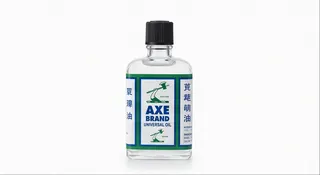 Balms & Ointments · since 1928 Axe Brand Universal Oil A Singapore cure-all of 1928, sold under the sign of a swinging axe. Read the entry →
 -
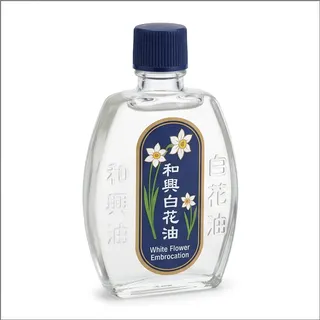 Balms & Ointments · since 1927 Hoe Hin White Flower Embrocation A Penang rub of 1927, named for a narcissus and made in Hong Kong since 1950. Read the entry →
 -
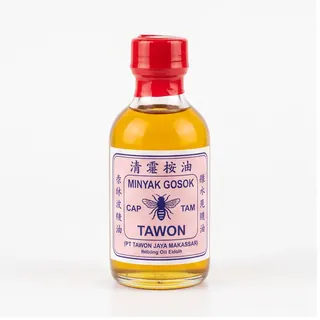 Balms & Ointments · since 1925 Minyak Tawon A Makassar rubbing oil under the bee, made by one family since the 1920s. Read the entry →
 -
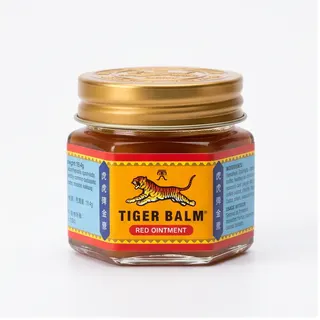 Balms & Ointments · since 1918 Tiger Balm A Rangoon herbalist's ointment, renamed for the elder of his two sons, and still sold in a small hexagonal jar. Read the entry →