Health & Grooming · Remedies · Balms & Ointments
Haw Par
Tiger Balm
Since 1918 · 108 years to 2026 · First made in Rangoon (Yangon), Myanmar
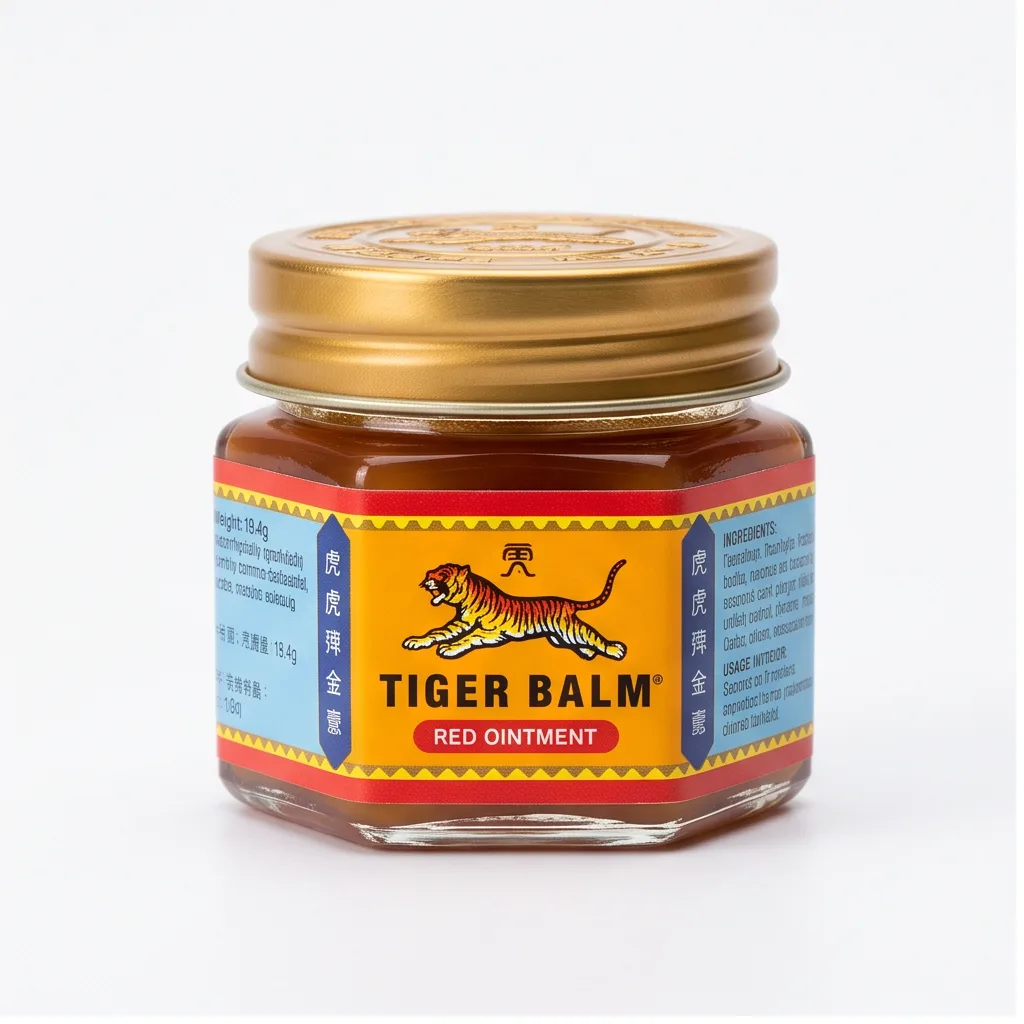
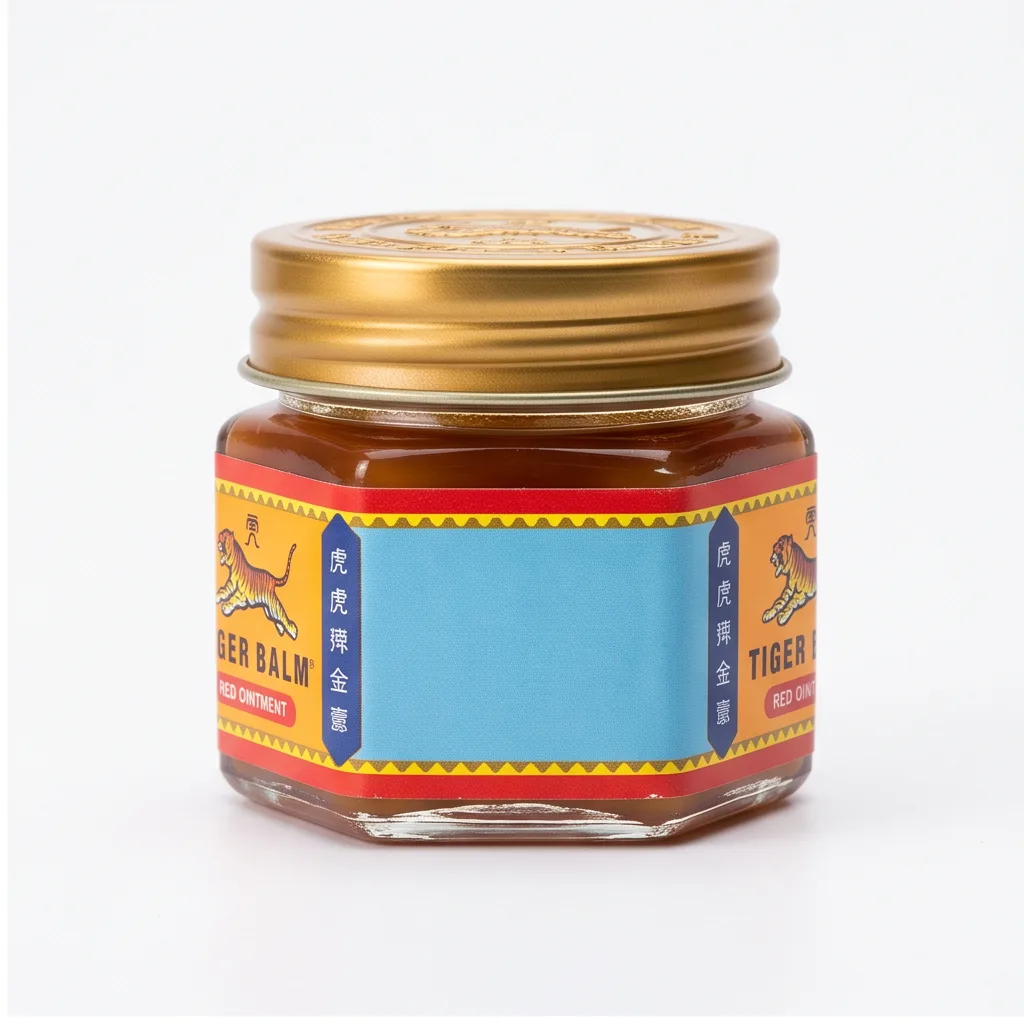
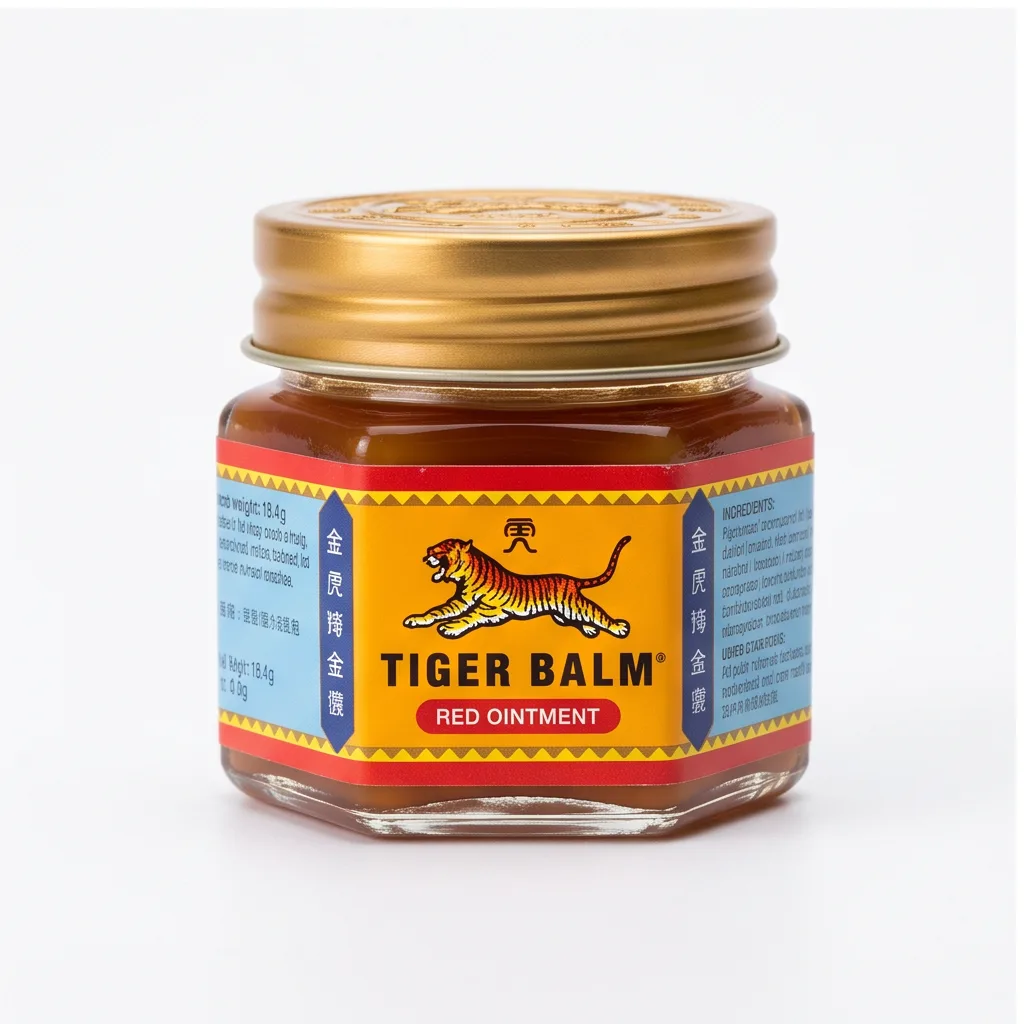
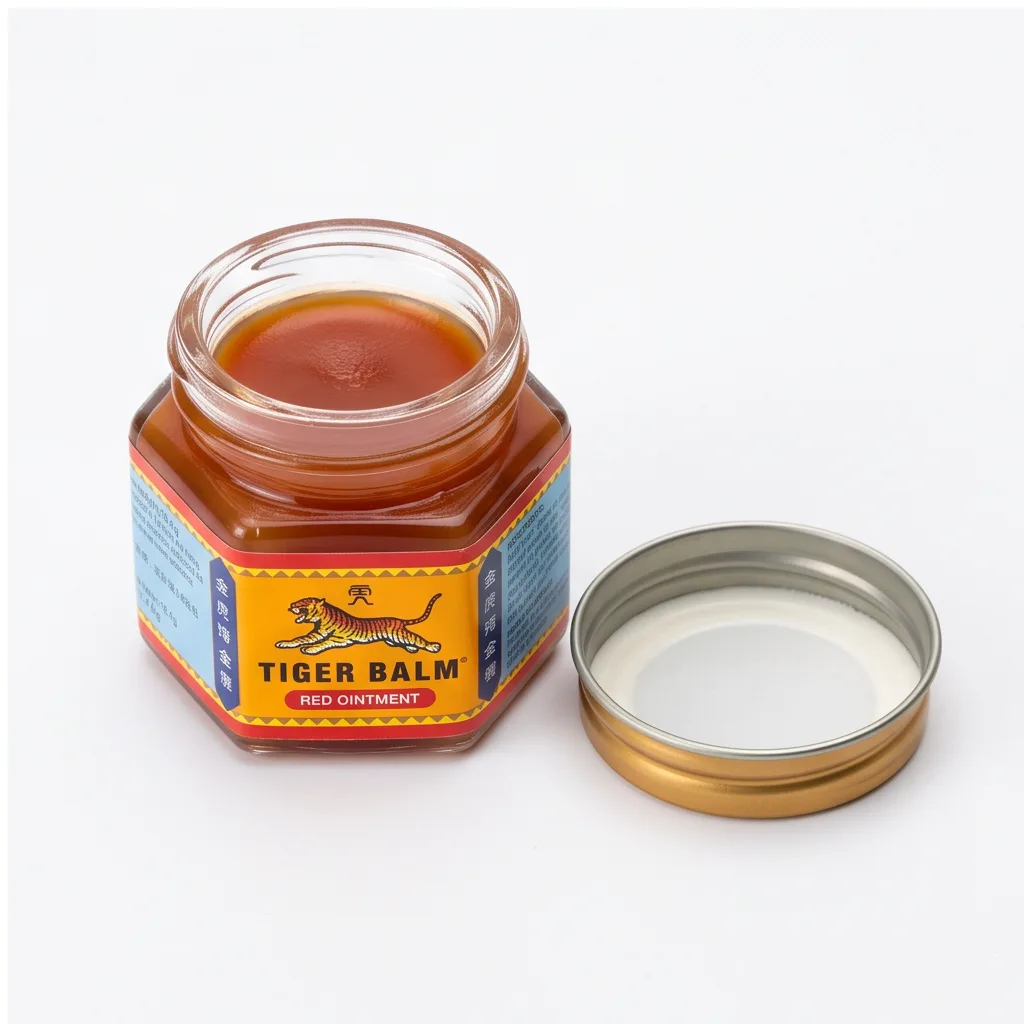
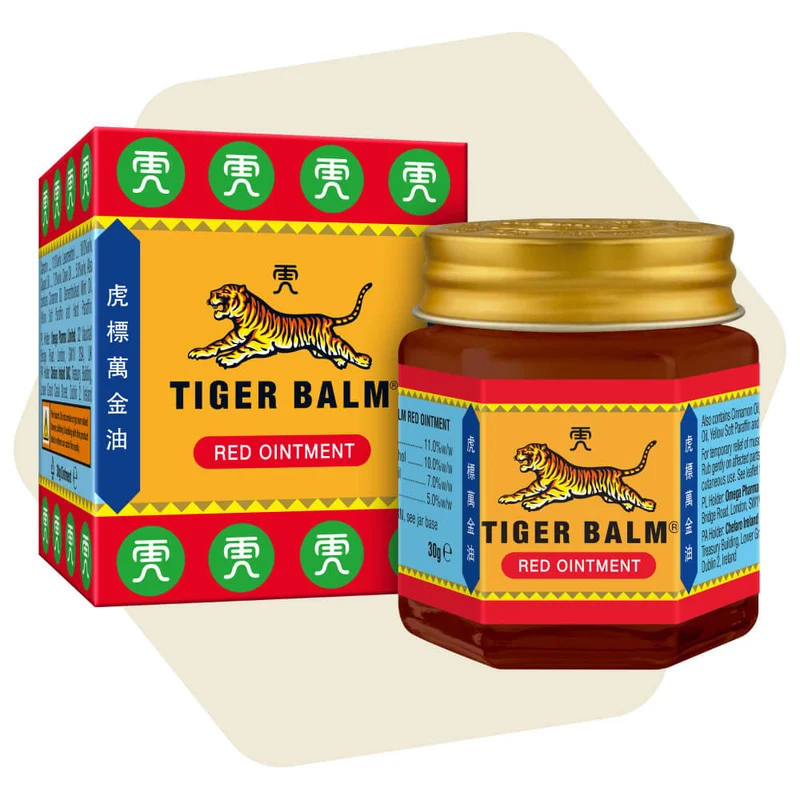
Tiger Balm is a firm, waxy ointment sold in a small hexagonal glass jar with a gold-coloured screw lid. The label shows a leaping tiger and the Chinese characters for 'tiger brand ten-thousand-gold oil'. Rubbed into the skin, the balm releases the sharp, cooling smell of camphor and menthol, with clove and cajuput oils beneath, and it is used for aching muscles, stiff necks and, in the white version, tension headaches.
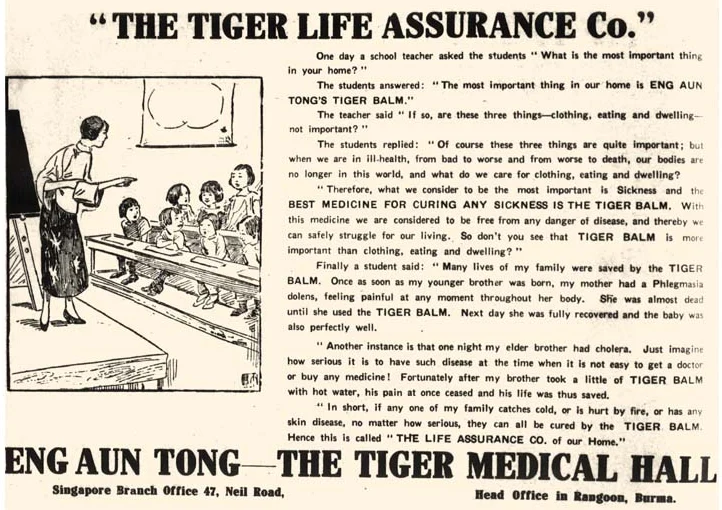
Its origins lie in Rangoon, where Aw Chu Kin, the son of a Chinese herbalist, kept an apothecary called Eng Aun Tong, the Hall of Everlasting Peace. Wikipedia credits him with a cure-all ointment in the 1870s. When he died in 1908 his sons, Aw Boon Haw and Aw Boon Par, refined the recipe in their mother's kitchen, the maker says, and Boon Haw, whose name means 'gentle tiger', gave it his own emblem. Haw Par dates the trademark to 1909; Wikipedia says the renaming came in 1918.
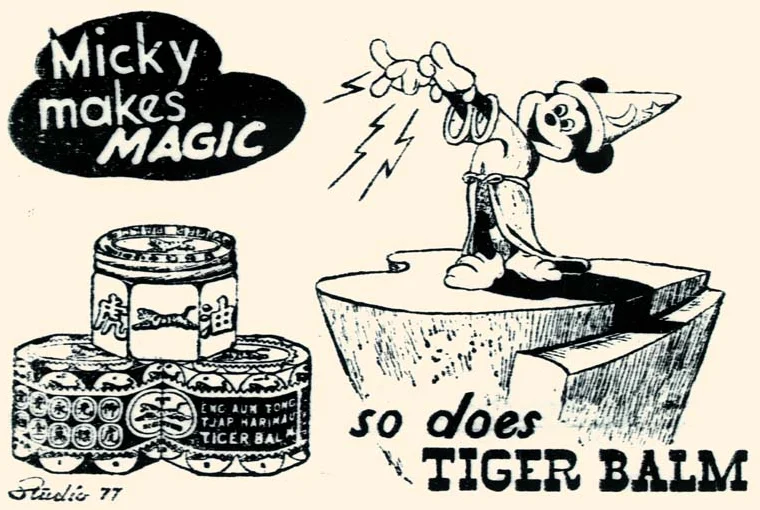
Boon Haw was among the first Chinese businessmen in Asia to use Western advertising on a large scale. His newspaper advertisements, which ran from 1916 until his death, told stories, quoted grateful customers and borrowed from cartoons; in 1946 one set the jar beside a conjuring Mickey Mouse. In 1926 the brothers moved their factory to Singapore, and in the 1930s they built the Tiger Balm Gardens in Hong Kong and Singapore, sculpture parks that were themselves advertisements for the balm.
The family firm became Haw Par Brothers International in 1969 and is now Haw Par Corporation. The Tiger Balm name has spread to patches, lotions and sprays, but the ointment in the jar remains the product it began with. It is sold as Tiger Balm Red and Tiger Balm White in more than a hundred countries, and a 19g jar of the red costs a few pounds at a British chemist.
Timeline
- 1918 First made · Disputed Tiger Balm enters production in Rangoon (Yangon), Myanmar.
- 1926 Production Eng Aun Tong moves its headquarters and factory to Neil Road, Singapore, where the maker says production was ten times that of Rangoon.
- 1937 Recognised The Aw brothers open Tiger Balm Gardens in Singapore, after Hong Kong in 1935, to promote the balm.
- 1969 Ownership The family businesses are listed as Haw Par Brothers International, later Haw Par Corporation.
Milestones as we found them, not as we've checked them.
From the archive
More like this
-
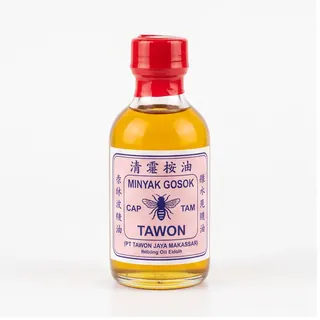 Balms & Ointments · since 1925 Minyak Tawon A Makassar rubbing oil under the bee, made by one family since the 1920s. Read the entry →
 -
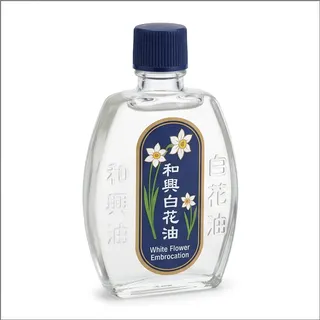 Balms & Ointments · since 1927 Hoe Hin White Flower Embrocation A Penang rub of 1927, named for a narcissus and made in Hong Kong since 1950. Read the entry →
 -
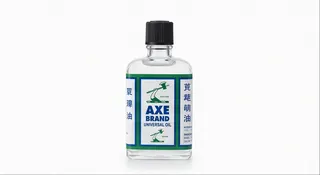 Balms & Ointments · since 1928 Axe Brand Universal Oil A Singapore cure-all of 1928, sold under the sign of a swinging axe. Read the entry →
 -
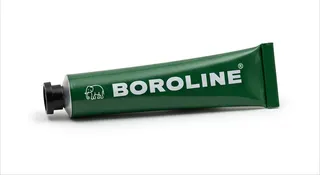 Balms & Ointments · since 1929 Boroline The green-tubed antiseptic cream that Gour Mohan Dutta first stirred at home in Calcutta in 1929. Read the entry →