Fashion · Clothing · T-shirts & Basics
Champion
Champion Reverse Weave Sweatshirt
Since 1938 · 88 years to 2026 · First made in New York
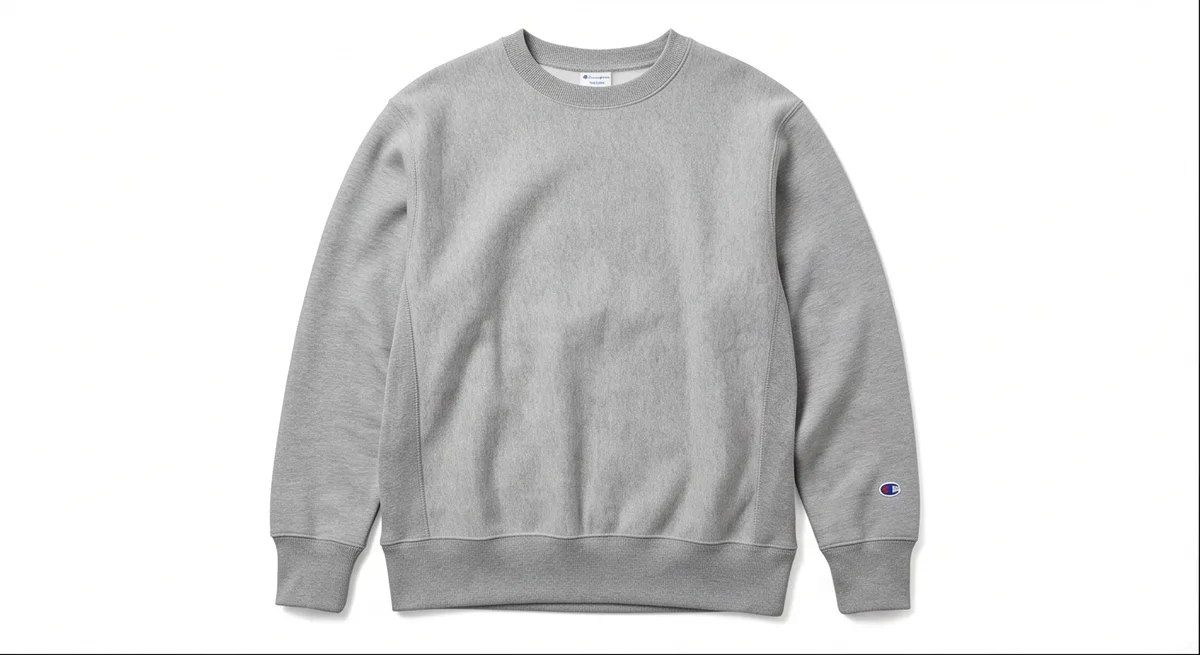
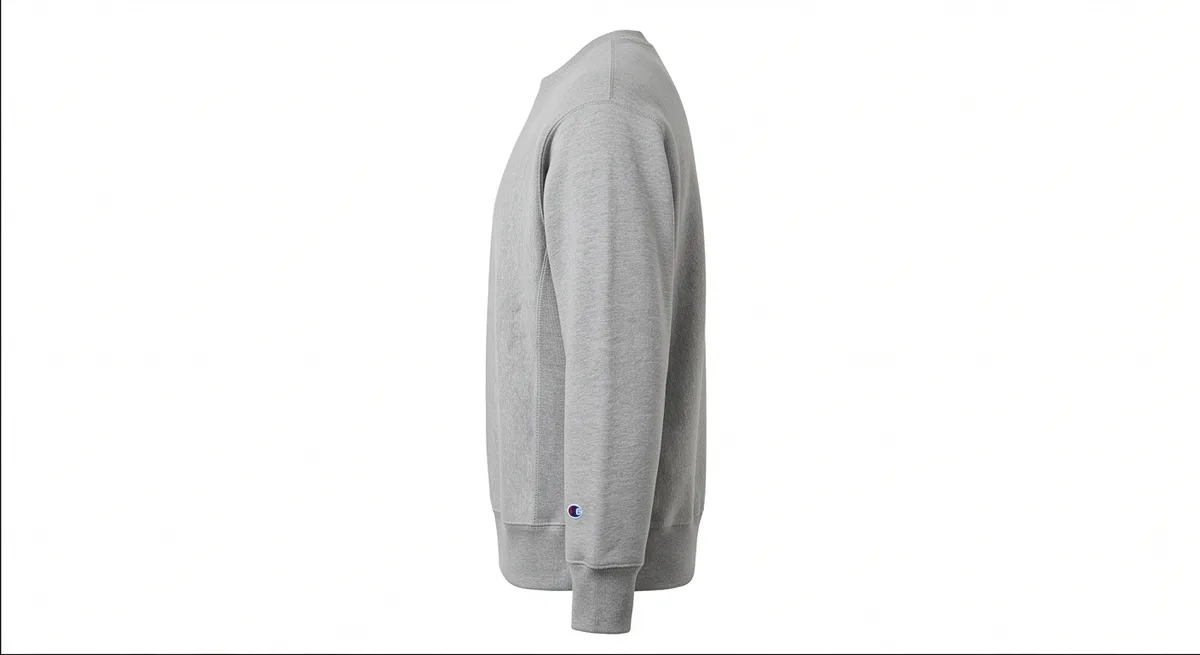
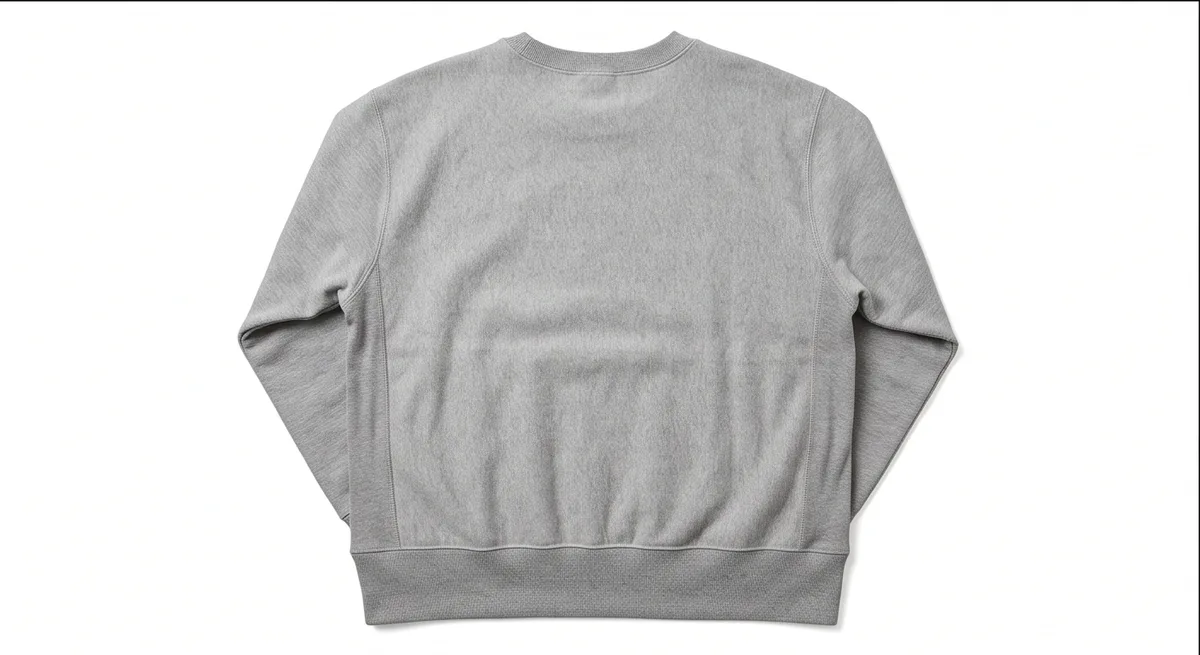
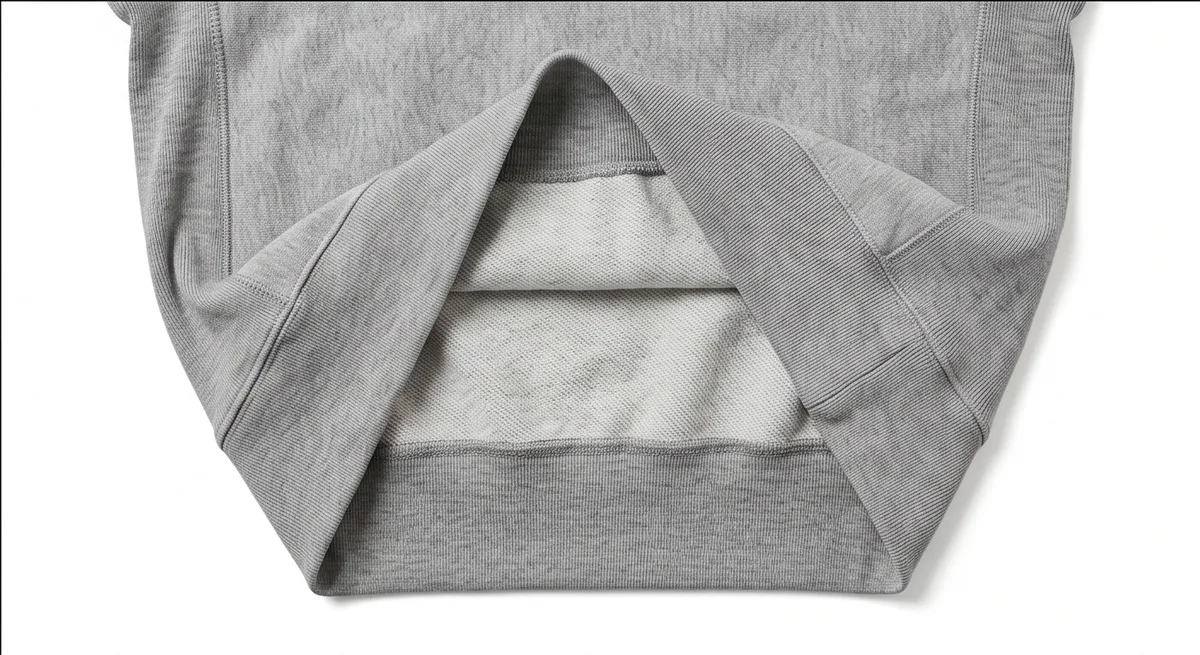
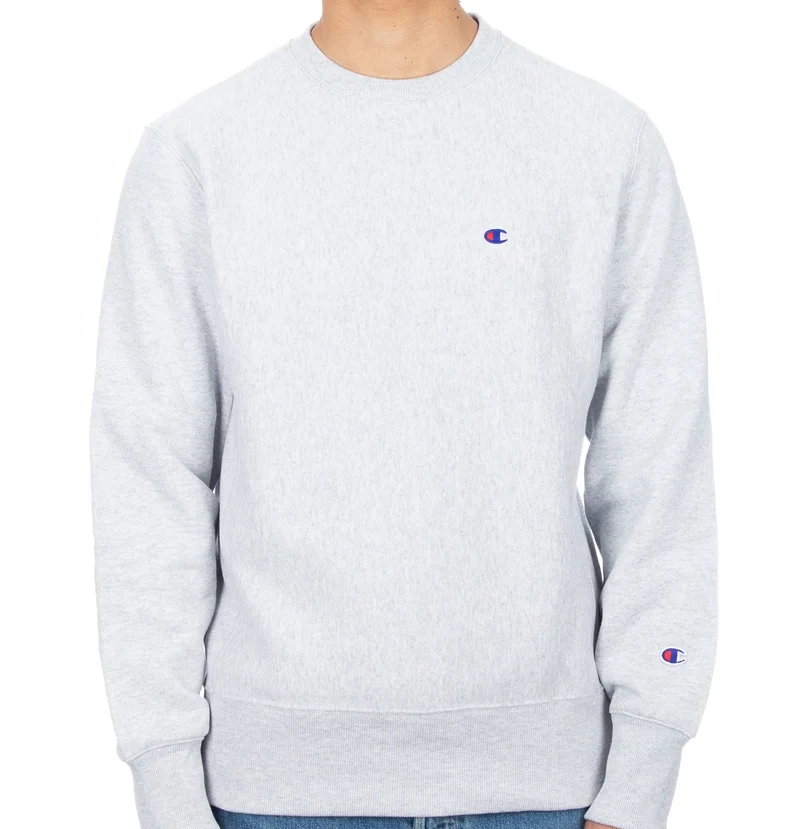
The Reverse Weave sweatshirt is a heavy crew-neck pullover in brushed fleece, plain except for a small C on the cuff or chest. Look at the sides and there is a strip of ribbed knit running from underarm to hem. Look at the body and the knit runs across it, not down. Both are there for the same reason: to stop the shirt shrinking.
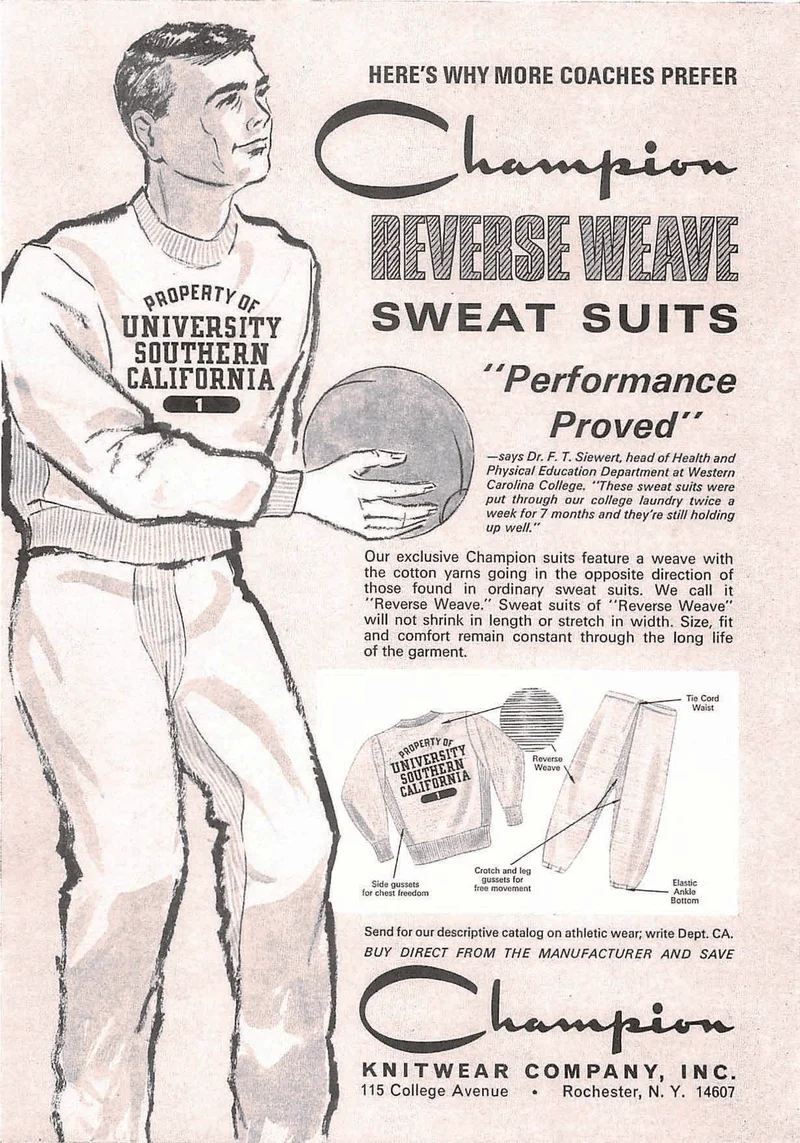
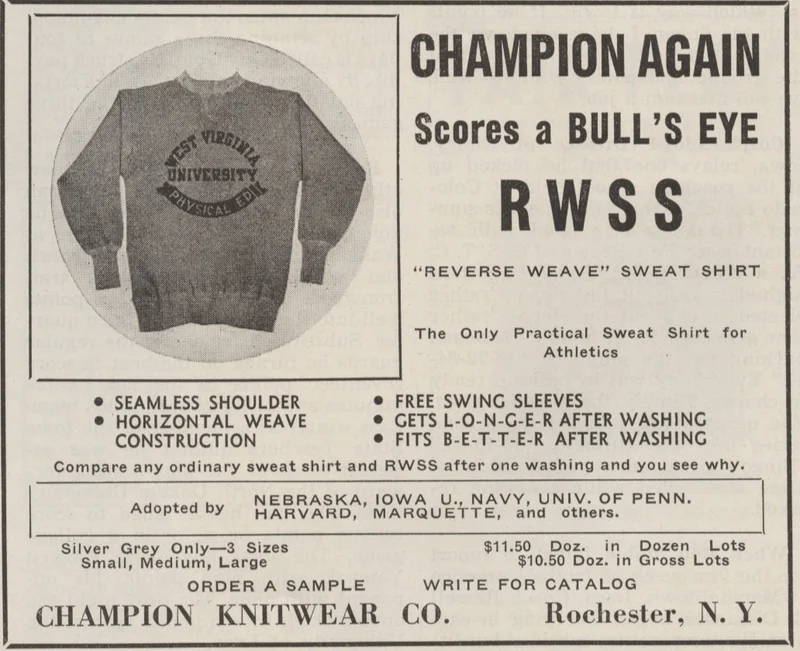
Champion was a knitting mill in Rochester, New York, founded in 1919 by the Feinbloom family, and it sold sweatshirts to colleges and military academies. Cotton fleece shrinks along the direction it is knitted, and coaches who washed batches of team kit found their sweatshirts shrinking. In the early 1930s a Champion salesman, Samuel Friedland, tried turning the fabric through ninety degrees and cutting the garment on the cross-grain, so that the shrinkage went into the width instead. The patent for the shirt and its method of making was issued in 1938, and Champion sold the result as Reverse Weave.
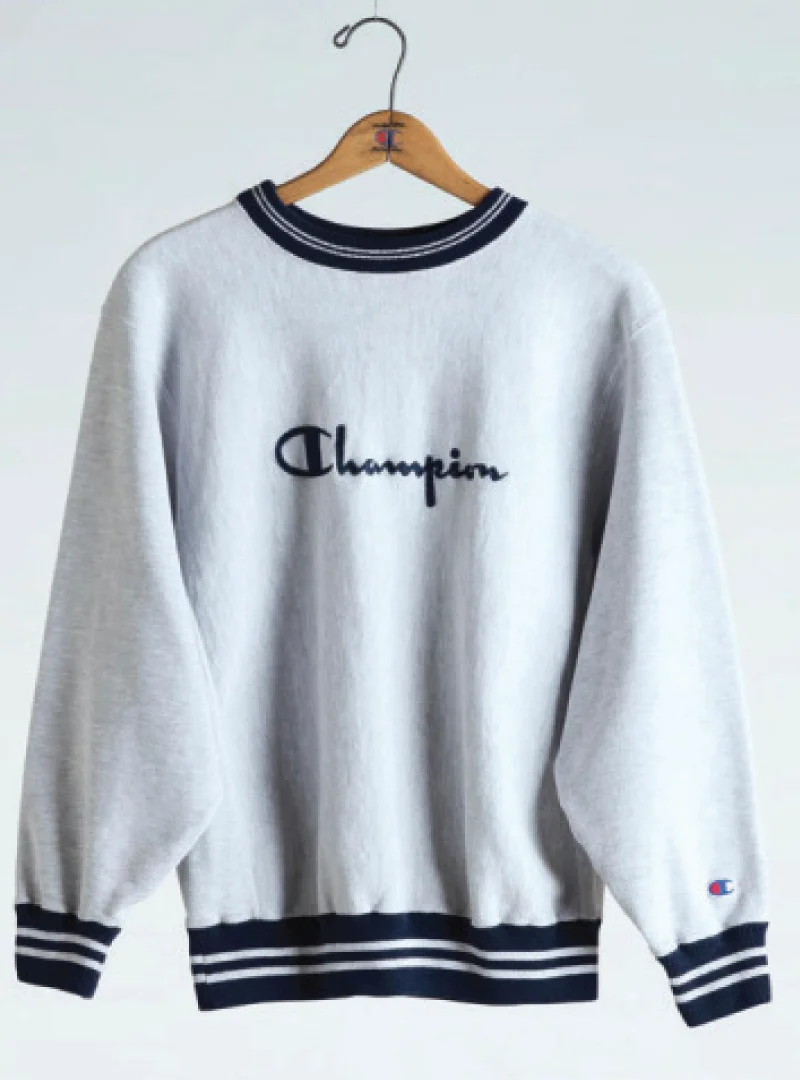
A shirt that no longer shrank in length still shrank in width, and in 1952 Friedland and William Feinbloom patented the answer: stretch panels of ribbed knit set into the sides. That is the sweatshirt Champion makes today, the cross-grain body, the side panels and the ribbed neck, cuffs and hem. The fleece is now cotton with a little polyester; the construction is the patent's.
For its first decades it was kit, for college teams, for the US forces in the Second World War, for the military academies. It reached the street in the 1980s and 1990s, worn by hip-hop artists, skaters and punks, and since then by everyone else. Champion has changed hands several times, to Sara Lee in 1989 and to Authentic Brands in 2024, and the Museum of Modern Art added a Reverse Weave hooded sweatshirt to its permanent collection in 2018. It is still sold under the name of its construction.
Timeline
- 1938 First made · Claimed Champion Reverse Weave Sweatshirt enters production in New York.
- 1952 Designed A second patent adds ribbed side panels to stop the shirt shrinking in width.
- 1989 Ownership Sara Lee buys Champion, which had been based in Rochester, New York.
- 2018 Recognised The Reverse Weave hooded sweatshirt enters the permanent collection of the Museum of Modern Art.
- 2024 Ownership Hanesbrands sells Champion to Authentic Brands.
Milestones as we found them, not as we've checked them.
From the archive
More like this
-
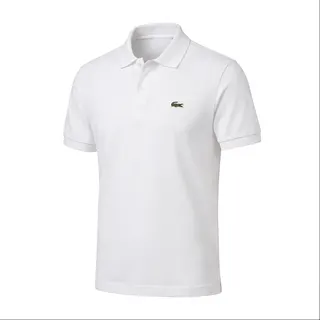 T-shirts & Basics · since 1933 Lacoste L.12.12 Polo Short sleeves, a soft collar and a crocodile: the tennis shirt that became everyone's. Read the entry →
 -
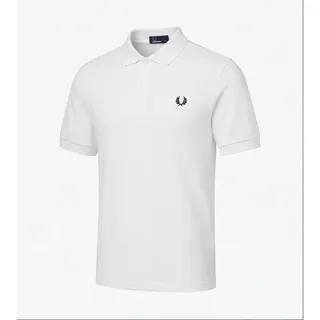 T-shirts & Basics · since 1952 Fred Perry M3 Shirt A laurel wreath on cotton piqué, launched at Wimbledon in 1952. Read the entry →
 -
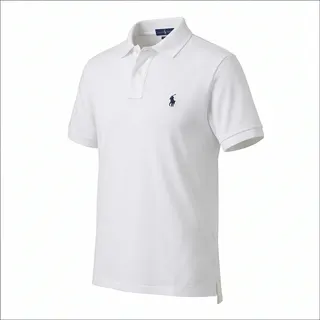 T-shirts & Basics · since 1972 Ralph Lauren Mesh Polo Shirt A tennis shirt renamed for the sport of kings, in twenty-four colours. Read the entry →
 -
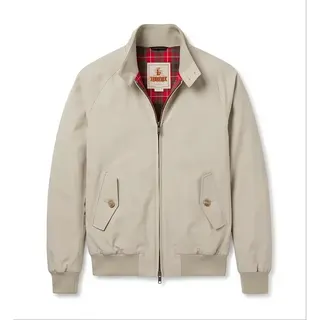 Jackets & Coats · since 1937 Baracuta G9 Harrington A golf jacket from Manchester, named after a character in an American soap. Read the entry →