Clarke
Clarke Original Tinwhistle
Since 1843 · 183 years to 2026 · First made in Suffolk
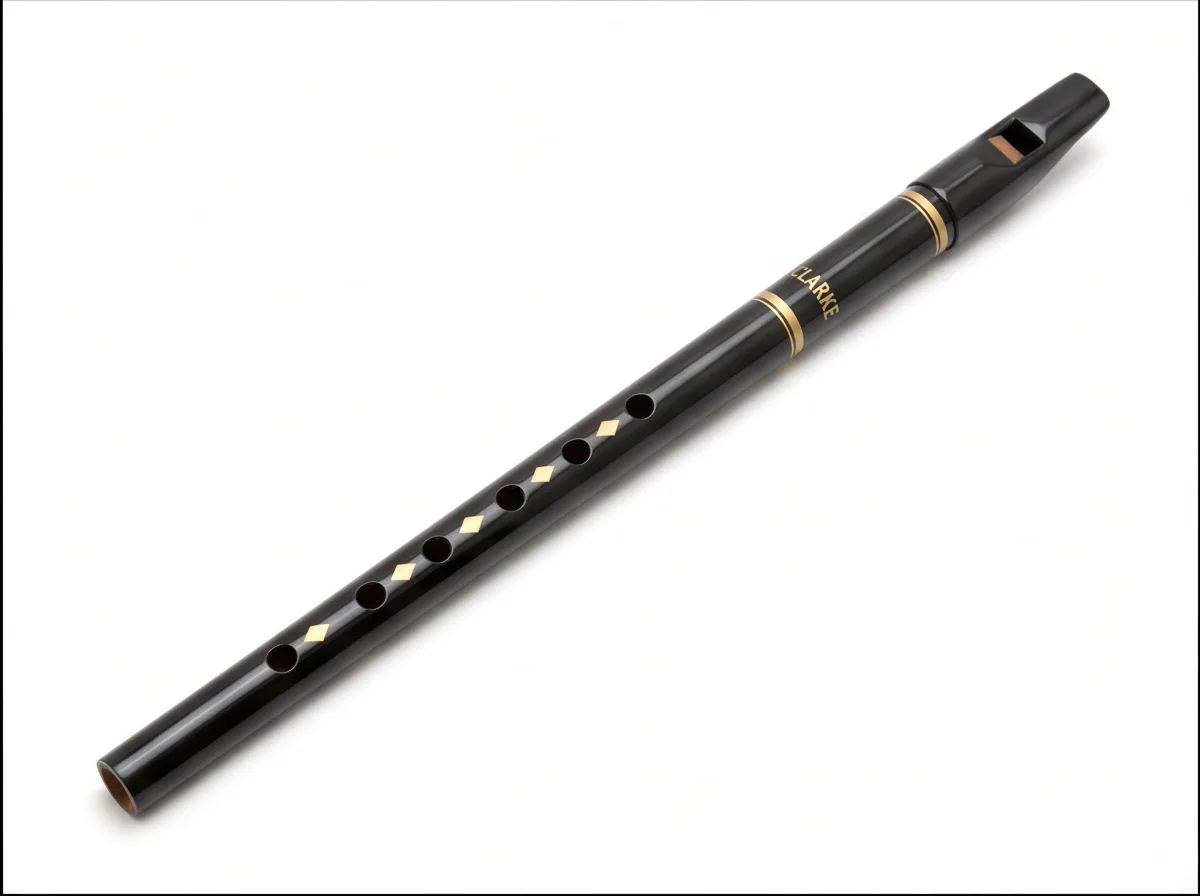
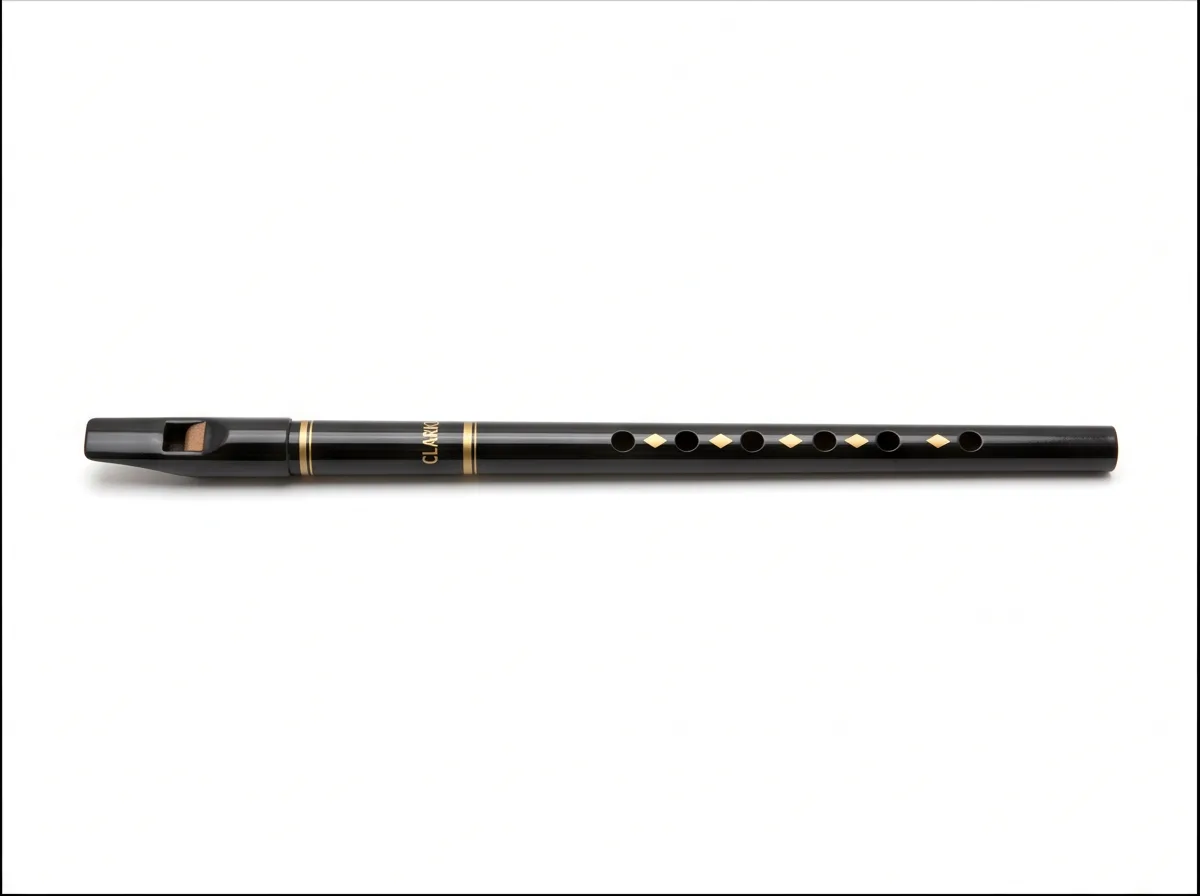
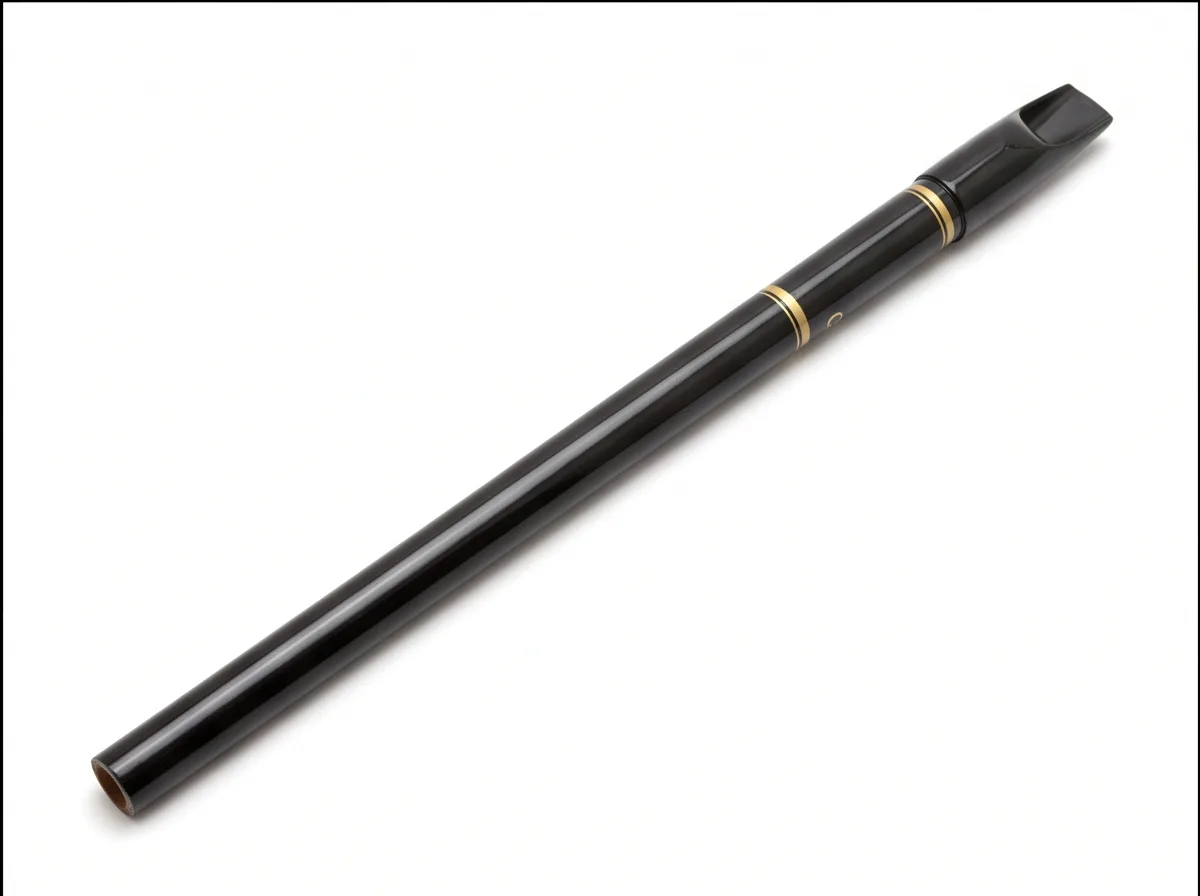
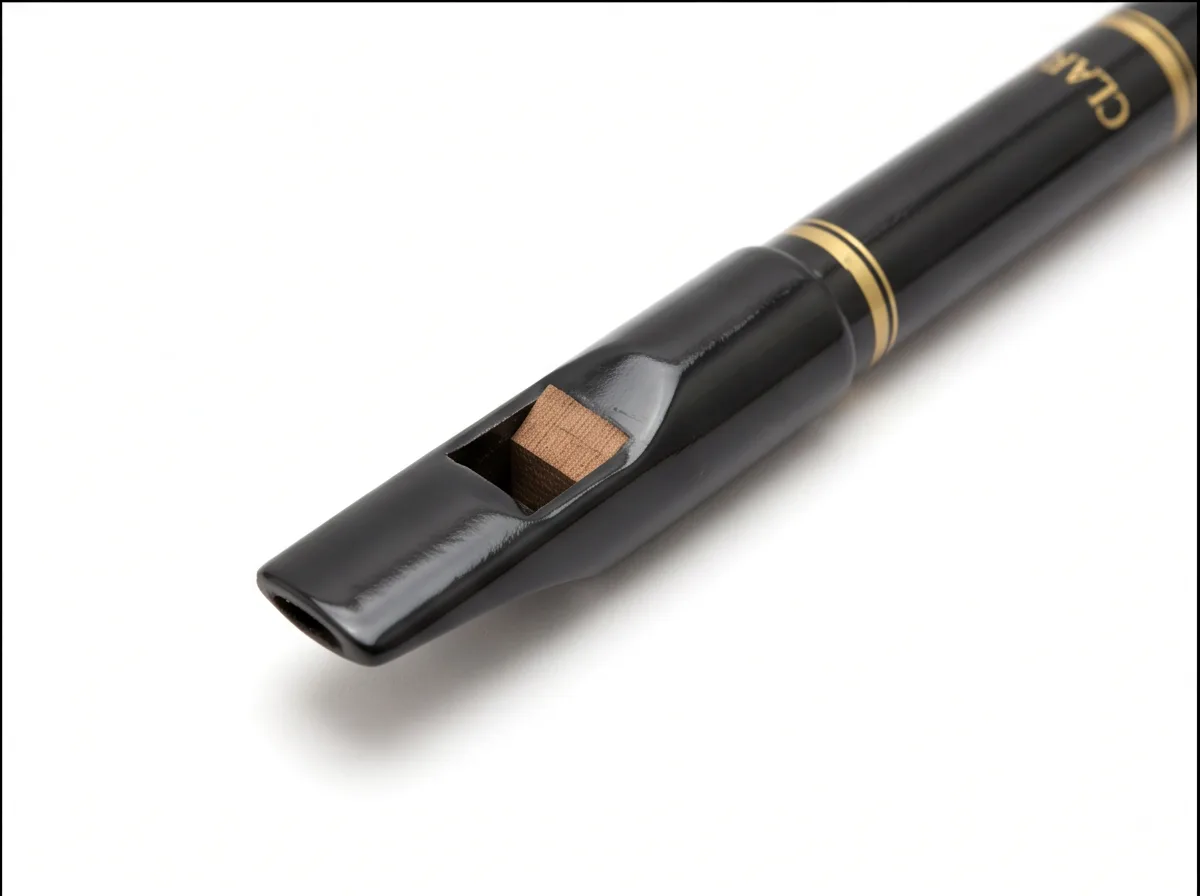
The Clarke Original is a tin whistle about thirty centimetres long, rolled from a single sheet of tinplate into a tube that narrows steadily from the mouthpiece to the foot. The top is flattened to form the windway, and a small block of wood is pushed into it to direct the breath across a cut lip. Six finger holes run down the front. The tube is lacquered black, and each hole sits in a small gold diamond, with gold bands and a gold Clarke mark near the head.
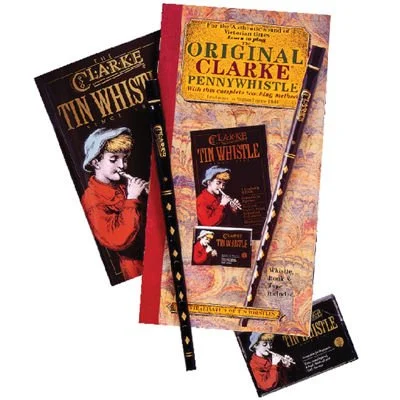
The maker's account begins with Robert Clarke, a farm labourer in the Suffolk village of Coney Weston, who had a blacksmith help him copy his wooden whistle in the new, cheap tinplate. The company dates this to 1843; Wikipedia gives 1840. Clarke and his son walked to Manchester and set up a factory there. The first whistles, called Megs, were pitched in high A; Wikipedia records that the firm showed its whistles at the Great Exhibition of 1851.
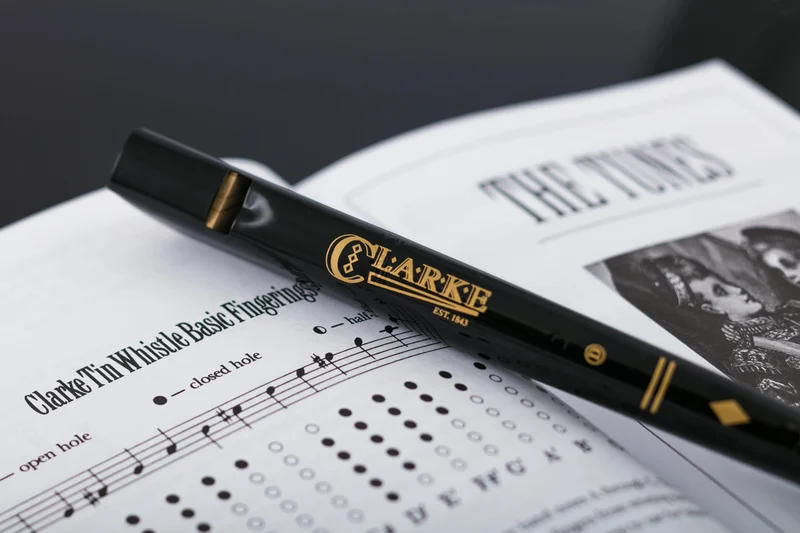
The whistle became the instrument of Irish traditional music. Clarke sold to the Irish navvies building England's railways and canals, the company says, and they carried the whistles home. The black whistle with gold diamonds round its holes, introduced at the hand-over from the Clarke family to the Weedon family, is the one on which, by the company's account, players such as Mary Bergin, Tommy Makem and James Galway learned. Its tapered bore and wooden block give a breathy, flute-like attack that players call chiff; most other whistles have a plain cylindrical bore.
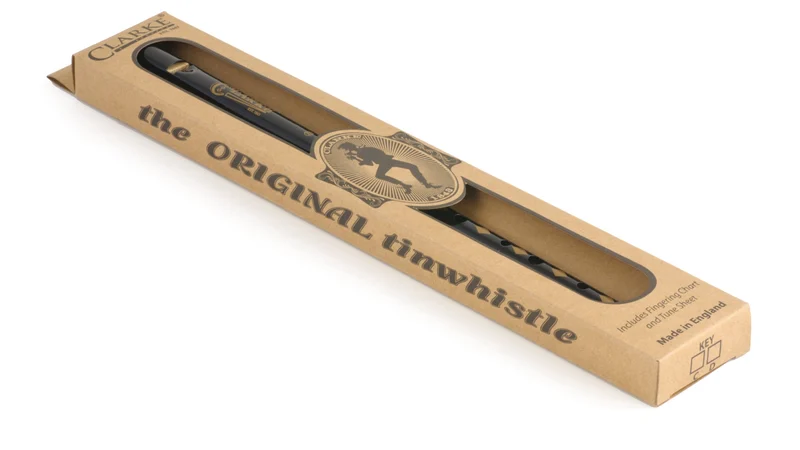
Today the whistle is made in C and D rather than the Victorian A, and the company in Kent that owns the name sells it alongside a plated version and a plastic-headed beginner's whistle, the Sweetone. The Original keeps the parts Clarke used: a rolled tinplate cone, a wooden block and six holes. It costs £22.50 from the maker, and its box reads "Made in England".
Timeline
- 1843 First made · Disputed Clarke Original Tinwhistle enters production in Suffolk.
- 1843 Robert Clarke, a farm labourer at Coney Weston in Suffolk, makes a whistle of tinplate with a wooden plug, according to the company.
- 1851 Recognised The Clarke whistles are shown at the Great Exhibition in London.
- 2006 Production The Clarke Tinwhistle Company, at Five Oak Green in Kent, describes the whistle as still tinplate with a wooden plug and Clarke's conical bore.
Milestones as we found them, not as we've checked them.
From the archive
More like this
-
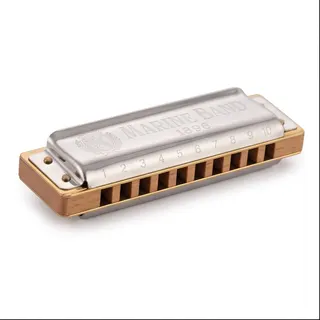 Harmonicas & Small Instruments · since 1896 Hohner Marine Band 1896 Ten holes, a pearwood comb and a model number that is also its birthday.
-
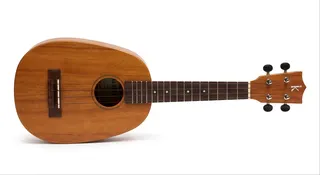 Harmonicas & Small Instruments · since 1928 Kamaka Pineapple Ukulele Sam Kamaka's oval soprano, patented in Honolulu in 1928 and still built there by his family.
-
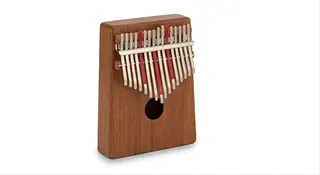 Harmonicas & Small Instruments · since 1956 Hugh Tracey Treble Kalimba Hugh Tracey's Western-tuned thumb piano, made by hand in South Africa since the 1950s.
-
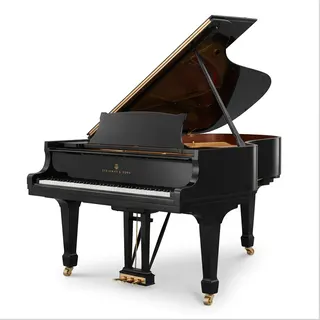 Keyboards & Pianos · since 1878 Steinway Model B Steinway's seven-foot grand, given its letter and its bent maple rim in 1878.