Musical Instruments · Keys, Amps & More · Harmonicas & Small Instruments
African Musical Instruments
Hugh Tracey Treble Kalimba
Since 1956 · 70 years to 2026 · First made in Gauteng (then Transvaal), South Africa
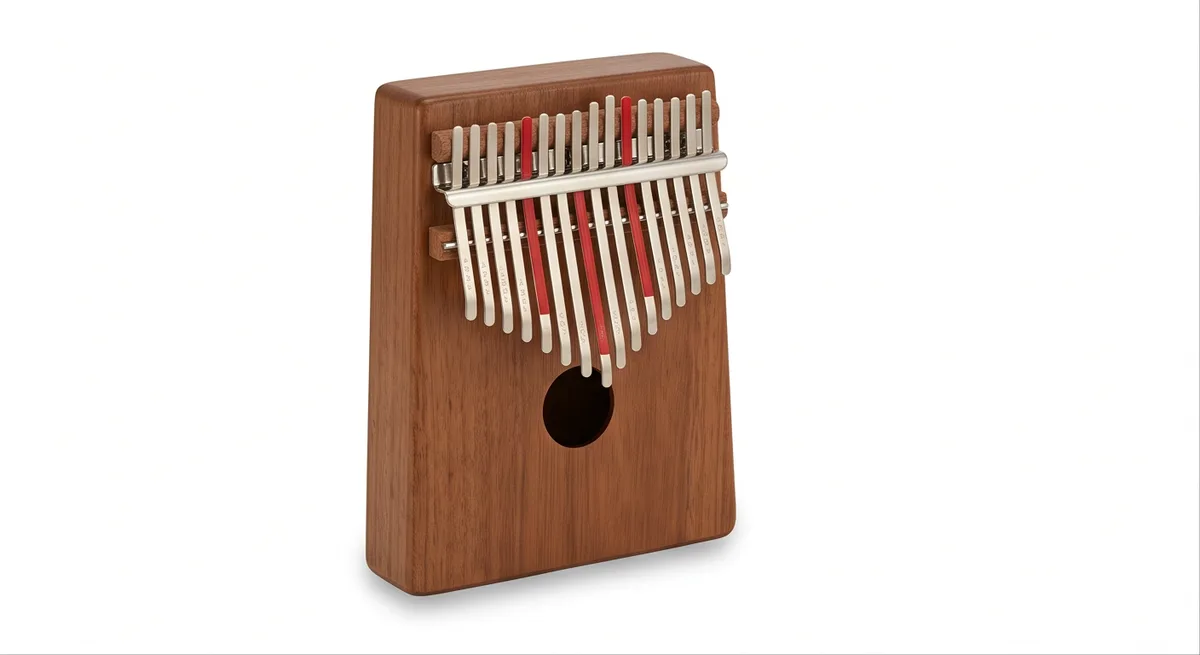
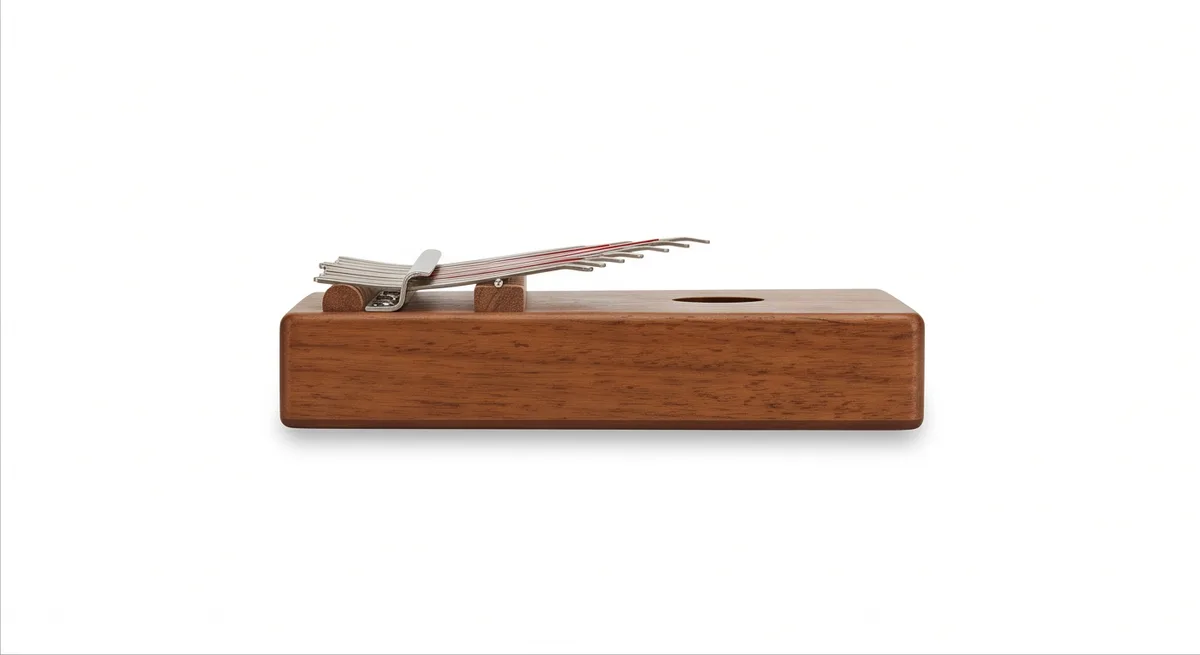
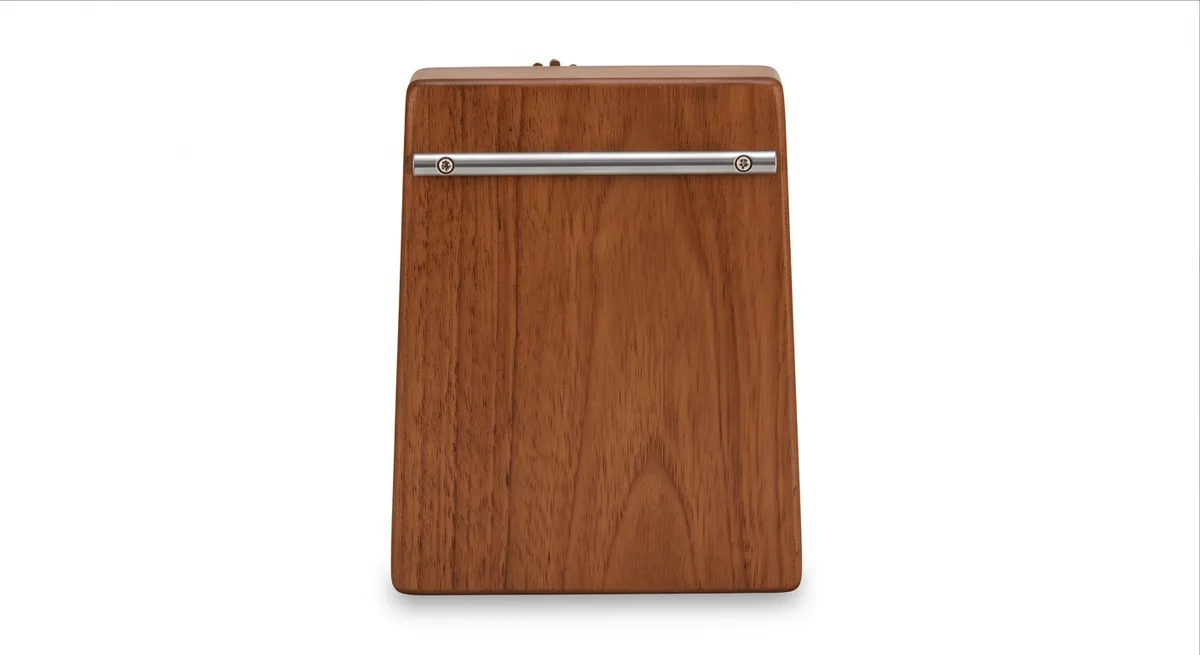
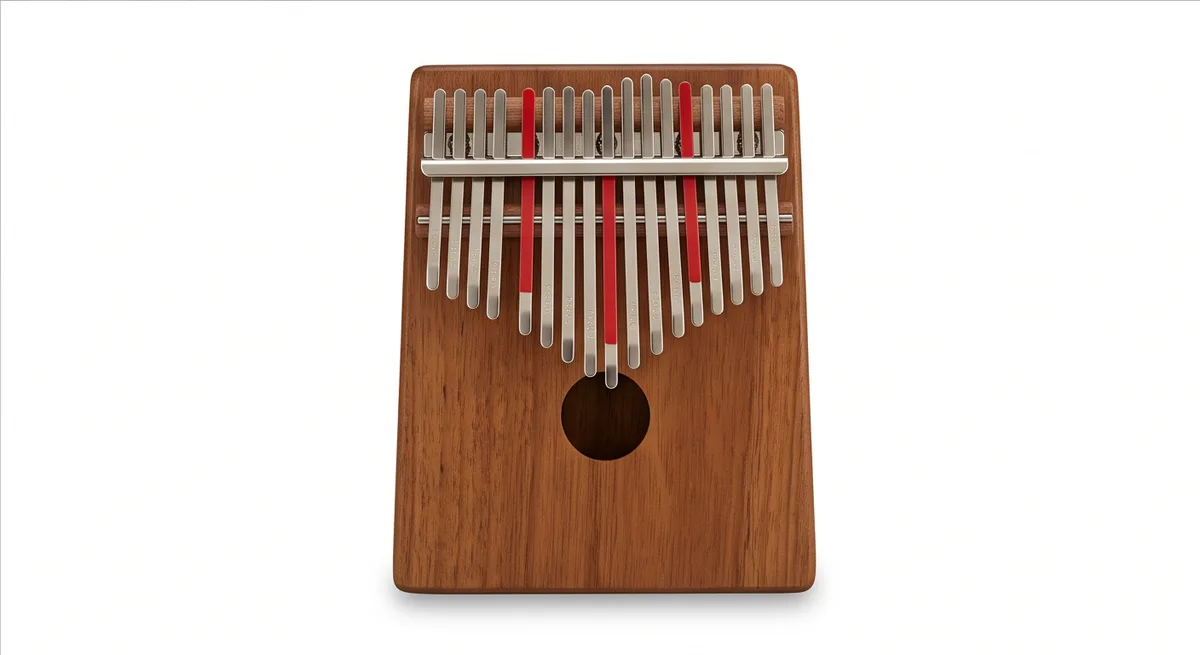
The Hugh Tracey Treble Kalimba is a small thumb piano: a hollow box of kiaat hardwood about the size of a paperback, with seventeen tines of spring steel fanned across its face under a bent metal bar. A round sound hole is cut in the front and two smaller holes in the back. Held in both hands, it is played with the thumbs, the tines tuned to the scale of G major and laid out so that the notes climb alternately from left to right.
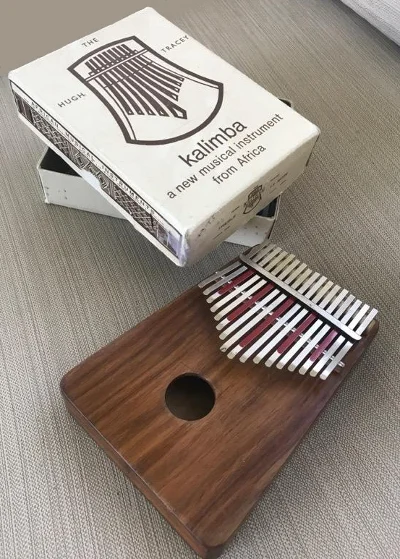
It was devised by Hugh Tracey, an English ethnomusicologist who had been recording African music for nearly thirty years. The instruments he loved, the mbira and its many cousins, used tunings that a Western ear found strange, so he designed a new one: African in its form and its left-right layout, Western in its scale. He called it kalimba, after a family of instruments in Mozambique, Malawi and Zambia. Some of the first were made of aluminium; after many prototypes he settled on kiaat, a wood whose offcuts furniture makers could spare.
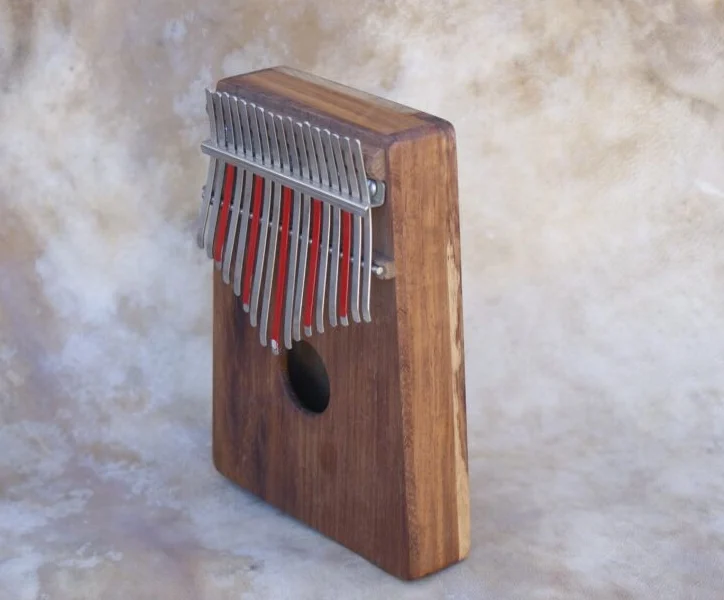
The Treble was the first model sold. African Musical Instruments, the firm Tracey founded to fund his International Library of African Music, says it has made kalimbas since 1956. In the early 1960s an American toy company, Creative Playthings, ordered thousands, and its boxes announced 'a new musical instrument from Africa'. Tracey's sons played it on stage in the revue Wait a Minim! and the instrument found its way to folk singers and, later, to Earth, Wind and Fire.
Since then the bracket has been fixed with wood screws rather than bicycle-spoke screws, the face made a little thicker and the vibrato holes moved, and a pickup can be fitted. The wood, the steel, the tuning and the layout have not changed. It is still made by hand by a small workshop in Makhanda, in South Africa's Eastern Cape.
Timeline
- 1956 First made · Disputed Hugh Tracey Treble Kalimba enters production in Gauteng (then Transvaal), South Africa.
- 1962 Recognised Tracey's sons take the kalimba on stage in the revue Wait a Minim!, which tours until 1968.
- 1973 Recognised Earth, Wind and Fire record 'Kalimba Story', and the instrument's popularity surges.
Milestones as we found them, not as we've checked them.
More like this
-
 Harmonicas & Small Instruments · since 1928 Kamaka Pineapple Ukulele Sam Kamaka's oval soprano, patented in Honolulu in 1928 and still built there by his family. Read the entry →
 -
 Harmonicas & Small Instruments · since 1896 Hohner Marine Band 1896 Ten holes, a pearwood comb and a model number that is also its birthday. Read the entry →
 -
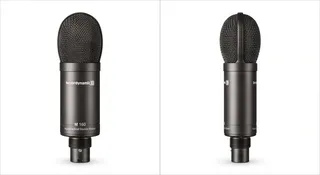 Microphones · since 1957 Beyerdynamic M160 German ribbon microphone, handmade since 1957 Read the entry →
 -
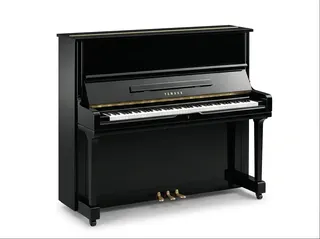 Keyboards & Pianos · since 1954 Yamaha U1 Yamaha's 121-centimetre upright, in production under the same name since 1954. Read the entry →