Fashion · Footwear · Boots
Clarks
Clarks Desert Boot
Since 1950 · 76 years to 2026 · First made in Street, Somerset
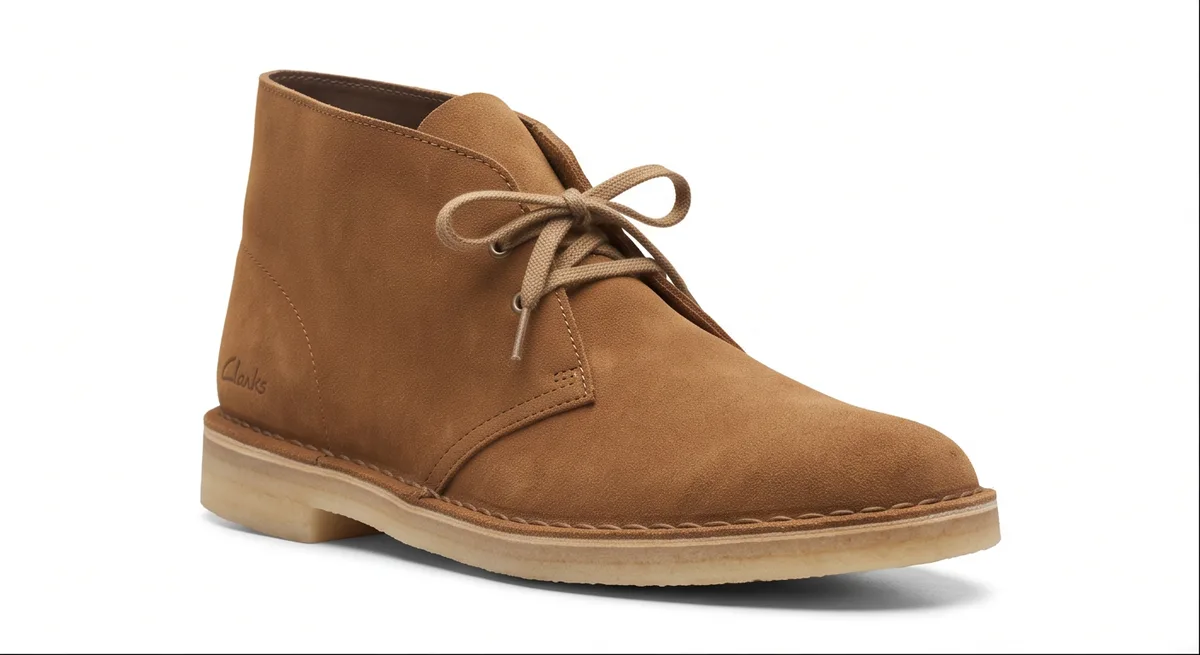
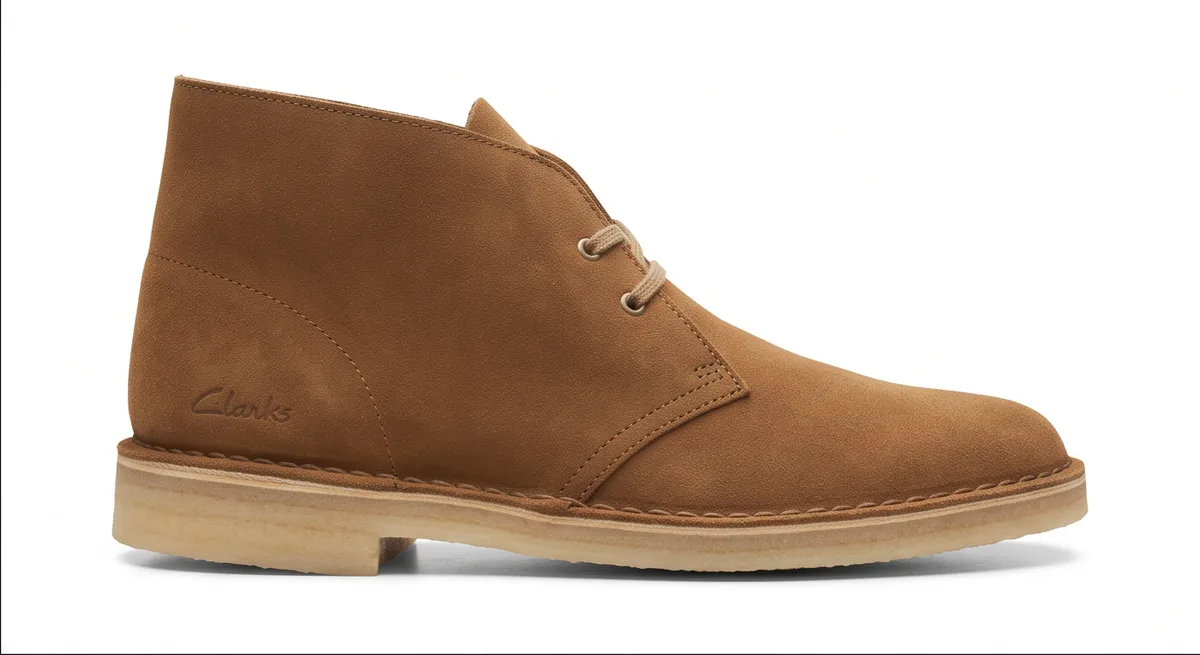
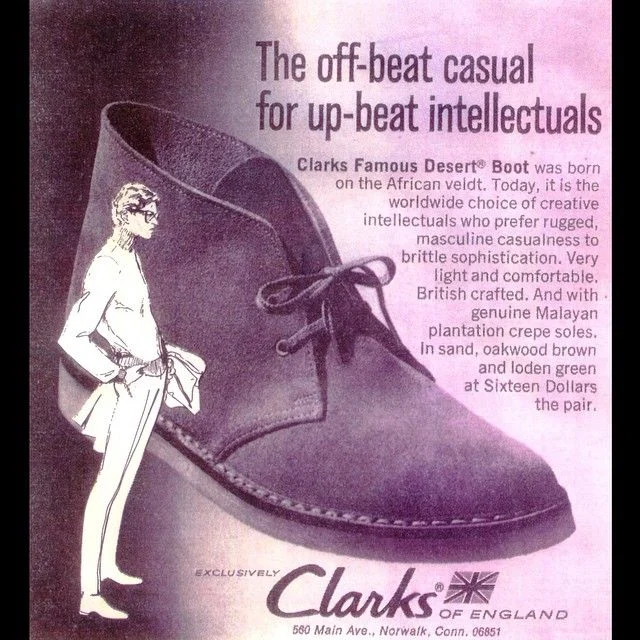
The Clarks Desert Boot represents an unusual case in industrial design: a shoe conceived in wartime utility that became a cultural artefact without significant modification to its original form. Nathan Clark, great-grandson of the company founder, encountered the prototype during his service in Burma and India in the Second World War. Officers of the North African campaign had commissioned copies of veldtschoen—ankle-high boots worn by South African farmers—adapted for desert conditions with a crepe sole and reversed suede uppers sewn directly to the sole rather than turned under it. This construction method, which Clark recognised as offering comfort and functionality absent from military-issue footwear, became the basis for the Desert Boot when it entered production in 1950.
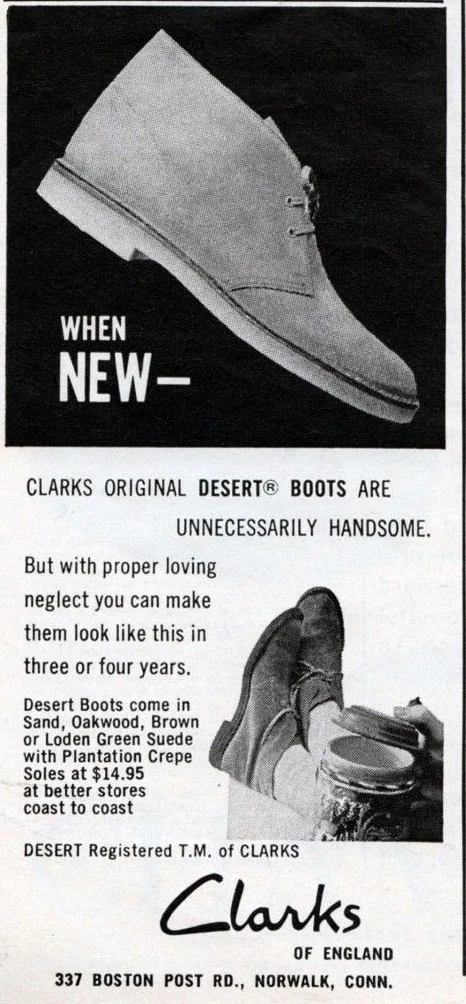
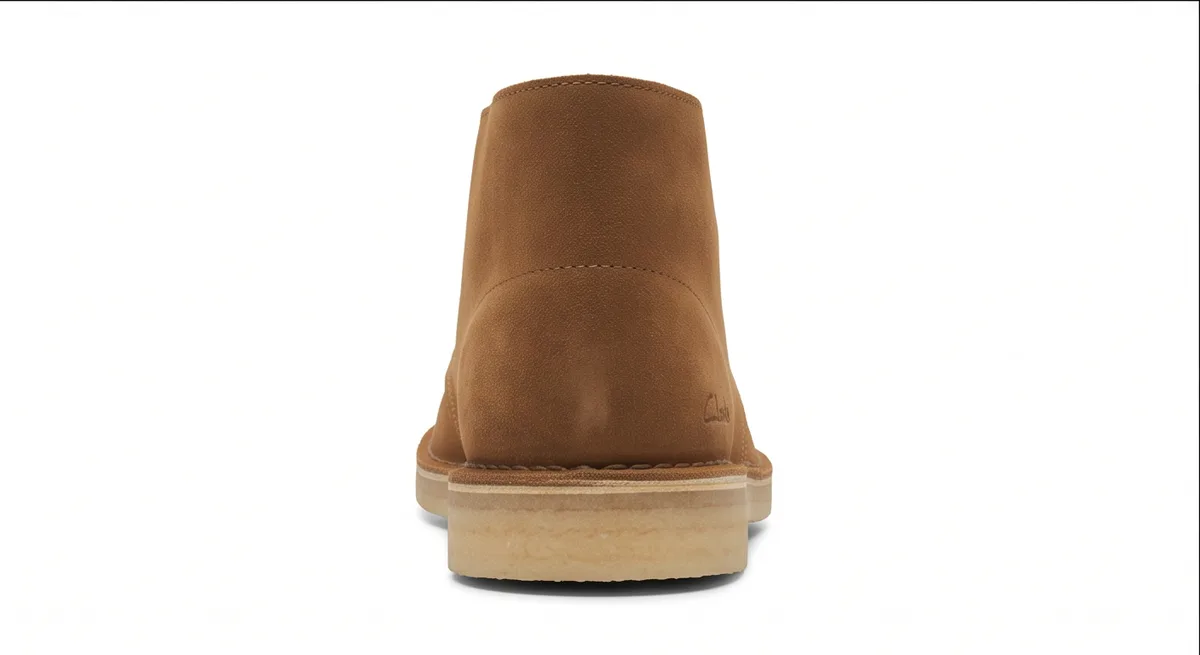
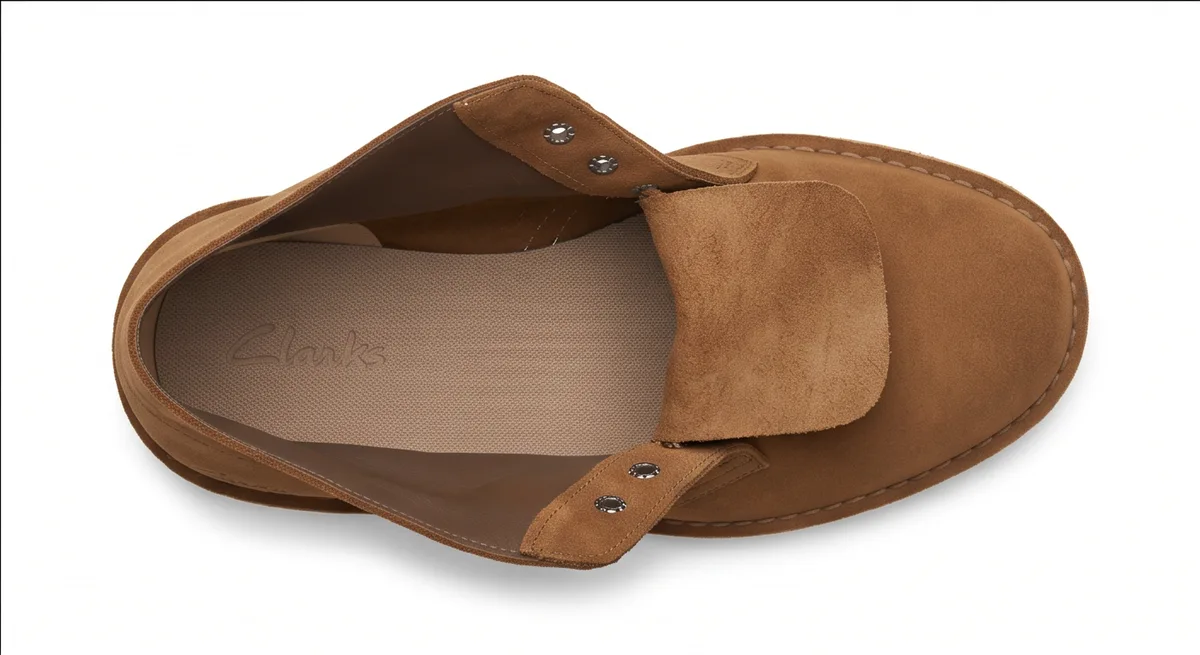
The boot's construction embodies restraint. Comprising only 22 pieces compared to the 65 found in an average sneaker, it is assembled using the stitchdown method: an ancient technique in which the upper is attached flat to the outsole with waxed thread, dramatically reducing adhesive components and reinforcements. The crepe sole is natural latex tapped from the Pará rubber tree, sustainably harvested and processed. The suede has been supplied exclusively by Charles F. Stead, a family-run tannery in Leeds established in 1893, which developed a proprietary rehydration and finishing process specifically for the Desert Boot.
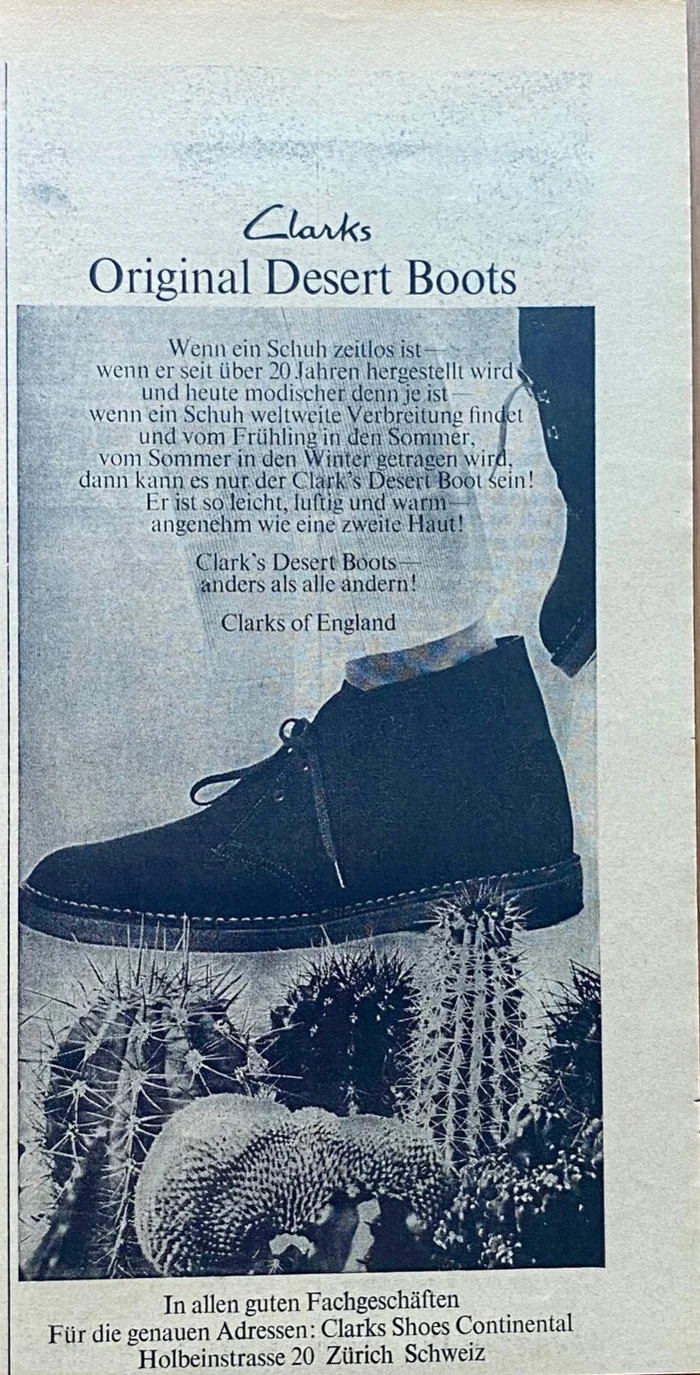
The boot's cultural reach proved global and generational. While initially adopted by Ivy League undergraduates in the United States, it became embedded in Jamaican music culture during the 1950s, subsequently influencing the Mod movement of 1960s Britain and appearing on the feet of Parisian students during the May Events of 1968. Hip Hop audiences in New York embraced the Clarks Wallabee in the late 1970s and 1980s, yet Caribbean communities continued wearing the Desert Boot as a connection to home. The 1990s saw renewed interest during the Britpop era, while Japanese tastemakers developed an appetite for heritage products manufactured using original materials and methods. Each iteration has accommodated colour and material variation—from metallic finishes to Harris tweed and recycled plastic—while the fundamental silhouette, last measurements, and construction process have remained identical to the 1950 original. This consistency of form across changing markets and decades represents the boot's most distinctive claim: it is a mass-produced object that has achieved the status of an timeless design without requiring redesign.
From the archive
More like this
-
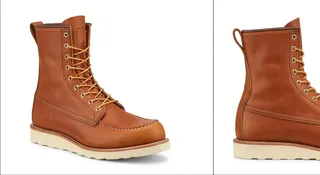 Boots · since 1952 Red Wing 877 Eight-inch moc toe boot in continuous production since 1952. Read the entry →
 -
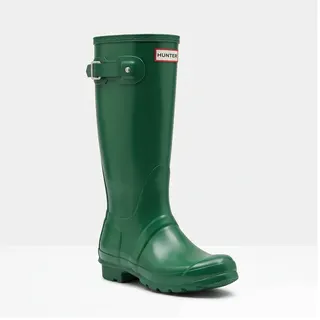 Boots · since 1956 Hunter Original Wellington The Wellington boot that defined a century of practical elegance. Read the entry →
 -
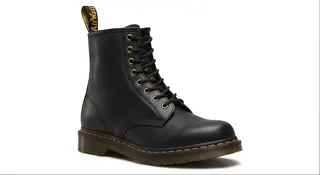 Boots · since 1960 Dr. Martens 1460 Eight-hole boot introduced 1 April 1960, still in production. Read the entry →
 -
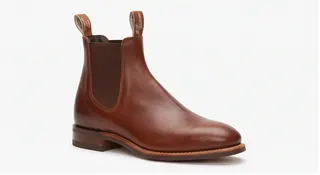 Boots · since 1966 R.M. Williams Craftsman Single piece of leather boot, handcrafted in Adelaide since 1932. Read the entry →