Fashion · Footwear · Boots
Red Wing Shoes
Red Wing 877
Since 1952 · 74 years to 2026 · First made in Red Wing, Minnesota
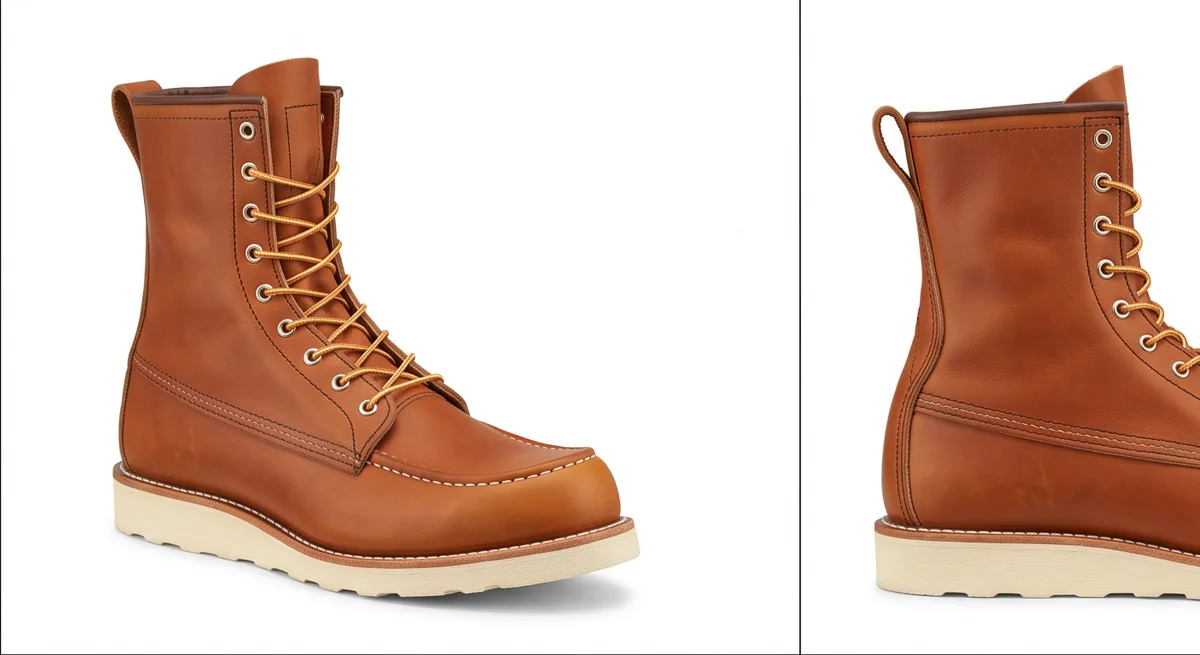
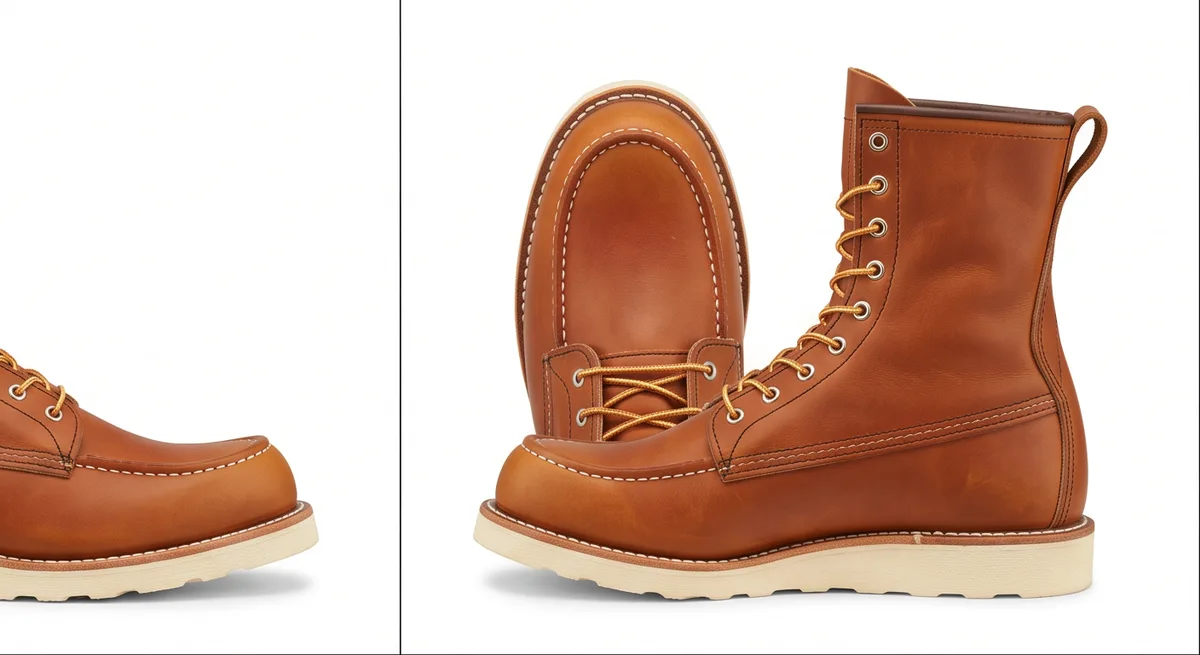

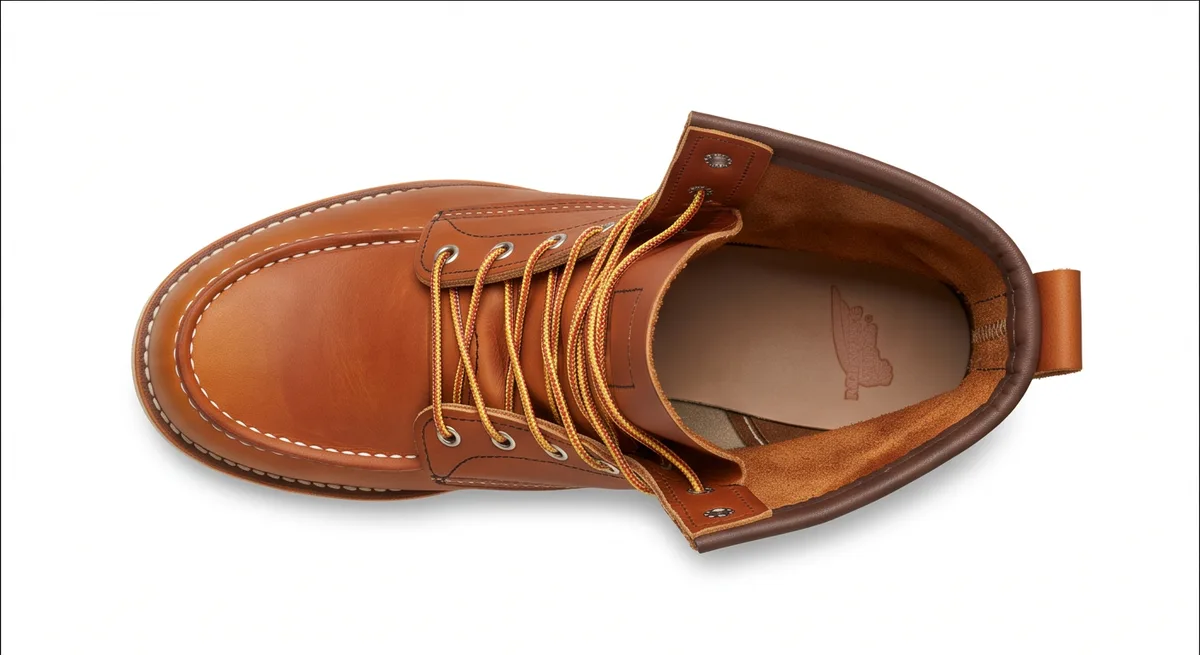
The Red Wing 877 emerged in 1952 as a practical response to the needs of American hunters and outdoorsmen. An eight-inch moc toe boot with a Goodyear welt construction, it combined a comfortable wedge sole with oil-tanned leather that resisted weather. The boot's upper was made from Oro Russet, a distinctive golden-brown leather achieved through a process developed by California tannery Leo Metten using sequoia bark tannins. stitchdown.com So closely did the leather's warm tone resemble the coat of an Irish Setter hunting dog that the entire line of Oro Russet moc toe boots became known by that name, a designation that would persist through decades of manufacturing and across continents.

From its sporting origins, the 877 found audiences beyond hunters. Tradespeople valued its cushioned sole and sure-footedness; casual wearers appreciated its durability and evolving aesthetic. The boot developed a particularly strong following in Japan, where Red Wing boots became fashion statements and continue to be colloquially called Irish Setters. stitchdown.com This international adoption testified to the boot's fundamental rightness: a design that transcended its original purpose.
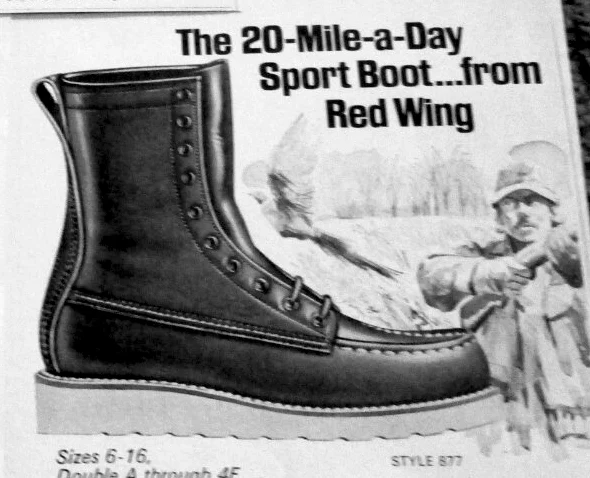
The 877's longevity has been underwritten by continuous material refinement. When the original Oro Russet leather drifted in character—first becoming redder in the early 1990s, then lighter and more pigmented—Red Wing did not abandon the boot but reformulated its materials. stitchdown.com The introduction of Oro Legacy leather in 2013 represents the company's attempt to restore fidelity to the original 1950s product. Throughout these changes, the fundamental design remained constant: the same moc toe, the same sole profile, the same welt construction that has characterized the boot since its debut. silodrome.com This combination of formal consistency and material care—the willingness to change what serves the product's essence while preserving its identity—explains how a boot designed as practical sporting equipment came to endure as a reliable object across generations.
Timeline
- 1952 First made · Disputed Red Wing 877 enters production in Red Wing, Minnesota.
- 1986 Ownership S.B. Foot becomes a wholly owned subsidiary of Red Wing.
- 1996 Production Red Wing develops Oro Russet Oro-iginal to restore the original golden-brown color.
- 2007 Designed Red Wing establishes its Heritage division to revive historical styles using traditional Goodyear welt construction.
- 2013 Production Red Wing introduces Oro Legacy leather for Heritage models, designed to match the original Oro Russet.
Milestone dates are taken from the production notes behind this entry and have not been checked separately.
More like this
-
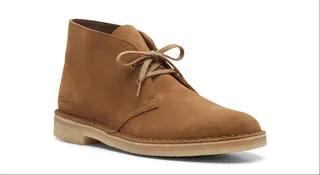 Boots · since 1950 Clarks Desert Boot Crepe-soled boot unchanged since 1950 Read the entry →
 -
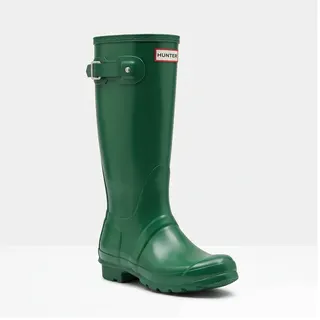 Boots · since 1956 Hunter Original Wellington The Wellington boot that defined a century of practical elegance. Read the entry →
 -
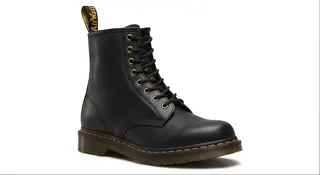 Boots · since 1960 Dr. Martens 1460 Eight-hole boot introduced 1 April 1960, still in production. Read the entry →
 -
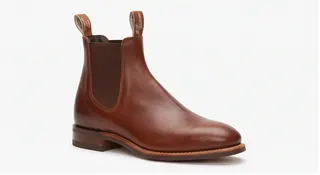 Boots · since 1966 R.M. Williams Craftsman Single piece of leather boot, handcrafted in Adelaide since 1932. Read the entry →