David Mellor
David Mellor Pride Table Fork
Since 1954 · 72 years to 2026 · First made in Sheffield, South Yorkshire
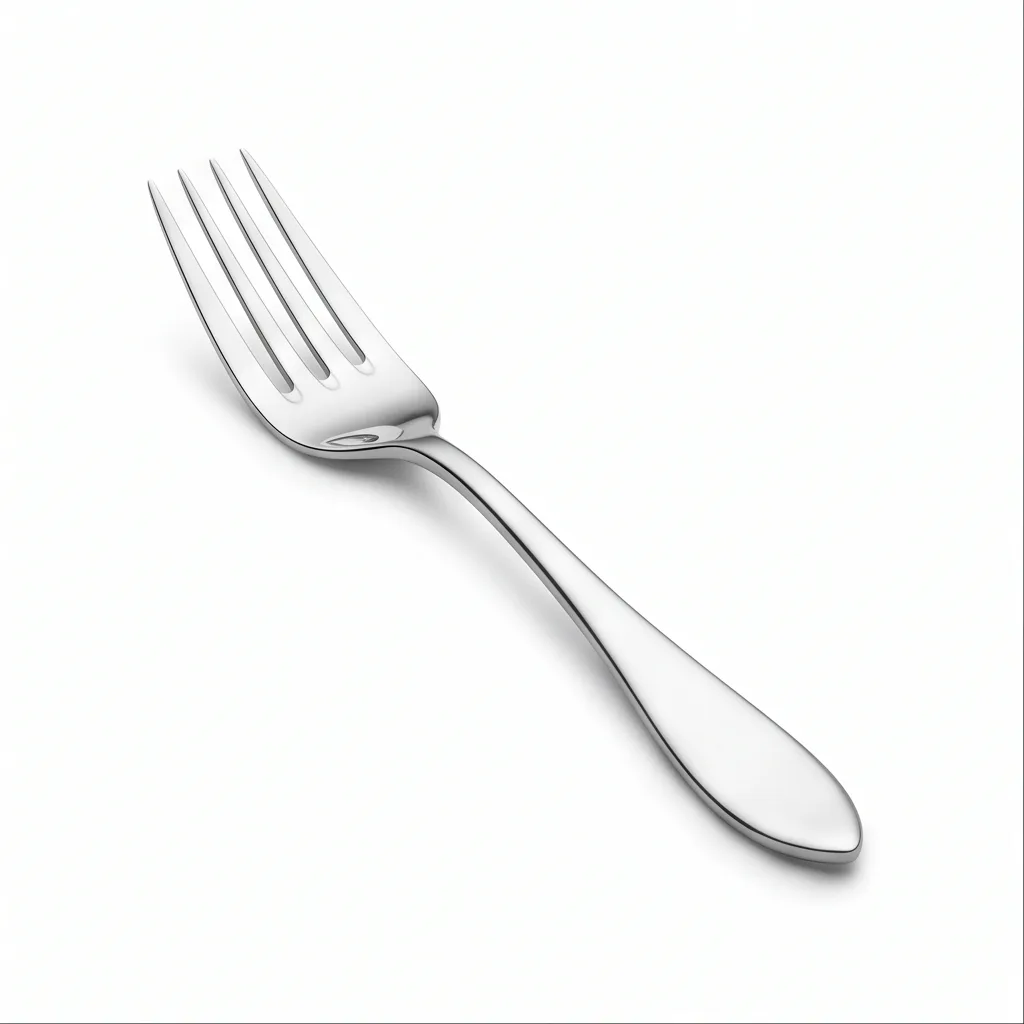
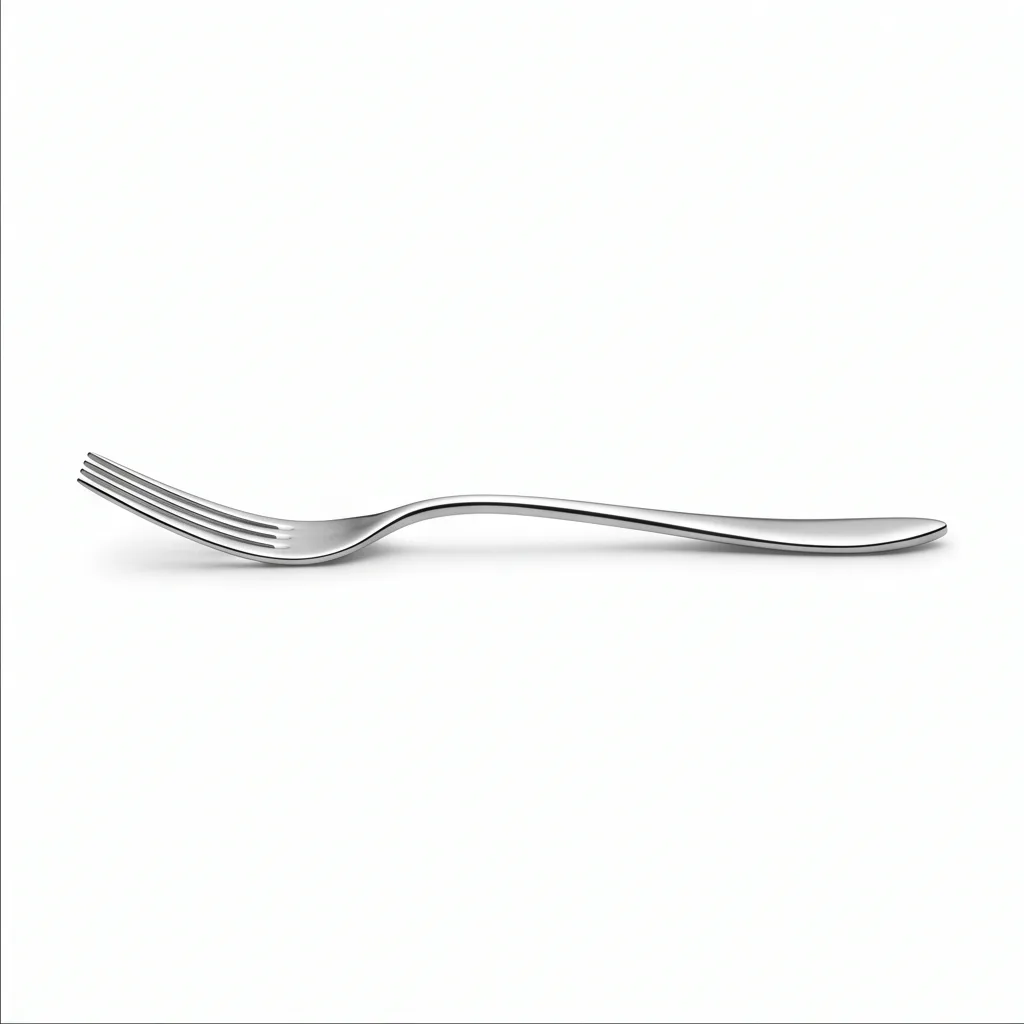
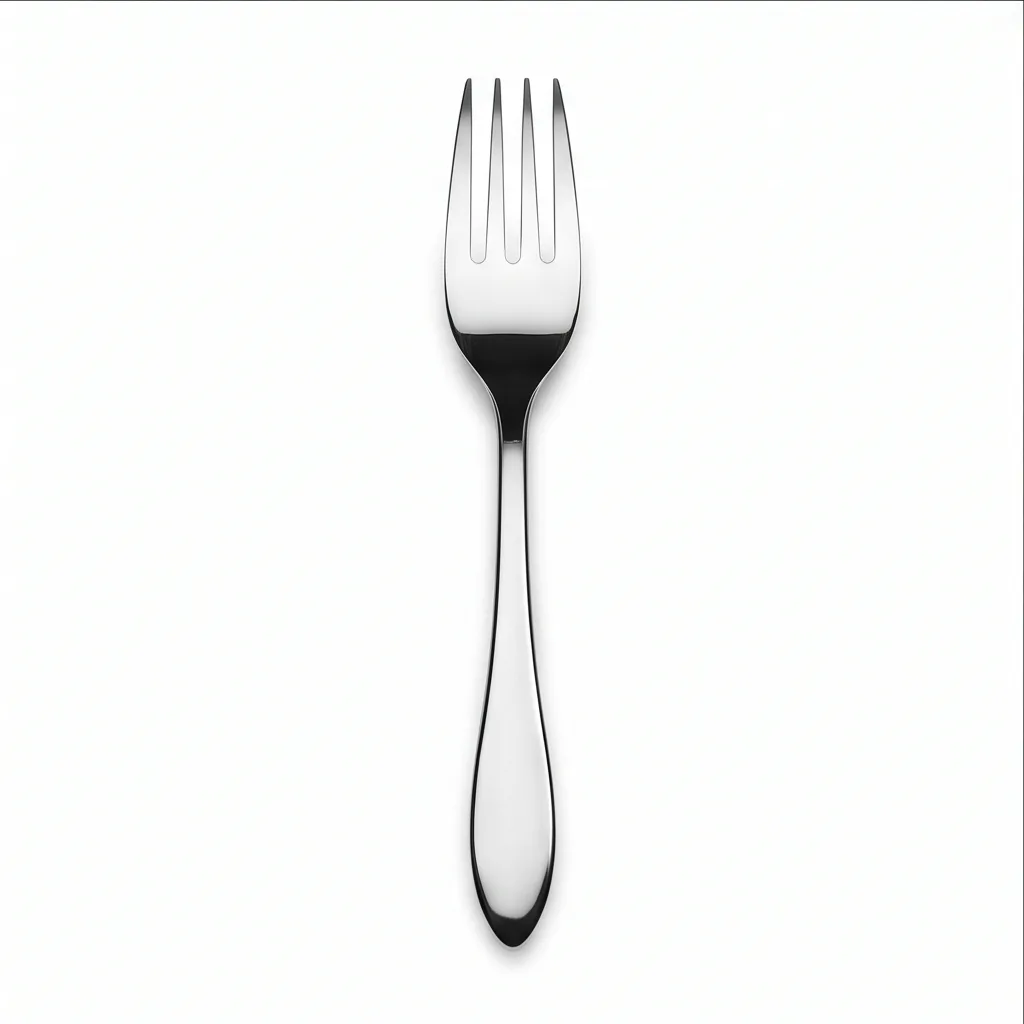
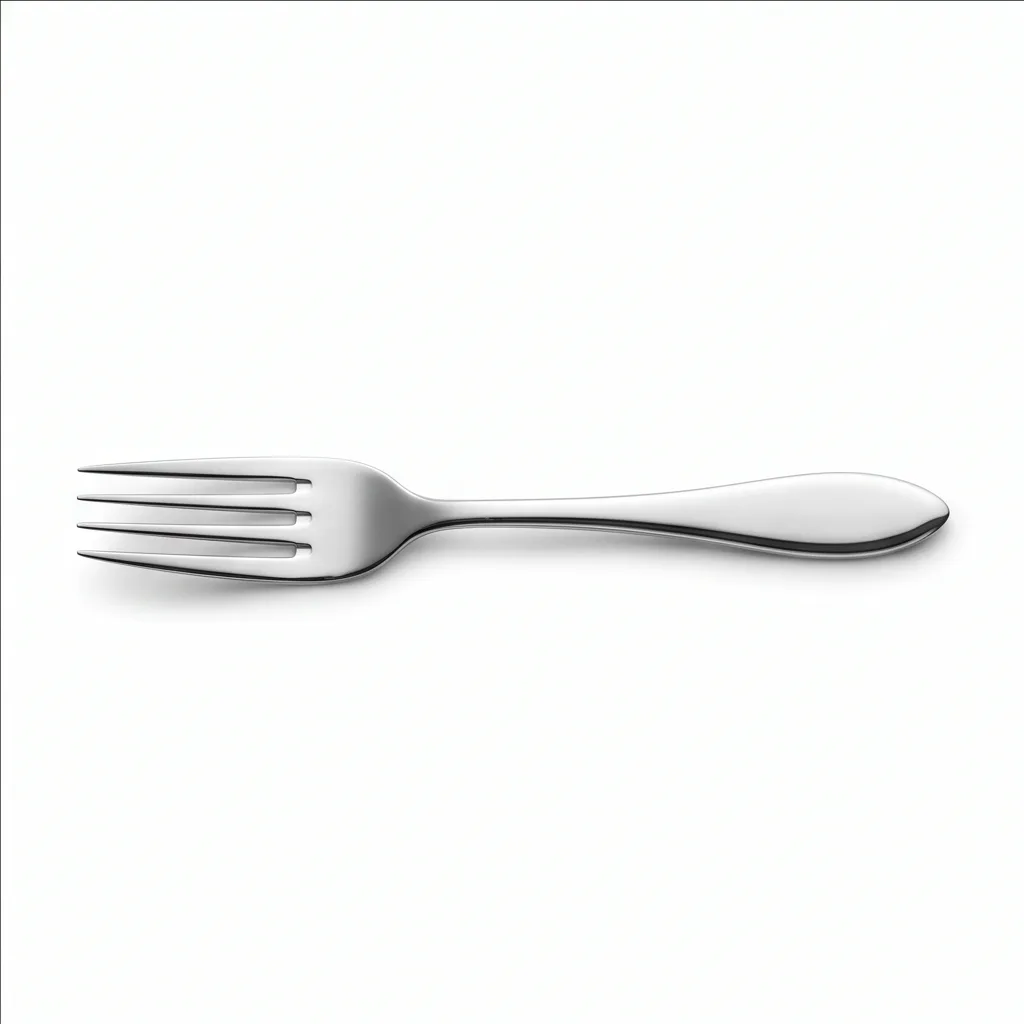
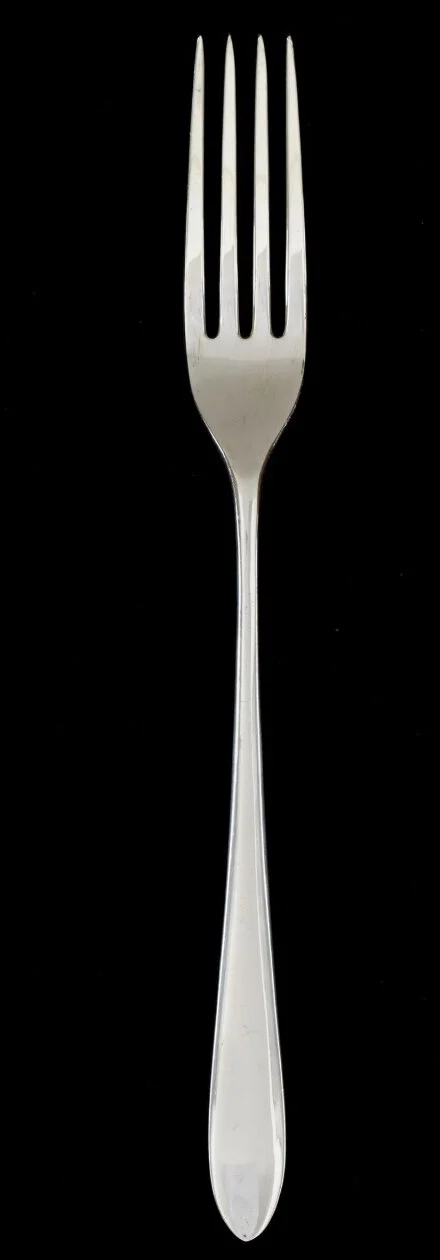
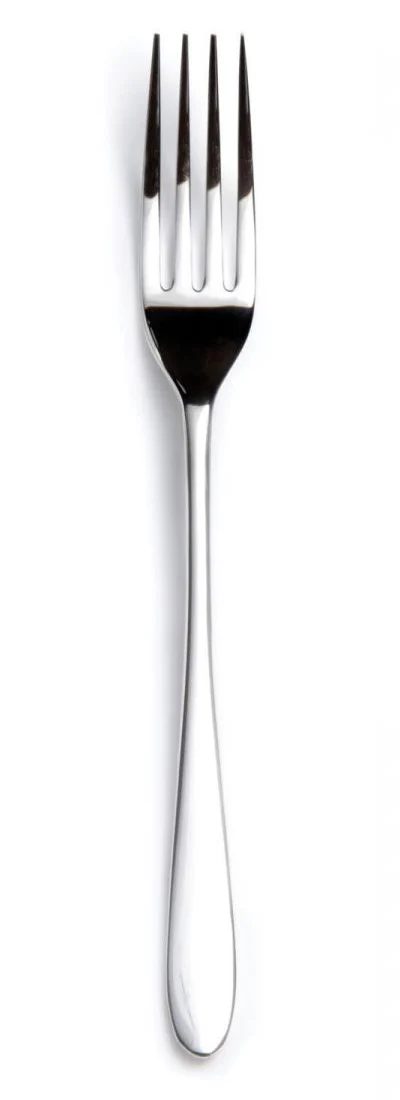
The Pride table fork is a plain piece of silver-plated cutlery, a little over twenty centimetres long. Four long, fine tines rise from a short, rounded head; the stem is thin where it leaves the head and widens slowly along its length into a long, flat oval that ends in a soft point. There is no bead, shoulder, thread or engraving, only a mirror polish and a line that tapers and swells like a drawn stroke.
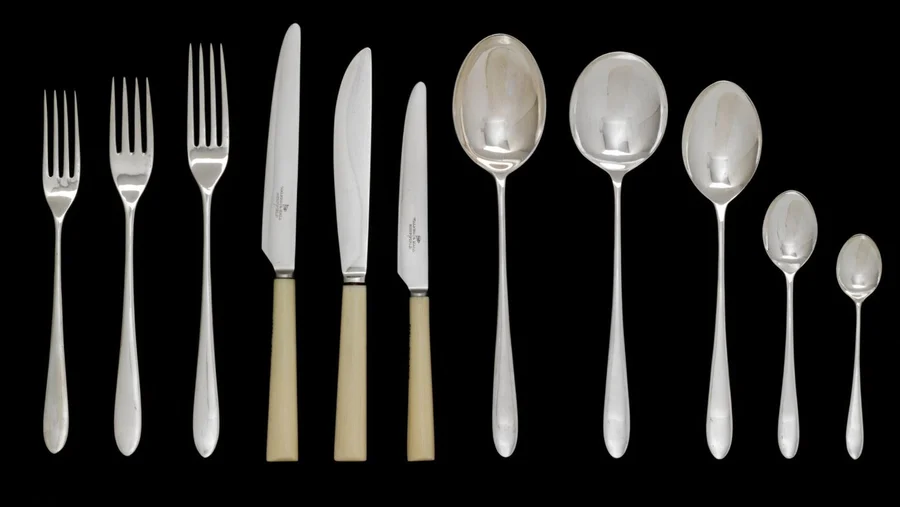
Its designer, David Mellor, was a Sheffield toolmaker's son who trained as a silversmith and drew Pride in 1953 as a student at the Royal College of Art. The V&A describes its forms as inspired by eighteenth-century English cutlery, and the fork shows it: the long stem and simple oval are Georgian in proportion, stripped of their ornament. In 1954 Mellor became a consultant to Walker & Hall, the Sheffield silver firm, which put the design into production, and in 1957 it was among the first winners of the Design Centre Awards.
Mellor became the best-known cutlery designer in Britain, and much else besides: bus shelters, the national traffic lights, the five-piece government place setting. From the 1970s he made his own cutlery at Broom Hall in Sheffield, where his workers moved from task to task rather than repeating one, and in 1990 he moved to a round, purpose-built factory at Hathersage in the Peak District. Pride, his first design, came with him.
The fork made at Hathersage today is within a few millimetres of the one Walker & Hall gave to the Victoria and Albert Museum in 1959, and it is still made first in silver plate, the material it was drawn for. Stainless steel and sterling silver versions have been added, but the silver plate fork remains the original, the version Mellor drew as a student.
Timeline
- 1953 Designed David Mellor designs Pride cutlery while a student at the Royal College of Art in London.
- 1954 First made · Claimed David Mellor Pride Table Fork enters production in Sheffield, South Yorkshire.
- 1957 Recognised Pride, made in silver plate by Walker & Hall of Sheffield, is among the first Design Centre Awards.
- 1975 Production Mellor begins manufacturing his own cutlery at Broom Hall in Sheffield (the V&A's date; Wikipedia gives 1973).
- 1990 Production Cutlery making moves to the Round Building, a factory designed by Michael Hopkins at Hathersage in the Peak District.
Milestones as we found them, not as we've checked them.
From the archive
More like this
-
 Tableware & Glassware · since 1954 Duralex Picardie The tempered French café tumbler, made outside Orléans since 1954.
-
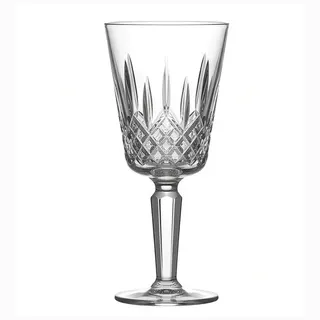 Tableware & Glassware · since 1952 Waterford Lismore Goblet Miroslav Havel's diamond-and-wedge goblet, cut for Waterford since 1952.
-
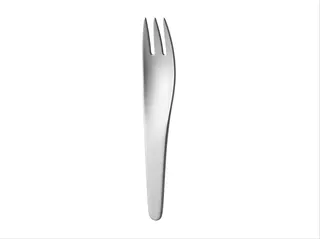 Tableware & Glassware · since 1957 Arne Jacobsen AJ Dinner Fork Arne Jacobsen's three-tined strip of steel, shown in Milan in 1957 and laid on Kubrick's space station.
-
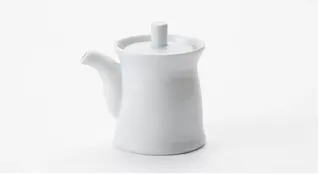 Tableware & Glassware · since 1958 Hakusan G-Type Soy Sauce Bottle Masahiro Mori's porcelain soy bottle of 1958, made at Hasami without change ever since.