Garden & Outdoor · Camping & Outdoor · Lanterns & Stoves
Feuerhand
Feuerhand Baby Special 276
Since 1933 · 93 years to 2026 · First made in Beierfeld, Germany
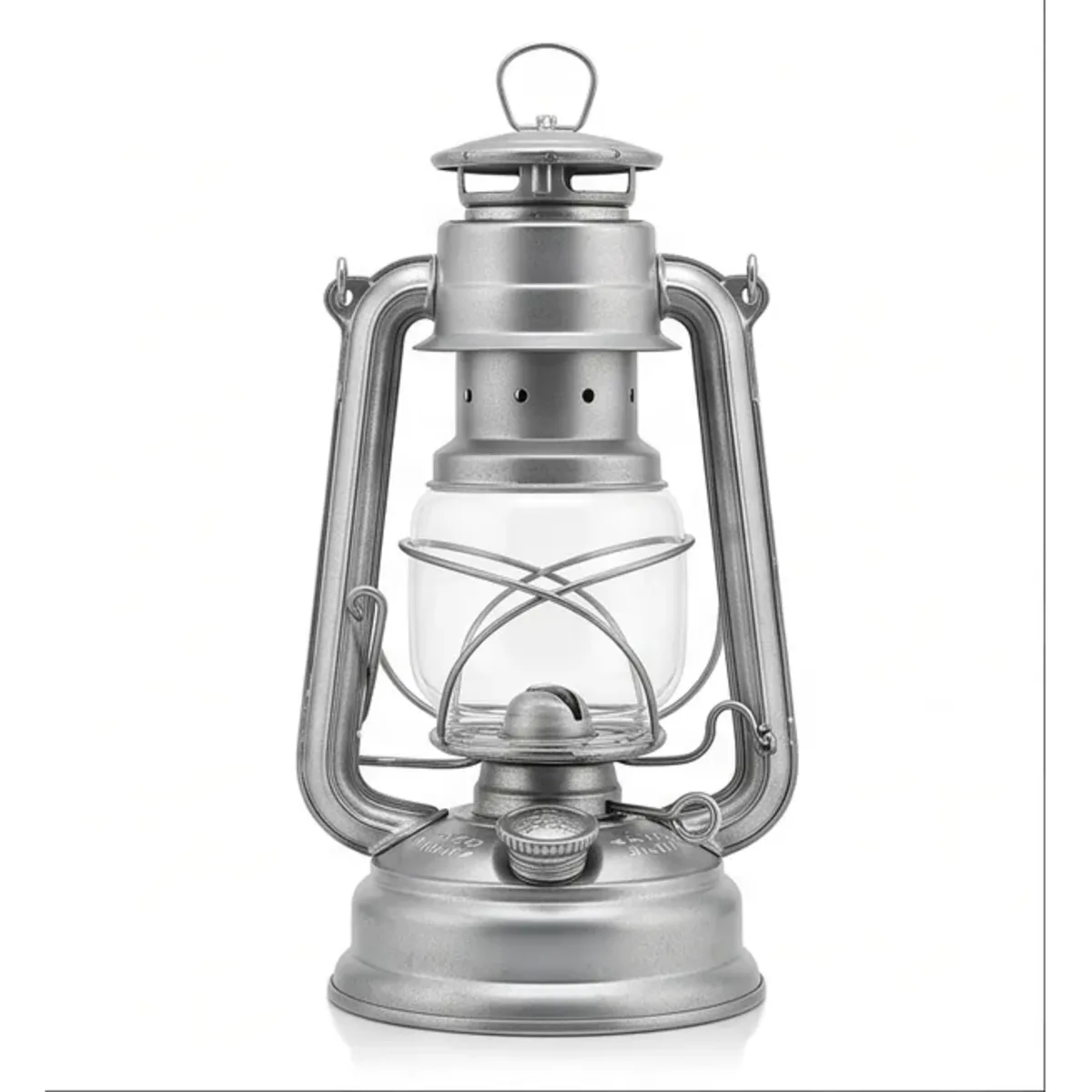
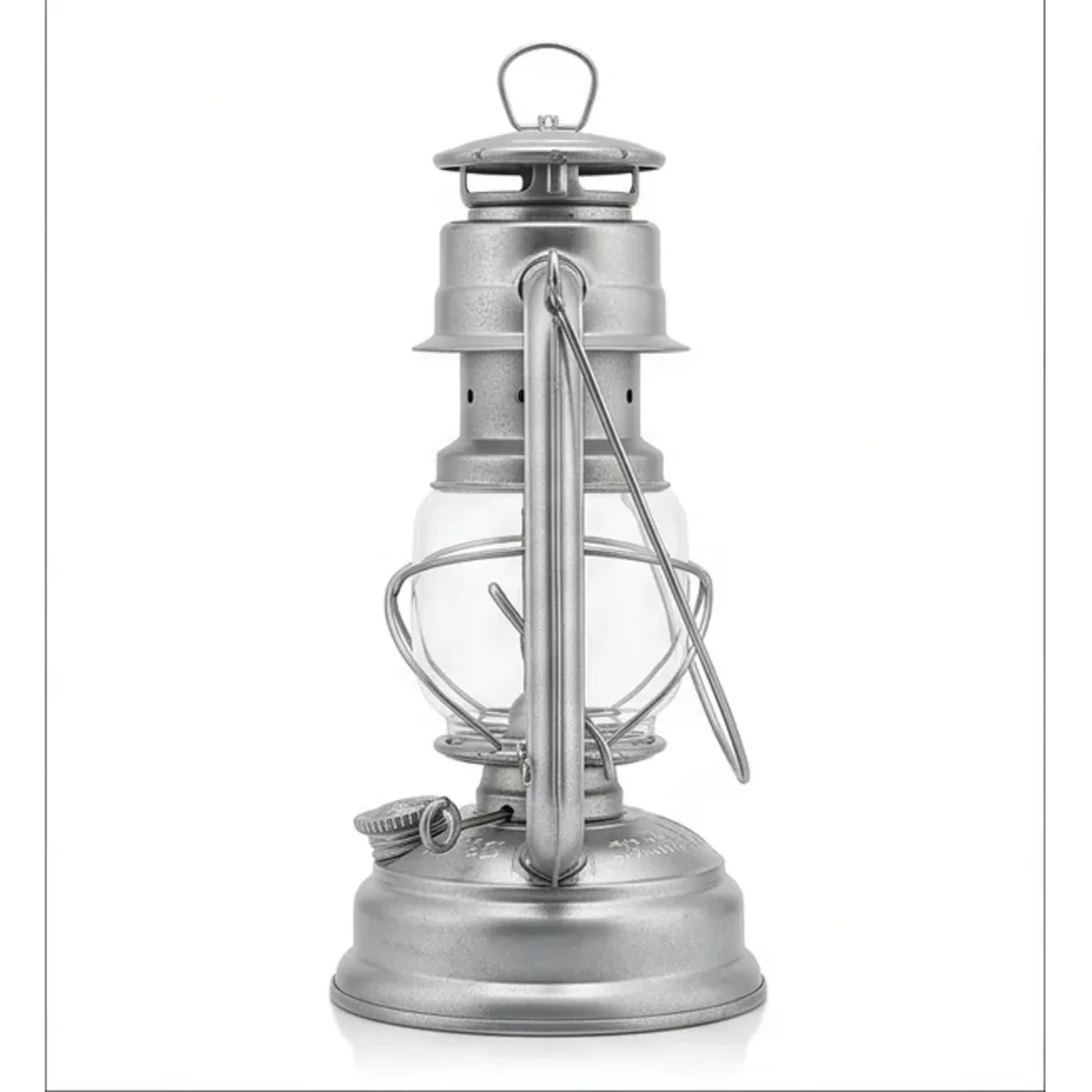
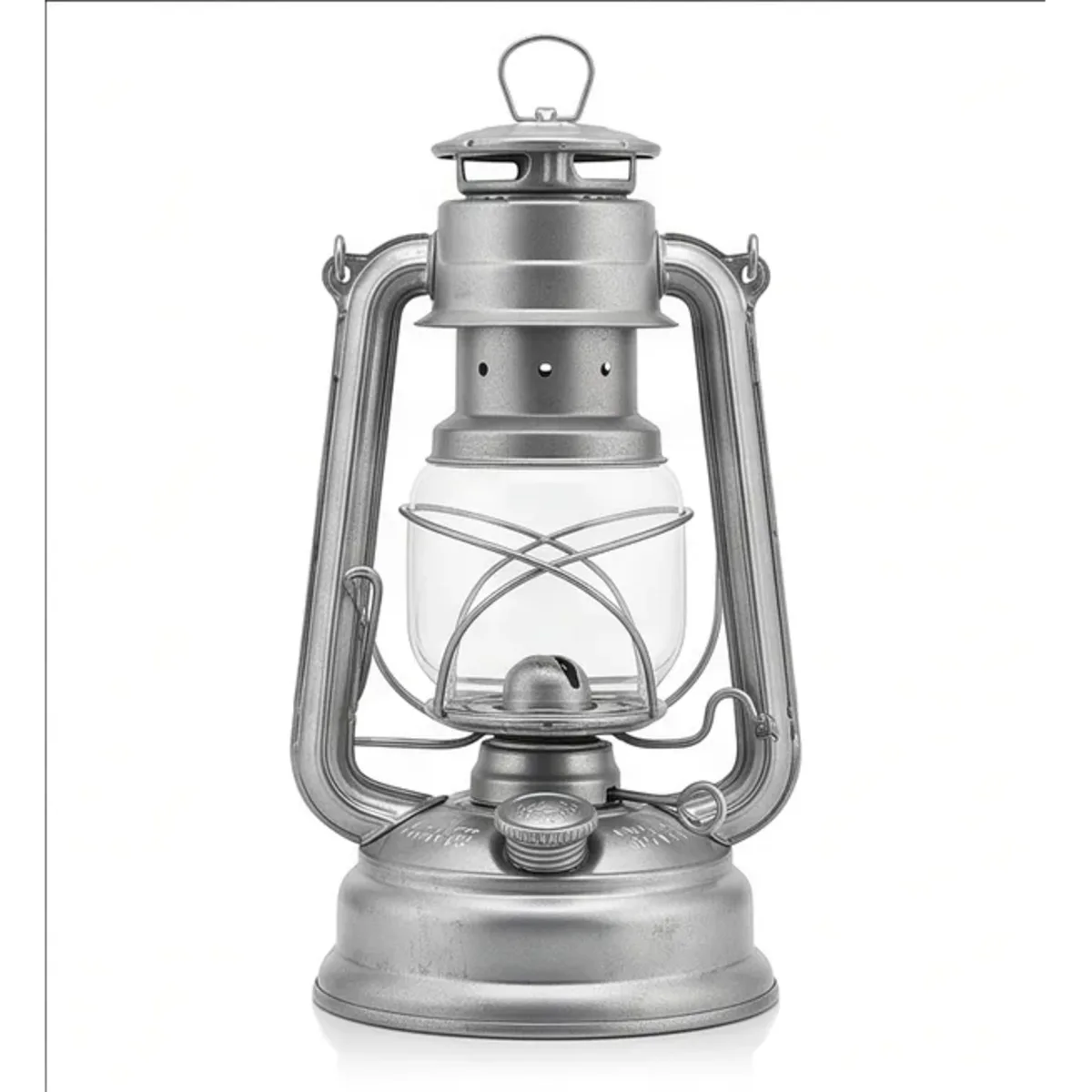
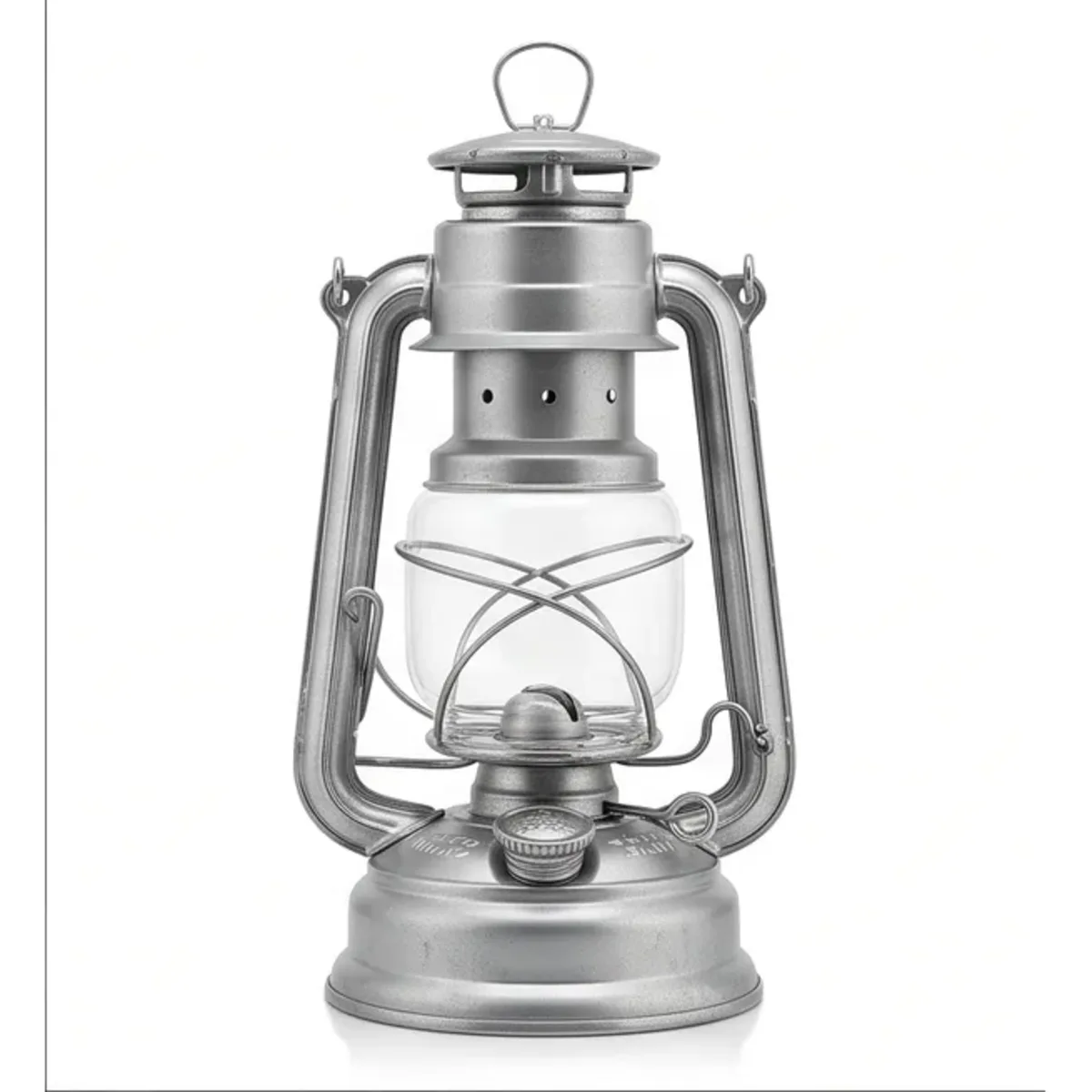
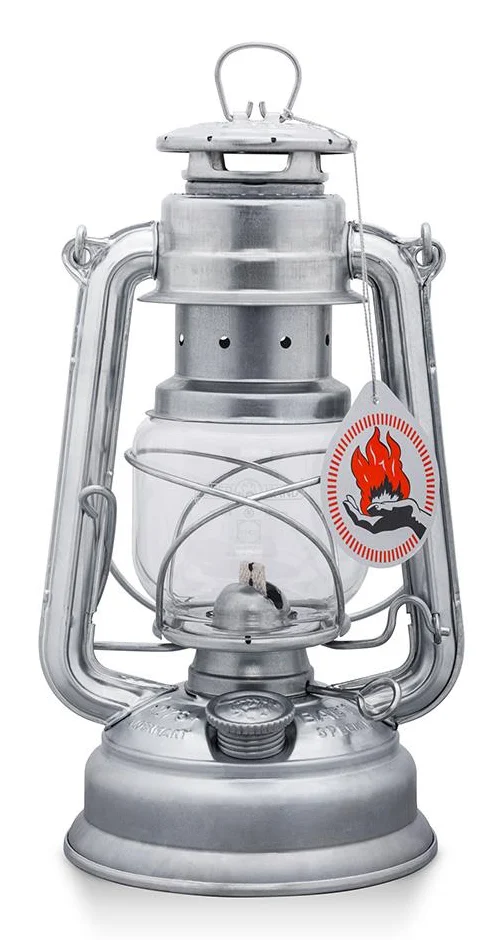
The Baby Special 276 is a small storm lantern about 26 centimetres high, made of galvanised sheet steel. A round fuel tank holds about a third of a litre of paraffin, enough for some twenty hours. From the tank rise two tubular side frames that carry air down to a flat-wick burner, and between them sits a clear borosilicate globe inside a cage of crossed wires. A lever lifts the globe for lighting; a wire bail carries the whole.
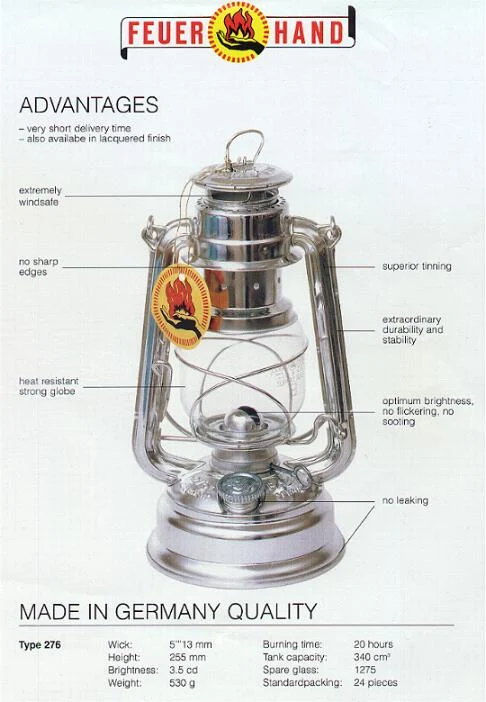
The lantern belongs to the Baby series that Nier-Feuerhand of Beierfeld, in the Saxon Erzgebirge, introduced in 1933, according to the maker, or in 1933/34 by the reckoning of the collector Detlef Bunk. Its globe came from Schott in Jena. Cold-blast lanterns like this one draw fresh air down the frame to the flame, which keeps them burning in a gale, and the small Baby models sold widely abroad.
The firm's own history then broke apart. Production stopped at the end of 1944, and in 1945 Soviet forces dismantled the Beierfeld works. Two of the Nier brothers rebuilt the business at Hohenlockstedt in Holstein, cutting new dies and, by 1950, making a revised Baby series there; the 276 has carried the name Baby Special since 1954. It lit West German road works until the 1970s and was exported to regions without electricity, where hurricane lanterns were daily equipment rather than garden ornaments.
By 2002 the 276 was the only lantern the firm still made. An insolvency at the end of 2012 halted production for most of the following year, and the lantern came back in galvanised rather than dip-tinned steel, later also in powder-coated colours. The brand now belongs to Petromax, and the lamp is still pressed in Hohenlockstedt, a working object that has become, almost by accident, an emblem of German manufacture.
Timeline
- 1933 First made · Claimed Feuerhand Baby Special 276 enters production in Beierfeld, Germany.
- 1933 Nier-Feuerhand at Beierfeld, Saxony, introduces the Baby series of small cold-blast storm lanterns, including No. 276, with Jena borosilicate globes.
- 1950 Production After the Beierfeld works is dismantled in 1945, the Nier family restarts production at Hohenlockstedt, Holstein, with a revised Baby series.
- 2013 Tin-dipping is abandoned and the 276 is made in galvanised steel, the 'Eternity' version, after the firm's insolvency.
- 2013 Paused Feuerhand GmbH filed for insolvency in October 2012; the administrator kept production going to the end of 2012 but announced on 4 January 2013 that the firm could not be saved. German Wikipedia records that production resumed with new staff towards the end of 2013, on the Hohenlockstedt site whose halls and machines had passed to Müller & Co.
- 2013 Resumed Production resumes.
- 2014 Ownership The Feuerhand brand passes to the Petromax group; the lantern is still made at Hohenlockstedt.
Milestones as we found them, not as we've checked them.
More like this
-
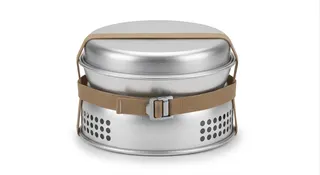 Lanterns & Stoves · since 1951 Trangia 25 Storm Cooker A burner, two pots and a windshield that nest into one, made in Trångsviken since 1951. Read the entry →
 -
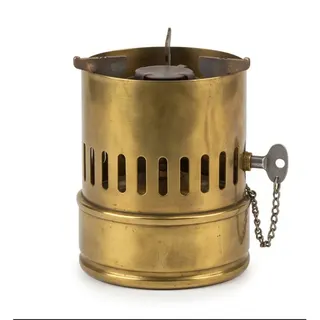 Lanterns & Stoves · since 1955 Optimus Svea 123 A brass pocket stove from Sundbyberg that has roared on the same priming cup since the mid-1950s. Read the entry →
 -
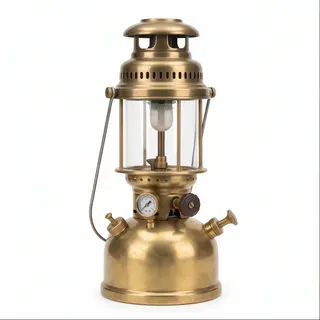 Camping & Hiking · since 1919 Tilley Lamp Pressurised paraffin lamp in continuous production since 1919 Read the entry →
 -
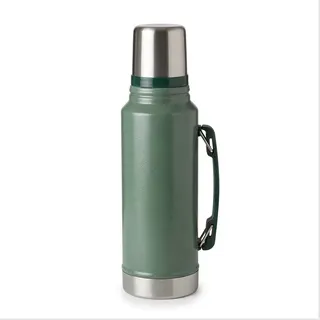 Flasks & Bottles · since 1913 Stanley Vacuum Bottle All-steel vacuum flask, patented 1913, continuously produced. Read the entry →