Musical Instruments · Guitars & Basses · Acoustic Guitars
Guild
Guild D-40
Since 1963 · 51 years to 2026 · First made in New Jersey
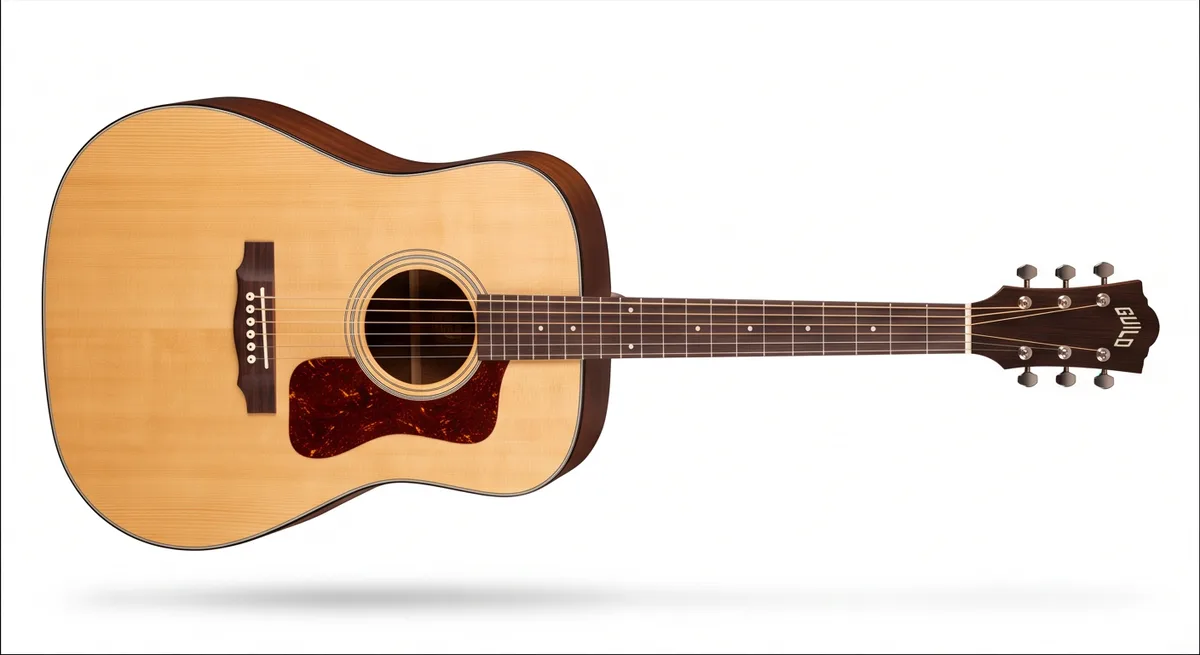
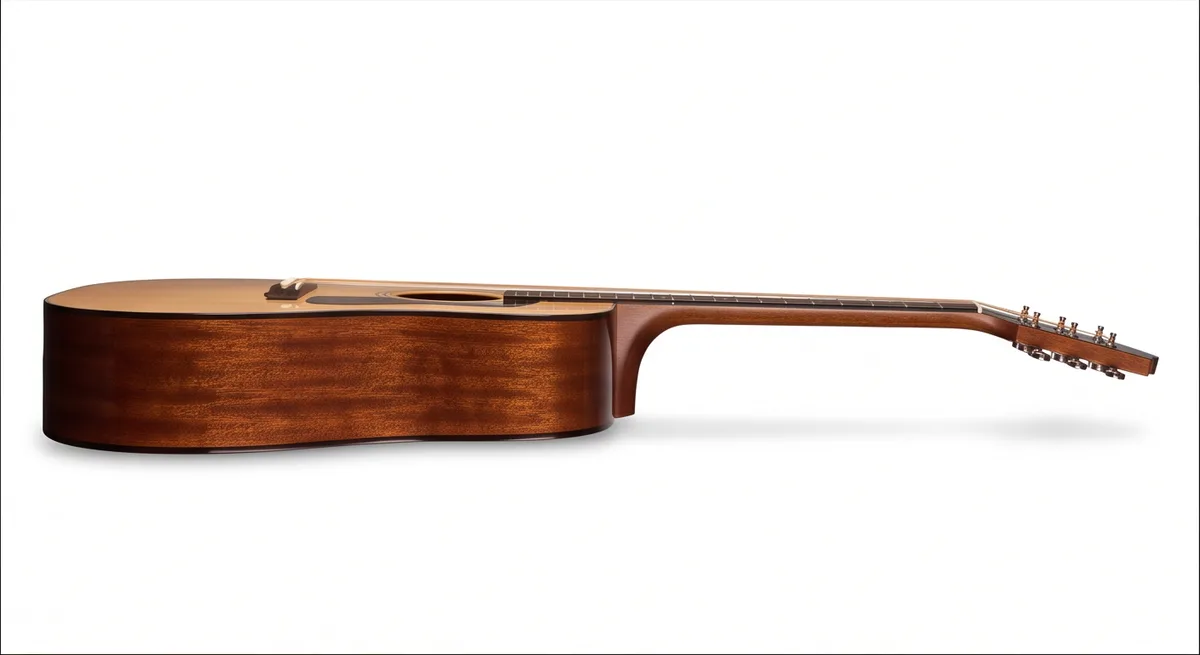
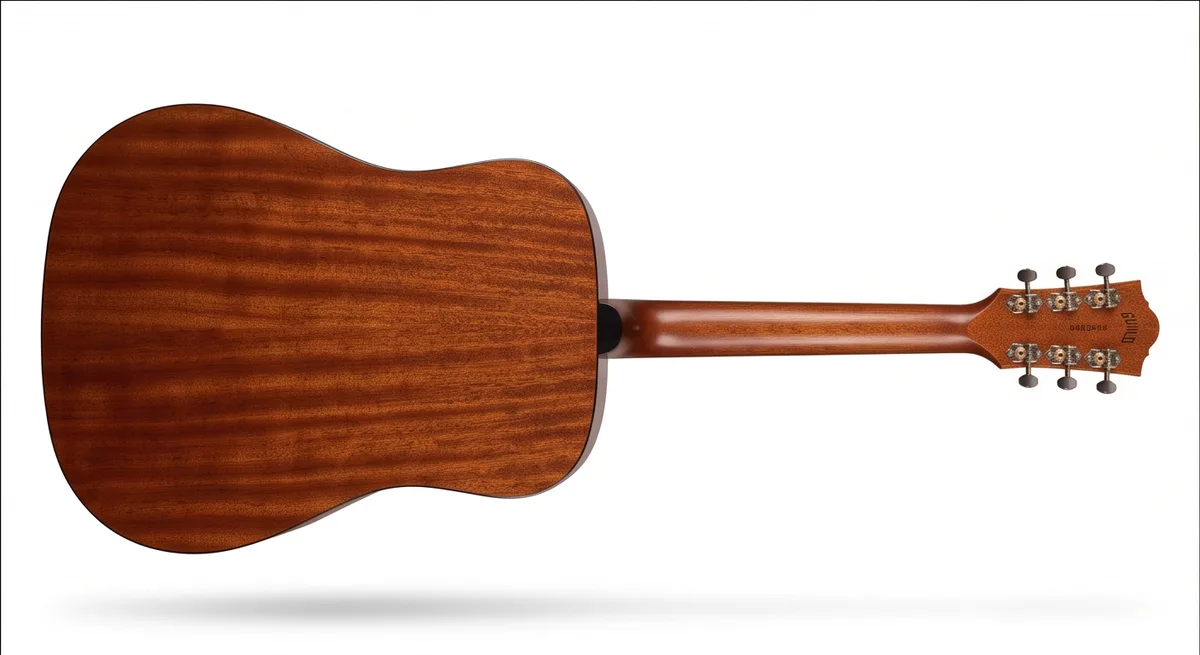
The Guild D-40 is a dreadnought acoustic guitar defined by a spruce and mahogany construction that has become the template for mid-range professional instruments. Introduced during the American folk music boom of the early 1960s, the D-40 offered musicians the tonal characteristics and build quality associated with Guild's premium instruments at a price point below the company's rosewood models. The dreadnought body shape itself—characterized by square shoulders, a wide waist, and a relatively flat lower bout—dates back more than a century and remains the most recognizable acoustic guitar silhouette, prized for its robust low end, punchy midrange, and powerful projection.
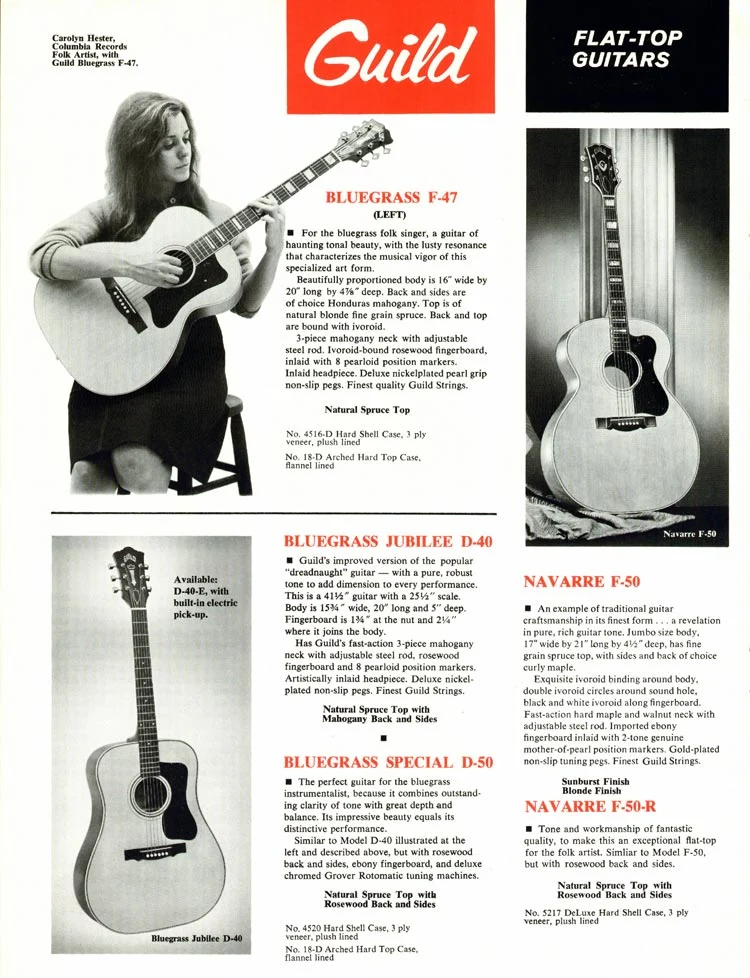
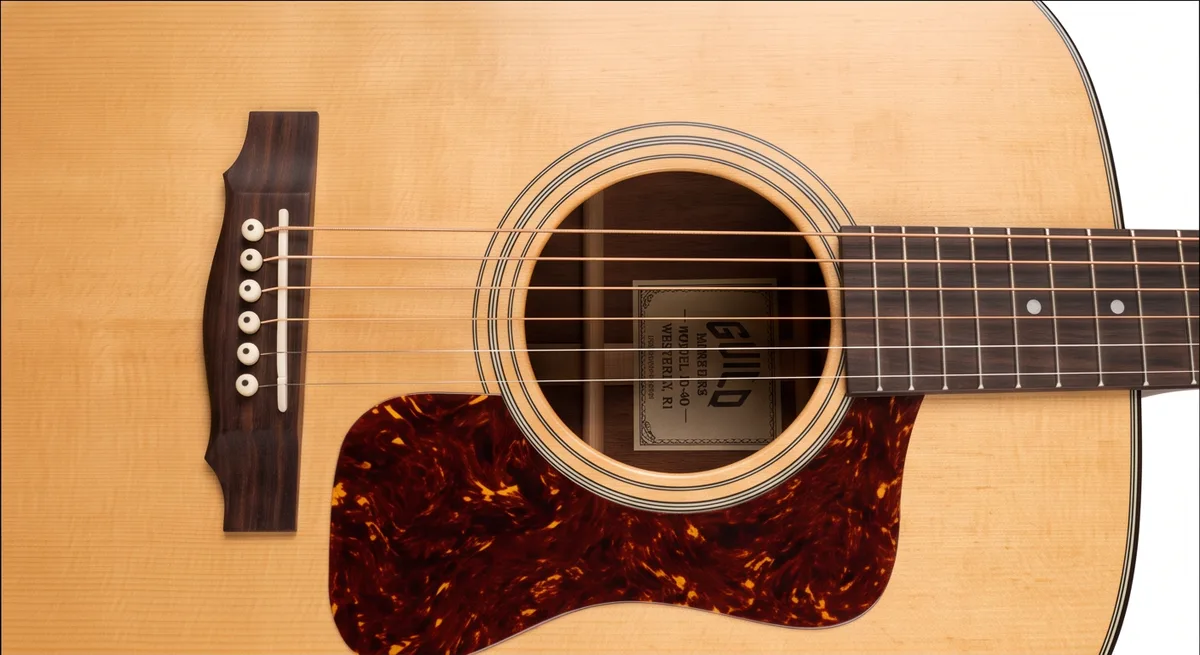
The D-40 employs a solid Sitka spruce top with solid African mahogany back and sides, a pairing that produces a warm, well-balanced tone with earthy richness and brightness. The instrument features scalloped Adirondack bracing for enhanced responsiveness and power, a three-piece mahogany and walnut neck joined to the body with a traditional dovetail joint, and an Indian rosewood fingerboard and bridge. Traditional appointments include a tortoiseshell pickguard and rosette, mother-of-pearl inlays on the headstock, and nickel-plated open-gear tuners. The construction methods and material choices reflect Guild's commitment to durability; the mahogany construction proves particularly resistant to humidity problems, a practical advantage that has contributed to the model's longevity among working musicians.
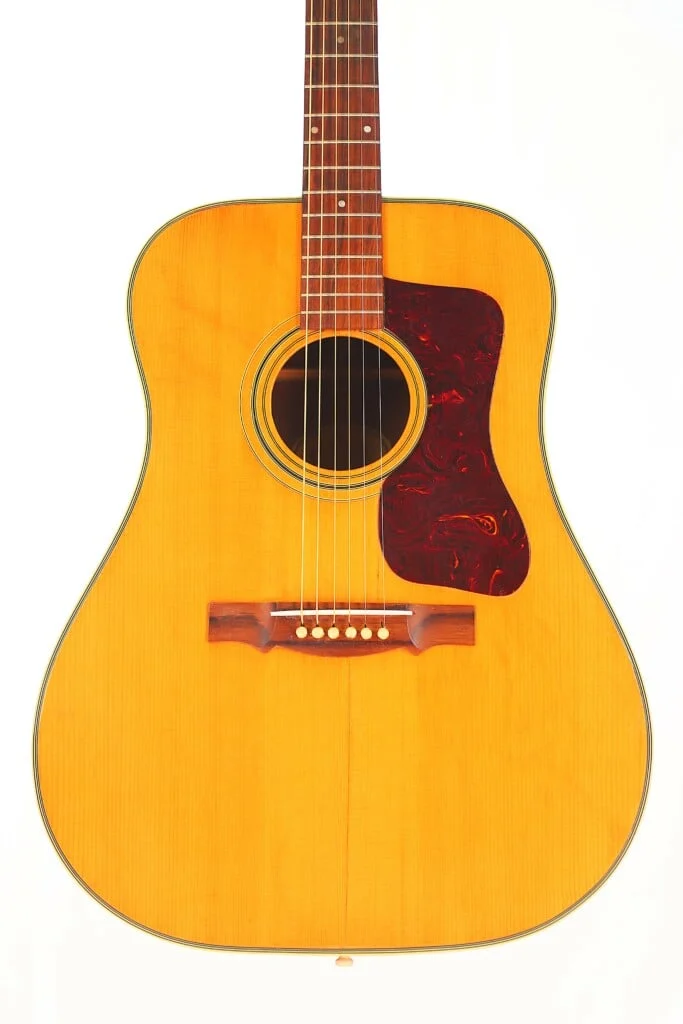
Since its introduction, the D-40 has served as a reliable instrument for flatpickers and strummers across folk, country, and popular music. Early examples from the Hoboken era (1963–1968) and the initial Westerly production years (1969–1975) are particularly sought after by collectors, though the model's fundamental design has remained consistent across decades of production. The guitar's endurance reflects both its sonic qualities and its positioning as an accessible entry point to Guild's craftsmanship—a role it has maintained through multiple ownership changes and production relocations. Current production continues in the United States, with the D-40 available in both Traditional and Standard series configurations, each maintaining the core specifications that have defined the model since its inception.
Timeline
- 1963 First made · Verified Guild D-40 enters production in New Jersey.
- 1991 Released The D-40 is discontinued.
- 1991 Paused guitar-list.com states the D-40 was discontinued in 1991 and reintroduced in 2003 when Fender acquired Guild and moved production to its Corona, California factory — a gap of approximately 12 years during which the model was not in production.
- 2003 Ownership Fender acquires Guild and relocates production to Corona, California.
- 2003 Resumed Production resumes.
- 2008 Ownership Fender acquires Kaman Music Corporation and its New Hartford, Connecticut facility.
Milestone dates are taken from the production notes behind this entry and have not been checked separately.
More like this
-
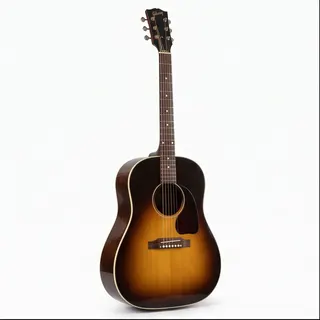 Acoustic Guitars · since 1942 Gibson J-45 The workhorse acoustic, in continuous production since 1942. Read the entry →
 -
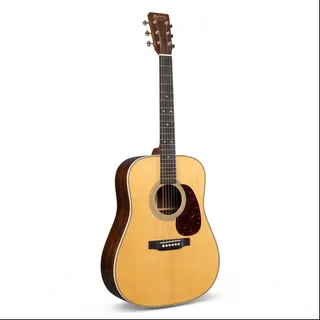 Acoustic Guitars · since 1931 Martin D-28 The dreadnought acoustic that defined a century of guitar-making. Read the entry →
 -
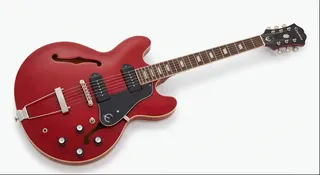 Electric Guitars · since 1961 Epiphone Casino Hollow-body electric guitar in continuous production since 1961. Read the entry →
 -
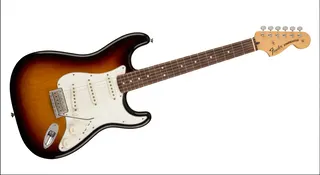 Electric Guitars · since 1954 Fender Stratocaster The electric guitar archetype, continuously manufactured since 1954. Read the entry →