Electronics & Audio · Audio · Speakers & Radios
Klipsch
Klipsch Heresy
Since 1957 · 69 years to 2026 · First made in Hope, Arkansas
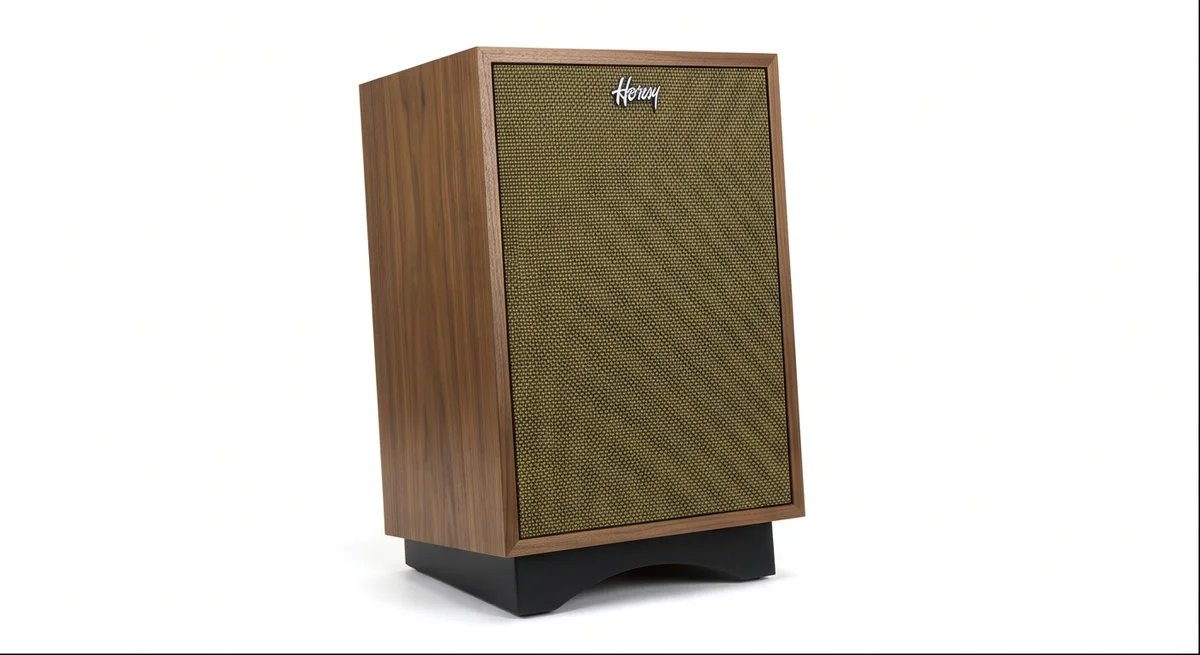
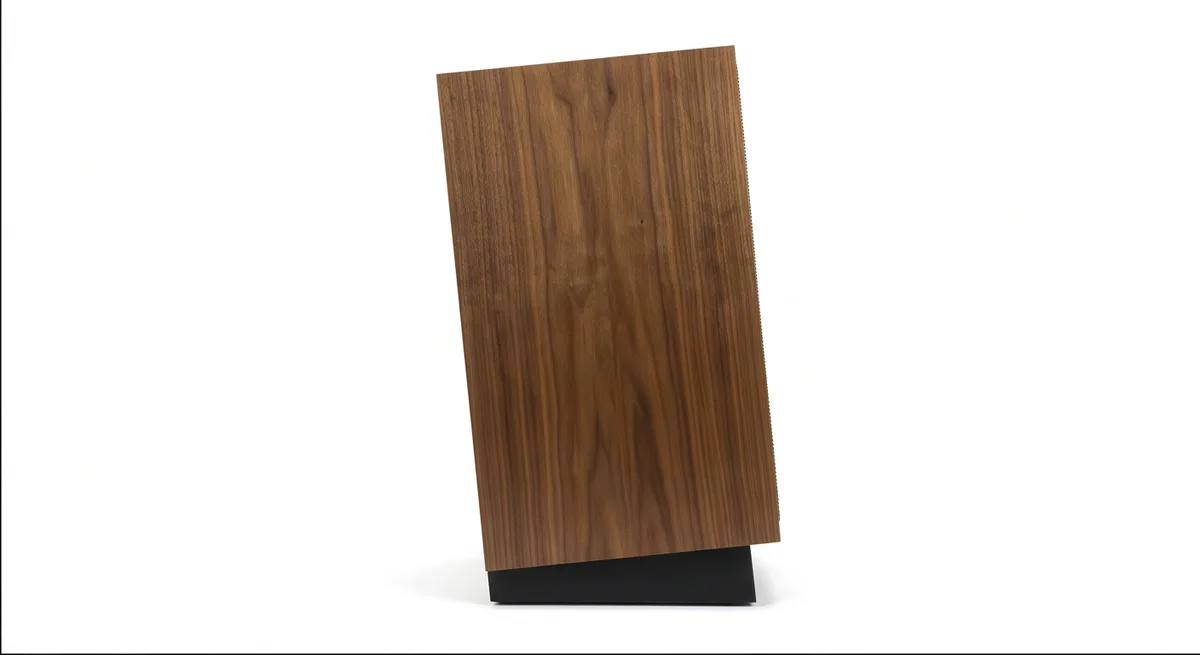
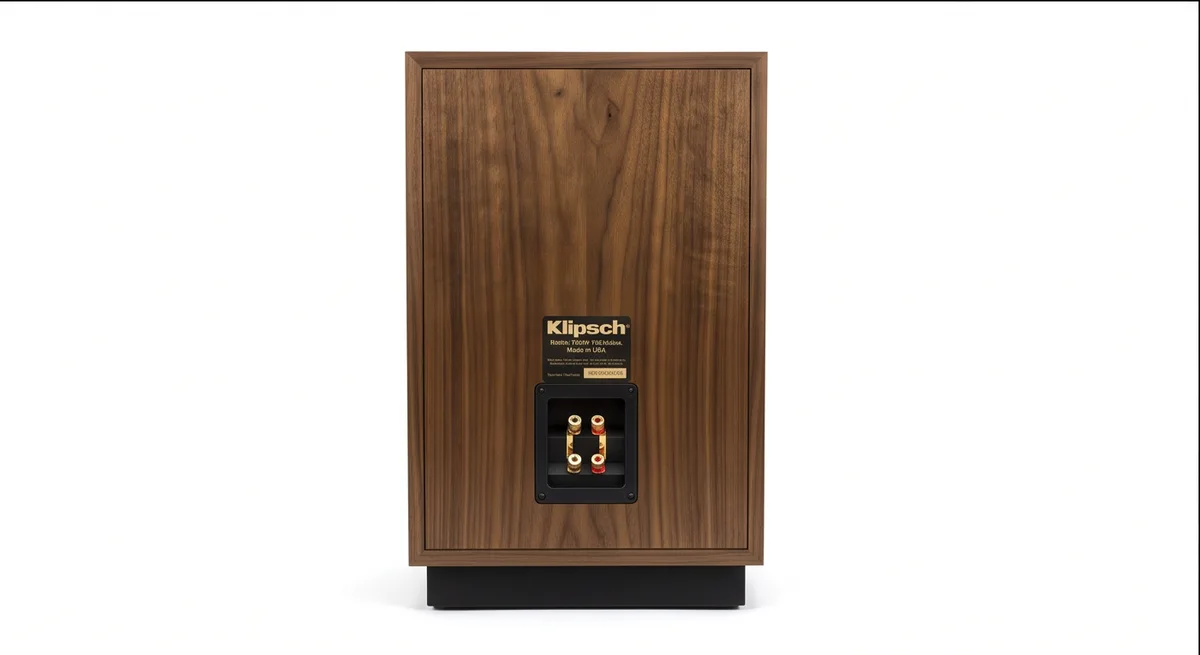
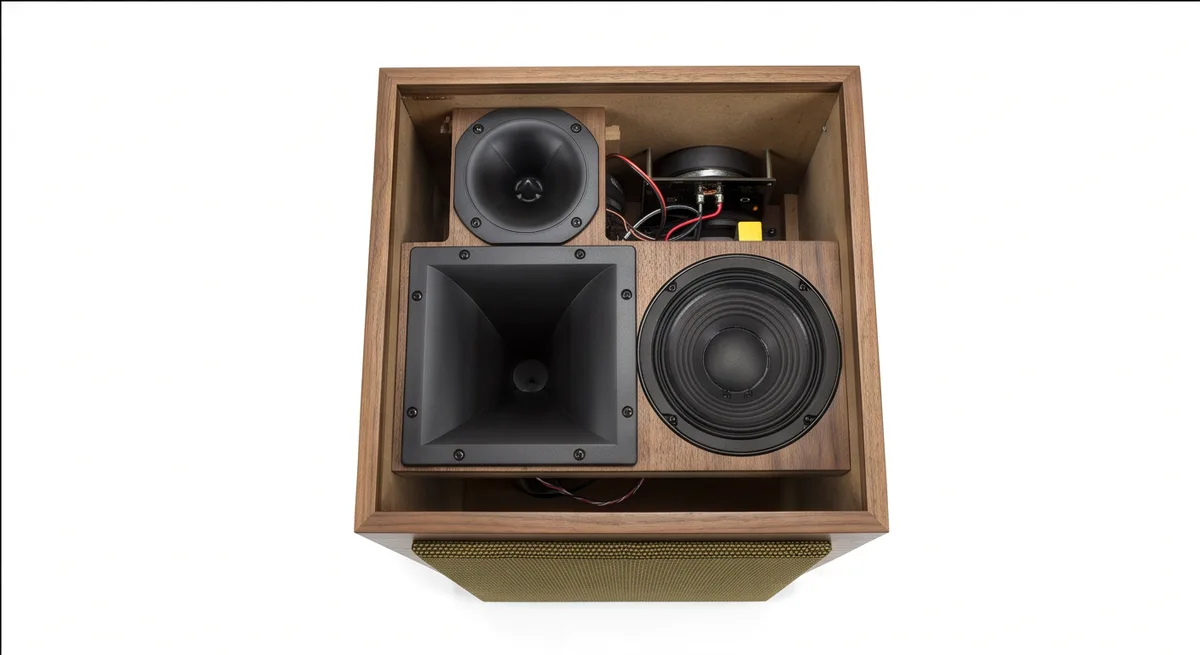
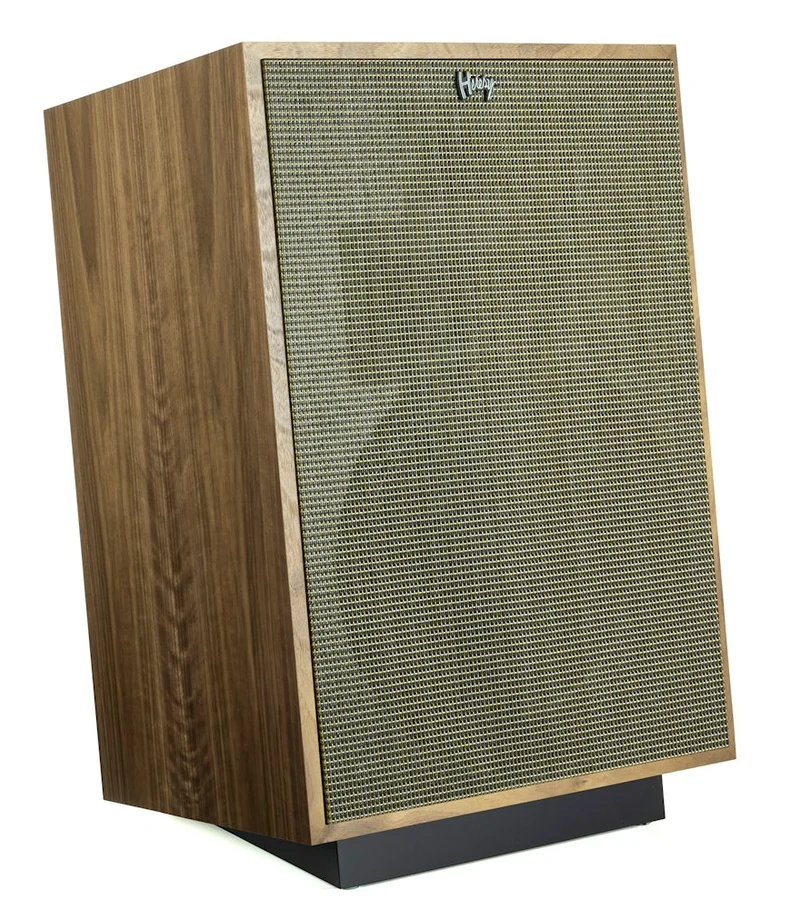
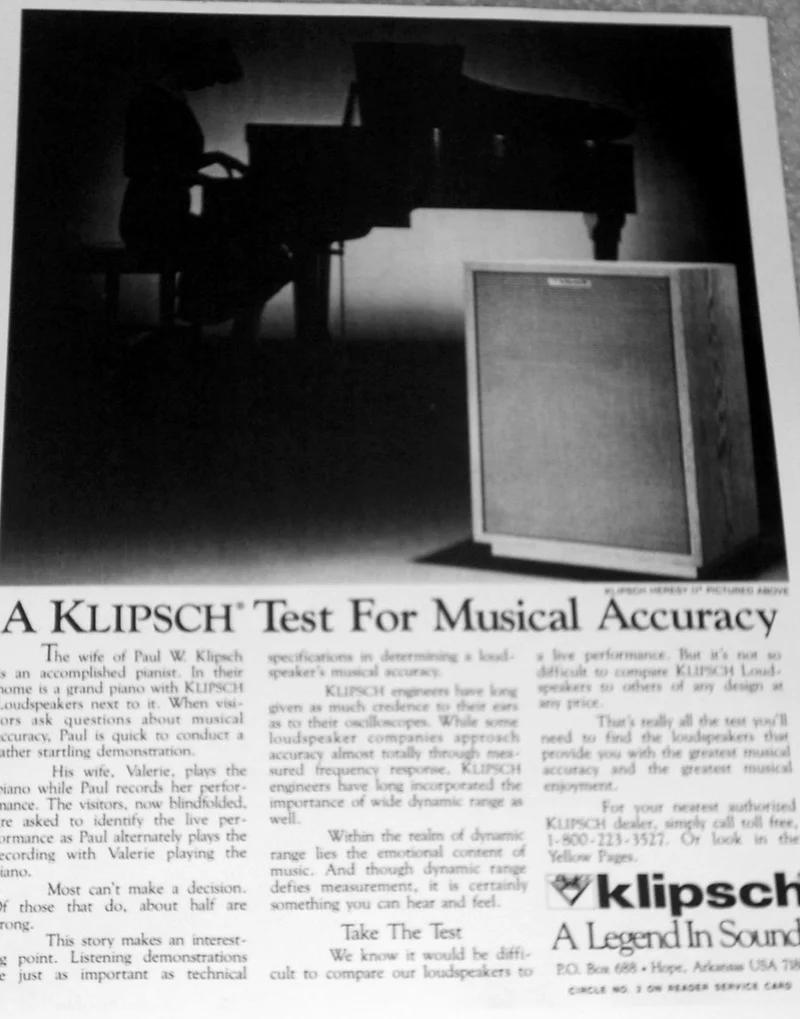
The Klipsch Heresy is a compact loudspeaker, a plain upright box about 63 centimetres high, veneered in wood and faced edge to edge with grille cloth. Behind the cloth are three drivers: a 12-inch fibre-composite cone woofer at the bottom, and above it two small horns, one for the midrange and one for the treble, each driven by a compression driver. The cabinet sits on a low black riser that tips it slightly back, aiming the horns at a seated listener.
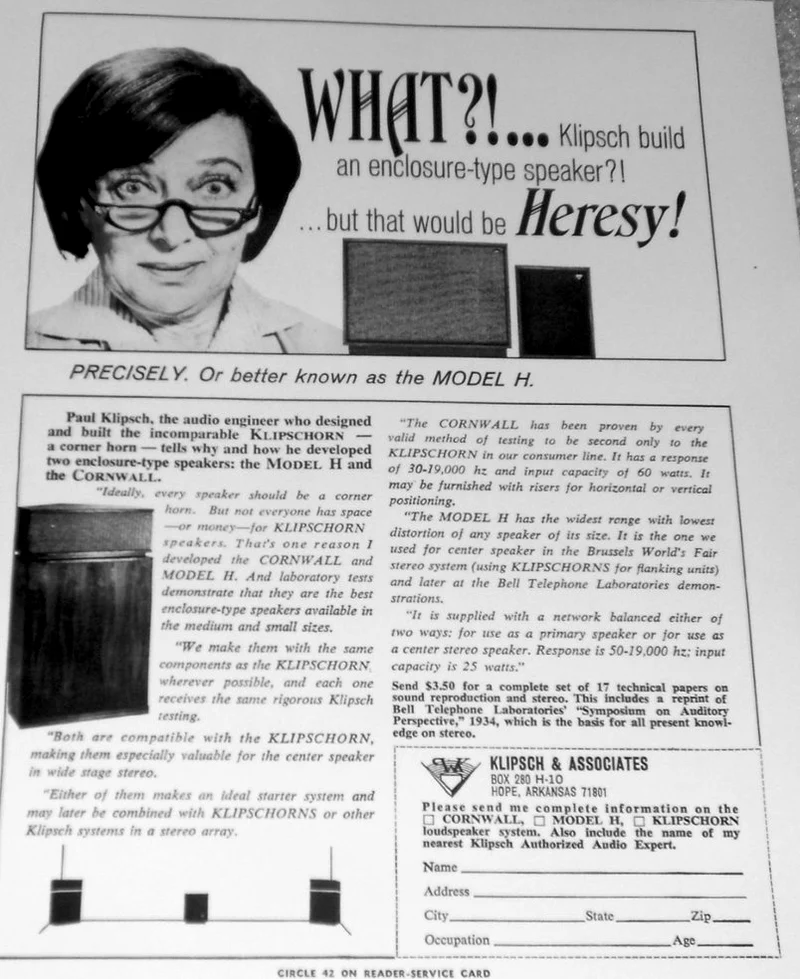
Paul W. Klipsch had built his reputation on the Klipschorn, a corner horn that used the walls of the room as part of the speaker. Stereo of his kind meant two Klipschorns in the corners and a third speaker between them, and in 1957, the company says, he introduced this small box to fill that centre place. An associate remarked that a Klipsch speaker made for a flat wall would be heresy; Klipsch kept the word as the name. A year later a Heresy stood between two Klipschorns in the American pavilion at the Brussels World's Fair.
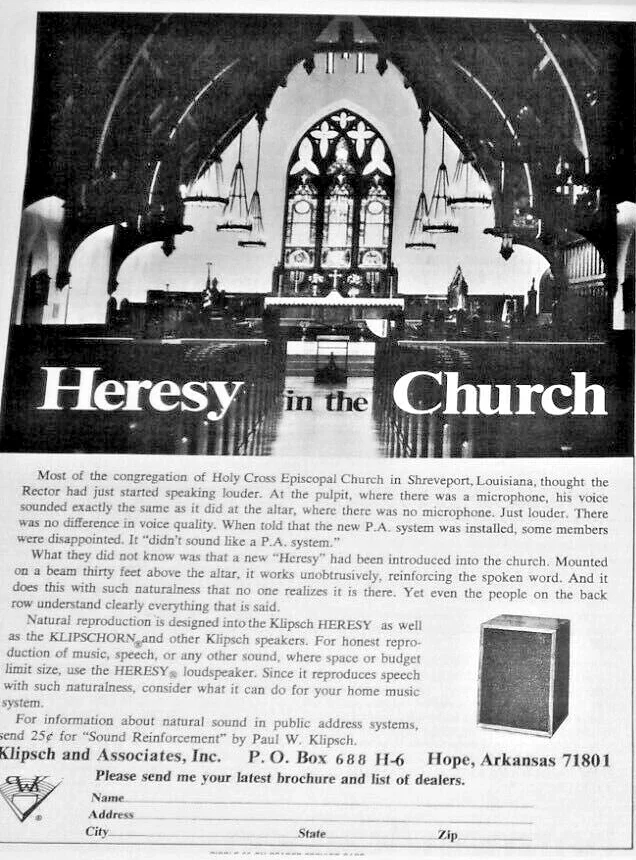
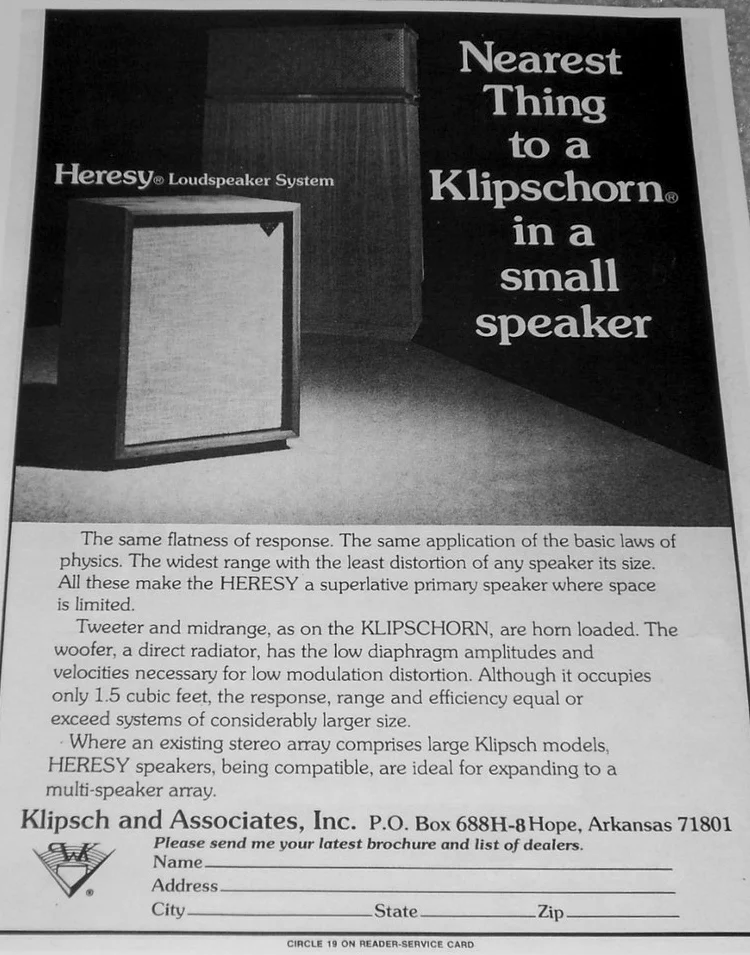
Klipsch sold it in the 1960s as the Model H, as an advertisement of 1967 shows, with a crossover network set either for centre use or for use as a main speaker. It became the latter, and found an unexpected market in churches: by 1973 the firm was running advertisements headed "Heresy in the Church". Its claim was efficiency, much sound from a small amplifier, which a box of a cubic foot and a half with horn-loaded upper drivers could provide.
The speaker has been revised in numbered versions. The Heresy III of 2006 brought a stronger woofer and titanium-diaphragm compression drivers; the current Heresy IV adds, for the first time, a rear port to extend the bass, and new drivers and crossover. The arrangement has not changed: one 12-inch woofer, two horns, one compact box. It is still assembled at Hope, Arkansas, where Klipsch has built speakers since 1946.
Timeline
- 1957 First made · Verified Klipsch Heresy enters production in Hope, Arkansas.
- 1957 Designed Paul W. Klipsch introduces the Heresy as a compact centre speaker for use between two Klipschorns.
- 1958 Recognised A Heresy serves as centre channel between two Klipschorns in the American pavilion at the Brussels World's Fair.
- 2006 Designed The Heresy III brings a stronger woofer, a bi-wire network and titanium-diaphragm compression drivers.
- 2019 Designed The Heresy IV's spec sheet is issued; the speaker gains a rear port for the first time.
Milestones as we found them, not as we've checked them.
From the archive
More like this
-
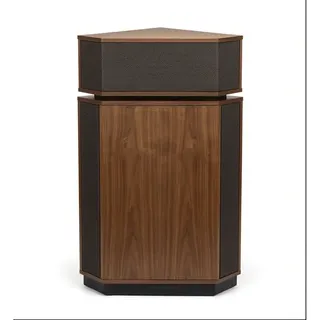 Speakers & Radios · since 1946 Klipschorn A loudspeaker shaped to fill a room's corner, built by hand in Hope, Arkansas, since 1946. Read the entry →
 -
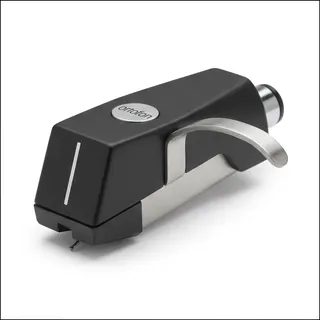 Turntables & Hi-Fi · since 1959 Ortofon SPU Classic G The moving-coil cartridge Ortofon launched for the first stereo records, still built into its own headshell. Read the entry →
 -
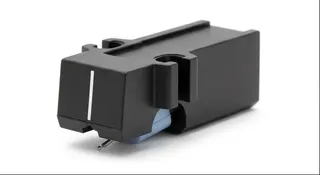 Turntables & Hi-Fi · since 1964 Denon DL-103 A plain black moving-coil cartridge built for Japanese broadcasting in 1964, and built to the same figures since. Read the entry →
 -
 Turntables & Hi-Fi · since 1972 Technics SL-1200 Direct-drive turntable that became the world standard for DJs. Read the entry →