Health & Grooming · Remedies · Tonics
TCP Group (T.C. Pharmaceutical)
Krating Daeng
Since 1976 · 50 years to 2026 · First made in Bangkok, Thailand
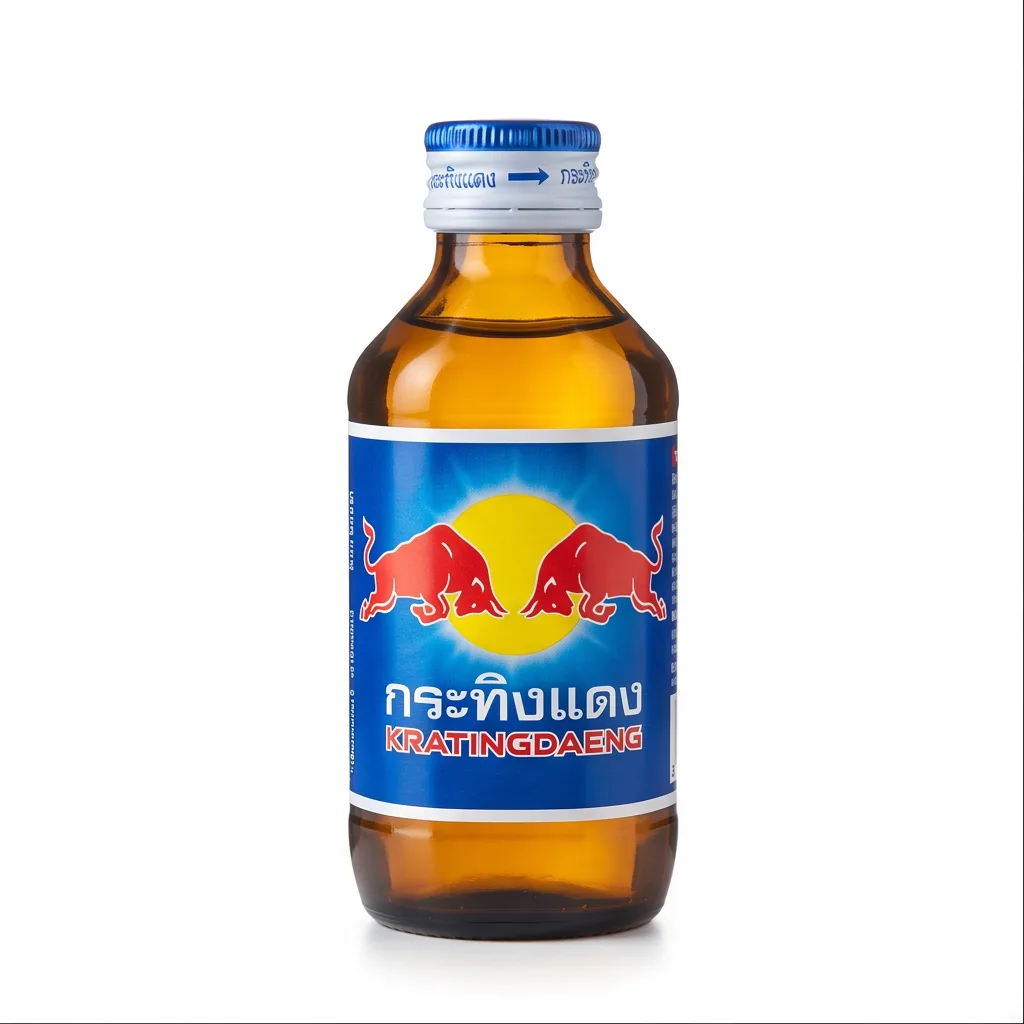
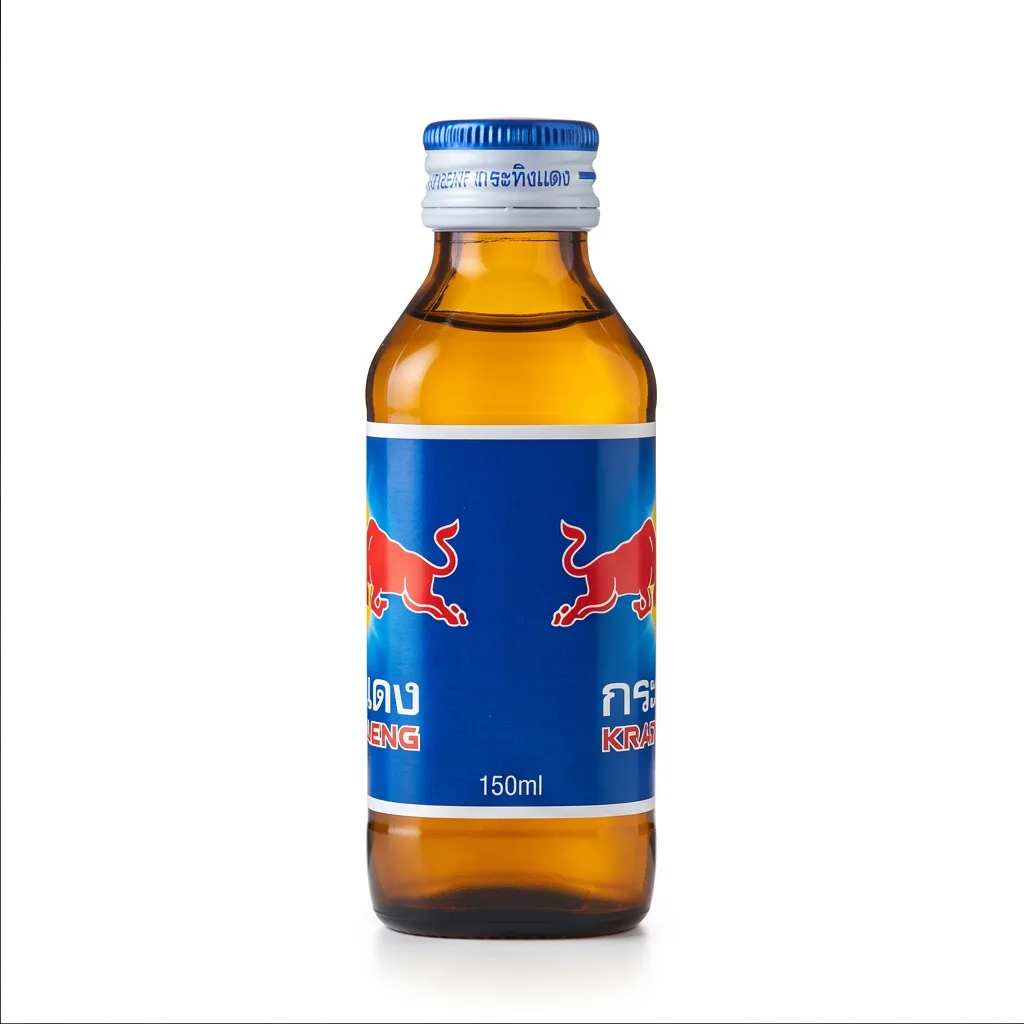
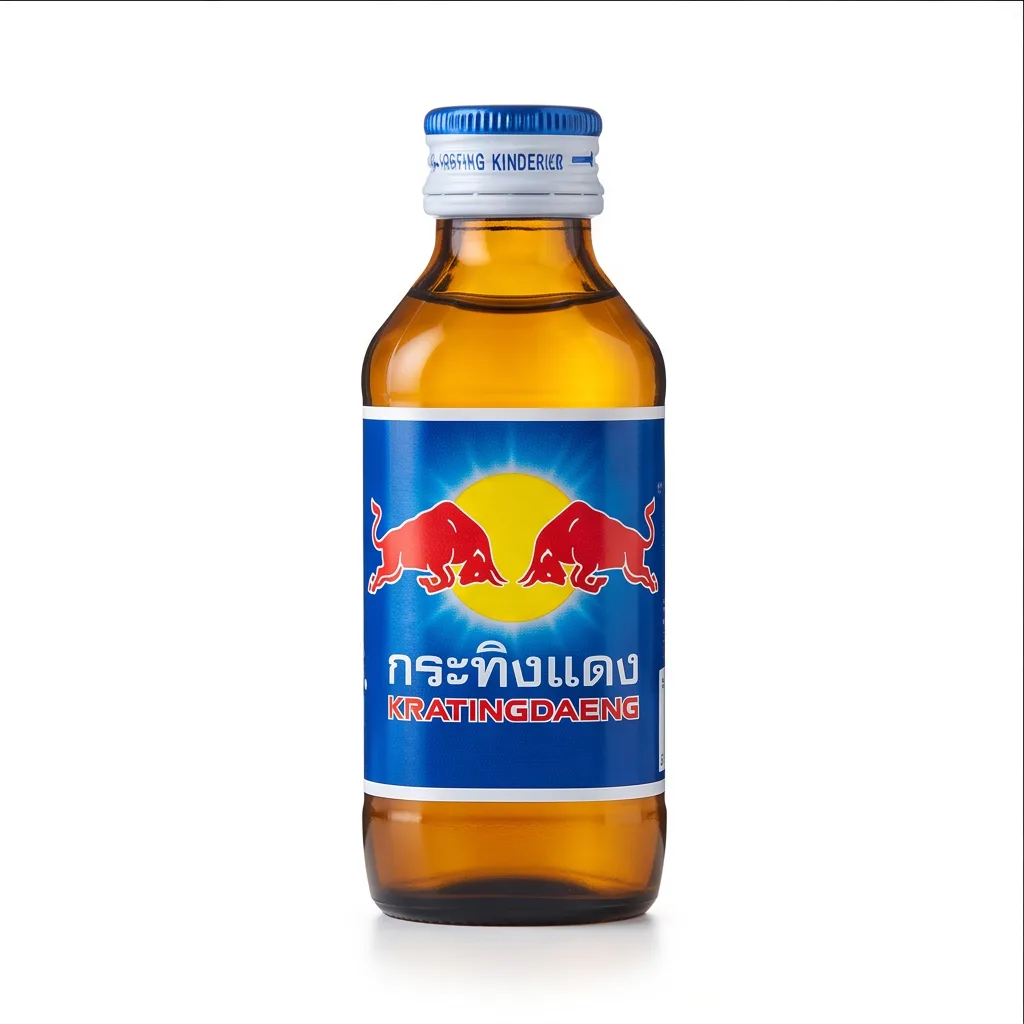
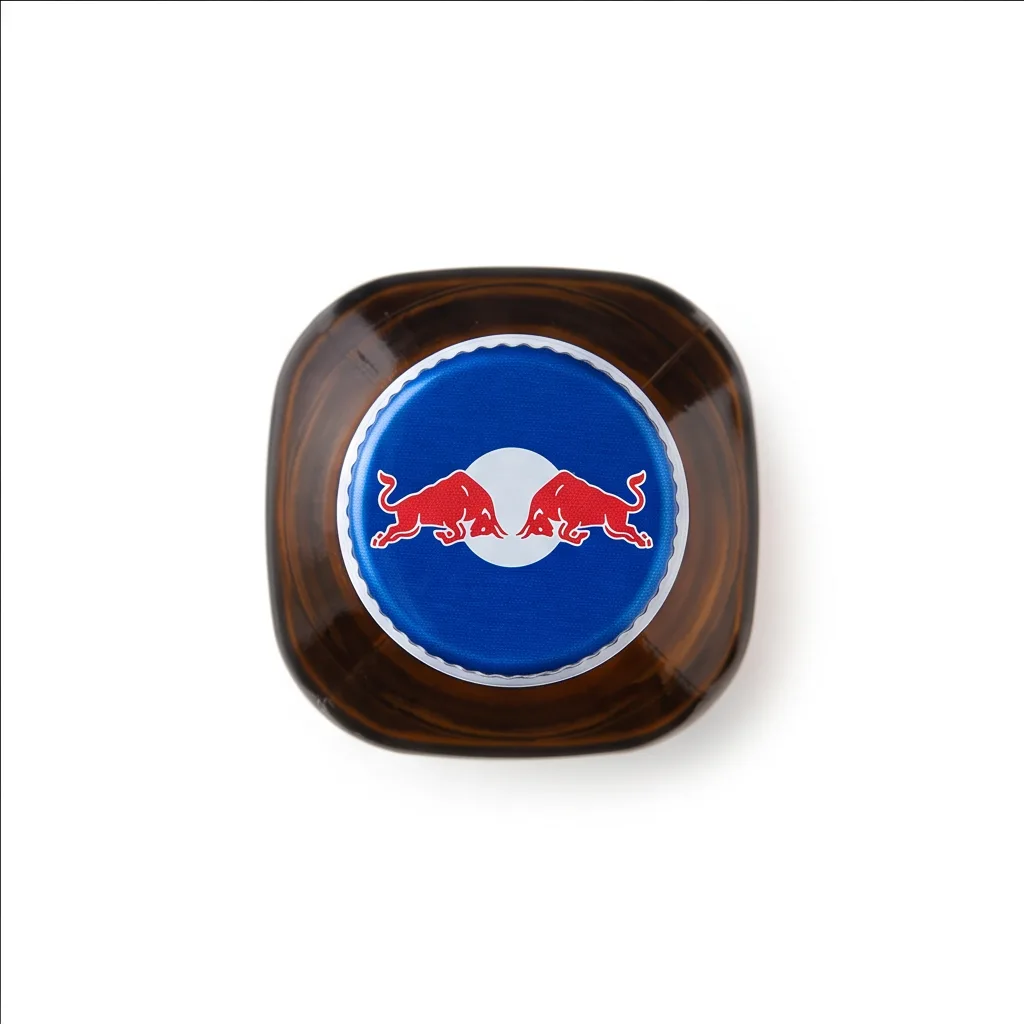
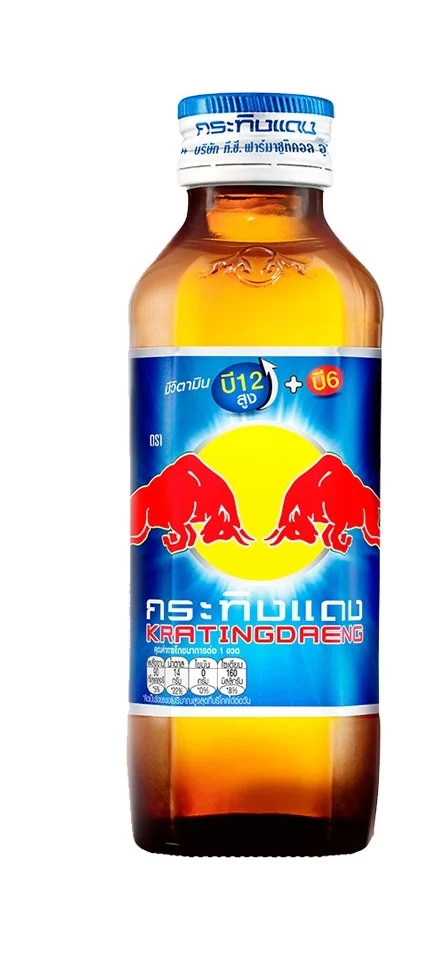
Krating Daeng is a still, sweet, golden tonic drink sold in a small amber glass bottle of 150 millilitres. The squat bottle has a short neck and a blue screw cap, and its blue paper label shows two red gaur, the wild cattle of Southeast Asia, charging at each other before a yellow sun. Inside are sugar, caffeine, taurine, inositol and B vitamins, meant to be drunk in one go, and it is not carbonated.
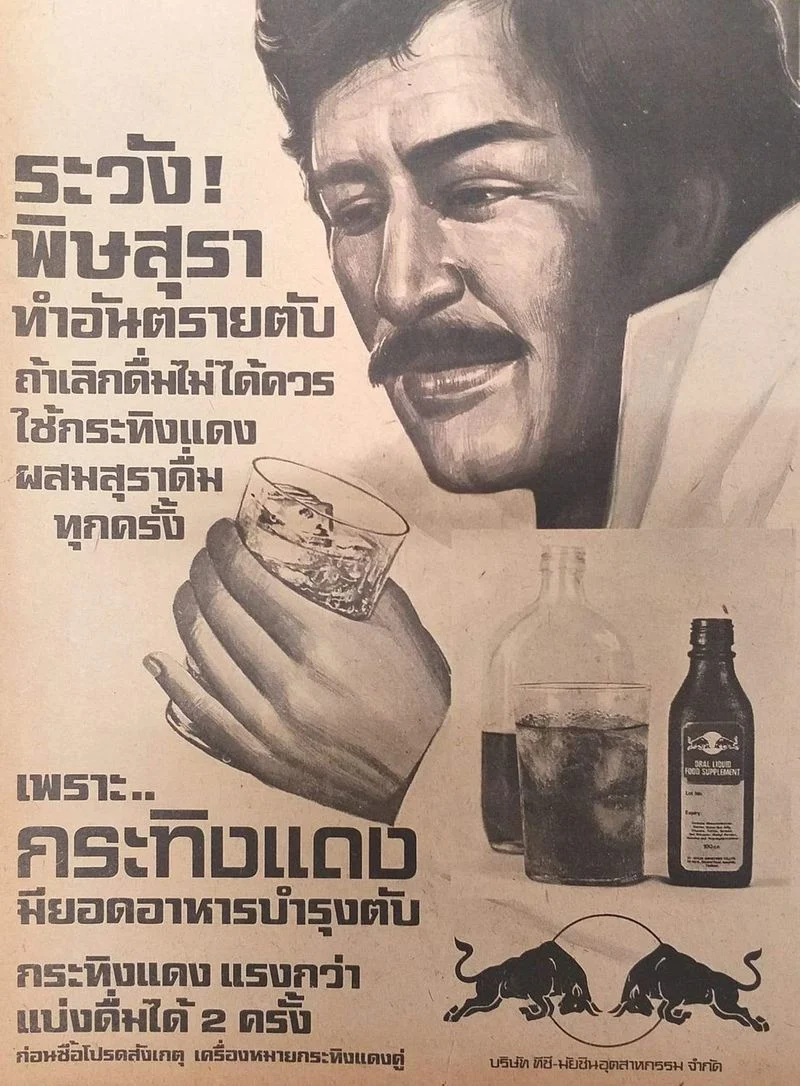
The drink was devised by Chaleo Yoovidhya, a former medicine salesman who had founded T.C. Pharmaceutical in Bangkok in 1956. English Wikipedia and the South China Morning Post date its introduction to 1976. The maker records that it began as a 100cc syrup under the two-bull mark, which buyers nicknamed 'Red Bull', and that the 150cc drink followed; Thai Wikipedia dates that bottle to 1981, so the year is disputed.
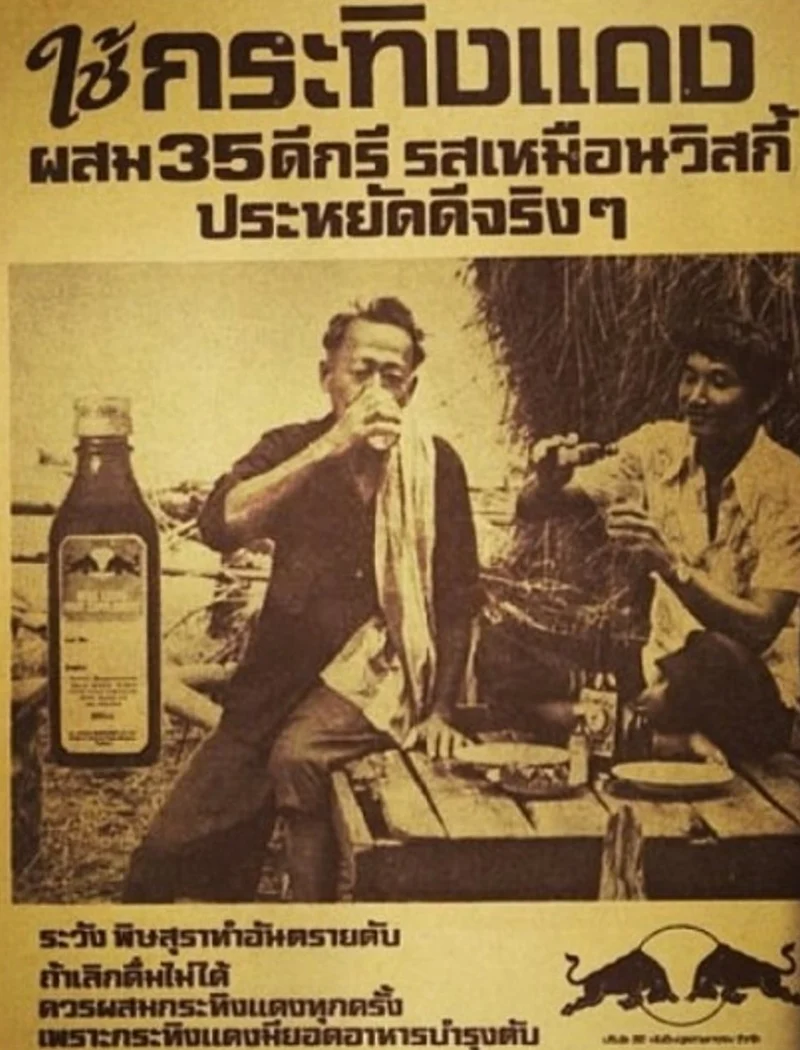
Chaleo sold it first to rural labourers, lorry drivers and shift workers rather than to city shoppers. Advertisements of the 1970s urge drinkers to mix it into rice spirit to spare the liver, and show labourers drinking it from tumblers. The company later sponsored Thai boxing, and the charging gaur became familiar at ringside. An export company followed in 1978, beginning with Singapore.
In the early 1980s the Austrian marketer Dietrich Mateschitz found that the drink eased his jet lag. With Chaleo he founded Red Bull GmbH, and in 1987 they launched a carbonated version in a slim can for European tastes. That is the drink most of the world knows; the Thai original carried on beside it, still and in glass. Chaleo's TCP Group still sells Krating Daeng Classic throughout Thailand, now labelled with 1,000 milligrams of taurine. Its domestic lead has passed to rivals, and in Britain it is sold by online importers in packs of six.
Timeline
- 1976 First made · Disputed Krating Daeng enters production in Bangkok, Thailand.
- 1976 Chaleo Yoovidhya's T.C. Pharmaceutical introduces the drink in Thailand, first in a 100cc bottle sold as a liquid food supplement.
- 1978 T.C. Pharmaceutical Industries is founded to make and export the drink, starting with Singapore.
- 1984 Chaleo goes into partnership with Dietrich Mateschitz, who had found the drink eased his jet lag.
- 1987 Red Bull, a carbonated adaptation made in partnership with Dietrich Mateschitz, is launched in Austria; the Thai drink carries on unchanged in its bottle.
Milestones as we found them, not as we've checked them.
From the archive
More like this
-
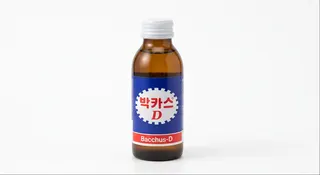 Tonics · since 1963 Bacchus-D Korea's pick-me-up in a 100 ml brown bottle, drunk at pharmacy counters since 1963. Read the entry →
 -
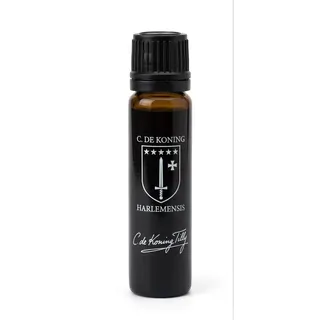 Tonics · since 1696 Oprechte Haarlemmerolie A Haarlem schoolmaster's drops of sulphur and terebinth, sold by his successors since 1696. Read the entry →
 -
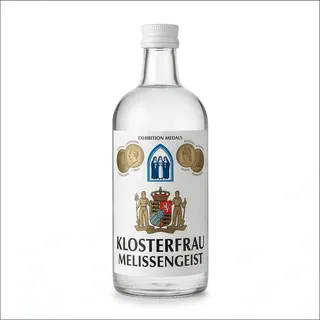 Tonics · since 1827 Klosterfrau Melissengeist A nun's herbal spirit from beside Cologne cathedral, sold under her name since 1827. Read the entry →
 -
 Tonics · since 1838 Eau de Mélisse des Carmes Boyer The Paris Carmelites' melissa water, made by their successors under the Boyer name since 1838. Read the entry →