Home & Furniture · Home Accessories · Home Fragrance & Candles
Maison Berger Paris
Lampe Berger
Since 1902 · 124 years to 2026 · First made in Île-de-France, France
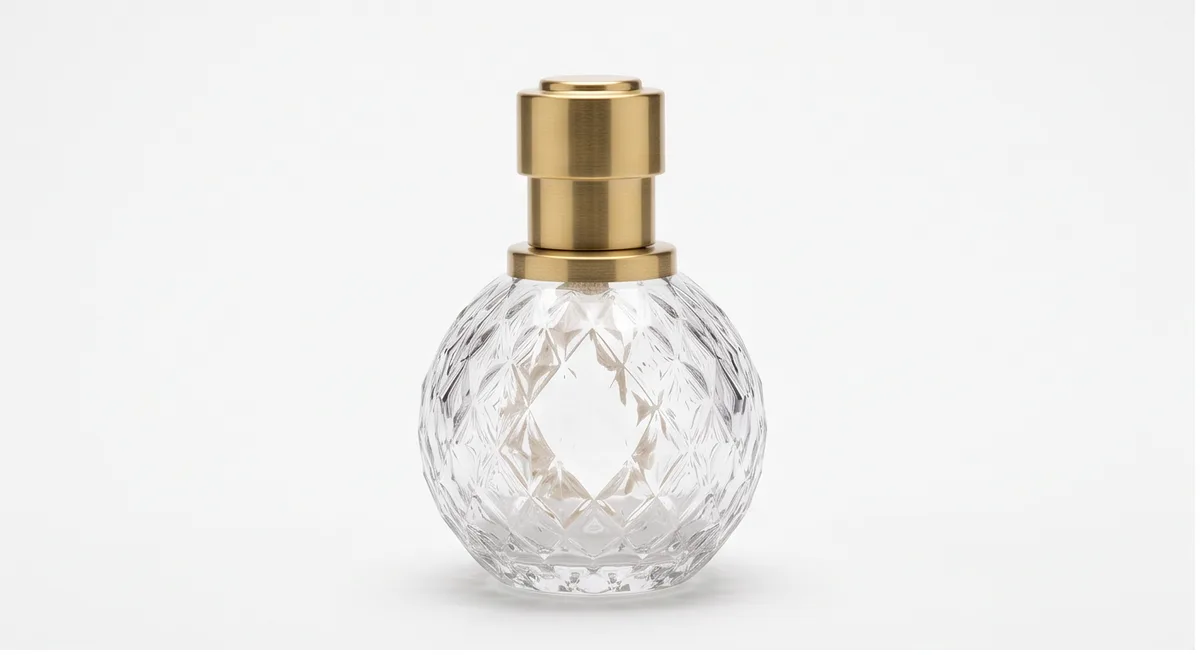
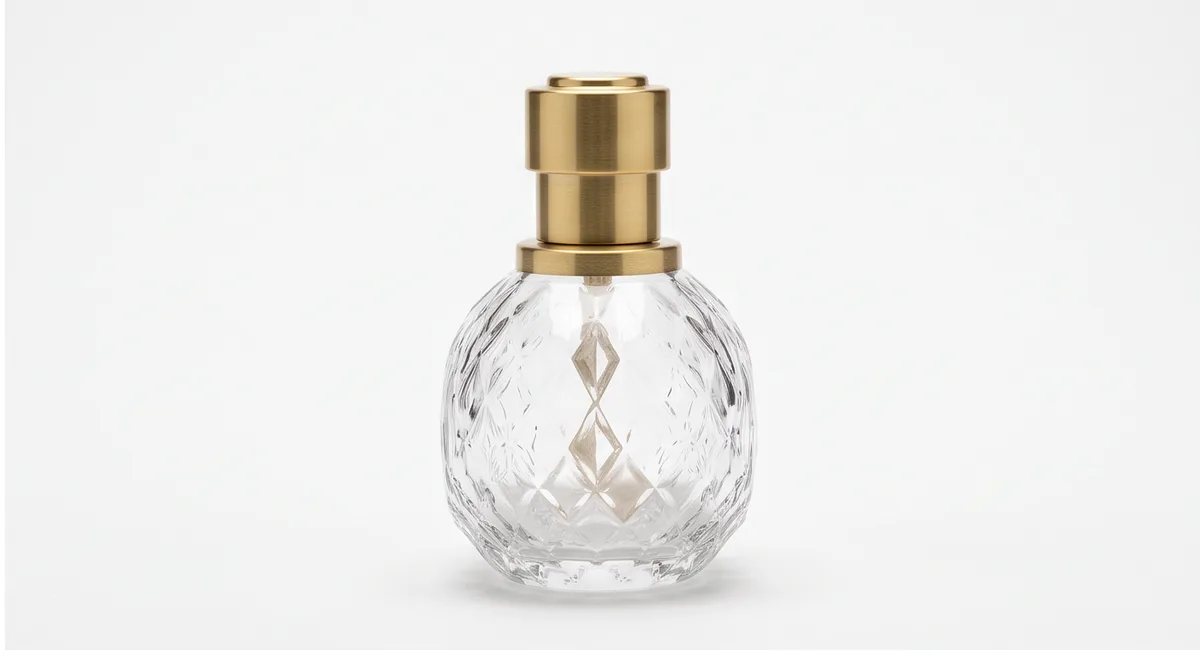
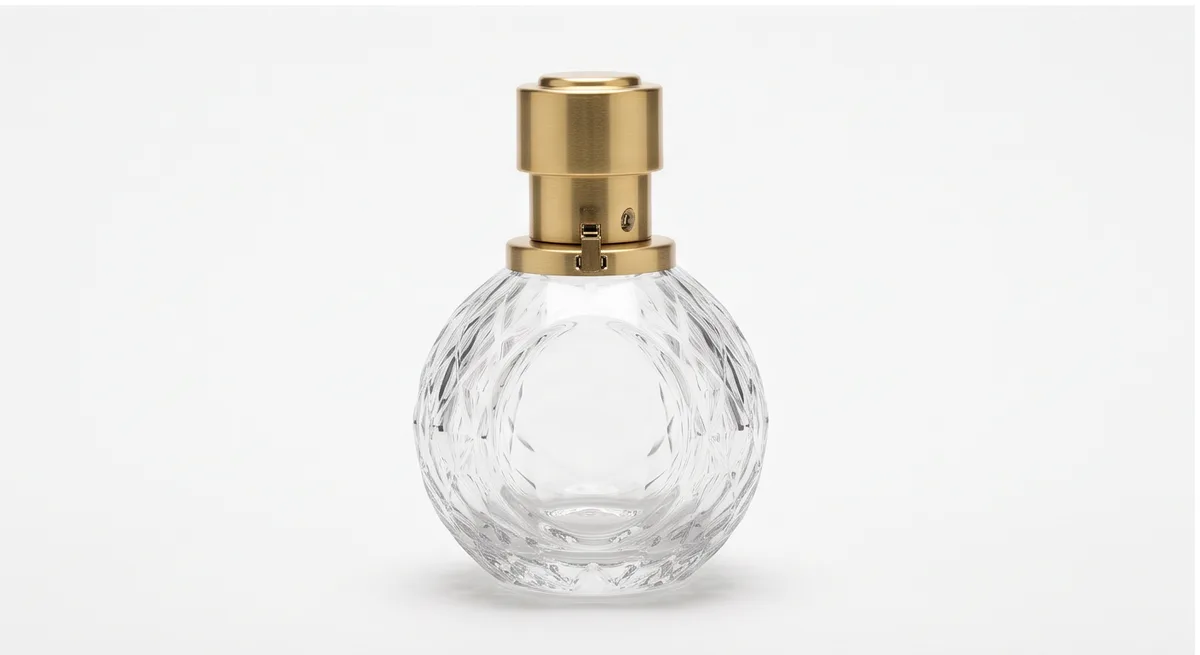
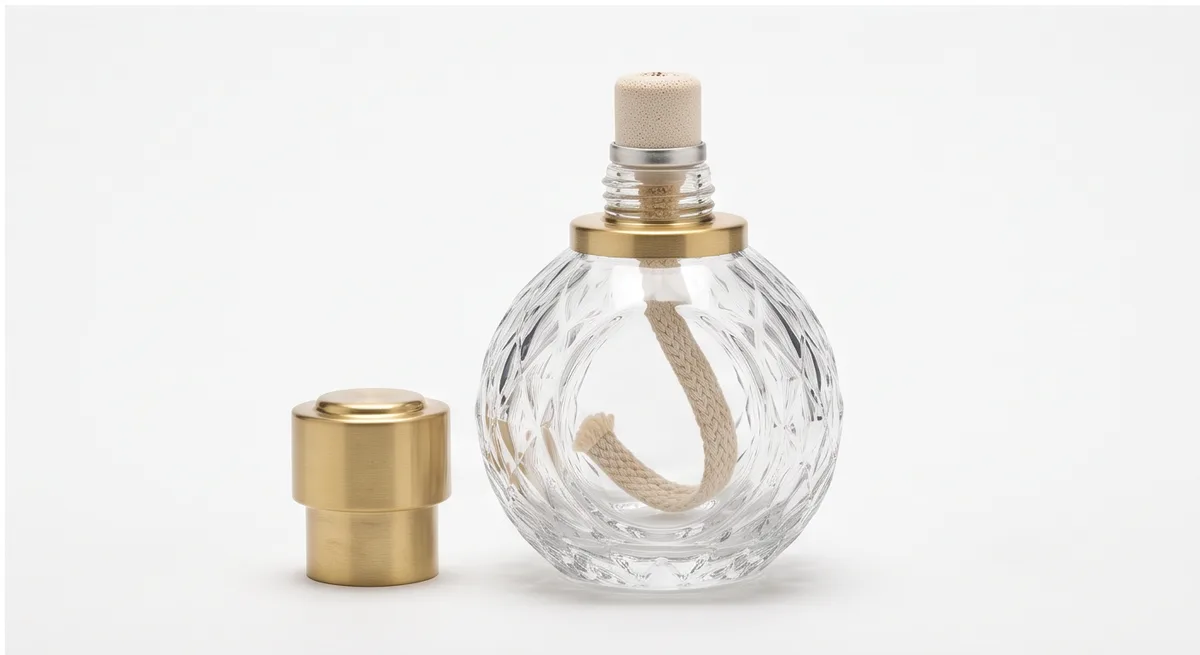
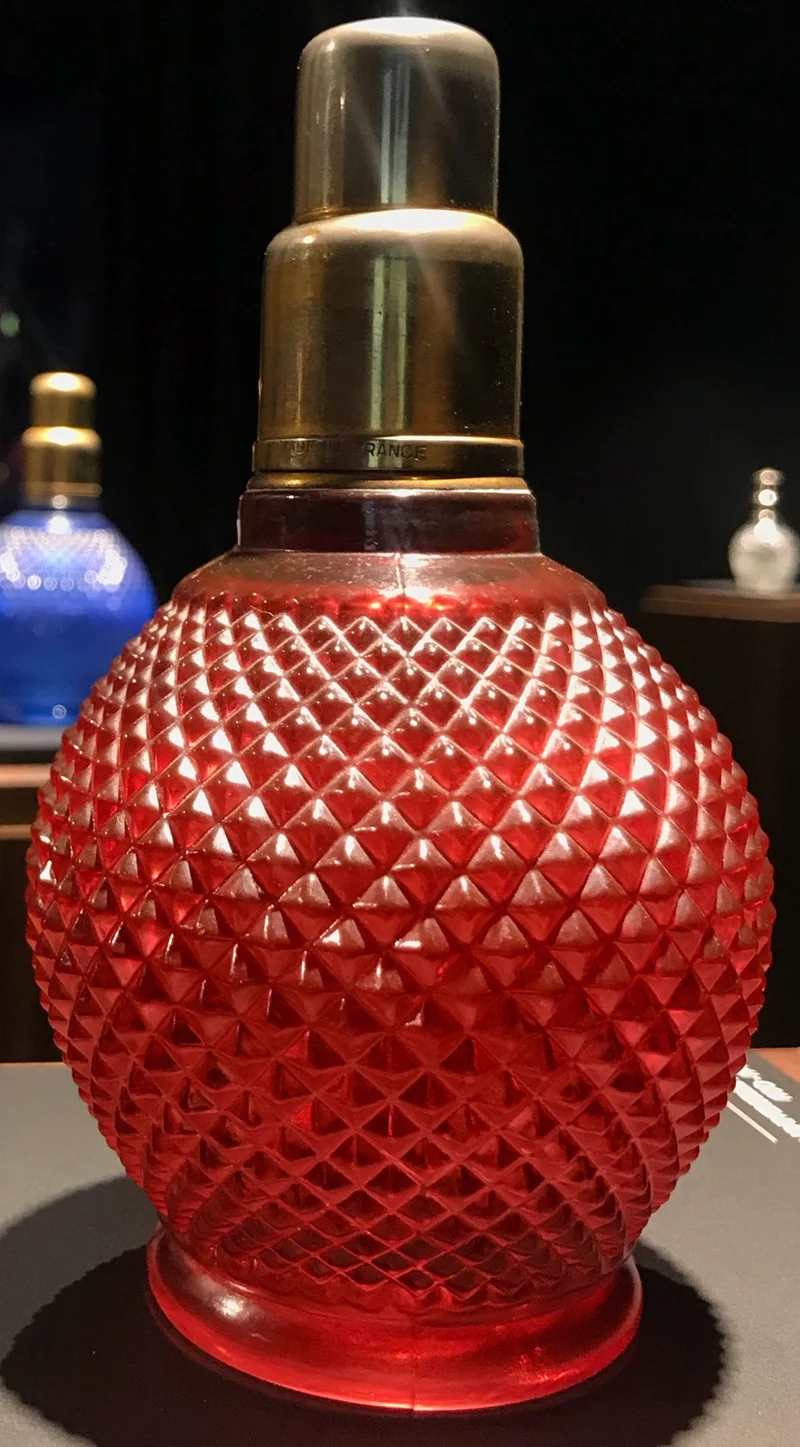
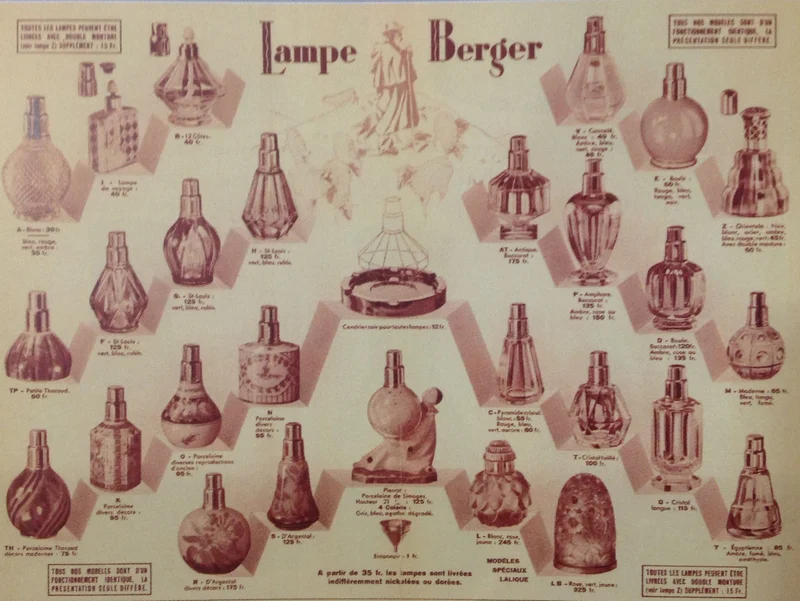
The Lampe Berger is a lidded bottle, usually of glass or porcelain, with a metal collar at its neck. Inside the collar sits the part that makes it work: a burner with a ceramic core and a catalytic head of precious metal, fed by a cotton wick that draws a mixture of alcohol and fragrance up from the bottle. Lit for two minutes and then blown out, the head stays hot without a flame, burning off airborne odours and spreading scent. A perforated mount protects the hot burner; a cap stops it.
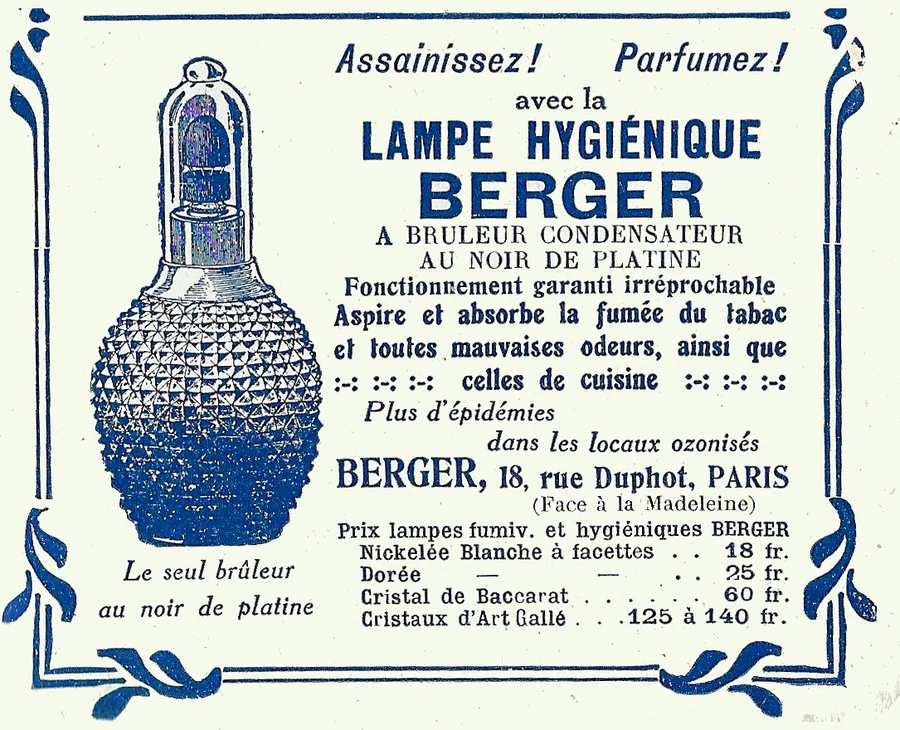

Maurice Berger, a pharmacist's assistant in Paris, patented the lamp on 16 June 1898, applying catalytic combustion, studied earlier by the chemists Liebig and Gerhardt, to the disinfection of rooms. He called it a hygienic smoke-eating diffuser and meant it for hospitals and mortuaries. It went on sale in a few Paris pharmacies in 1902, according to the French Wikipedia, and by 1910 Berger had his own shop at 18 rue Duphot, near the Madeleine.

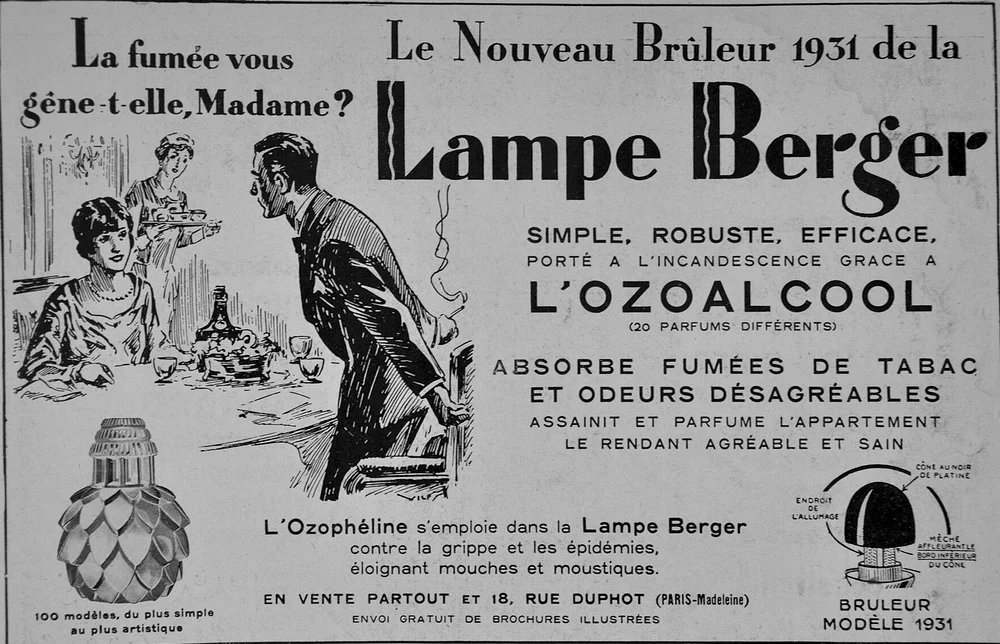
Between the wars the lamp moved from the ward to the drawing room. Advertisements of the 1920s offered it in nickel, gilt, Baccarat crystal and Gallé glass, and promised that it absorbed tobacco smoke and cooking smells; by 1930 there were a hundred models and twenty perfumes. The bottle became the place for design, with Lalique, Baccarat and Limoges porcelain among the makers, while the burner inside stayed the point of the thing.
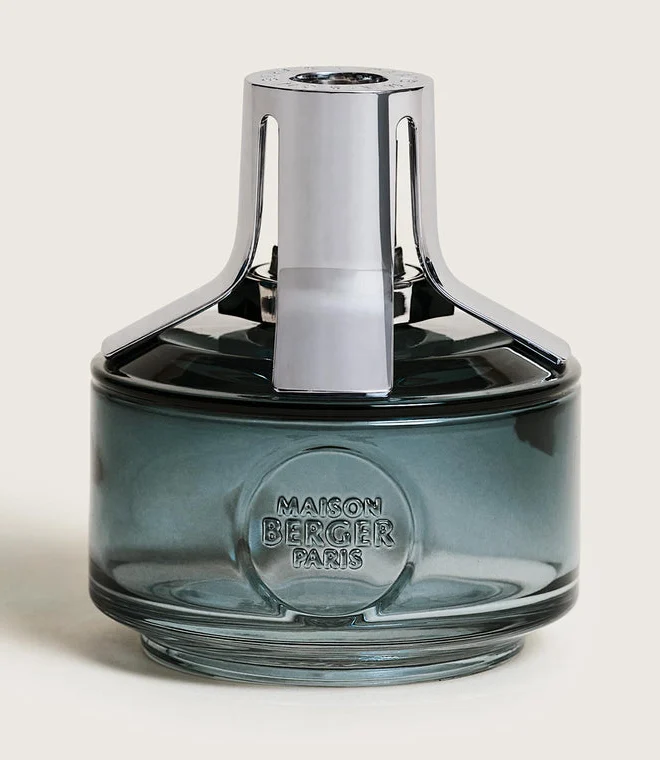
Ceramic lamps arrived around 1950, and production was industrialised from the 1960s. The company, renamed Maison Berger Paris in 2018 and part of the Emosia group, now makes the lamps and their fragrances at Grand Bourgtheroulde in Normandy, where it opened a museum in 2020. It sells hundreds of thousands of lamps a year in dozens of bottle designs, each still a bottle, a wick and a catalytic burner.
Timeline
- 1898 Designed Maurice Berger patents a catalytic lamp for disinfecting the air of hospitals.
- 1902 First made · Claimed Lampe Berger enters production in Île-de-France, France.
- 1910 Production Berger opens his own shop at 18 rue Duphot, Paris.
- 2018 Ownership Lampe Berger Paris is renamed Maison Berger Paris.
Milestones as we found them, not as we've checked them.
From the archive

More like this
-
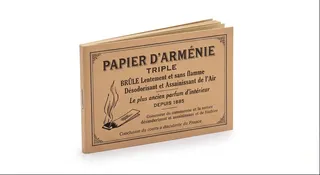 Home Fragrance & Candles · since 1885 Papier d'Arménie Blotting paper steeped in benzoin, burned a strip at a time since 1885. Read the entry →
 -
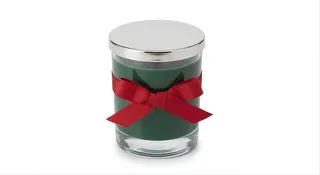 Home Fragrance & Candles · since 1959 Rigaud Cyprès Candle The green candle a Paris perfumer poured in 1959, still made by hand in France. Read the entry →
 -
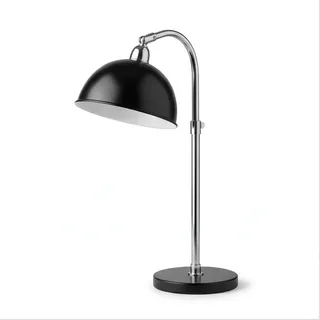 Lighting · since 1930 Gubi Bestlite Industrial desk lamp in continuous production since 1930 Read the entry →
 -
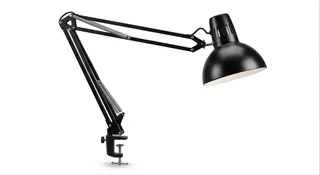 Lighting · since 1937 Luxo L-1 The Norwegian spring-balanced task lamp of 1937, still made by the firm that first sold it. Read the entry →