Nippon Kodo
Nippon Kodo Mainichi-Koh
Since 1909 · 117 years to 2026 · First made in Kanagawa, Japan
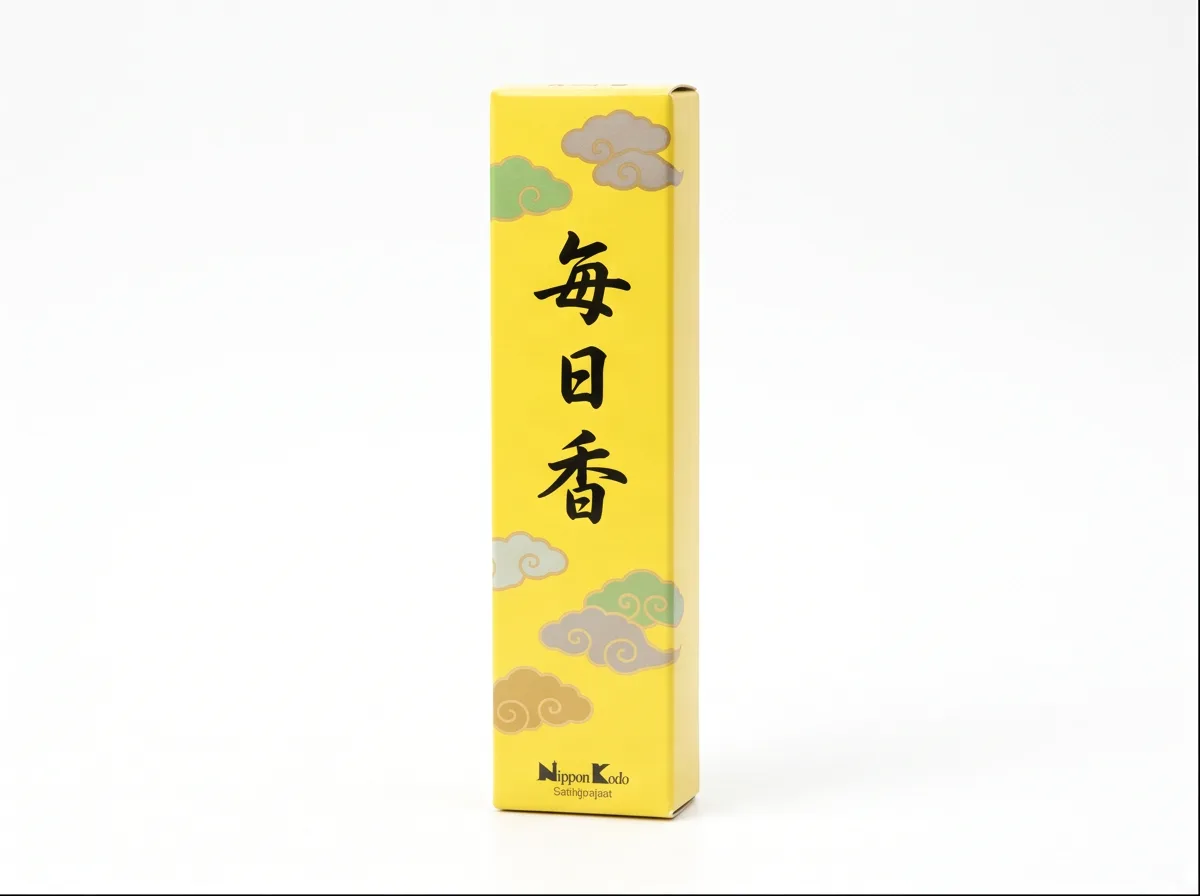
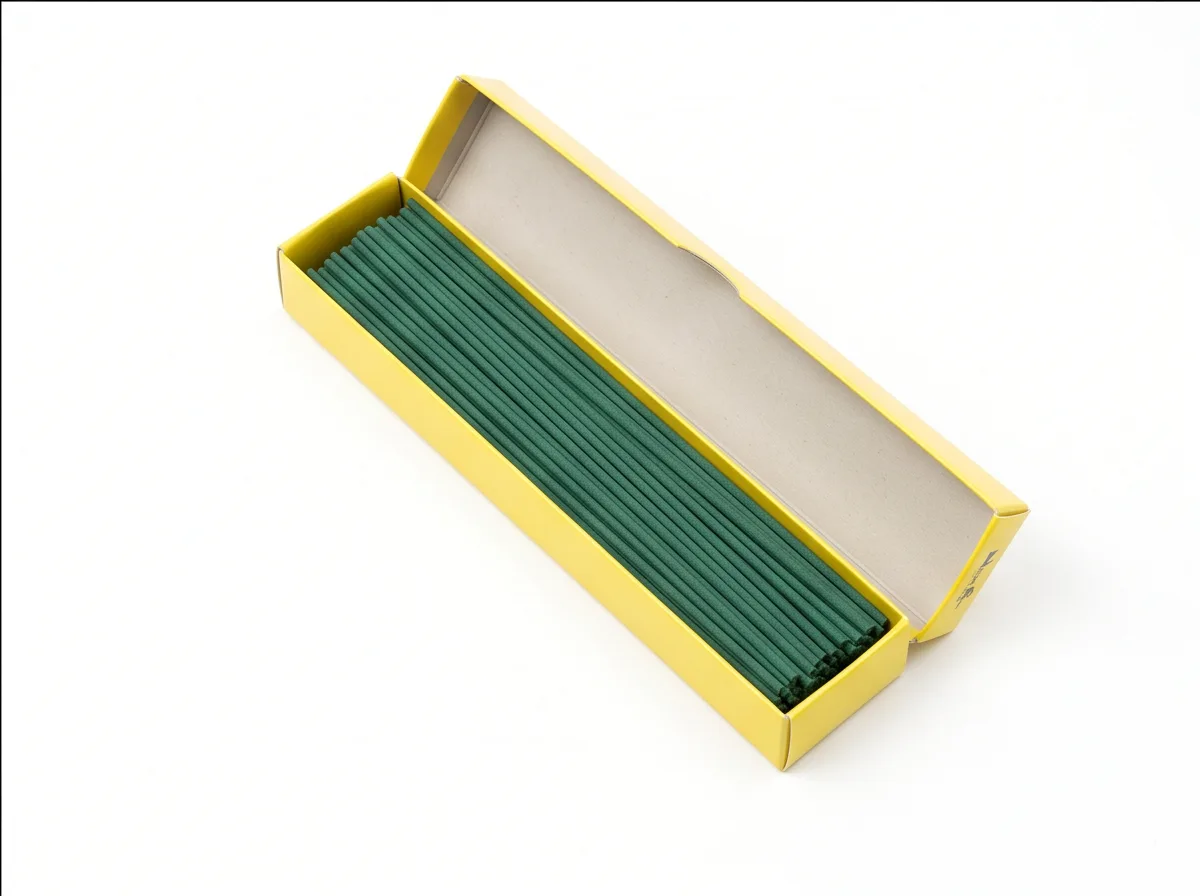
Mainichi-Koh is a Japanese stick incense for the household altar. The sticks are thin, straight and dark green, packed loose in a long card box printed with stylised clouds and the three characters of its name, which mean 'daily incense'. Lit at one end and stood in ash before the butsudan, a stick burns down slowly, giving off what its maker calls a warm and somehow nostalgic scent of sandalwood, blended with several herbal ingredients.
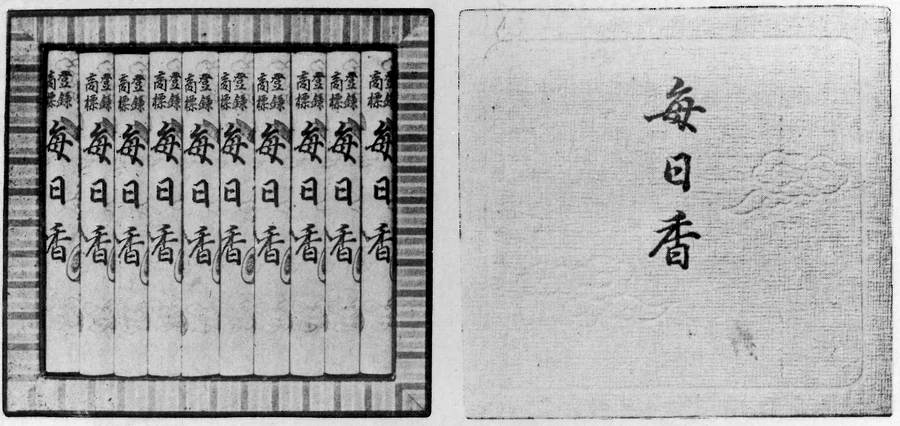
It was launched in 1909 by Yujiro Kito, an incense master of the late Meiji period, from a house with its main shop in Kamakura. The name made a plain promise: this was incense for every day, not only for temples and ceremonies. A surviving catalogue page shows it packed for giving, in paper-wrapped bundles lined up in an embossed box, each wrapper marked as a registered trademark.
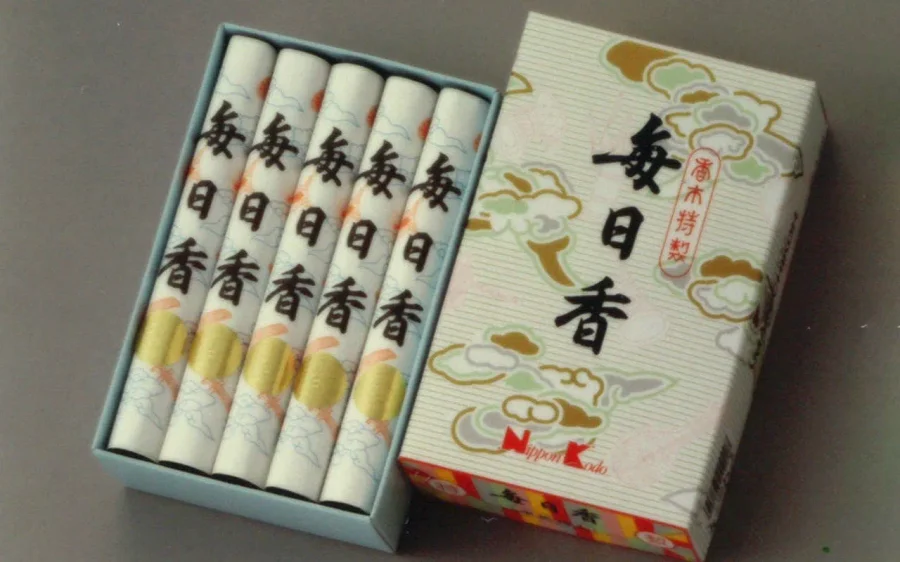
In 1947 Masanori Konaka, whose Tokyo firm had lost its offices and factory in the war, bought the trademark and the right to make it, and Mainichi-Koh became a foundation of the company he would rename Nippon Kodo. That company took incense onto television in the 1960s, and for more than forty years the voice of Mainichi-Koh's advertisements was the storyteller Sanyutei Enraku V, joined from 1976 by a cartoon shop boy, Sadakichi-kun, who carries it home to his mother every year for Obon.
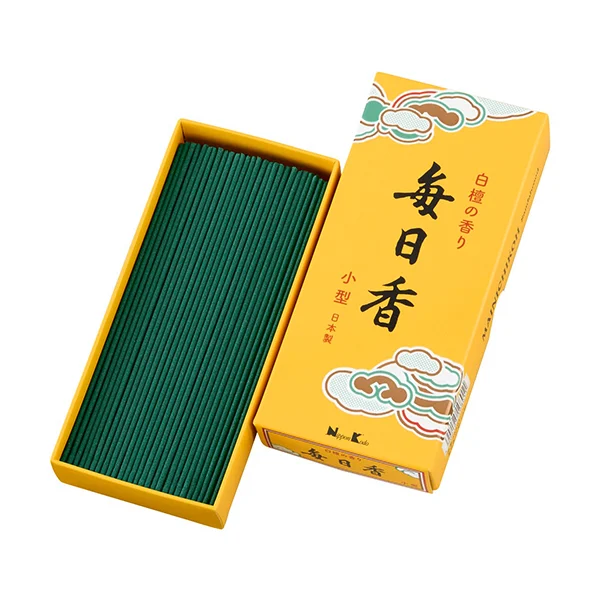
The name now covers a whole family of blends, from low-smoke to aloeswood. The plain Mainichi-Koh is the one in the yellow box, and Nippon Kodo says its original blend of sandalwood and herbs has been kept, nudged recently further towards the sandalwood. It is an object made to be used up and bought again, sold in small, medium and large packs, and more than a century on still made for the same small daily act of remembrance.
Timeline
- 1909 First made · Claimed Nippon Kodo Mainichi-Koh enters production in Kanagawa, Japan.
- 1909 Yujiro Kito of Kito Tenkundo, Kamakura, launches Mainichi-Koh, a stick incense for daily use.
- 1947 Ownership Masanori Konaka's Tokyo Kokando acquires the trademark, manufacturing and sales rights from Kito and begins making it.
- 1967 Recognised Television advertising begins, narrated by the rakugo storyteller Sanyutei Enraku V until his death in 2009.
- 2024 Recognised Nippon Kodo marks the 115th year of Mainichi-Koh with a new advertising campaign.
Milestones as we found them, not as we've checked them.
From the archive
More like this
-
 Home Fragrance & Candles · since 1902 Lampe Berger Maurice Berger's flameless catalytic lamp, patented for hospitals in 1898 and sold since 1902.
-
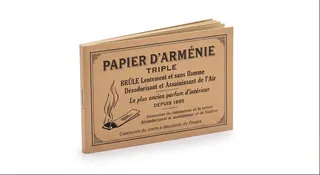 Home Fragrance & Candles · since 1885 Papier d'Arménie Blotting paper steeped in benzoin, burned a strip at a time since 1885.
-
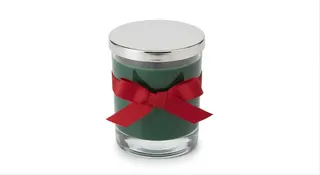 Home Fragrance & Candles · since 1959 Rigaud Cyprès Candle The green candle a Paris perfumer poured in 1959, still made by hand in France.
-
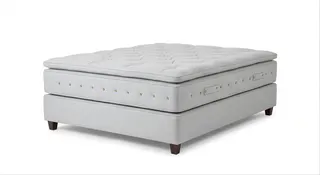 Bedding & Blankets · since 1905 Savoir No.2 Bed The bed the Savoy commissioned for its guests in 1905, still filled with horse tail by hand in London.