Health & Grooming · Skin & Oral Care · Skincare & Soap
Leite de Rosas
Leite de Rosas
Since 1929 · 97 years to 2026 · First made in Laranjeiras, Brazil
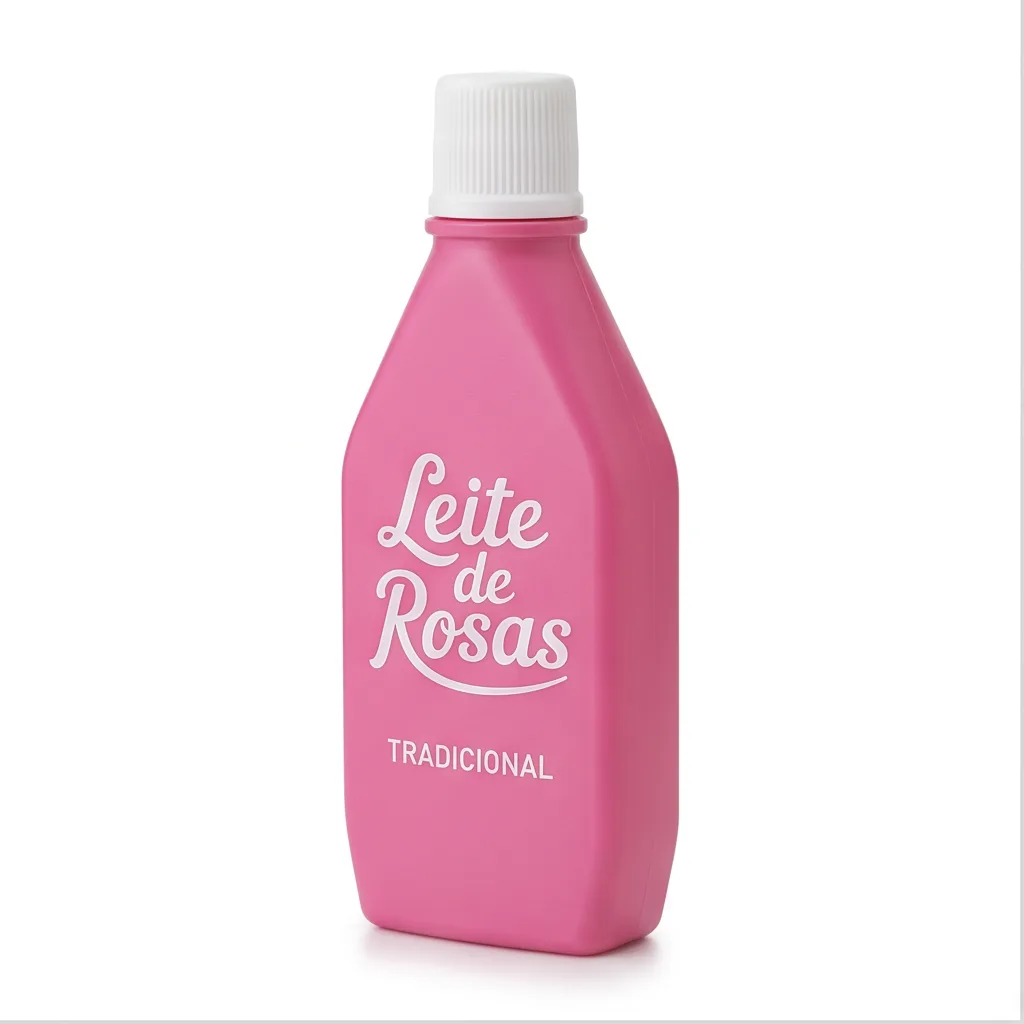
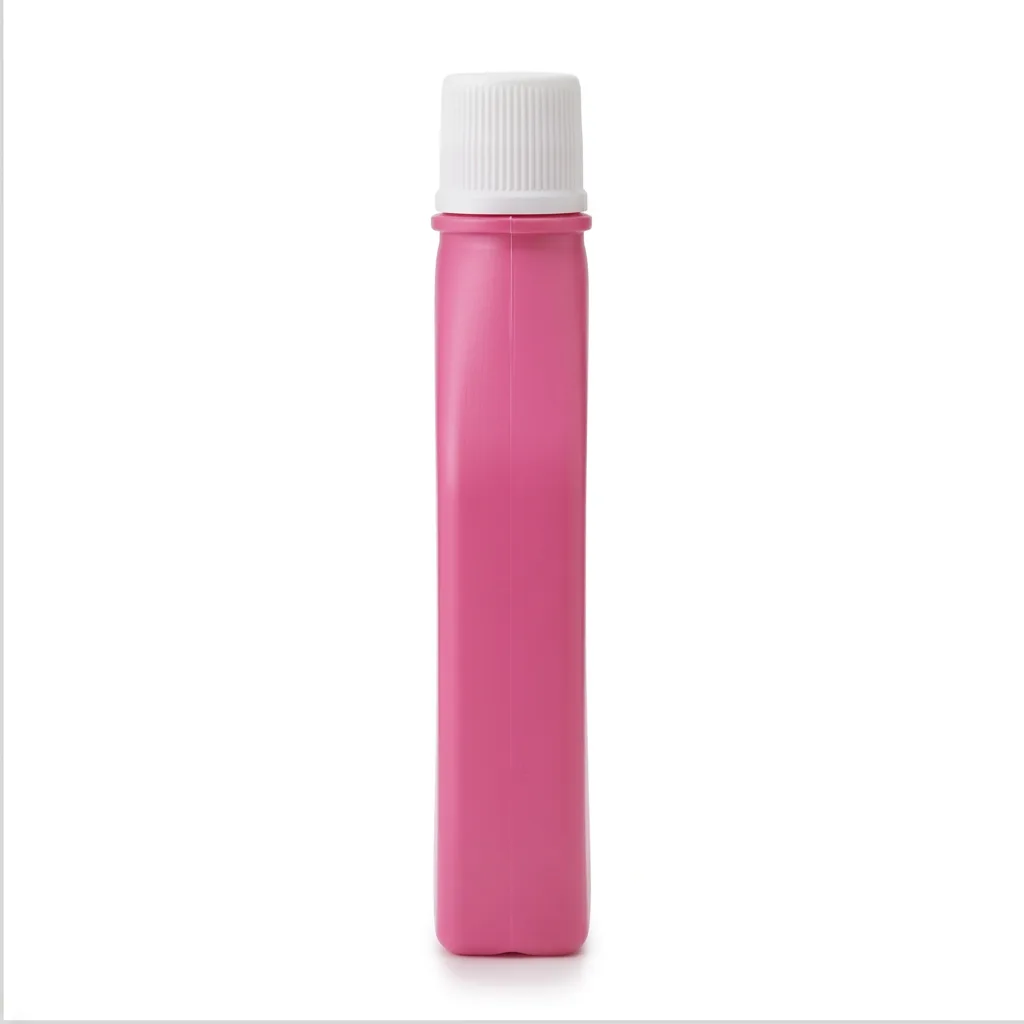
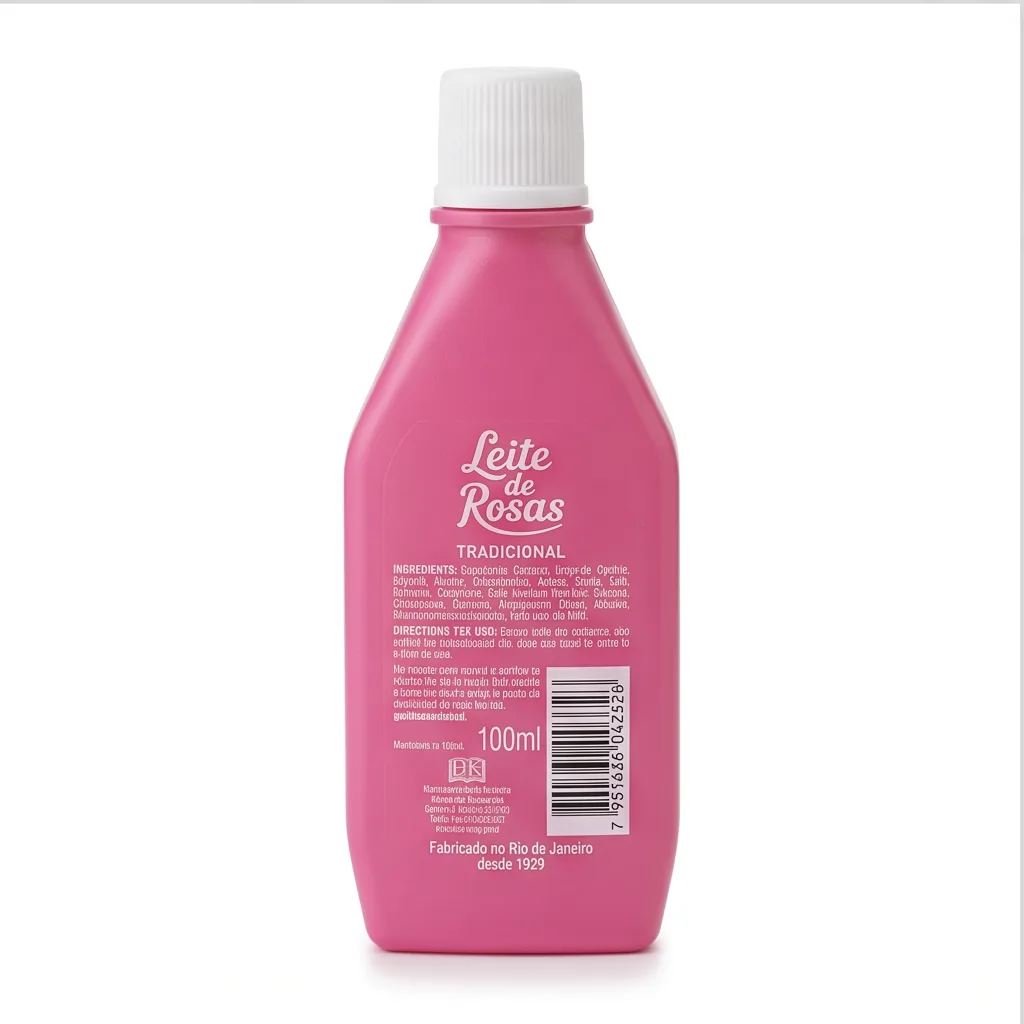
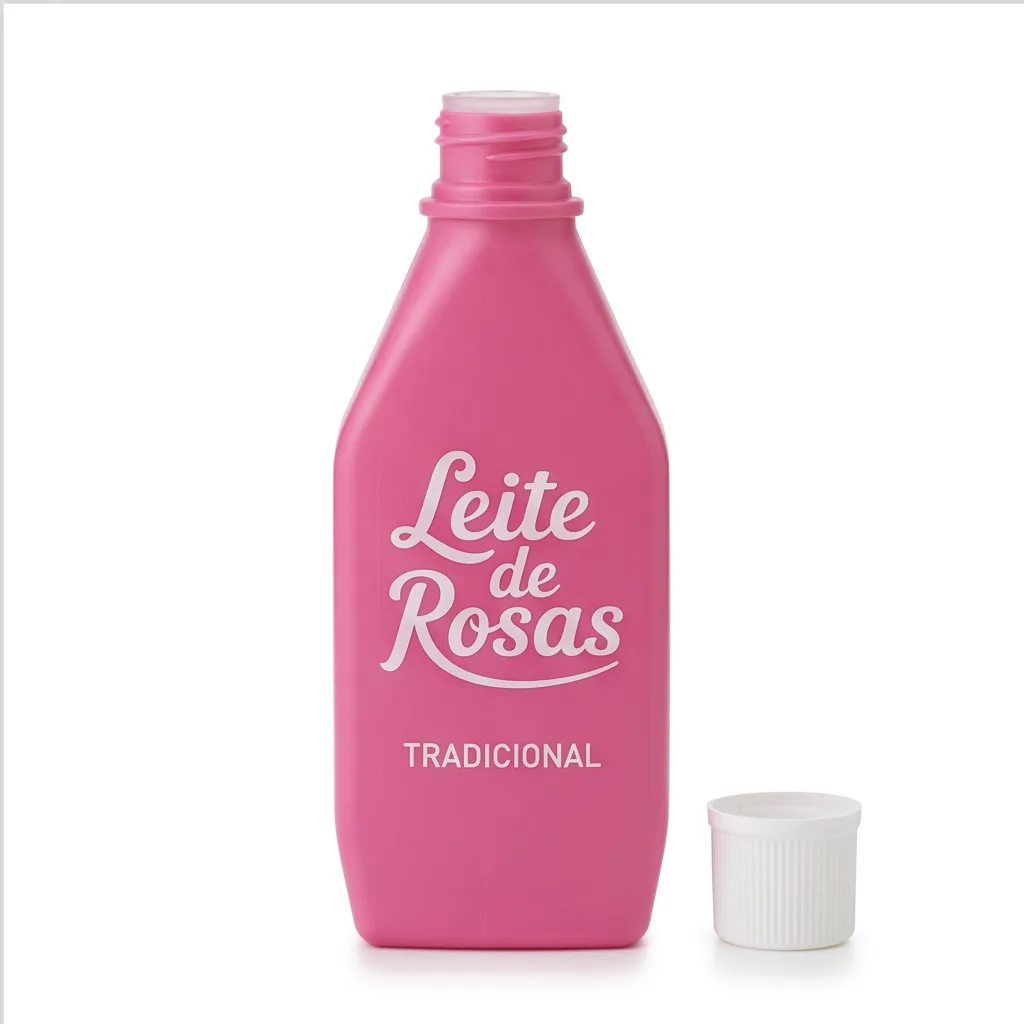
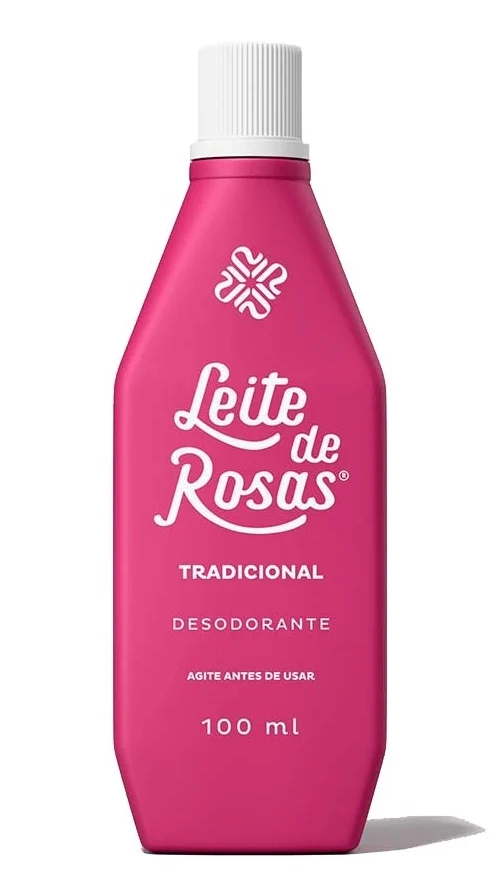
Leite de Rosas is a thin, milky liquid with a strong scent of roses, sold in a pink plastic bottle with a white screw cap. The bottle has flat faces and angled shoulders, and the name is written across it in white script. The label asks for it to be shaken before use, and it is applied with a pad of cotton wool to the skin and the underarms.
It was made first in Rio de Janeiro in 1929. Francisco Olympio de Oliveira, who had made and lost money in the Amazon rubber trade, settled in Laranjeiras with his wife and, with a pharmacist friend, worked out a formula for a cosmetic. The couple filled the first bottles themselves, and the company tells how they nailed the shipping crates shut only when a tram went by, so as not to wake the neighbours.
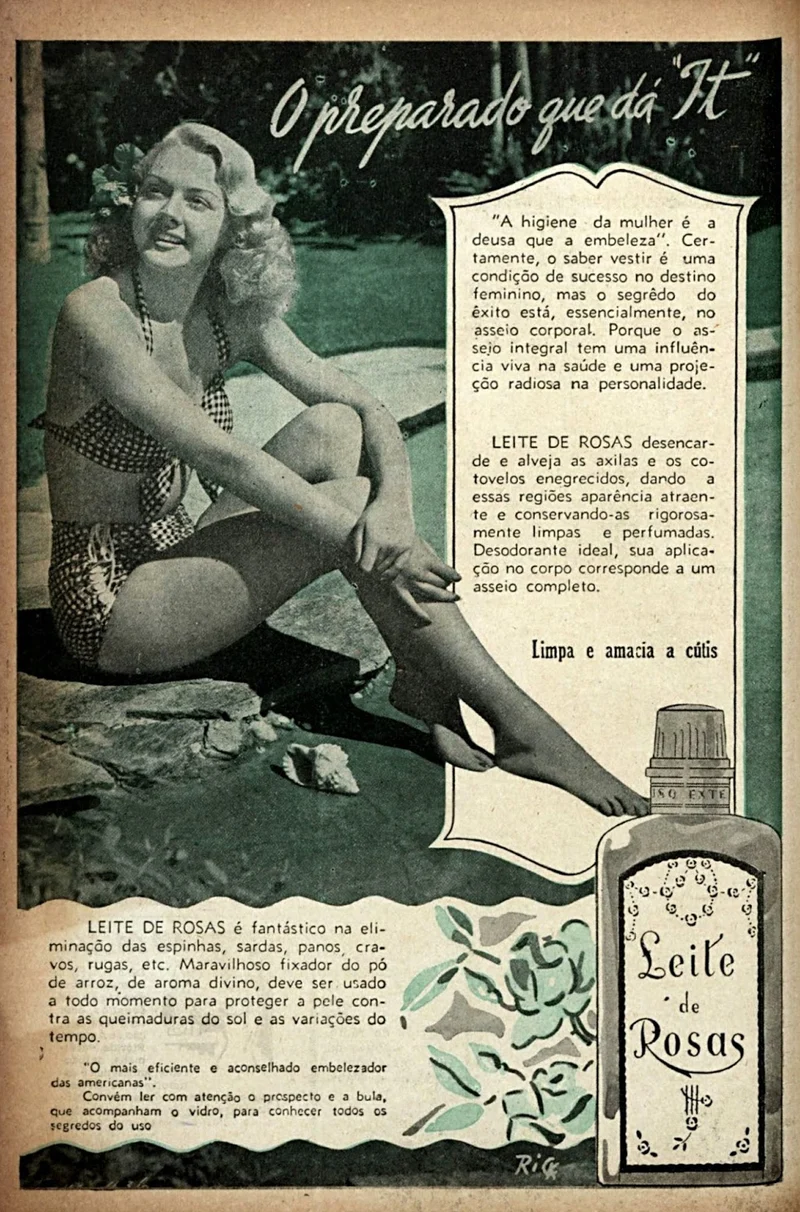
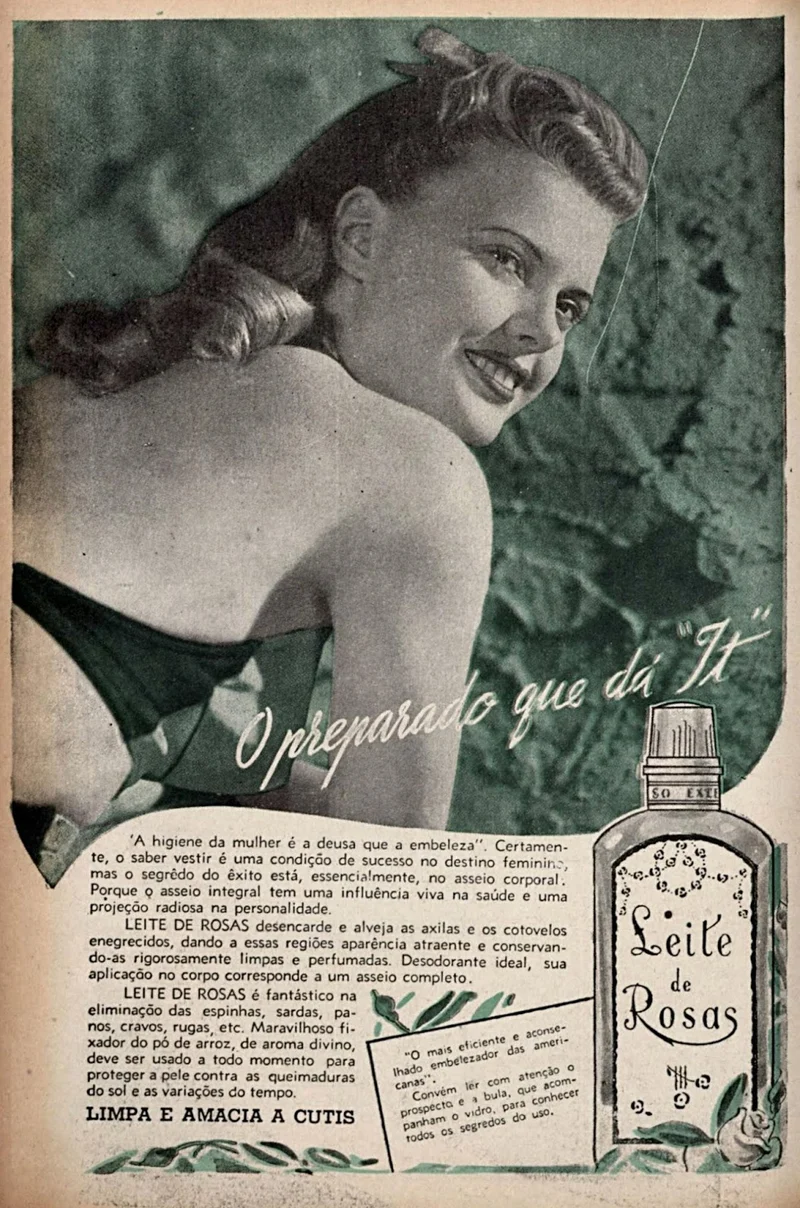
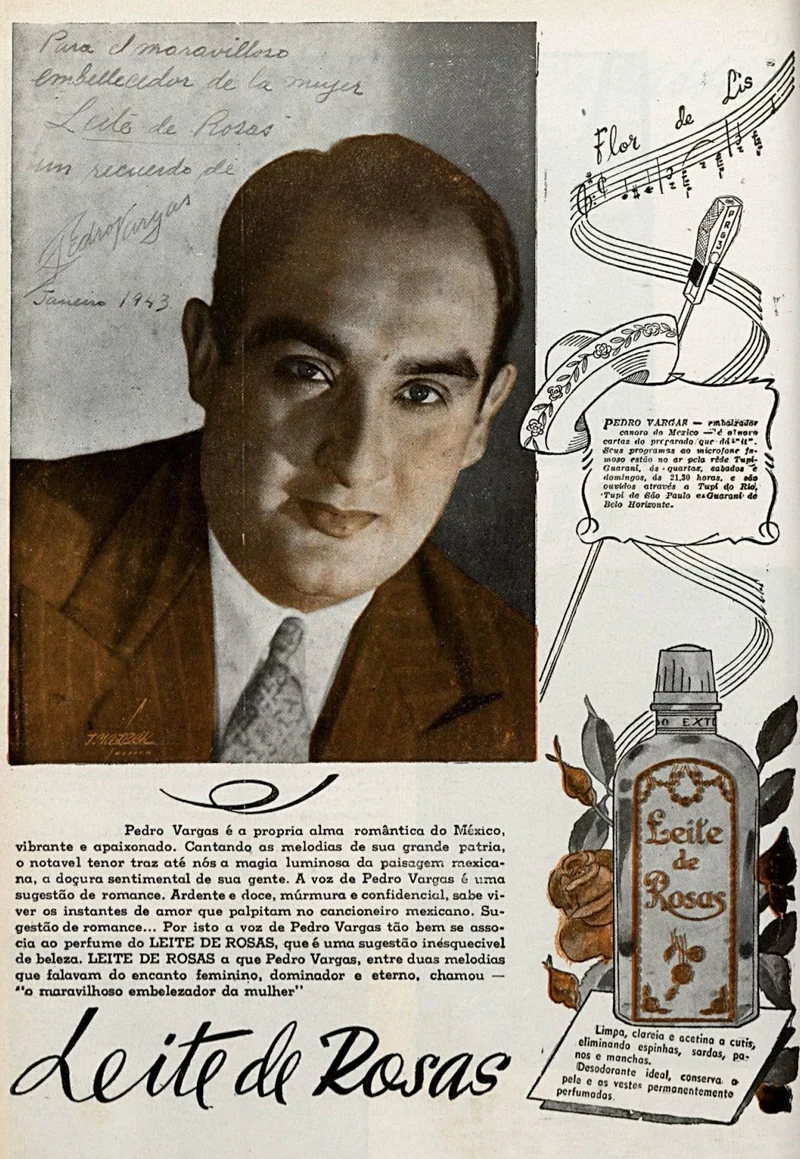
Its fame was built on advertising. Francisco Olympio pasted posters on lamp posts at night, sponsored radio singers and filled the illustrated weeklies. Advertisements from the 1940s, under the slogan "O preparado que dá It", promise to clean and soften the skin, clear freckles and blemishes, guard against sunburn and serve as an ideal deodorant. Carmen Miranda and her sister Aurora appeared for it, and in the 1950s it sponsored the Miss Brasil contest.
The liquid outlived its glass. In 1967 the company moved to a plastic bottle made in its own works, and the pink colour that followed has since become the product's identity; Exame reports that a roll-on launched in white sold poorly until it too was made pink. Today the maker files Leite de Rosas Tradicional among its deodorants, the use it has been put to since at least the 1940s, and it remains cheap enough to sit in pharmacies and supermarkets across Brazil, on what Exame called the grandmother's bathroom shelf.
Timeline
- 1929 First made · Claimed Leite de Rosas enters production in Laranjeiras, Brazil.
- 1929 Francisco Olympio de Oliveira and his wife make and bottle the first Leite de Rosas in Laranjeiras, Rio de Janeiro; the firm is registered on 29 July.
- 1943 Recognised Advertisements in Fon-Fon carry the slogan "O preparado que dá It" and sell the liquid for the skin and as a deodorant.
- 1967 Production The glass bottle is replaced by plastic, made in the company's own works; the pink bottle with white lettering follows.
- 2006 Production A new factory opens at Nossa Senhora do Socorro, Sergipe.
Milestones as we found them, not as we've checked them.
From the archive
More like this
-
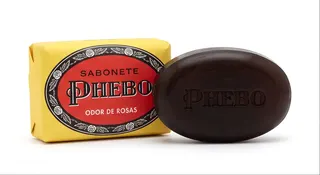 Skincare & Soap · since 1930 Phebo Odor de Rosas Belém's dark oval of 1930, the soap Brazil knows by its scent. Read the entry →
 -
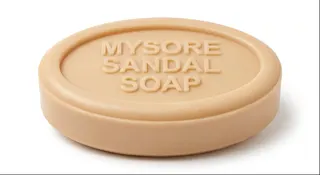 Skincare & Soap · since 1918 Mysore Sandal Soap The oval sandalwood soap of the Mysore government's Bangalore factory, on sale since 1918. Read the entry →
 -
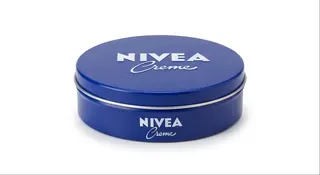 Skincare & Soap · since 1911 Nivea Creme The first stable cream of oil and water, in a blue tin since 1925. Read the entry →
 -
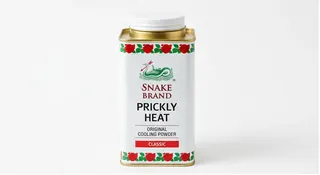 Skincare & Soap · since 1952 Snake Brand Prickly Heat Powder A Bangkok pharmacy's cure for prickly heat, dusted from the same rose-bordered tin for more than seventy years. Read the entry →