Health & Grooming · Skin & Oral Care · Skincare & Soap
Phebo
Phebo Odor de Rosas
Since 1930 · 96 years to 2026 · First made in Belém, Brazil
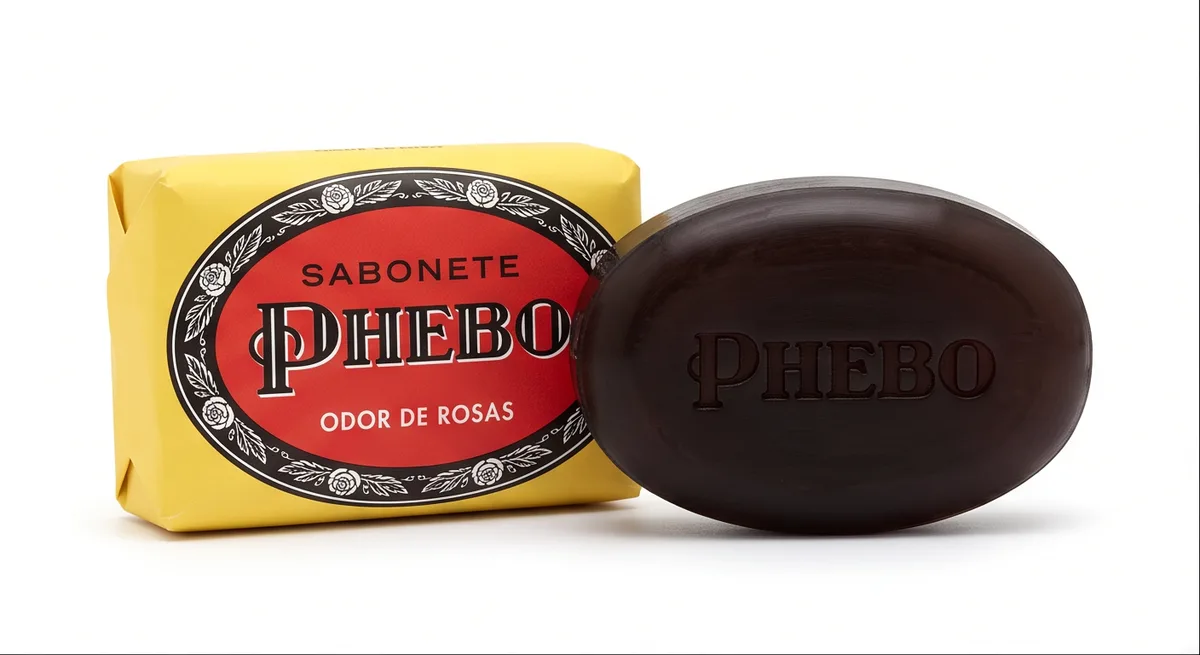
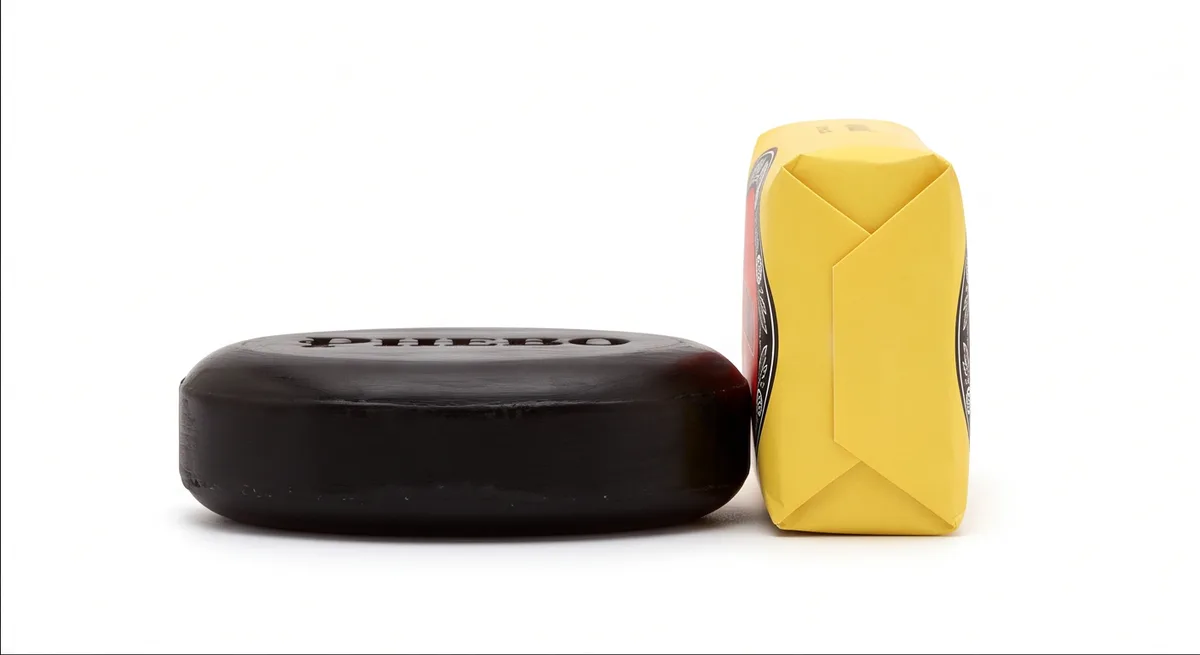
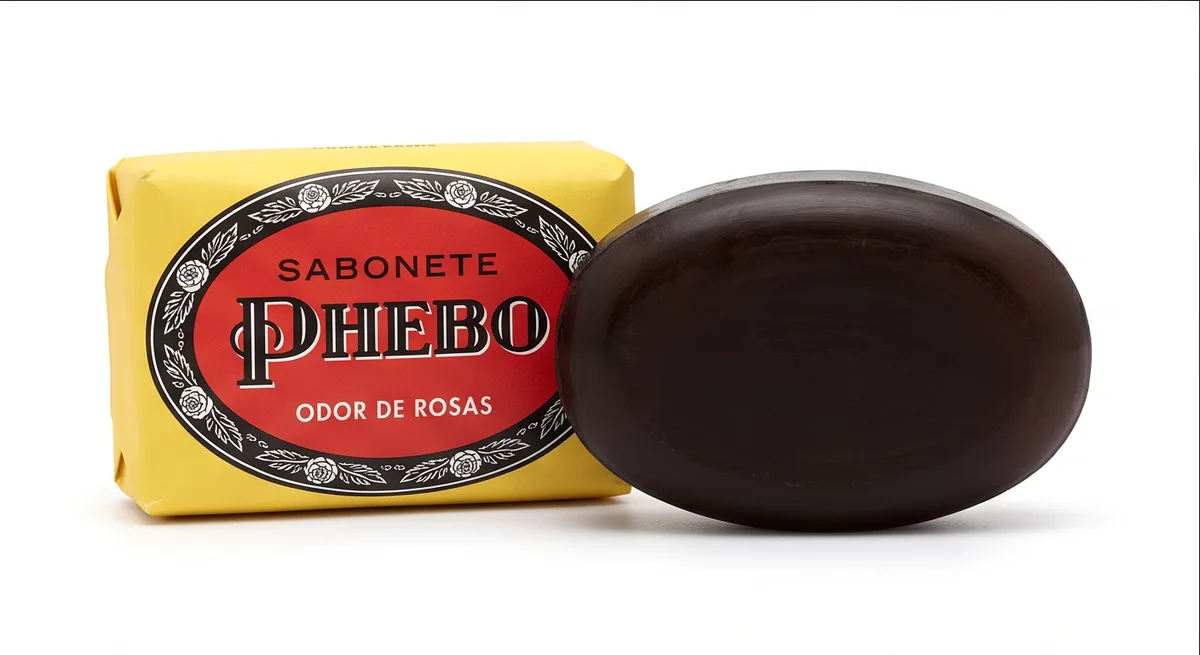
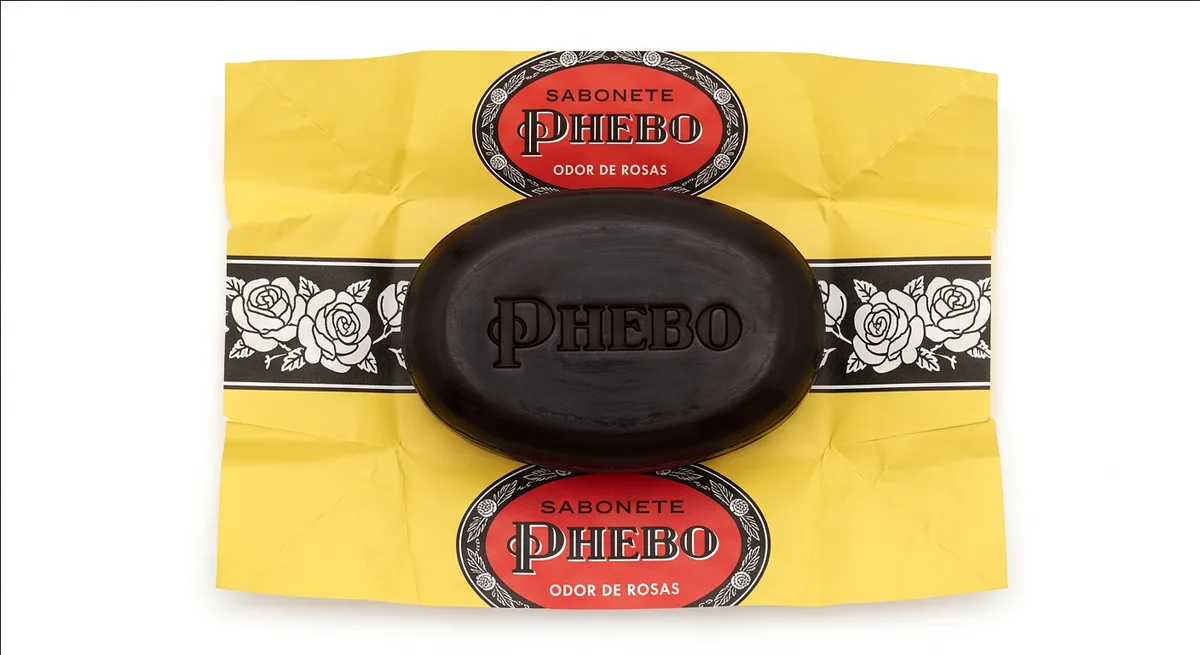
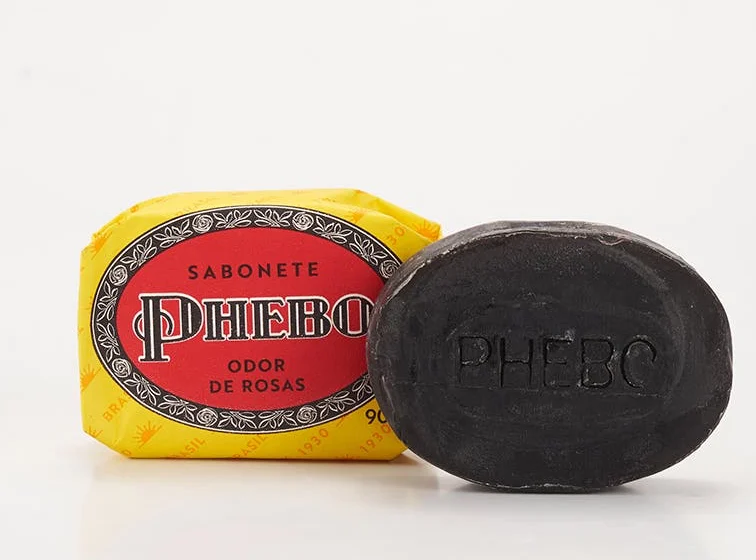
Phebo Odor de Rosas is an oval bar of glycerine soap, dark and translucent, so deep in colour that it looks almost black in the hand. The word PHEBO is pressed into its face. It comes folded in a paper wrapper, now yellow, printed with a red oval label ringed in black and white roses, in which the name is set in an ornate typeface with a dropped P. It weighs 90 grams, and its scent is famously strong.
The soap was the first product of the Perfumaria Phebo, founded in Belém, at the mouth of the Amazon, by the Portuguese cousins Antônio and Mário Santiago. The maker dates it to 1930; the brand historian Mundo das Marcas says it was developed that year and put on sale in 1931, modelled on the English Pears soap. Its scent combined Amazonian pau-rosa oil with sandalwood, clove and cinnamon at a time when most Brazilian soap was white, rectangular and smelled of coconut.
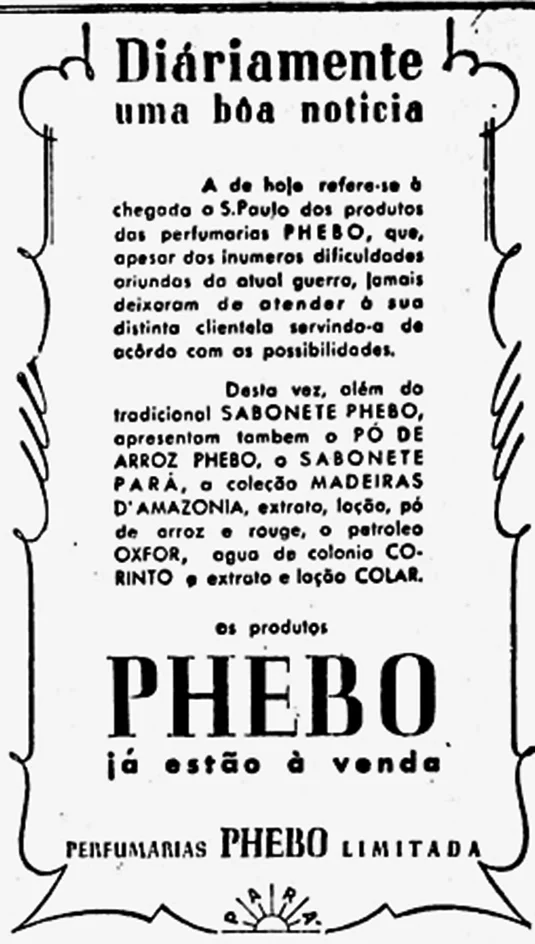
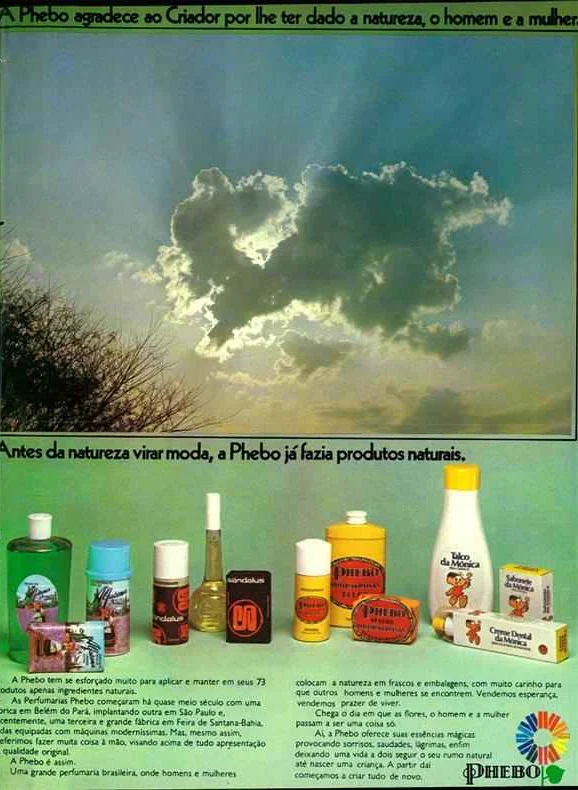
The bar travelled south by ship and sold at several times the price of its rivals. By December 1944 a São Paulo newspaper advertisement could call it the traditional Phebo soap, still arriving despite the war. In 1976 it sat at the centre of a Veja advertisement for a range that had grown to seventy-three products, its red wrapper by then reading de luxo, Odor de Rosas.
The firm later passed through Procter & Gamble and Sara Lee, and customers noticed the scent drifting. Granado, which bought Phebo in 2004, went back to a perfumer who had worked on the formula in the 1970s and rebuilt the fragrance, with synthetic rosewood in place of oil from an endangered tree, on an all-vegetable base. The Belém factory closed in 2019. The bar itself, oval, dark and stamped with its name, is still the flagship of the brand, sold in the same oval wrapper for under a pound.
Timeline
- 1930 First made · Claimed Phebo Odor de Rosas enters production in Belém, Brazil.
- 1930 Designed Antônio and Mário Santiago found the Perfumaria Phebo in Belém; the oval, dark, transparent Odor de Rosas soap is its first product.
- 1944 Production An O Estado de S. Paulo advertisement announces that Phebo products, including the 'traditional' Phebo soap, are still reaching São Paulo despite the war.
- 2004 Ownership Granado buys Phebo and later rebuilds the soap's original fragrance on a vegetable base.
- 2019 Production The original Belém factory closes; the soap continues under Granado.
Milestones as we found them, not as we've checked them.
From the archive
More like this
-
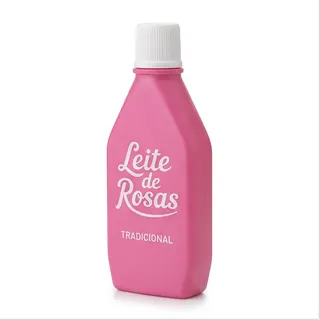 Skincare & Soap · since 1929 Leite de Rosas A pink bottle of rose-scented milk, made in Rio since 1929 and still sold in pharmacies across Brazil. Read the entry →
 -
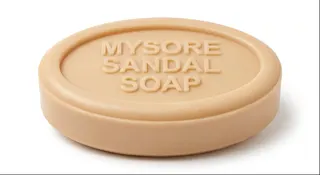 Skincare & Soap · since 1918 Mysore Sandal Soap The oval sandalwood soap of the Mysore government's Bangalore factory, on sale since 1918. Read the entry →
 -
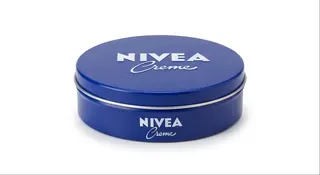 Skincare & Soap · since 1911 Nivea Creme The first stable cream of oil and water, in a blue tin since 1925. Read the entry →
 -
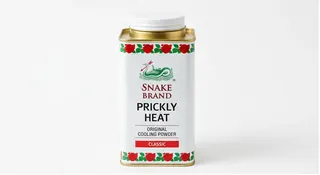 Skincare & Soap · since 1952 Snake Brand Prickly Heat Powder A Bangkok pharmacy's cure for prickly heat, dusted from the same rose-bordered tin for more than seventy years. Read the entry →