Home & Furniture · Home Accessories · Lighting
Philips
Philips Hue Smart Bulb
Since 2012 · 14 years to 2026 · First made in Eindhoven, Netherlands
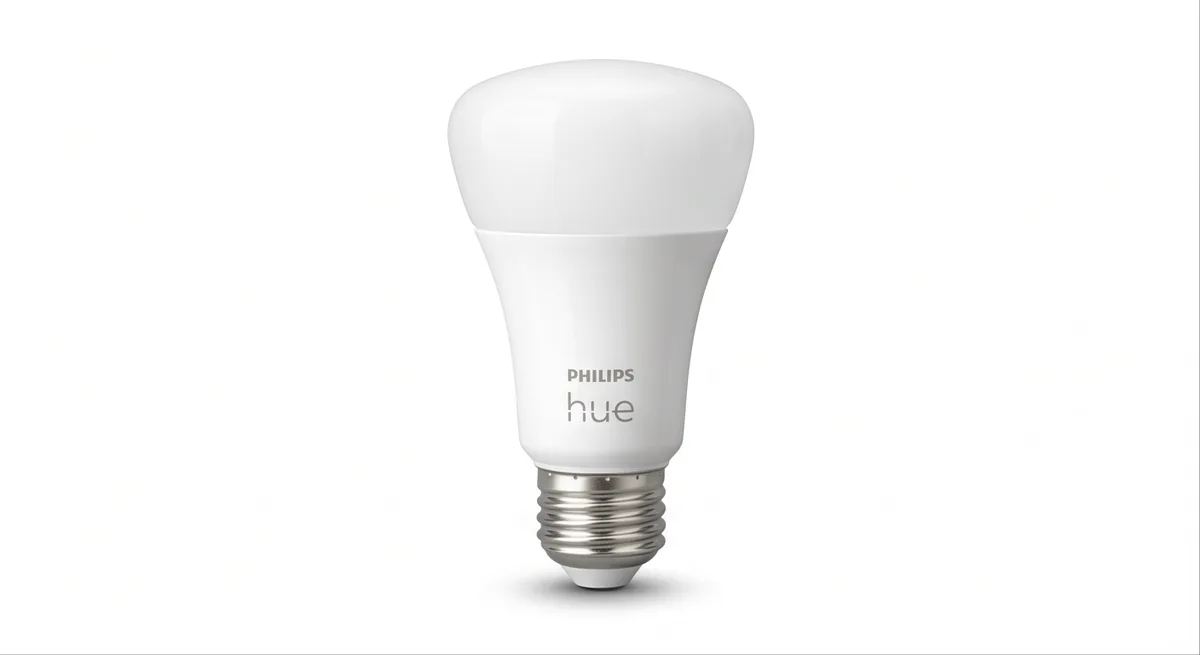
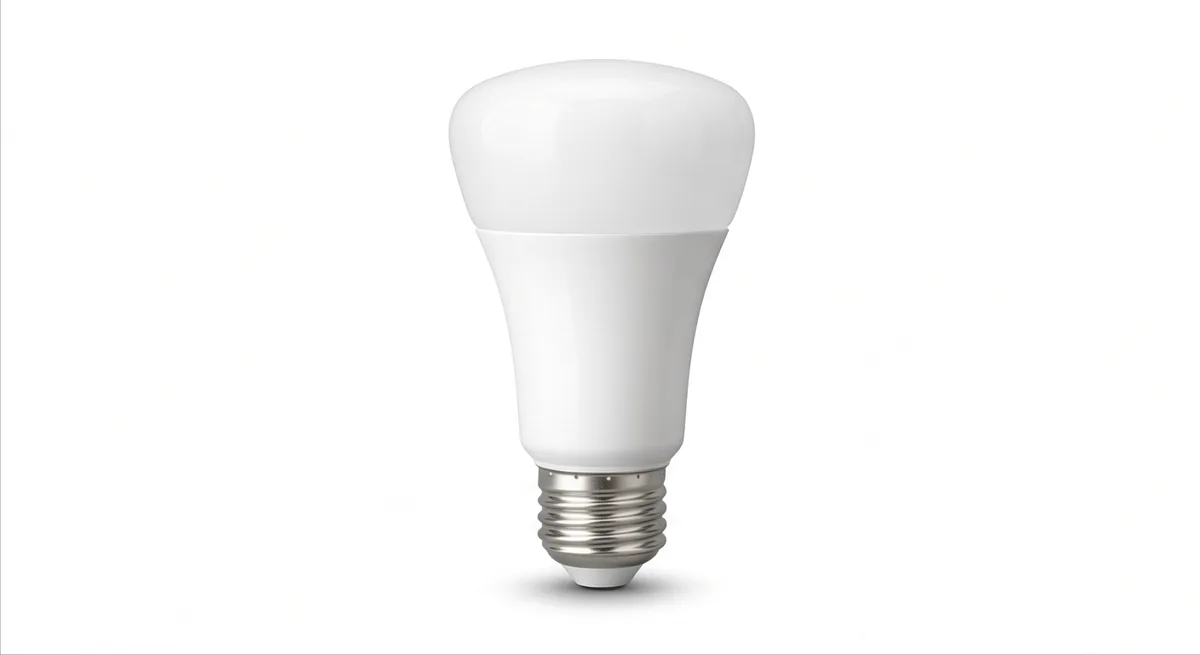
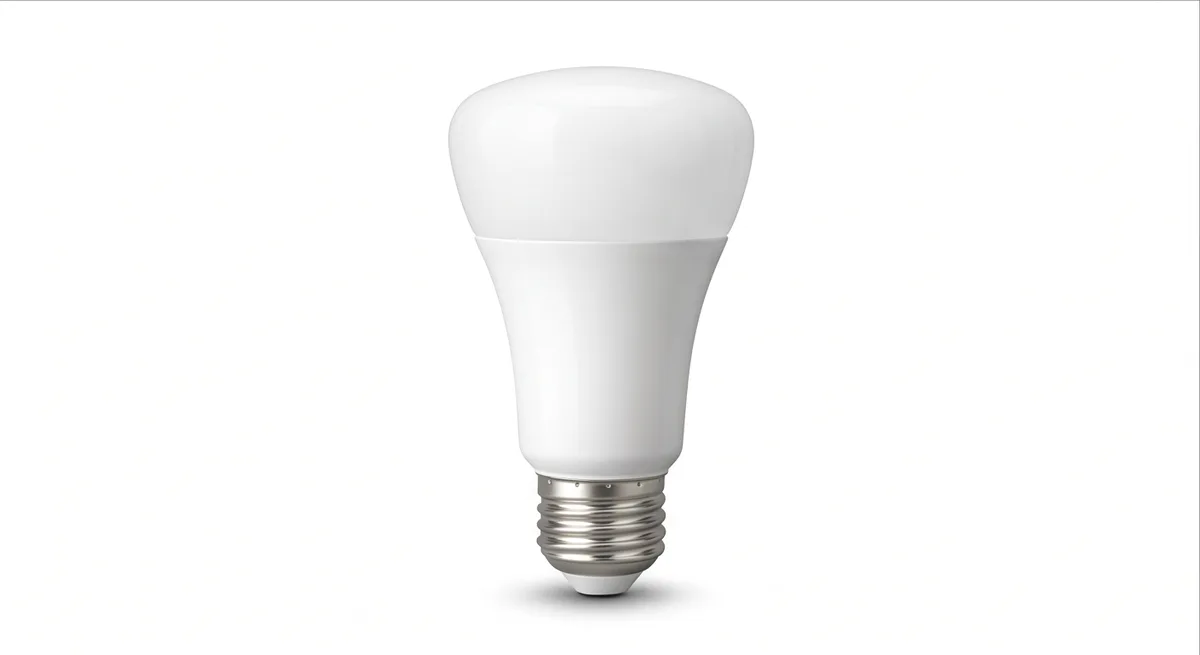
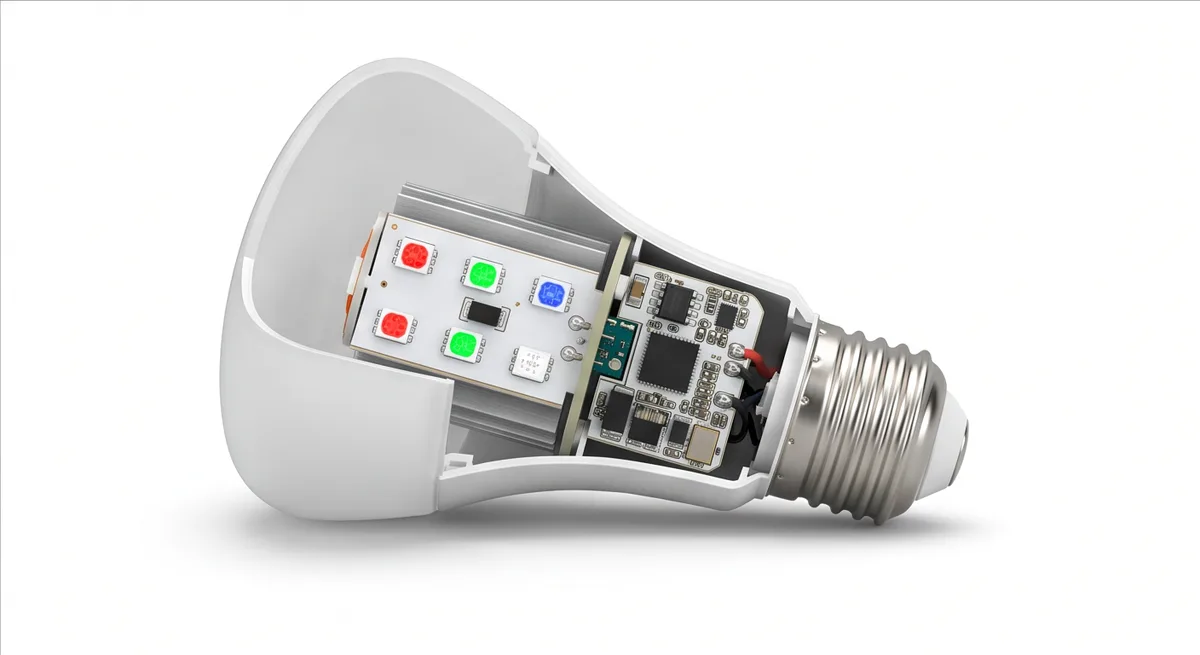
Philips Hue represents a watershed moment in domestic technology: the first commercially available smart bulb to reach mass market. Launched in October 2012 through Apple stores, it arrived at the intersection of LED efficiency, wireless networking, and smartphone ubiquity. The initial system was elegantly simple—three bulbs that screwed into existing fixtures, a bridge that connected to home Wi-Fi, and an app that transformed the bulb from a passive component into an interactive element of the home environment.
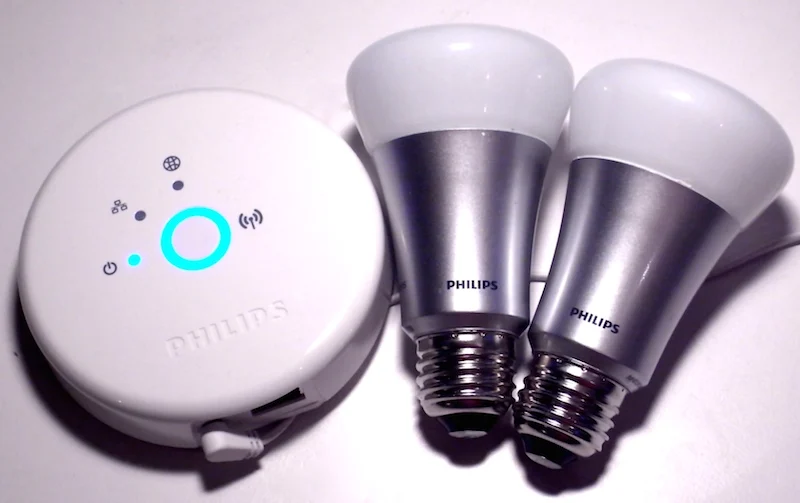

The product's technical foundation rested on LED technology capable of producing any colour across the visible spectrum, alongside tunable white light ranging from warm to cool tones. Each bulb consumed 80 percent less power than incandescent equivalents while delivering 600 lumens of output. The bridge served as the essential intermediary, translating smartphone commands into wireless instructions via Zigbee mesh networking. This architecture proved durable: the same bridge design, refined across generations, continues to coordinate networks of up to 50 bulbs more than a decade later.
What distinguished Hue from novelty was its integration into daily domestic practice. Users could program lighting schedules, group bulbs by room, and adjust ambience without touching a physical switch. The system's longevity—bulbs rated for 15,000 hours and 15 years of operation—meant that early adopters found their 2012 purchases still functioning in 2025. Signify's decision to maintain backward compatibility across hardware generations, even as protocols evolved from Zigbee Light Link to Zigbee 3.0 to Bluetooth, prevented the forced obsolescence that typically plagues smart home products. The Hue ecosystem expanded to include motion sensors, dimmer switches, and synchronization devices, yet the core bulb remained recognizable and interoperable. This combination of technical restraint, genuine utility, and manufacturer commitment to longevity transformed Hue from a luxury gadget into infrastructure.
Timeline
- 2012 First made · Disputed Philips Hue Smart Bulb enters production in Eindhoven, Netherlands.
- 2015 Ownership Signify N.V. is established as the independent entity managing Philips Lighting operations.
- 2015 Designed The second-generation bridge is released with increased memory and processor speed.
- 2016 Designed The third-generation bridge is released.
- 2020 Production The first-generation bridge receives its final software update and Philips web server support is discontinued for v1 users.
Milestone dates are taken from the production notes behind this entry and have not been checked separately.
More like this
-
 Lighting · since 1930 Gubi Bestlite Industrial desk lamp in continuous production since 1930 Read the entry →
 -
 Lighting · since 1951 Noguchi Akari Light Sculpture Handcrafted paper lantern, continuously produced in Gifu since 1951. Read the entry →
 -
 Watches · since 1997 Longines DolceVita Swiss rectangular dress watch inspired by 1920s elegance, continuously refined. Read the entry →
 -
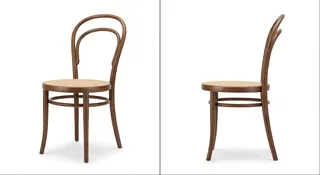 Chairs & Seating · since 1859 Thonet Model No. 14 Chair The world's first mass-produced chair, still made since 1859. Read the entry →