Portmeirion
Portmeirion Botanic Garden Dinner Plate
Since 1972 · 54 years to 2026 · First made in Stoke-on-Trent, Staffordshire
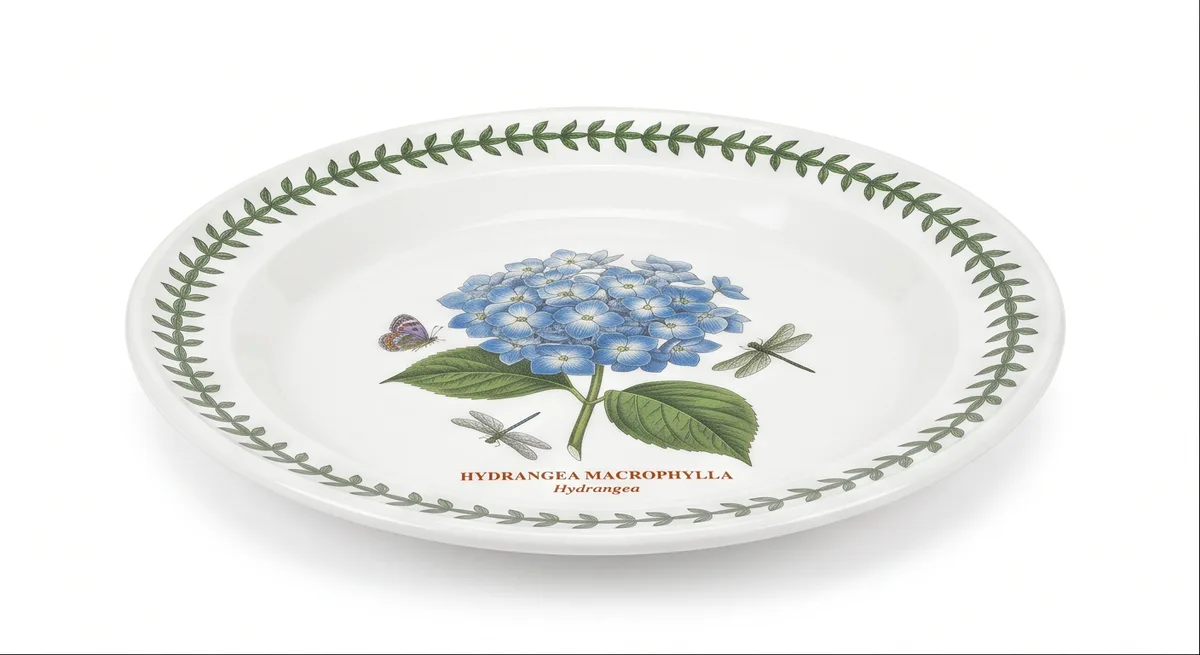
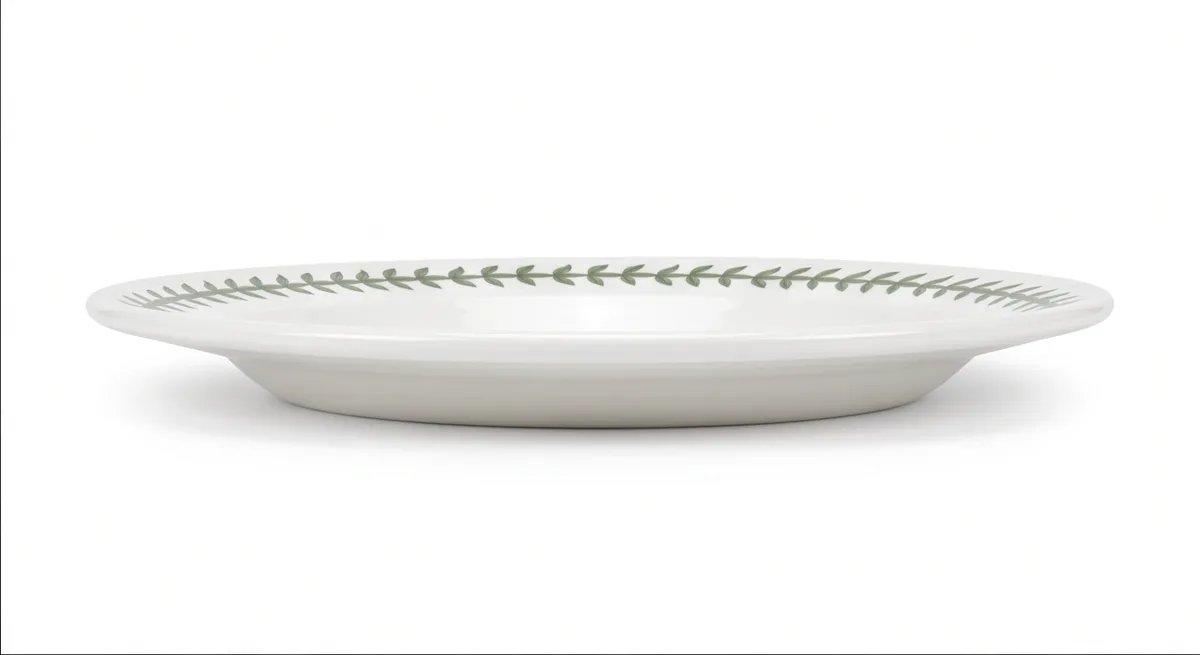
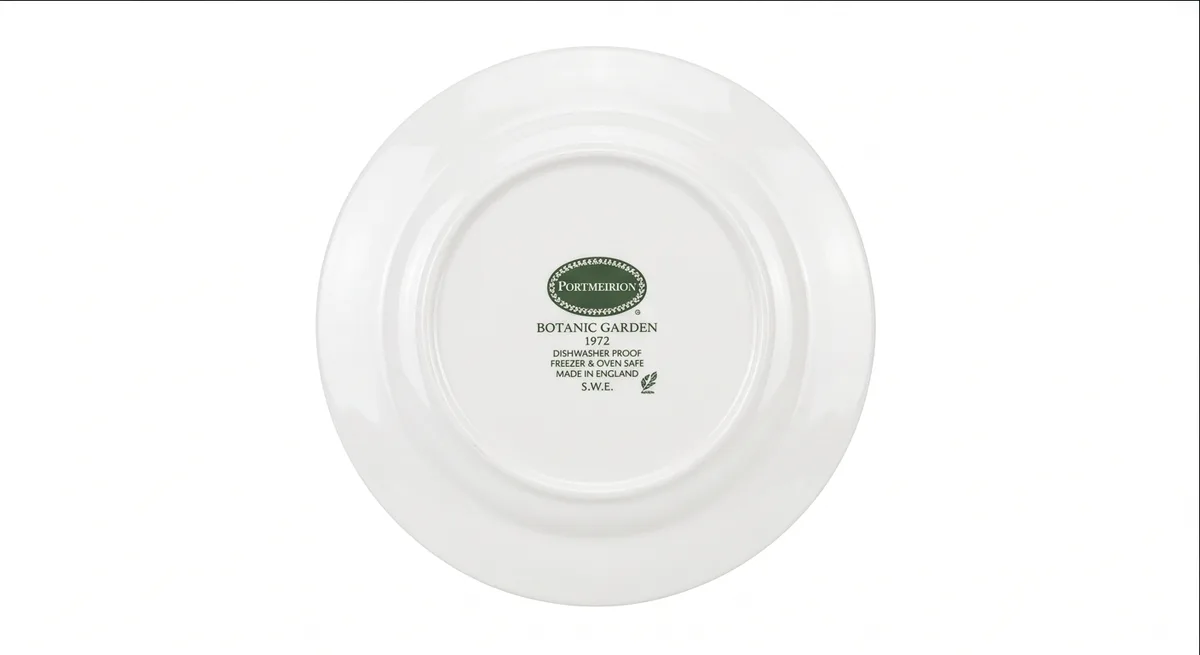
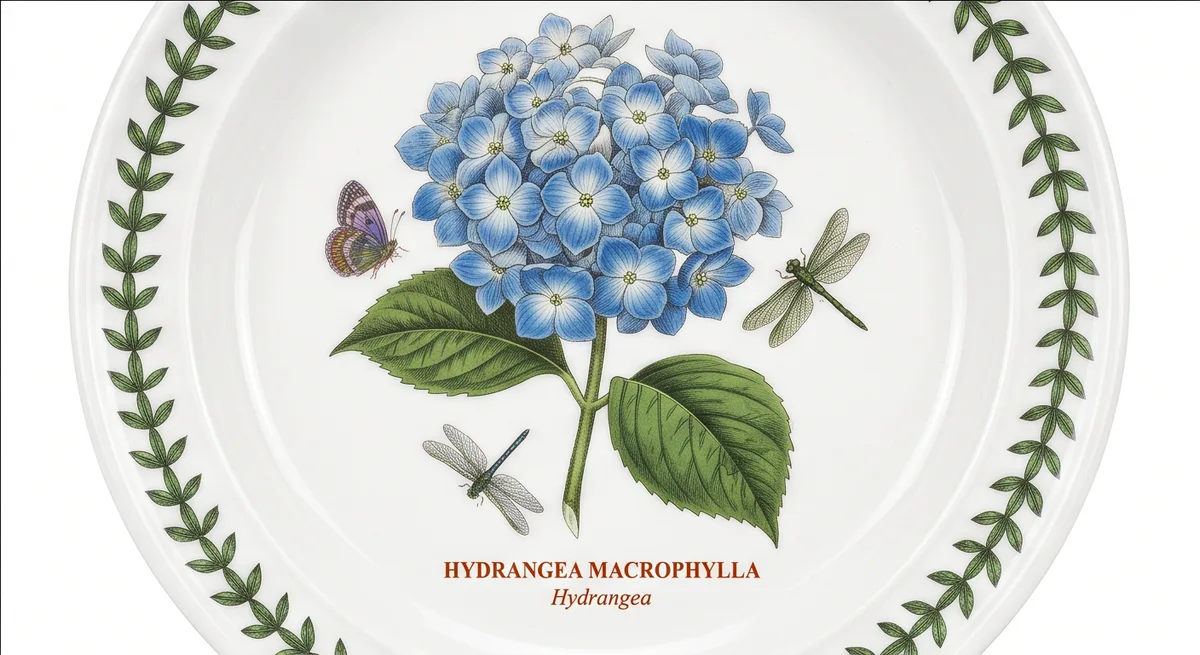
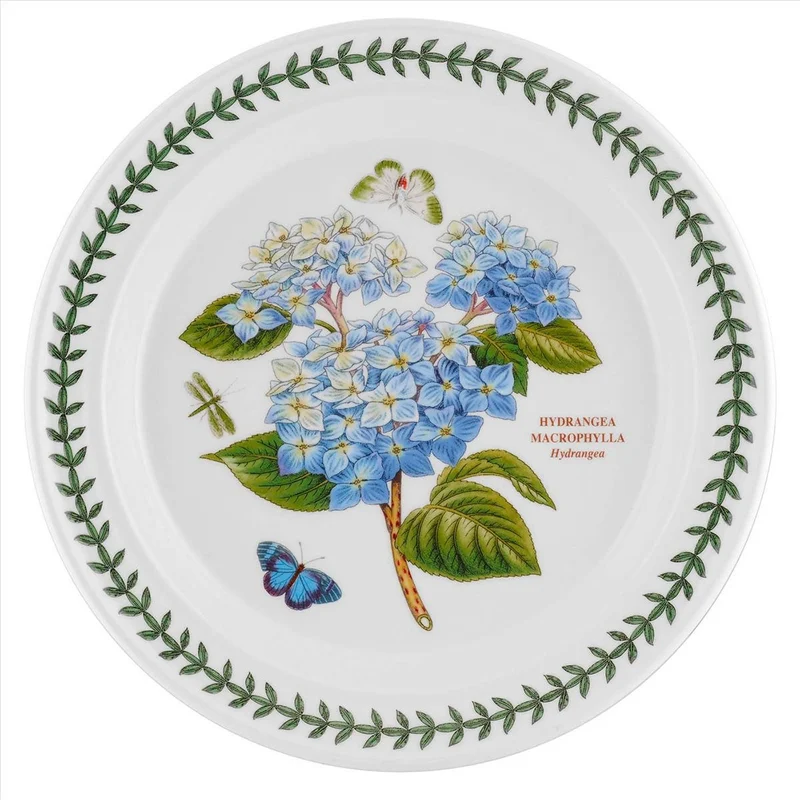
The Botanic Garden dinner plate is a round plate of white earthenware, a little over 26 centimetres across, with a broad, flat rim and a shallow well. Around the rim runs a continuous garland of small green leaves on a stem. In the well is a single plant, drawn in the manner of a hand-coloured engraving, with a butterfly or a dragonfly beside it and the plant's Latin and English names lettered underneath in red and green.
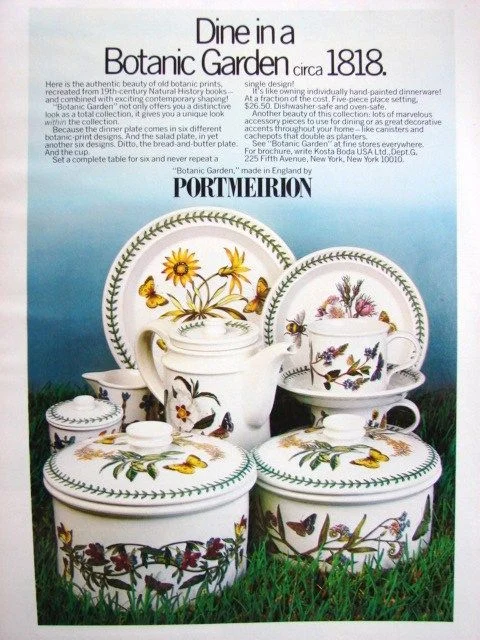
Its designer, Susan Williams-Ellis, was the daughter of Clough Williams-Ellis, who built the Italianate village of Portmeirion in North Wales. She and her husband bought two run-down Stoke-on-Trent potteries in 1960 and 1961 and made them Portmeirion Potteries. In the early 1970s, looking for engravings of sea creatures, she was shown a copy of Thomas Green's Universal Herbal of 1817, coloured by hand, and bought it instead. Its plates gave her the flowers.
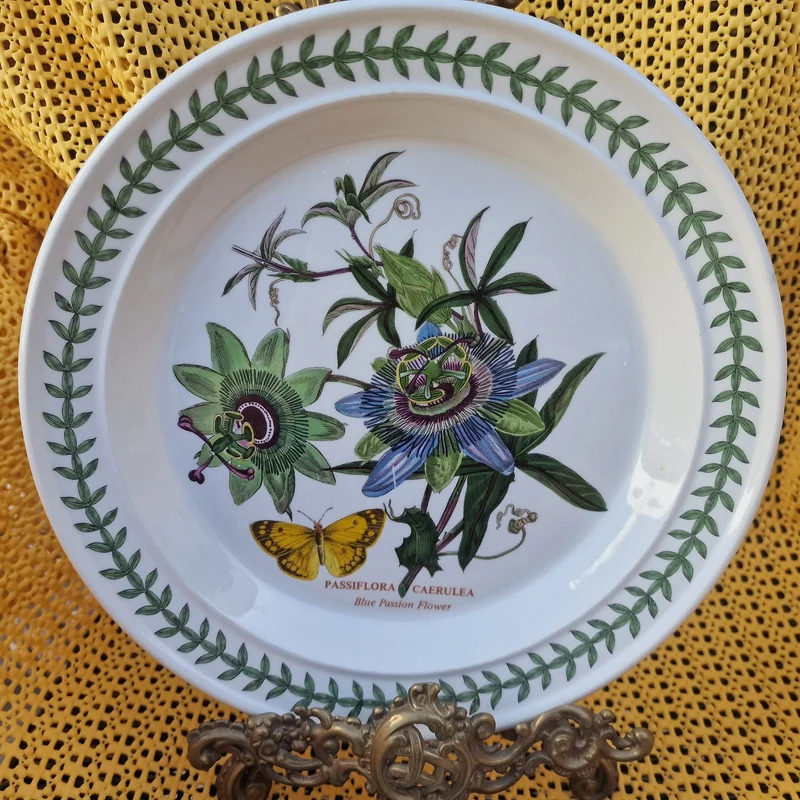
The idea that made the service unusual was that no two plates in a setting needed to match. A table for six could carry six different flowers, held together only by the leaf border. Department store buyers in 1972, she recalled, told her that nobody would stock it. Portmeirion now calls it its most recognised design and an instant success, and the name is shared with dozens of later pieces, from storage jars to wine glasses.
The plate itself has changed little. Flowers have been added and retired, the backstamp once dated the drawings to 1818, and the glaze is now sold as dishwasher, microwave and oven safe. Portmeirion still makes it in Stoke-on-Trent, in the factory the business grew from, and sells it singly in hydrangea, foxglove, sweet pea and other flowers, and in assorted sets, so that a service can still be built up one mismatched plate at a time, as it was meant to be.
Timeline
- 1972 First made · Claimed Portmeirion Botanic Garden Dinner Plate enters production in Stoke-on-Trent, Staffordshire.
- 2009 Ownership Portmeirion buys the Spode and Royal Worcester brands and renames itself Portmeirion Group; Botanic Garden continues to be made in its Stoke-on-Trent factory.
Milestones as we found them, not as we've checked them.
From the archive
More like this
-
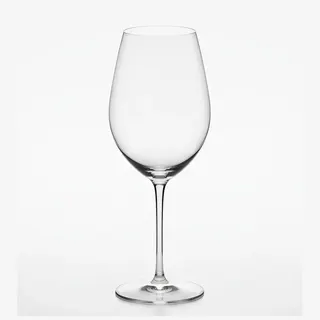 Tableware & Glassware · since 1973 Riedel Sommeliers Bordeaux Grand Cru The tall, narrowing bowl Claus Riedel drew for the great red wines of Bordeaux, one of the shapes in the first range of glasses made for particular wines.
-
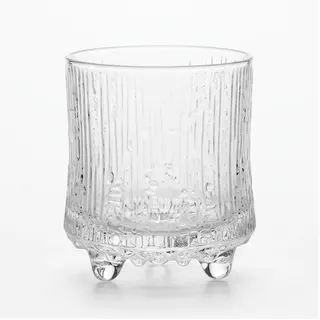 Tableware & Glassware · since 1968 Iittala Ultima Thule Tumbler Tapio Wirkkala's glass of melting Lapland ice, standing on three drips since 1968.
-
 Tableware & Glassware · since 1967 Stelton Cylinda-Line Teapot A plain stainless steel cylinder with a long straight spout and a black angular handle, first drawn on a napkin by Arne Jacobsen and sold by Stelton since 1967.
-
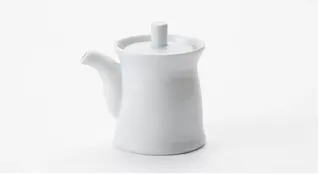 Tableware & Glassware · since 1958 Hakusan G-Type Soy Sauce Bottle Masahiro Mori's porcelain soy bottle of 1958, made at Hasami without change ever since.