Stelton
Stelton Cylinda-Line Teapot
Since 1967 · 59 years to 2026 · First made in Denmark
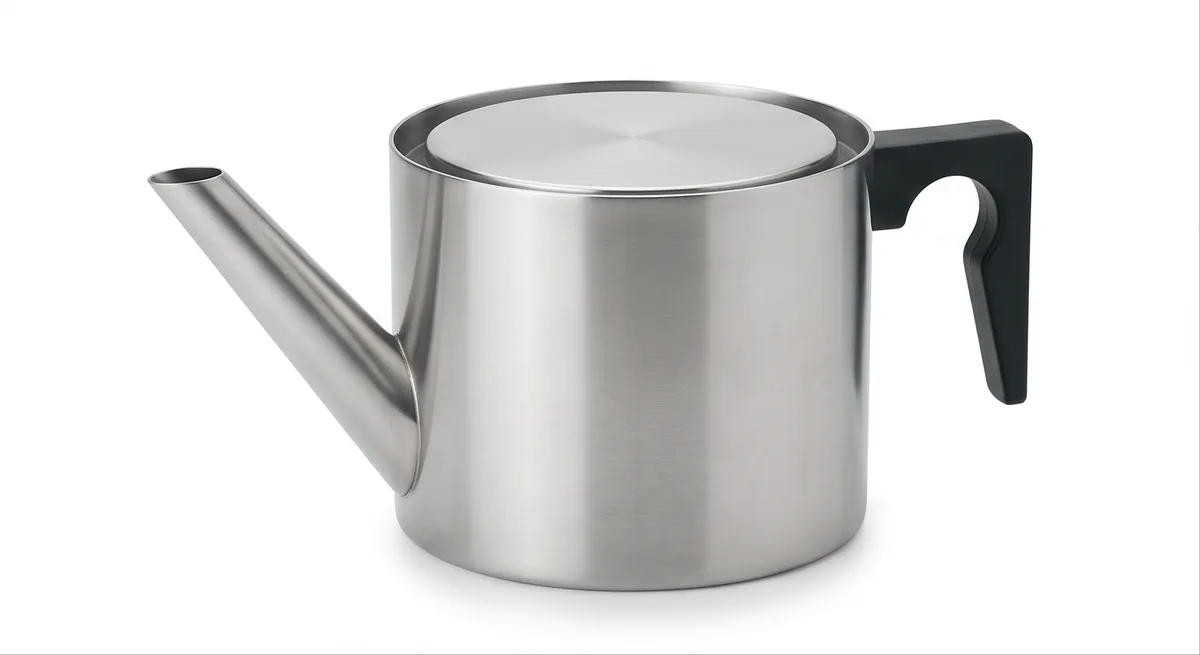
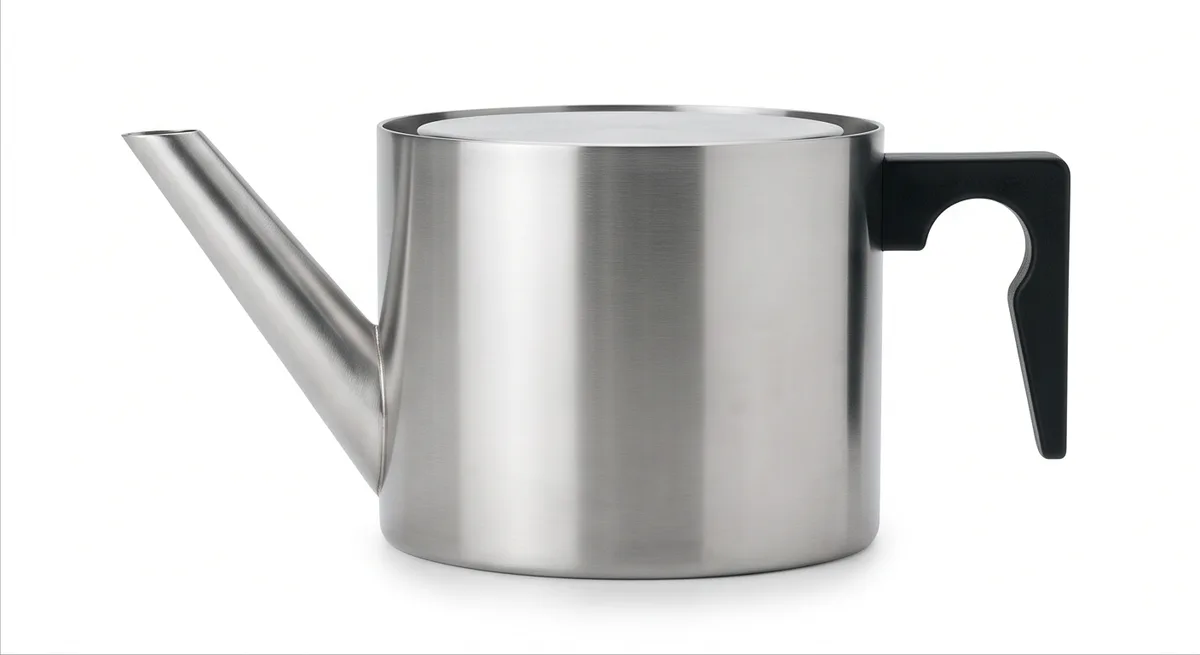
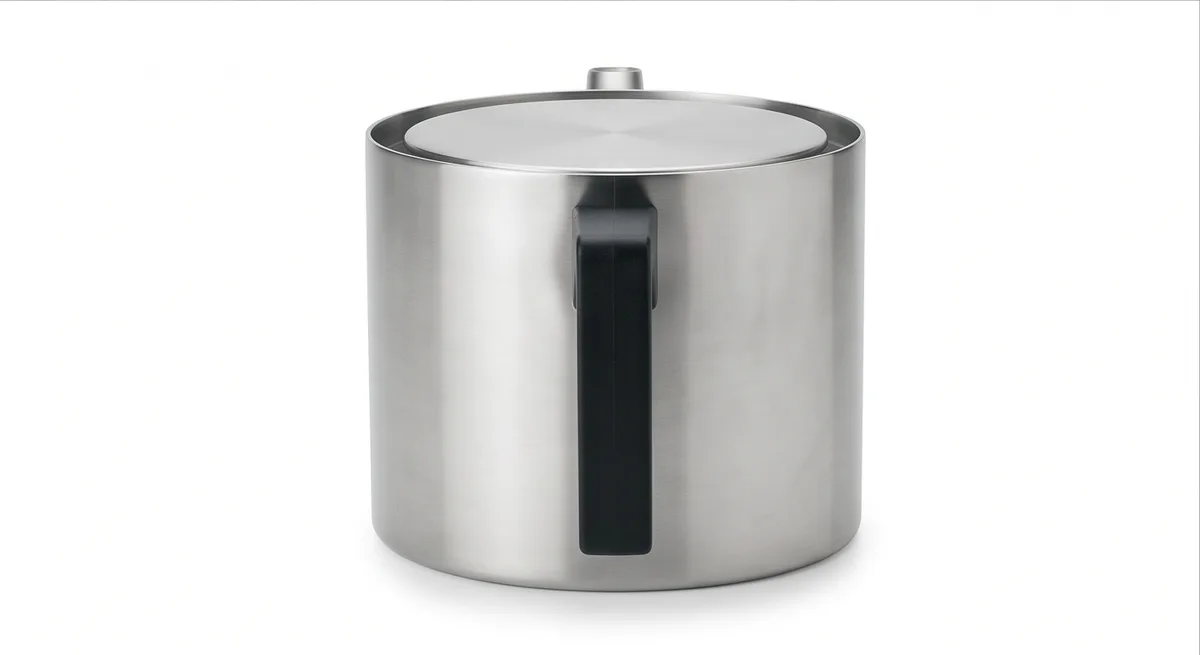
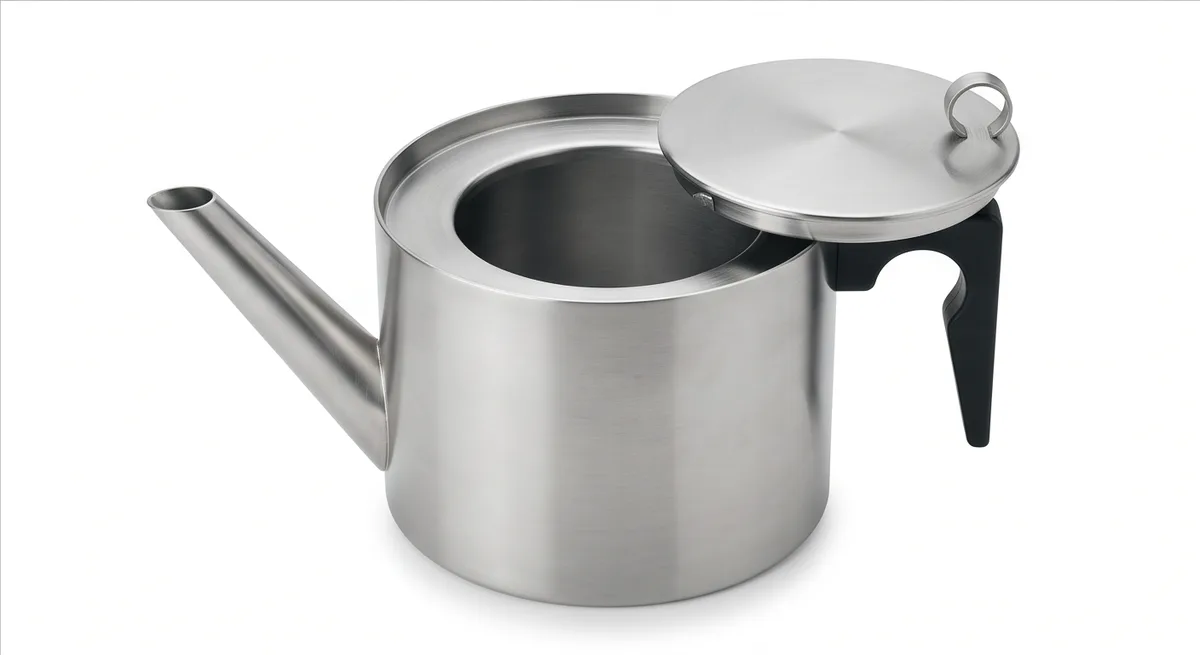
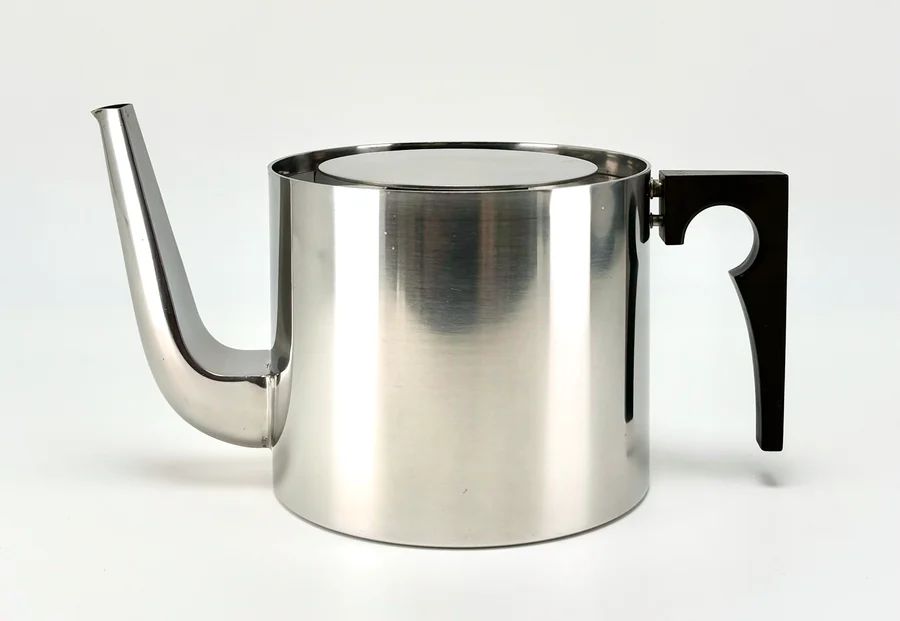
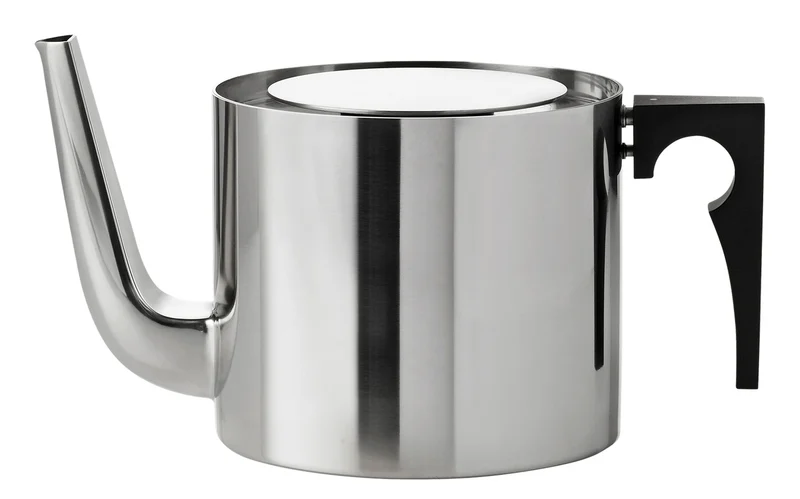
The Cylinda-Line teapot is a short, wide cylinder of brushed stainless steel, about thirteen centimetres high, with a flat lid set into the top. A long, straight spout rises from low on one side at a steep angle, and on the other side a black handle, square at its outer corner and cut away inside in two curves, stands off from the body on a short steel bracket. Nothing on it is round except the cylinder itself.
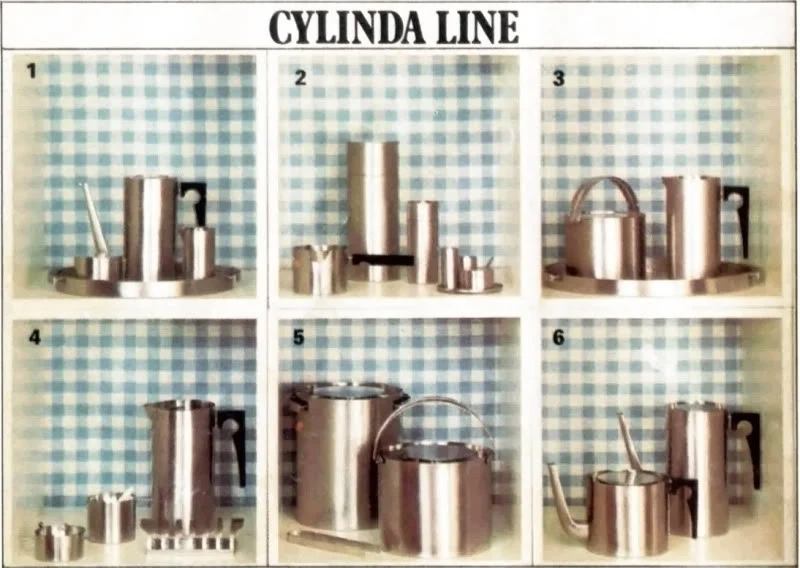
It was the first piece drawn for a range that Peter Holmblad, the director of the Danish firm Stelton and Arne Jacobsen's stepson, asked Jacobsen to design in 1964. Holmblad later said he showed the busy architect his own poor sketches, knowing that Jacobsen could not resist correcting them; Jacobsen took a napkin and drew the teapot. Jacobsen refused to compromise on the design, there was then no method for making steel cylinders of this kind, and Stelton spent three years inventing one before the range was launched in 1967.
The Cylinda-Line grew into a whole household of pieces, from coffee pots, creamers and ice buckets to ashtrays and a cocktail shaker, all built from cylinders of satin-finished steel with black handles. Against the polished, curving metalwork then in fashion they looked severe and new, and the range won the Danish ID Prize in its first year. Stelton gave pieces to the Victoria and Albert Museum in 1968.
The teapot has kept its form and its size. The museum's example, made in 1968, holds 45 imperial fluid ounces and measures the same as the 1.25-litre pot Stelton sells today, still with its black handle. Coloured versions have come and gone around it, by Paul Smith in 2010 and in enamel colours for the fiftieth anniversary in 2017, but the plain steel teapot is still made and sold as it was first drawn.
Timeline
- 1967 First made · Verified Stelton Cylinda-Line Teapot enters production in Denmark.
- 1968 Recognised Stelton gives a Cylinda Line teapot and other pieces to the Victoria and Albert Museum.
- 2010 For Stelton's fiftieth anniversary Paul Smith adds coloured interiors and handles to a version of the range.
- 2017 Recognised The range's fiftieth year is marked with new enamelled colours beside the plain steel.
Milestones as we found them, not as we've checked them.
From the archive
More like this
-
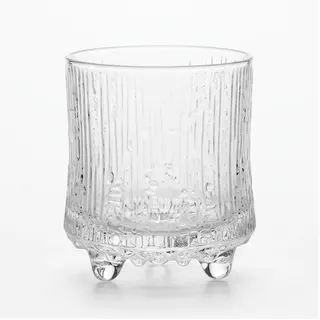 Tableware & Glassware · since 1968 Iittala Ultima Thule Tumbler Tapio Wirkkala's glass of melting Lapland ice, standing on three drips since 1968.
-
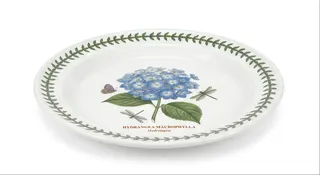 Tableware & Glassware · since 1972 Portmeirion Botanic Garden Dinner Plate A different flower on every plate, from an 1817 herbal, inside a garland of leaves: Susan Williams-Ellis's mismatched dinner service of 1972.
-
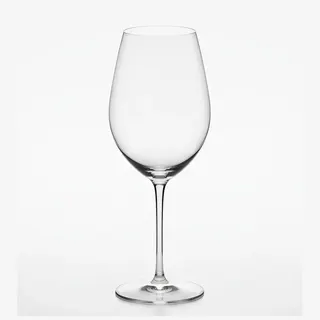 Tableware & Glassware · since 1973 Riedel Sommeliers Bordeaux Grand Cru The tall, narrowing bowl Claus Riedel drew for the great red wines of Bordeaux, one of the shapes in the first range of glasses made for particular wines.
-
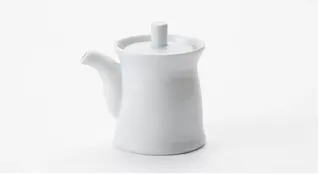 Tableware & Glassware · since 1958 Hakusan G-Type Soy Sauce Bottle Masahiro Mori's porcelain soy bottle of 1958, made at Hasami without change ever since.