Sports & Leisure · Games & Toys · Toys
Pustefix
Pustefix
Since 1948 · 78 years to 2026 · First made in Kilchberg, Tübingen, Germany
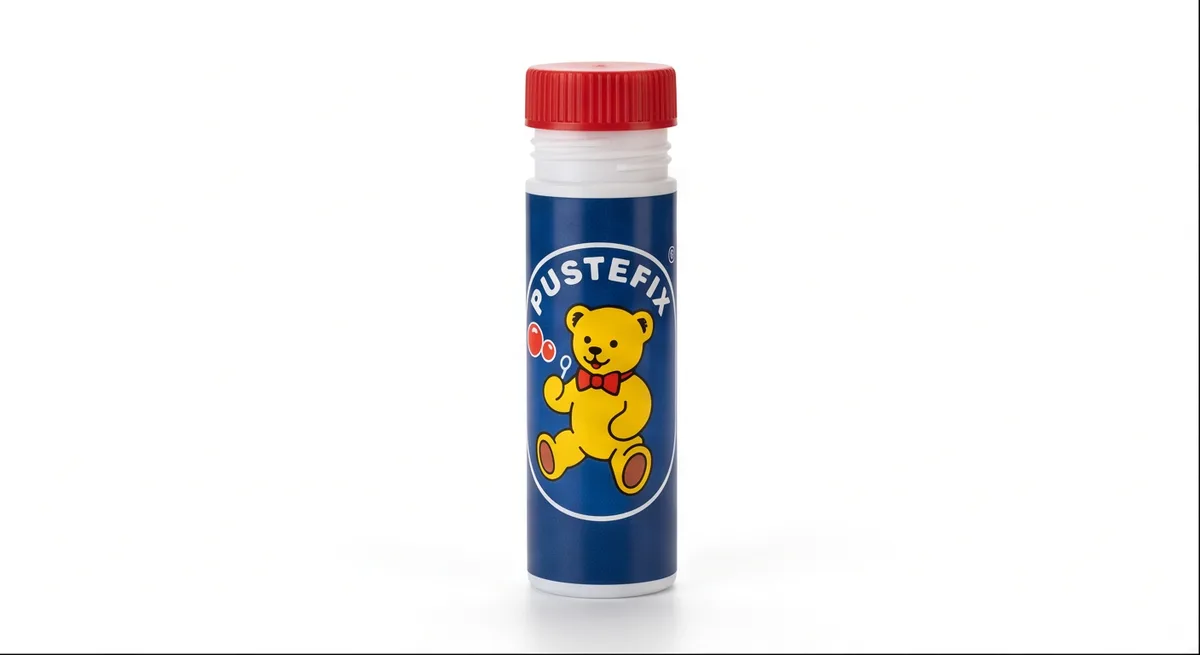
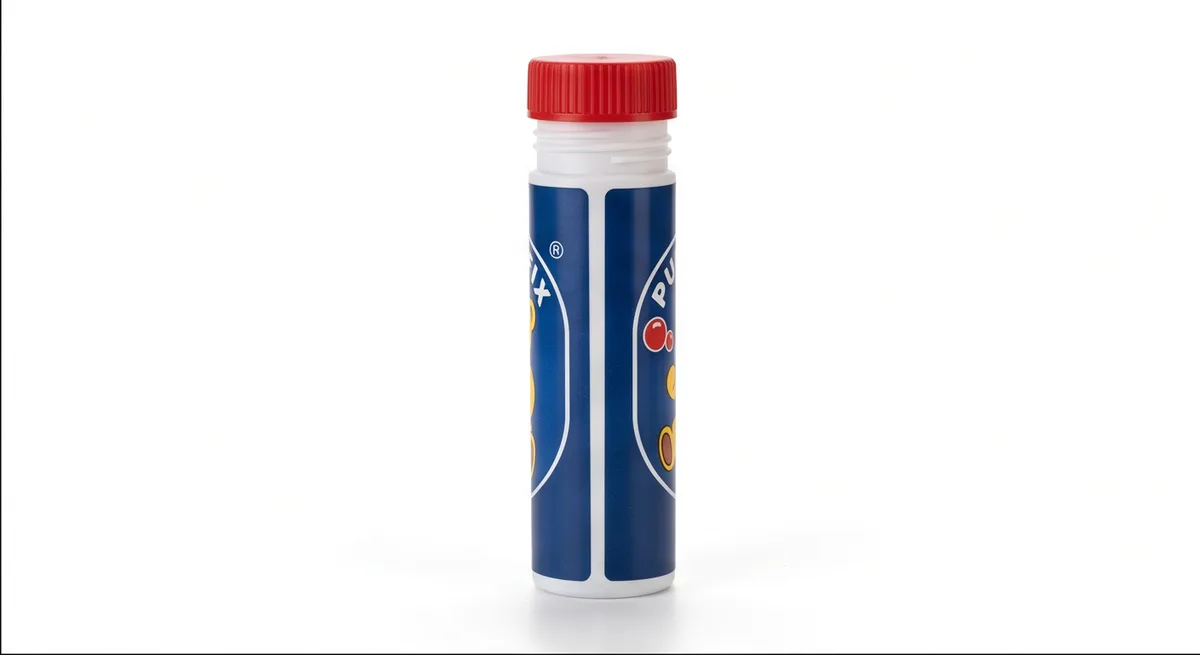
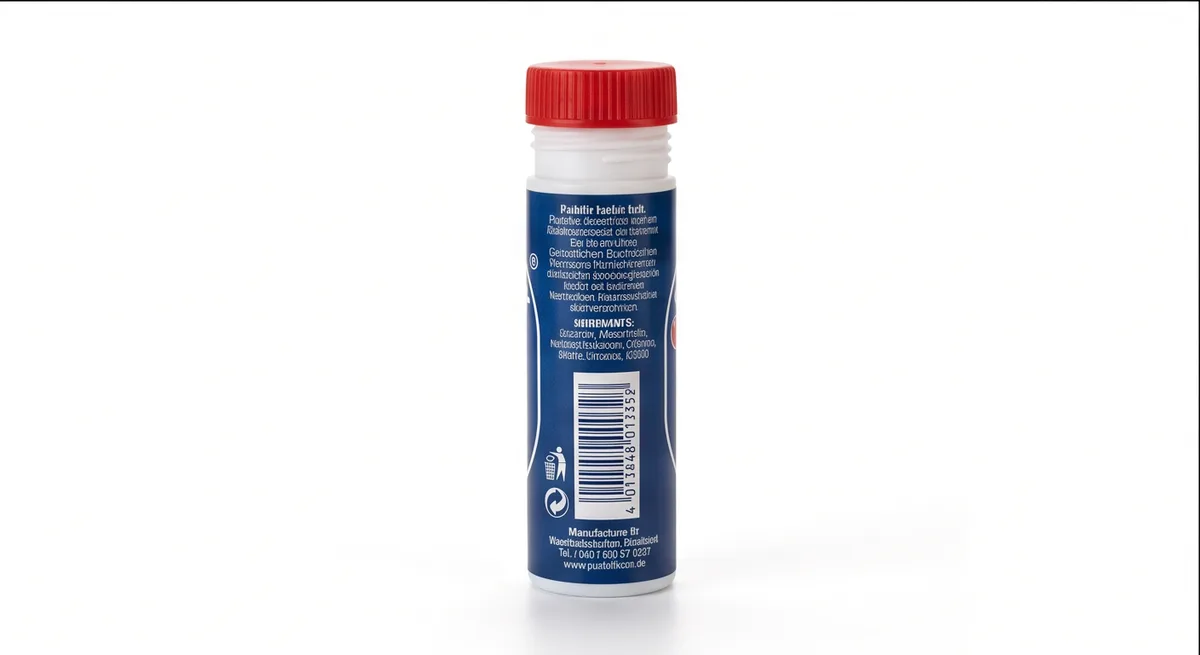
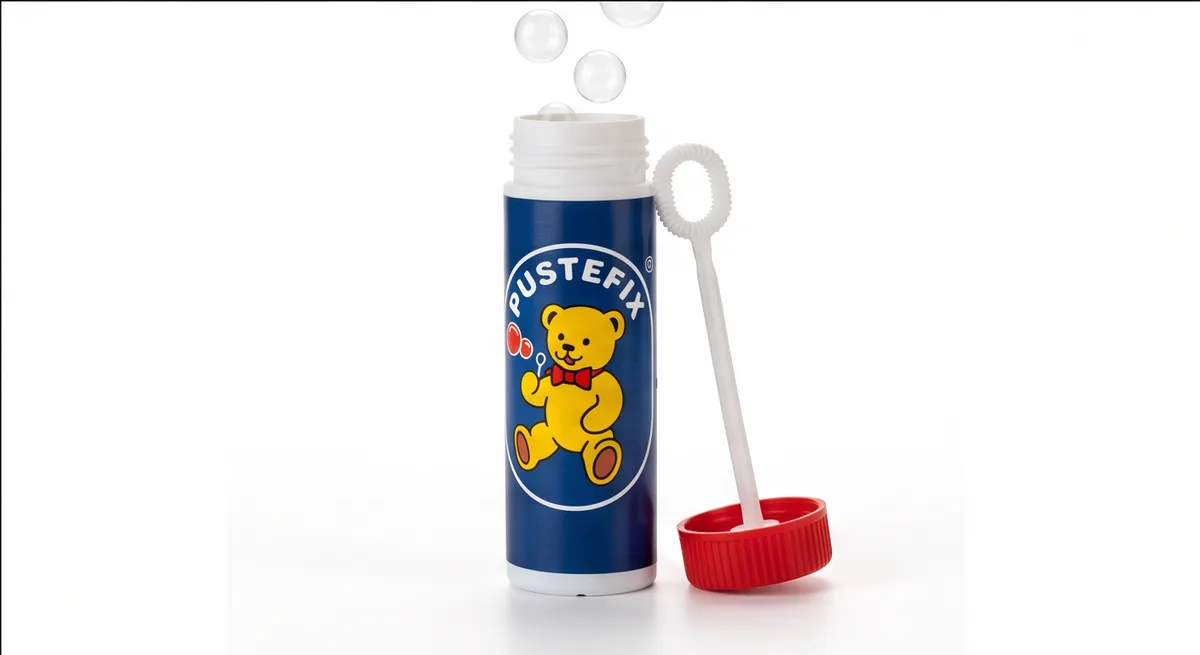
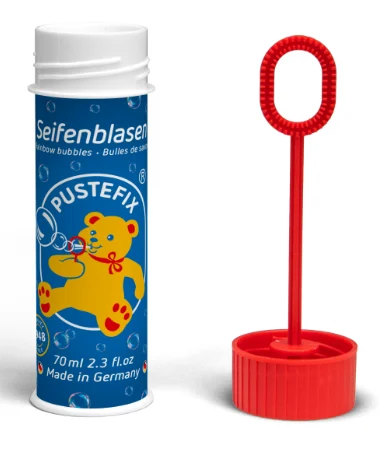
Pustefix is a ready-made bubble toy: a slim cylindrical tube holding 42 or 70 millilitres of soap solution, closed by a red screw cap from which hangs a short stem ending in a ribbed oval ring. Lifted from the tube, the ring carries a film of solution, and a gentle breath sends out a stream of bubbles. The blue label shows a yellow teddy bear in a red bow blowing bubbles, under the name in arched white letters.
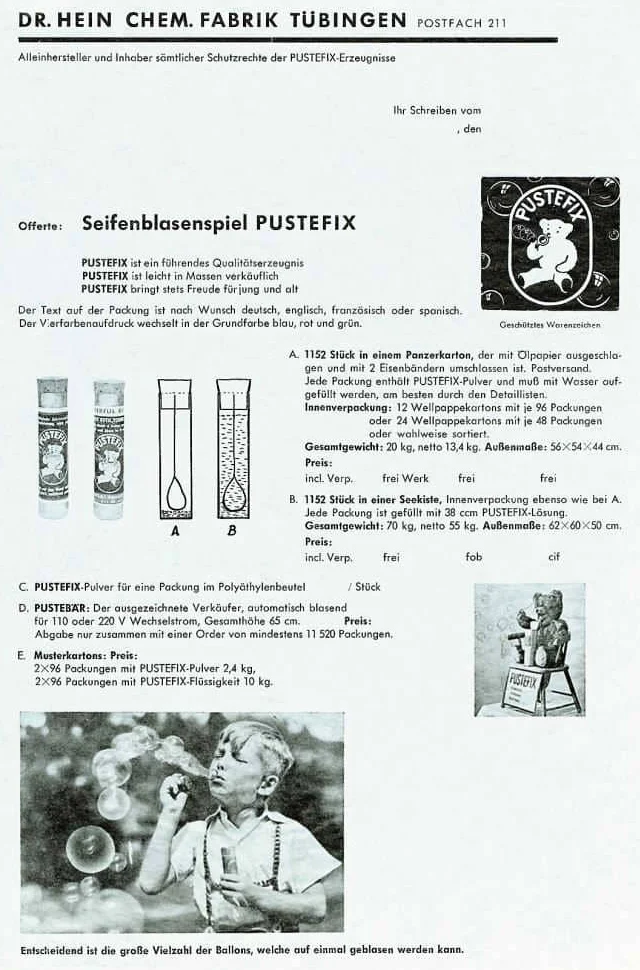
Its maker traces it to the hungry years after the Second World War, when Rolf Hein, a chemist in Kilchberg near Tübingen, was mixing washing powders to trade with farmers for food. One recipe produced unusually large, iridescent bubbles, and after the currency reform of 1948 he began selling it as a toy that needed no preparation, its name joining the German pusten, to blow, with fix und fertig, ready to go. The yellow teddy belonged to his own children.
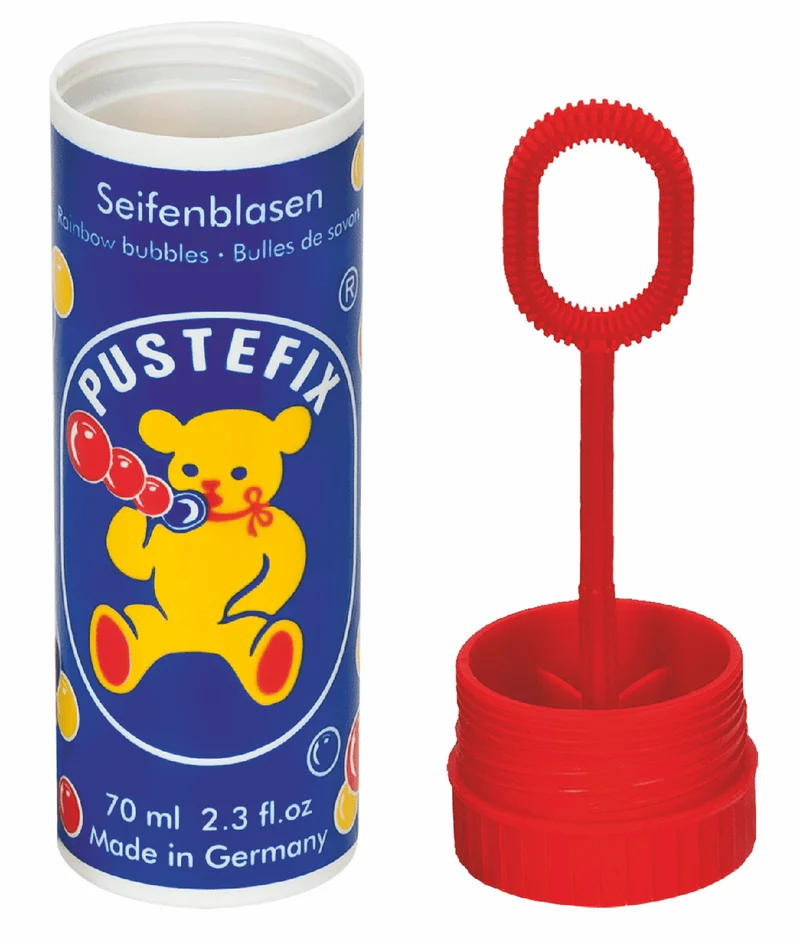
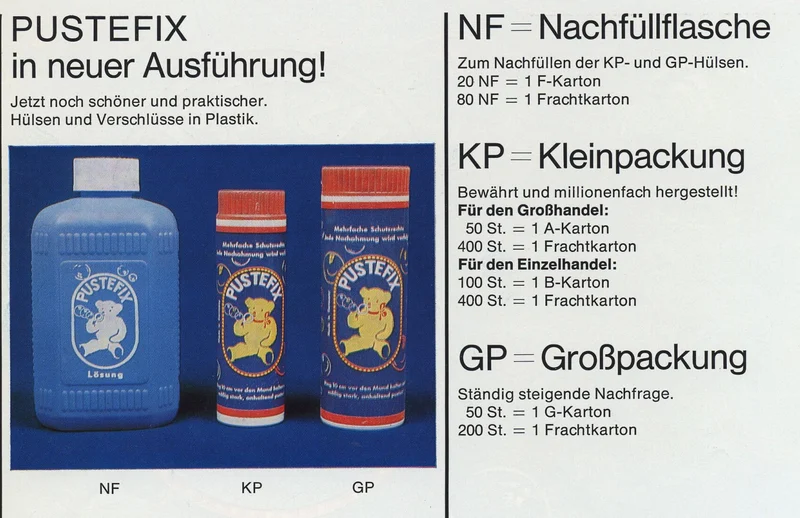
The first tubes were aluminium, stopped with a natural cork that held a loop of coiled spring wire. They leaked in transport and the wire corroded, and at the end of the 1960s Hein had both remade in plastic, insisting that the tube keep its slender shape and the ring its oval. The bear, printed directly onto the plastic, has stayed on every tube since, and German Wikipedia records that the formula remained a family secret for more than sixty years.
When the German birth rate fell in the 1970s the founder's son turned to export, and Pustefix found large markets in Japan and the United States. The company, owned since 2011 by an Austrian group, still fills the tubes in Tübingen and sells them across Europe, while the yellow bear now fronts trumpets, machines and wands. The plain tube remains the core of the range.
Timeline
- 1948 First made · Disputed Pustefix enters production in Kilchberg, Tübingen, Germany.
- 1948 Rolf Hein begins making a ready-to-use bubble toy in Kilchberg near Tübingen, with his children's yellow teddy as its emblem.
- 1970 Around the end of the 1960s plastic replaces the aluminium tube, cork and spring-wire ring, keeping the slim shape.
- 1973 Ownership Gerold Peter Hein takes over from his father and builds exports, above all to the United States and Japan.
- 2011 Ownership The Salzburg Stadlbauer group becomes owner of the family company.
Milestones as we found them, not as we've checked them.
From the archive
More like this
-
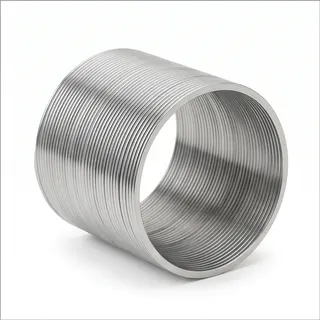 Toys · since 1945 Slinky A coil of steel that walks downstairs, first sold in Philadelphia for a dollar in 1945. Read the entry →
 -
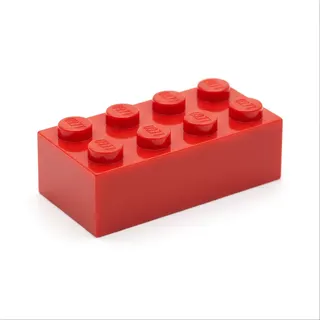 Toys · since 1958 LEGO Brick A brick from 1958 still clicks into one made this morning. Read the entry →
 -
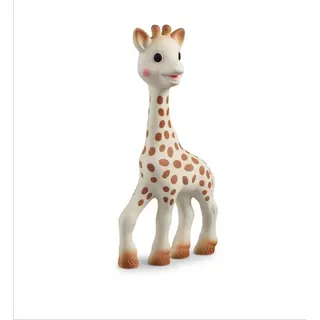 Toys · since 1961 Sophie la Girafe A rubber giraffe named for Saint Sophie's day in 1961, and still squeaking. Read the entry →
 -
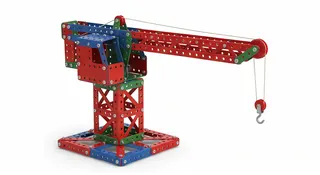 Toys · since 1930 Merkur Construction Set Steel strips, a centimetre grid and M3.5 screws, made in one Bohemian town since 1930. Read the entry →