Sports & Leisure · Games & Toys · Toys
Rubik's (Spin Master)
Rubik's Cube
Since 1977 · 49 years to 2026 · First made in Budapest, Hungary
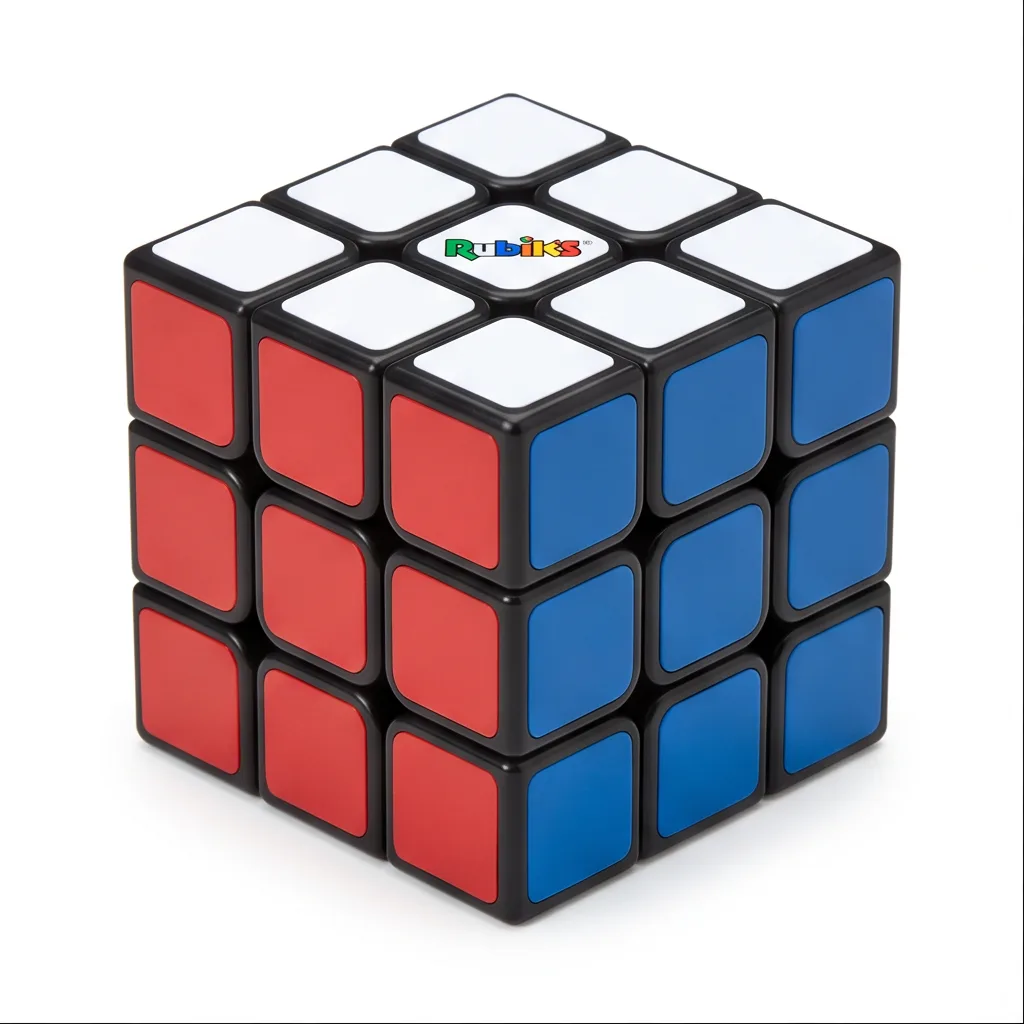
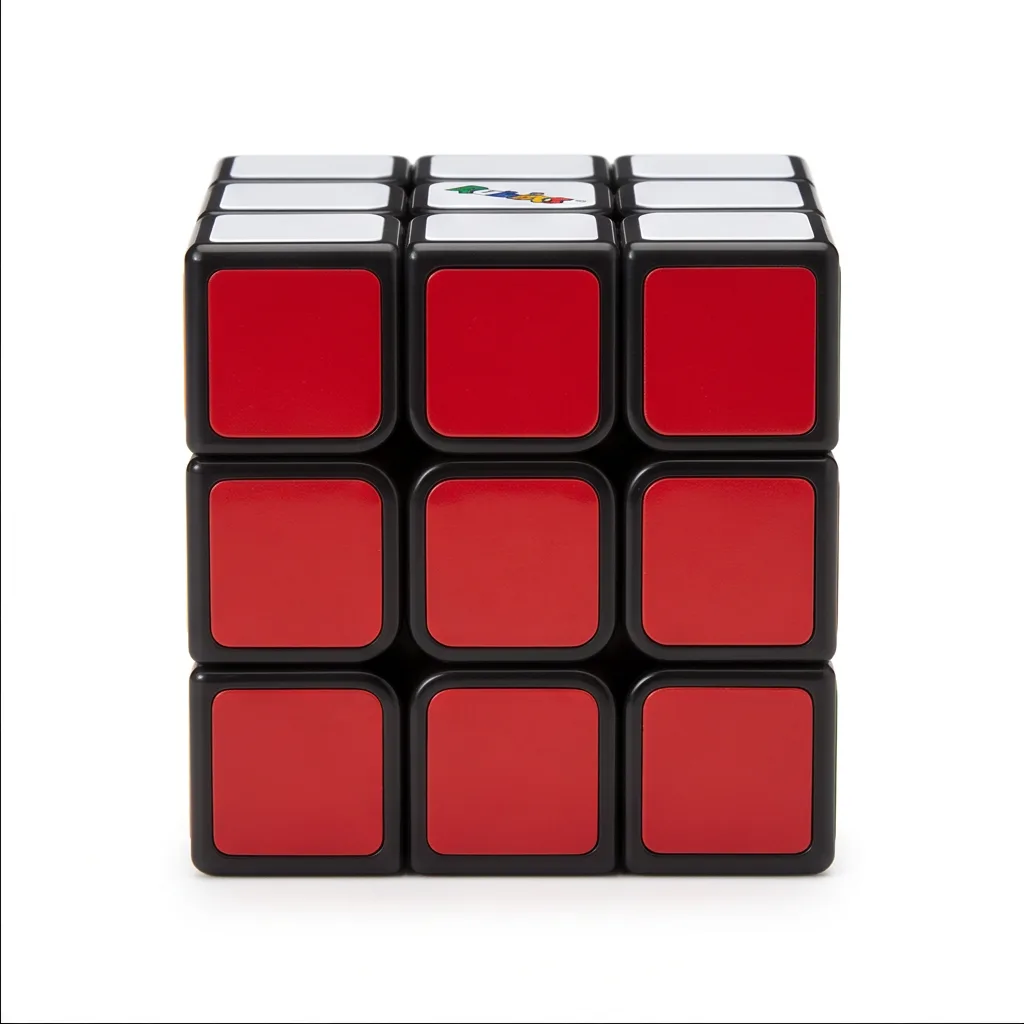
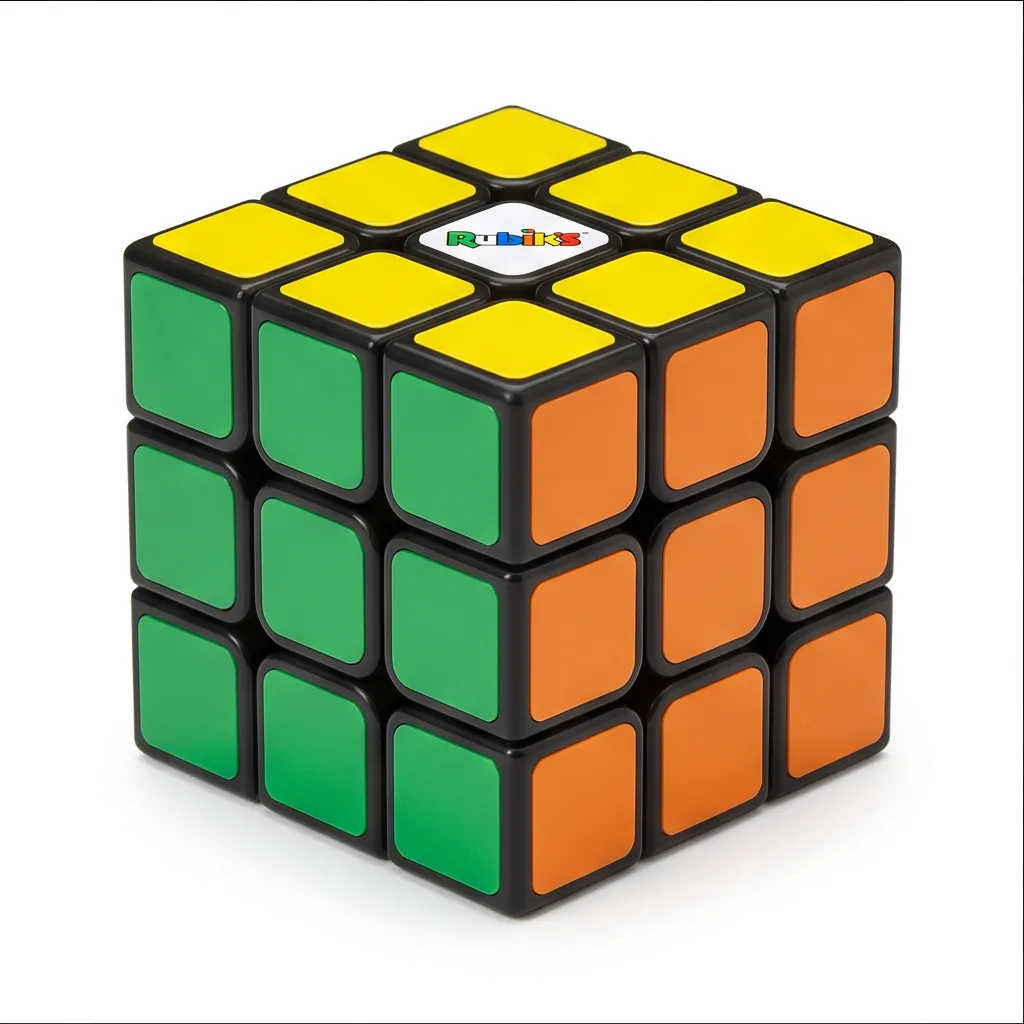
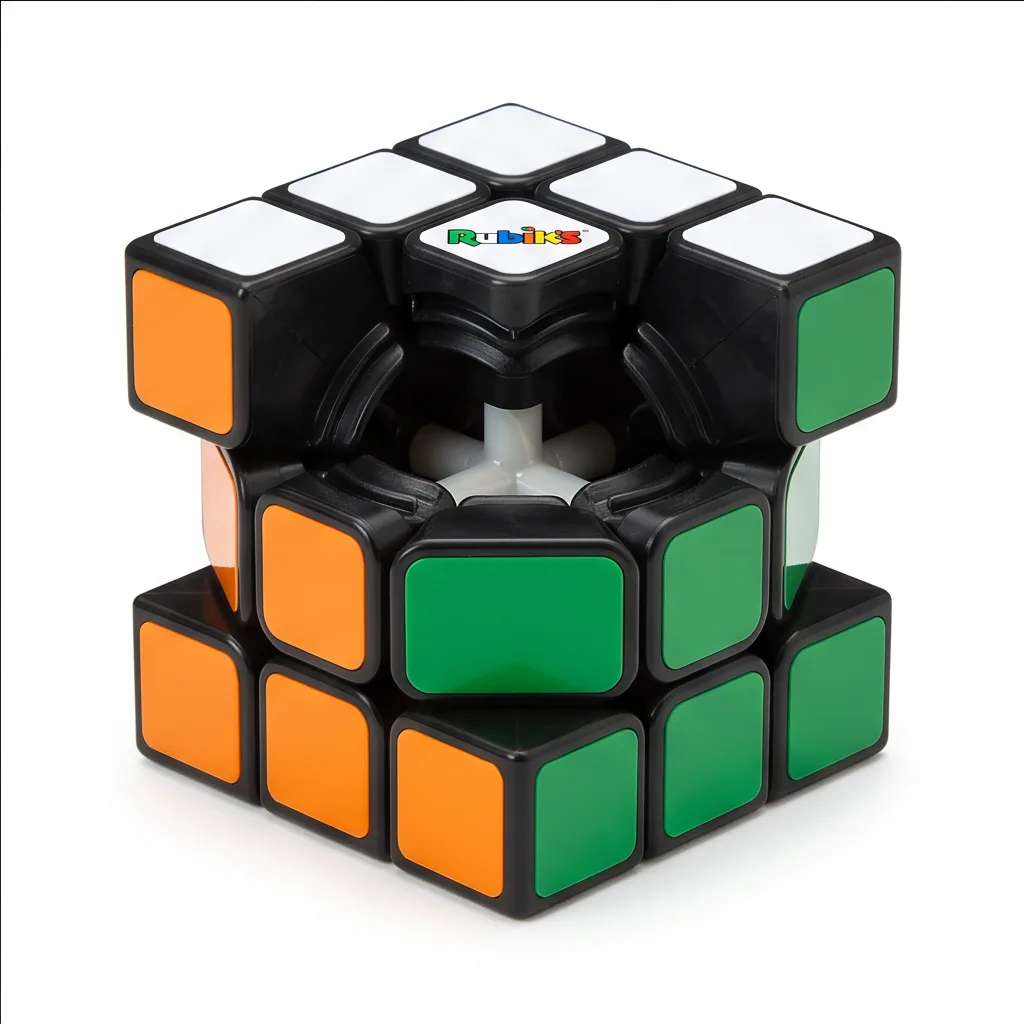
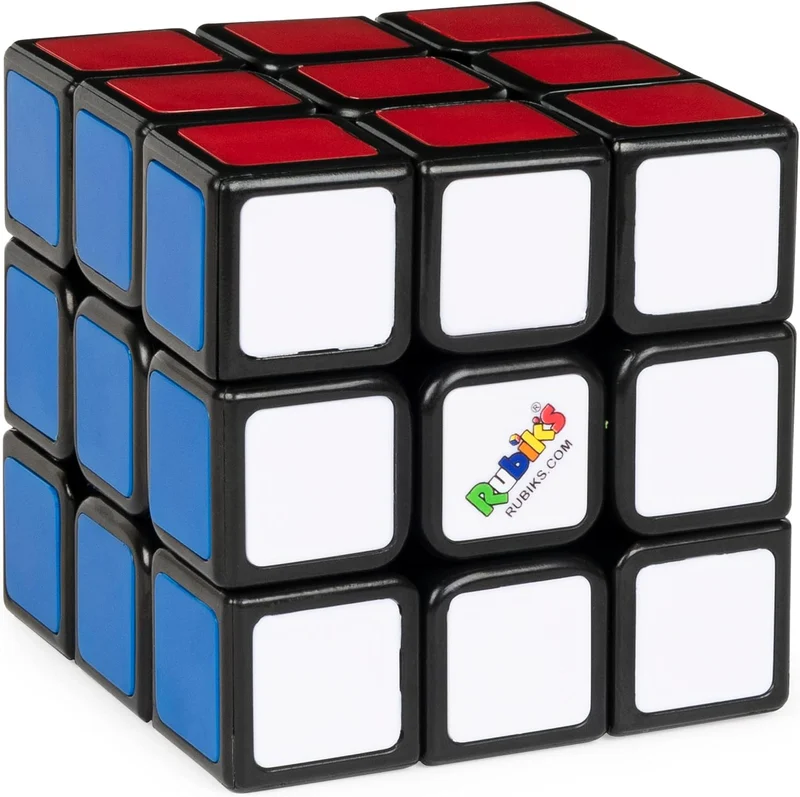
The Rubik's Cube is a hand-sized plastic cube, 5.6 centimetres along each edge, divided into three rows of three on every face. Its six faces are white, yellow, red, orange, blue and green, set on a black body. Each layer of nine smaller cubes can be twisted a quarter turn at a time about a hidden core, so that the colours scatter across the faces. The puzzle is to twist them back until every face shows one colour again.
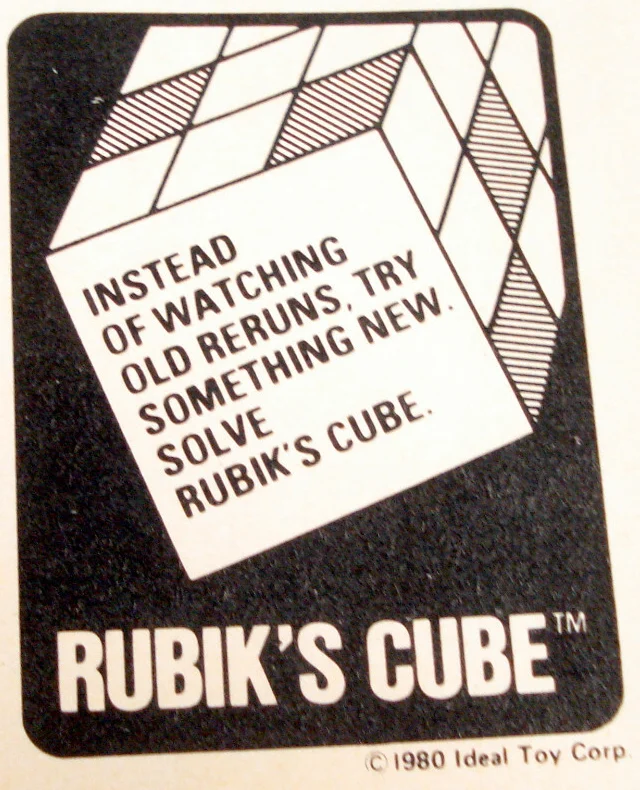
It began as a problem of construction rather than a game. Ernő Rubik, teaching interior design in Budapest in 1974, wanted a structure whose parts could move independently without falling apart, and he solved it by shaping the pieces so that they held one another in place around a central cross. Only after scrambling his model did he realise he had made a puzzle, and it took him about a month to solve it.
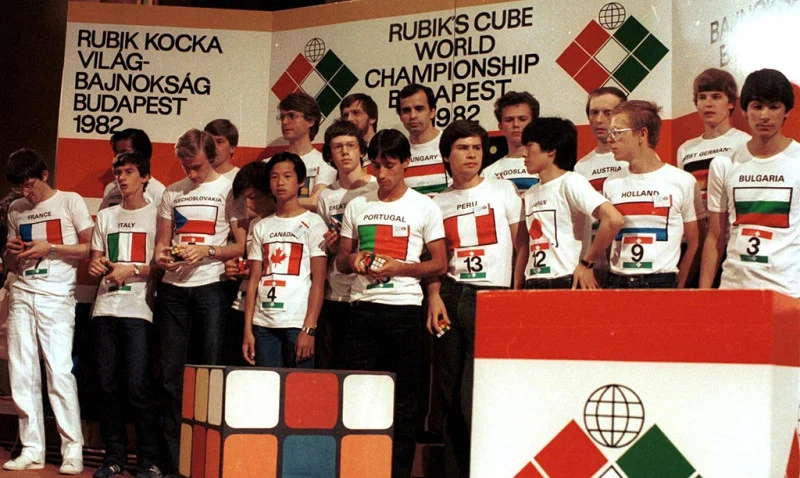
The first cubes were made in 1977 by Politechnika, a Budapest cooperative, and sold in Budapest toy shops as the bűvös kocka, the Magic Cube, under the patent Rubik had been granted that year. Two years later a businessman carried one to the Nuremberg toy fair, and in 1980 the Ideal Toy Company launched it to the world under its inventor's name, slightly lightened to meet Western safety rules. Within three years some 200 million had been sold, and three of the ten best-selling books in America were guides to solving it.
The craze passed, but the cube stayed in the shops. Speedcubing competitions returned in 2003 and are now run by the World Cube Association, and Spin Master, which bought the brand in 2021, still sells the original 3x3. Its mechanism has been redesigned and its finish made matte, but the object in the hand is the one that first appeared in Budapest in 1977.
Timeline
- 1975 Designed Ernő Rubik applies for a Hungarian patent for his spatial logic puzzle on 30 January.
- 1977 First made · Disputed Rubik's Cube enters production in Budapest, Hungary.
- 1980 Renamed Rubik's Cube, the puzzle is launched internationally by the Ideal Toy Company and wins a German Game of the Year special award.
- 2021 Ownership The Canadian toy company Spin Master acquires the Rubik's brand.
Milestones as we found them, not as we've checked them.
From the archive
More like this
-
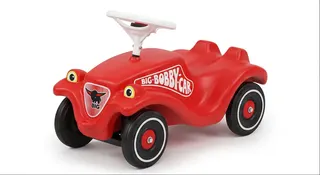 Toys · since 1972 Bobby-Car Classic A red plastic car for toddlers, shown at Nuremberg in 1972 and blown in the same mould shape ever since. Read the entry →
 -
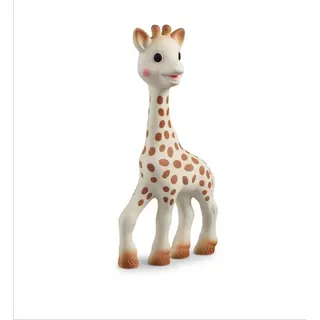 Toys · since 1961 Sophie la Girafe A rubber giraffe named for Saint Sophie's day in 1961, and still squeaking. Read the entry →
 -
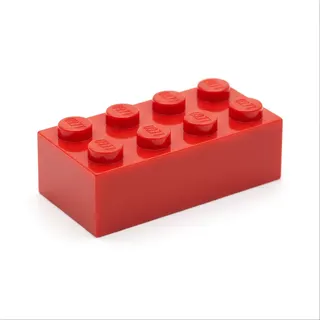 Toys · since 1958 LEGO Brick A brick from 1958 still clicks into one made this morning. Read the entry →
 -
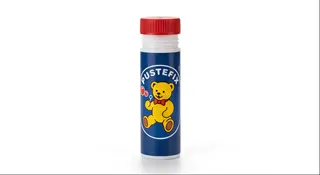 Toys · since 1948 Pustefix A tube of bubbles with a teddy on the label, filled near Tübingen since the year of the Deutsche Mark. Read the entry →