Stanley
Stanley Bailey No. 4 Smoothing Plane
Since 1869 · 157 years to 2026 · First made in New Britain, Connecticut
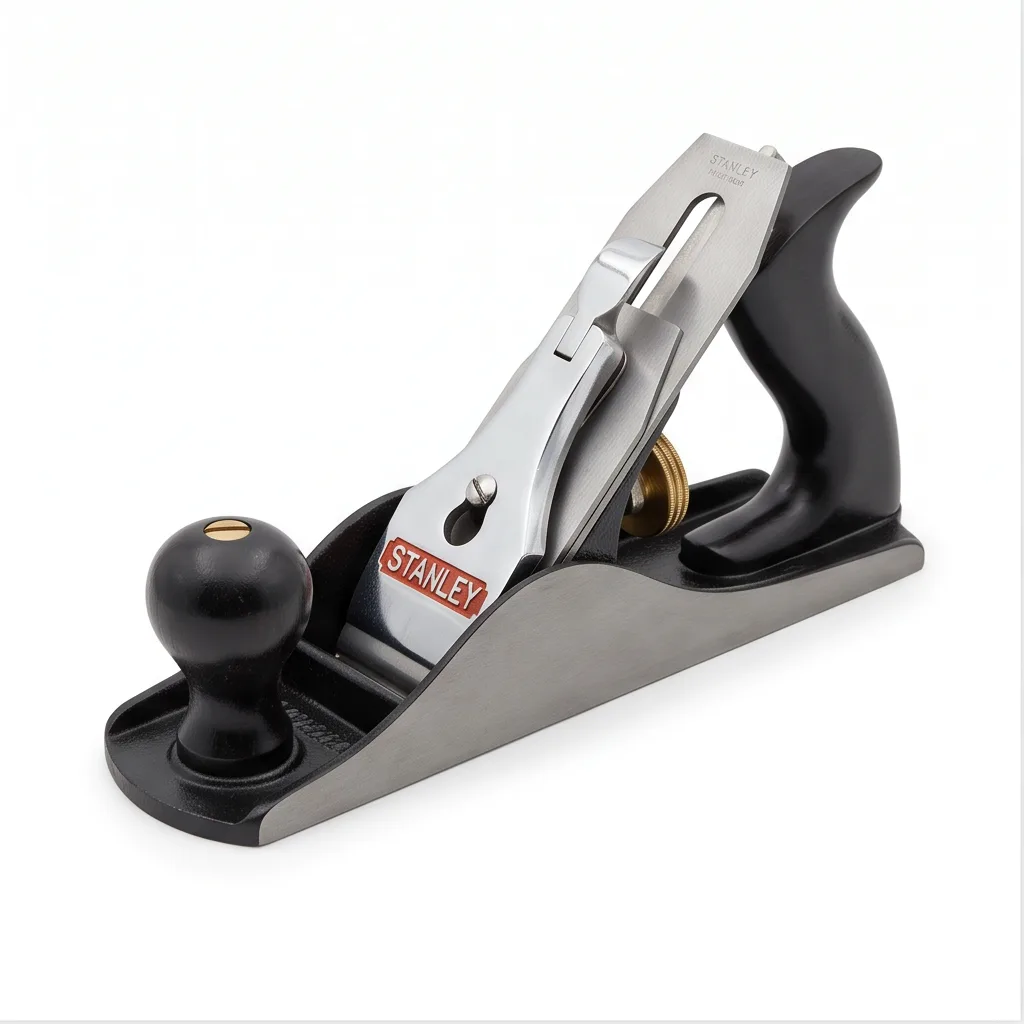
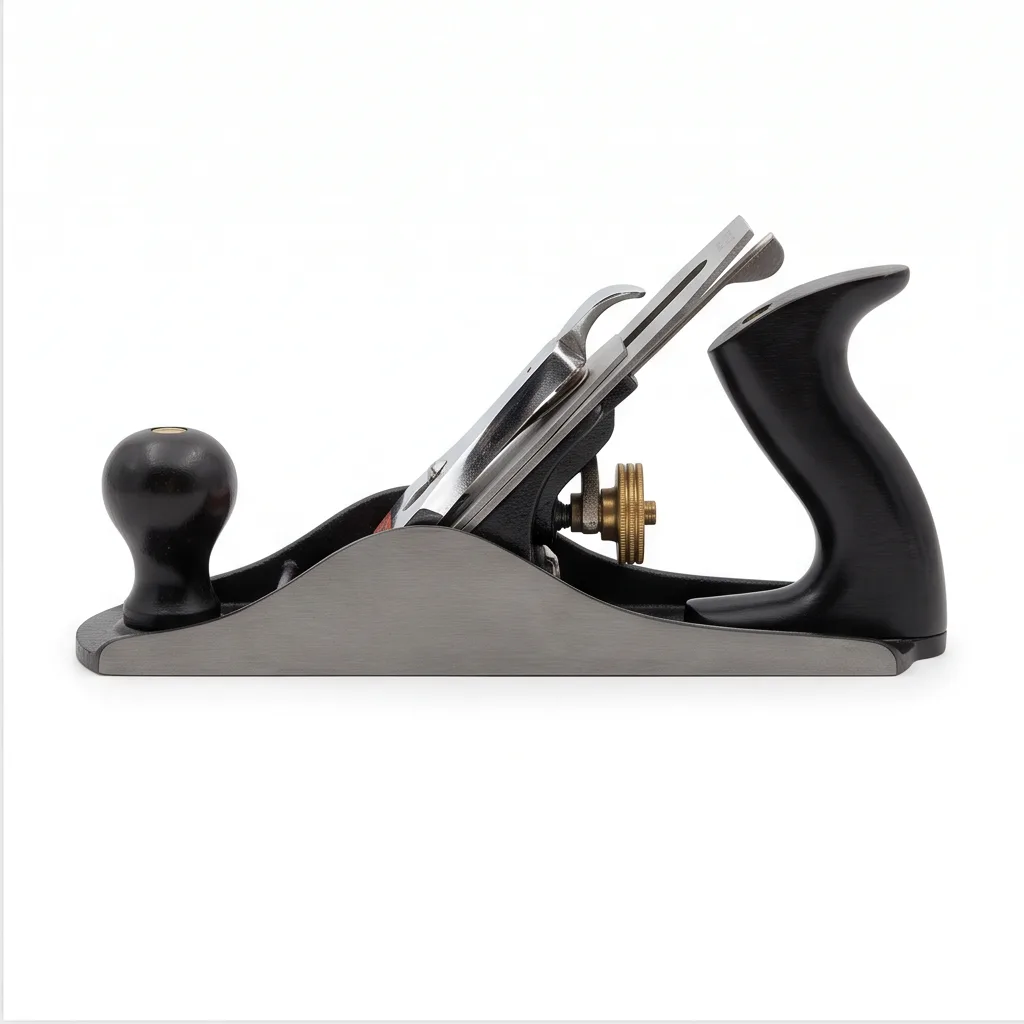
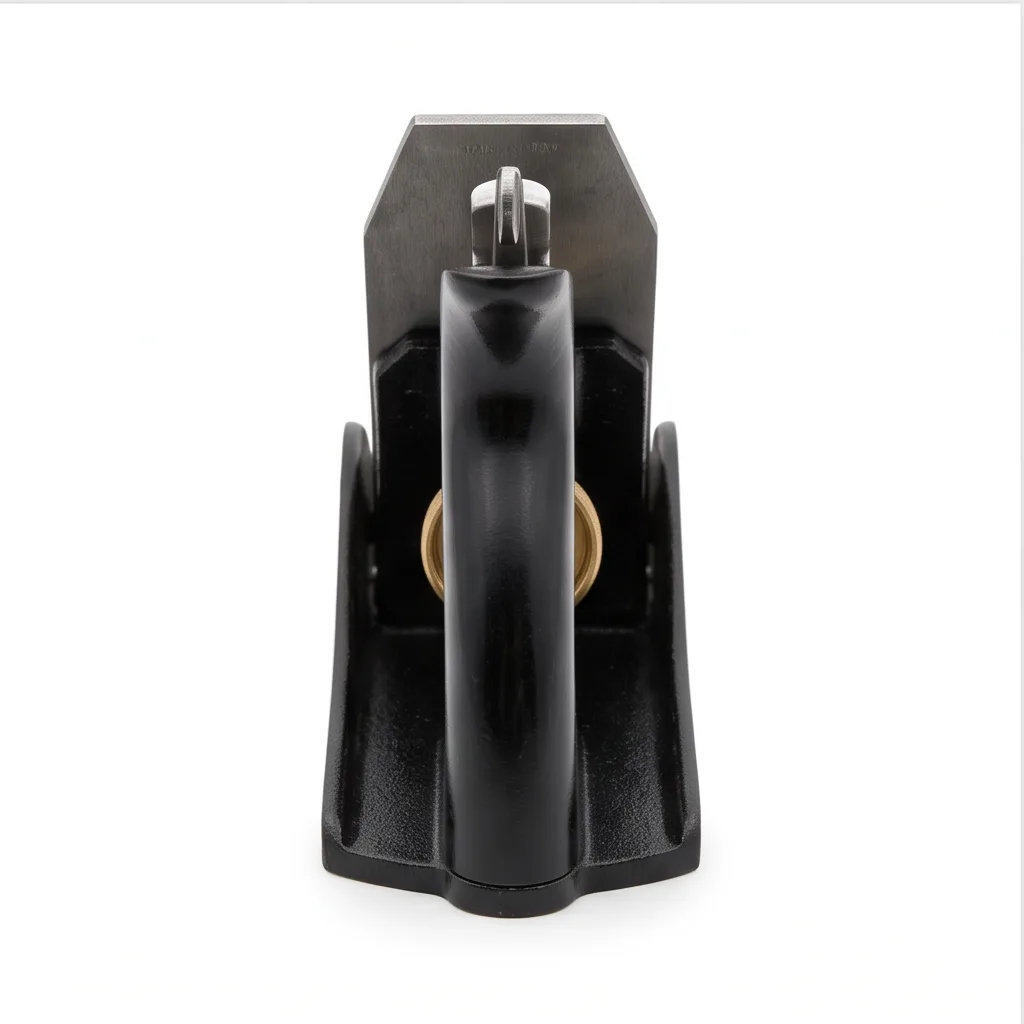
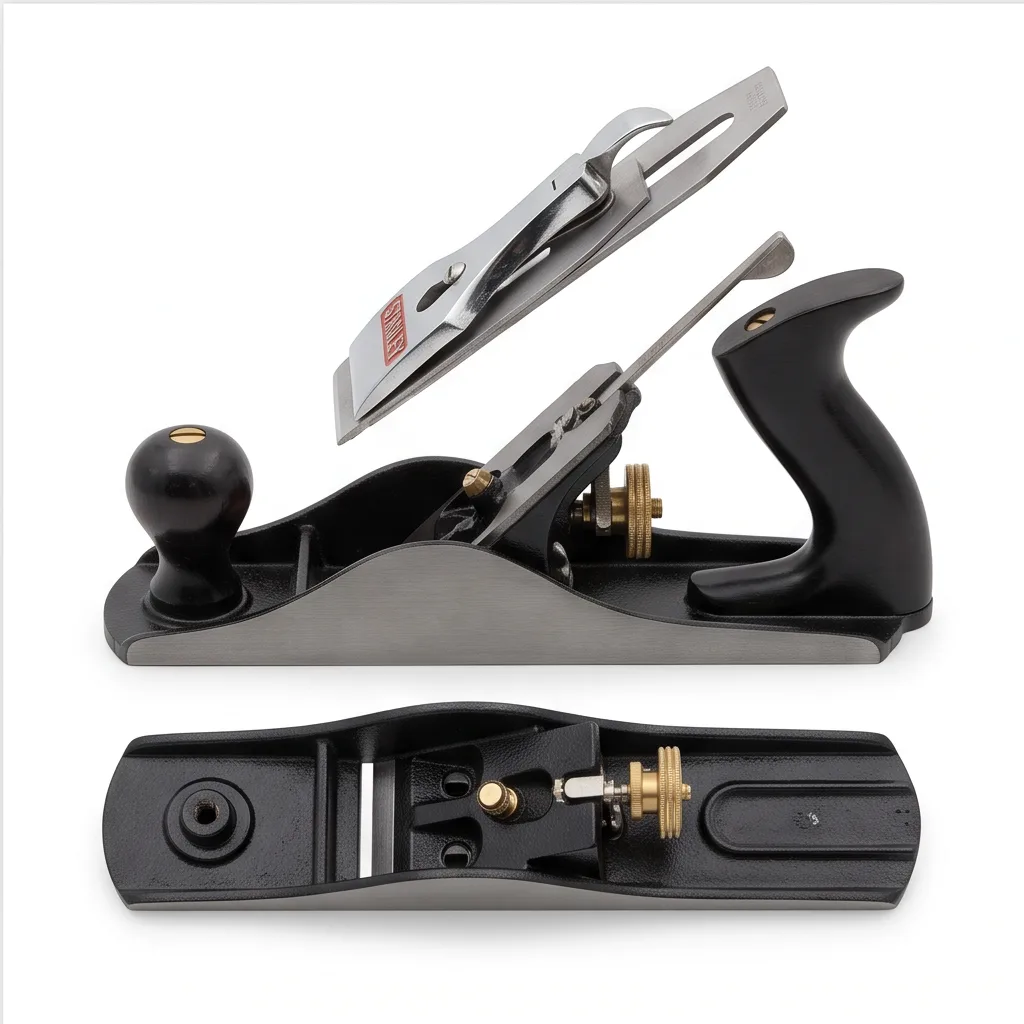
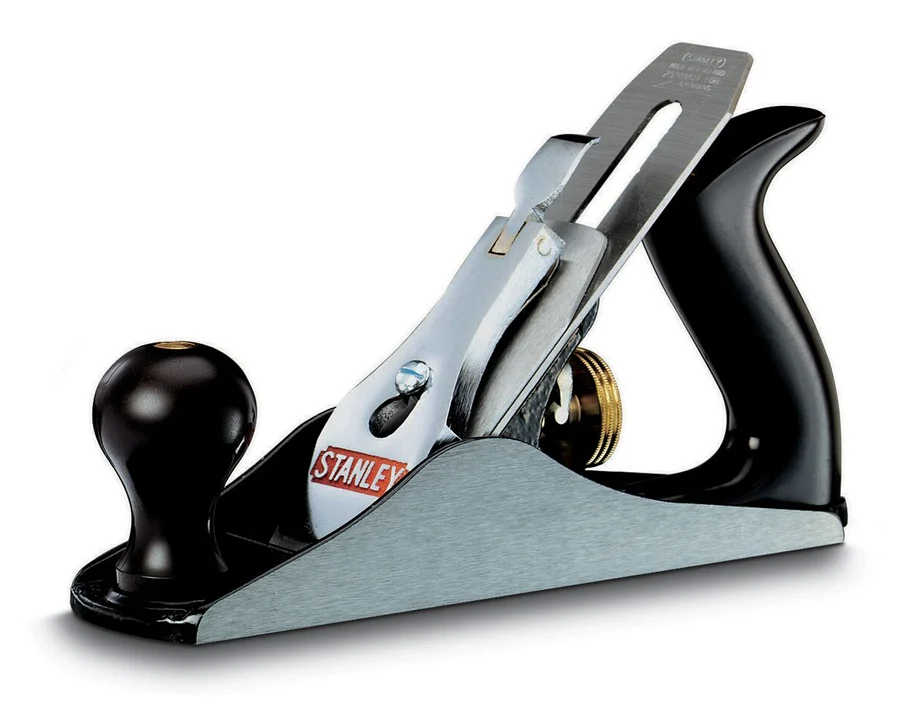
The Stanley No. 4 is a smoothing plane: a cast-iron body about twenty-five centimetres long, with a flat ground sole and low sides that rise to a gentle hump. A steel blade, two inches wide, lies at an angle under a cap iron and a lever cap. A brass wheel behind it sets the depth of cut, and a small lever swings it square. There is a round knob at the toe for one hand and a curved handle, the tote, for the other.
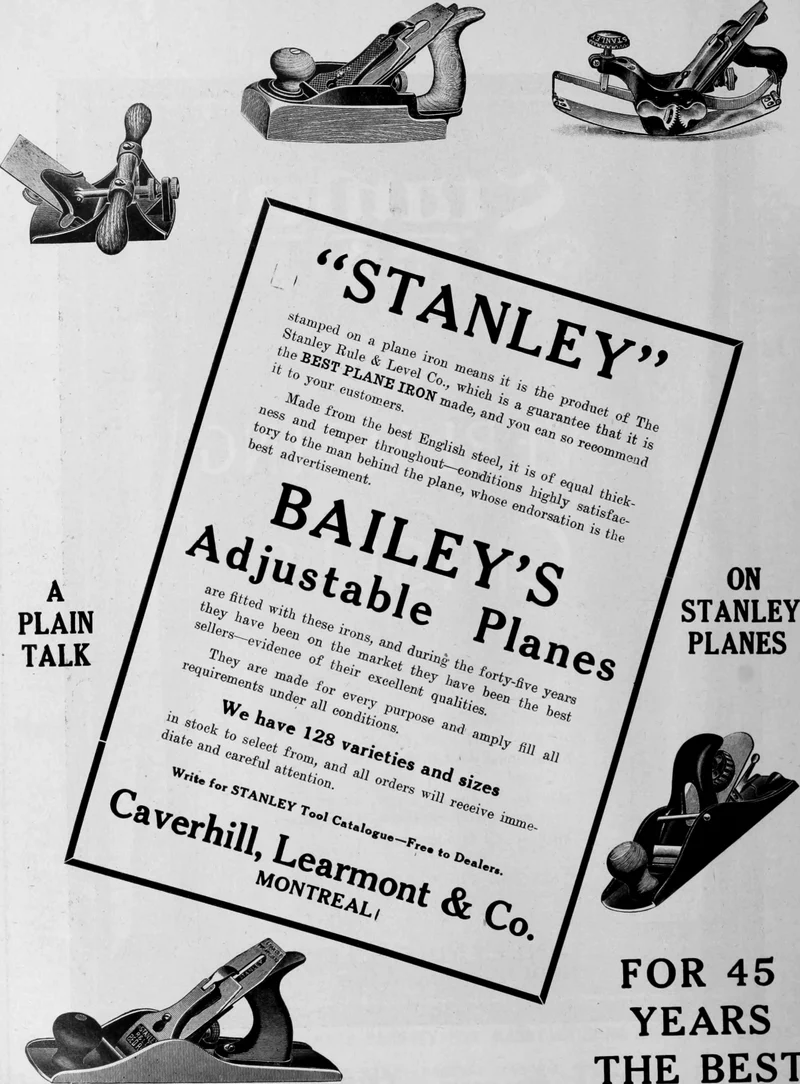

The design is Leonard Bailey's. A cabinetmaker and toolmaker in Boston, he patented his iron planes in 1867, and in 1869 the Stanley Rule & Level Company of New Britain, Connecticut, bought his patents and machinery. Stanley numbered the planes by length, from the tiny No. 1 to the long No. 8 jointer, and the nine-inch No. 4 became the standard smoother. Patrick Leach, the collectors' chronicler of Stanley tools, writes that it and the No. 5 made the company a fortune.
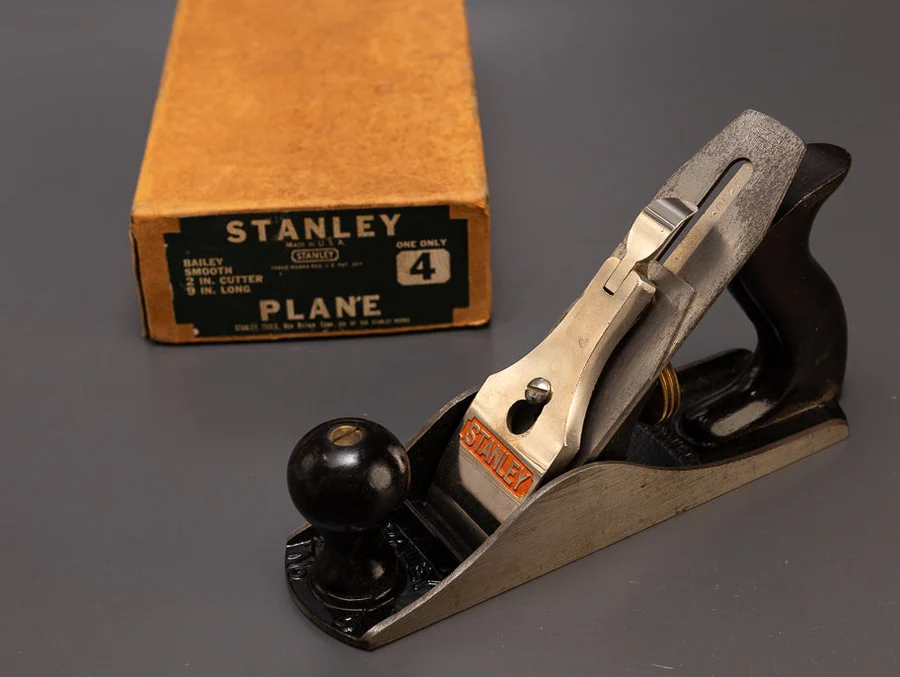
The plane's history is written in small changes. A lateral lever for squaring the blade came in 1885; "BAILEY" was cast into the body from 1902; rosewood handles gave way to stained hardwood and then to plastic; the black japanning turned blue in the 1960s. None altered what the plane does or how it is held. Stanley began making it in Sheffield in 1937, and the English No. 4, stamped "Made in England", outlived the American one.
When the last plane left the Hellaby works in 2007, the tooling went to Mexico. The No. 4 is still sold under the Stanley and Bailey names, as catalogue number 1-12-004, with a fifty-millimetre blade and polypropylene handles. Bailey's arrangement is now so common that "No. 4" names a size of plane whoever makes it; this is the one that set the size.
Timeline
- 1867 Designed Leonard Bailey patents his iron-bodied plane design in Boston.
- 1869 First made · Verified Stanley Bailey No. 4 Smoothing Plane enters production in New Britain, Connecticut.
- 1869 Stanley Rule & Level buys Bailey's patents and machinery and begins making the No. 4 smooth plane.
- 1937 Production Stanley begins making planes in Sheffield; English No. 4s are stamped "Made in England".
- 2007 Production The last Stanley plane is finished at Hellaby, near Sheffield, and the equipment is shipped to Mexico.
Milestones as we found them, not as we've checked them.
From the archive
More like this
-
 Hand Tools · since 1857 Klein Lineman's Pliers The pliers a telegraph lineman commissioned in 1857, still forged today.
-
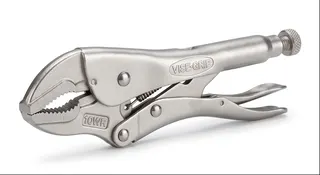 Hand Tools · since 1957 Vise-Grip 10WR Locking Pliers The curved-jaw Vise-Grip with a wire cutter and a thumb release, its jaw forged 10WR since 1957.
-
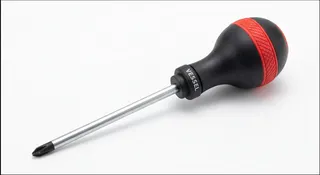 Hand Tools · since 1984 Vessel Ball Grip Screwdriver No. 220 An Osaka electricians' screwdriver with a ball for a handle, sold since 1984.
-
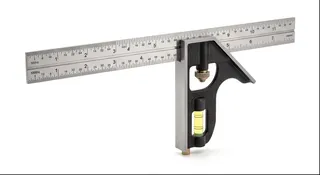 Measuring & Marking · since 1880 Starrett Combination Square The adjustable square that replaced a workshop full of single-use tools.