California Clock Co.
Kit-Cat Klock
Since 1932 · 94 years to 2026 · First made in Portland, Oregon
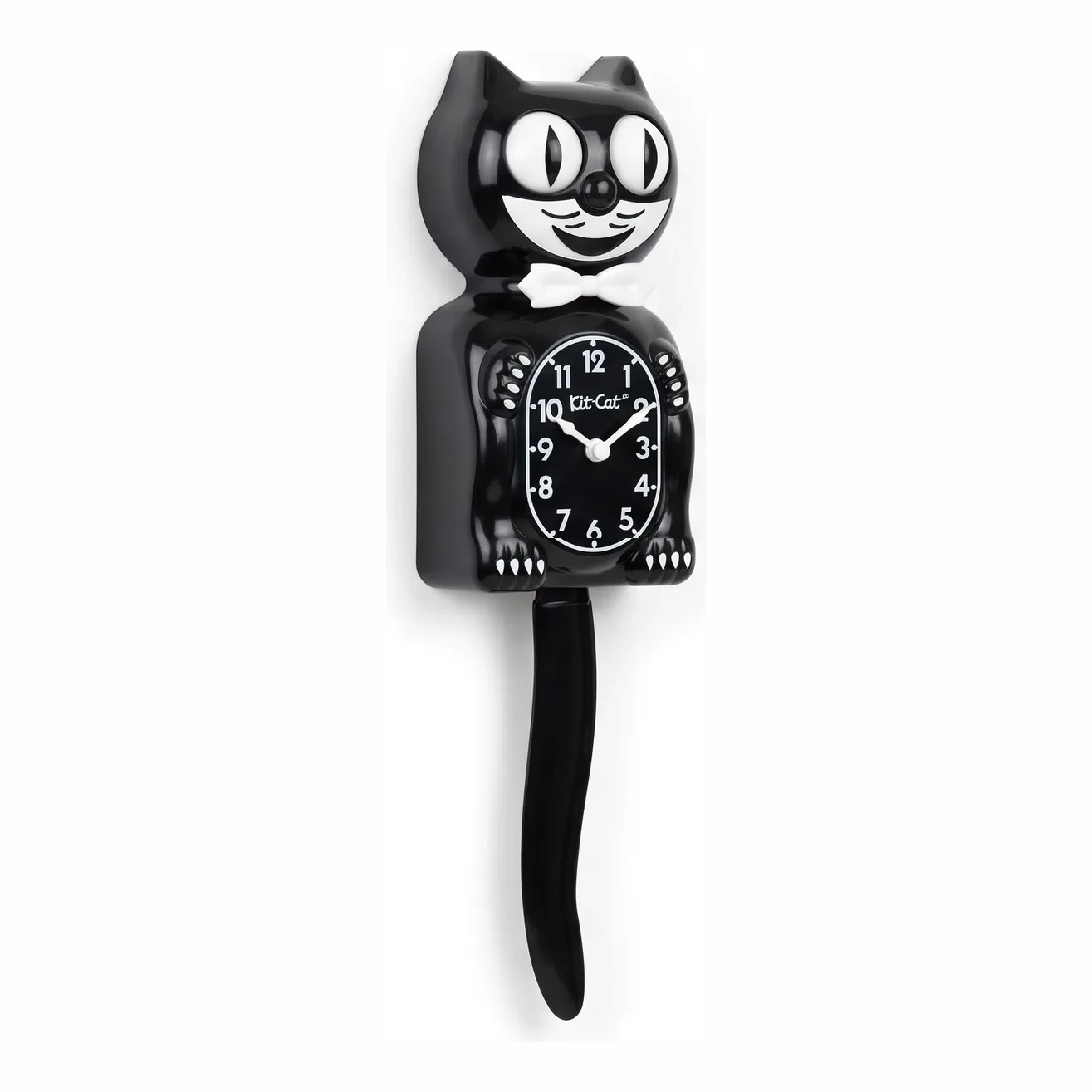
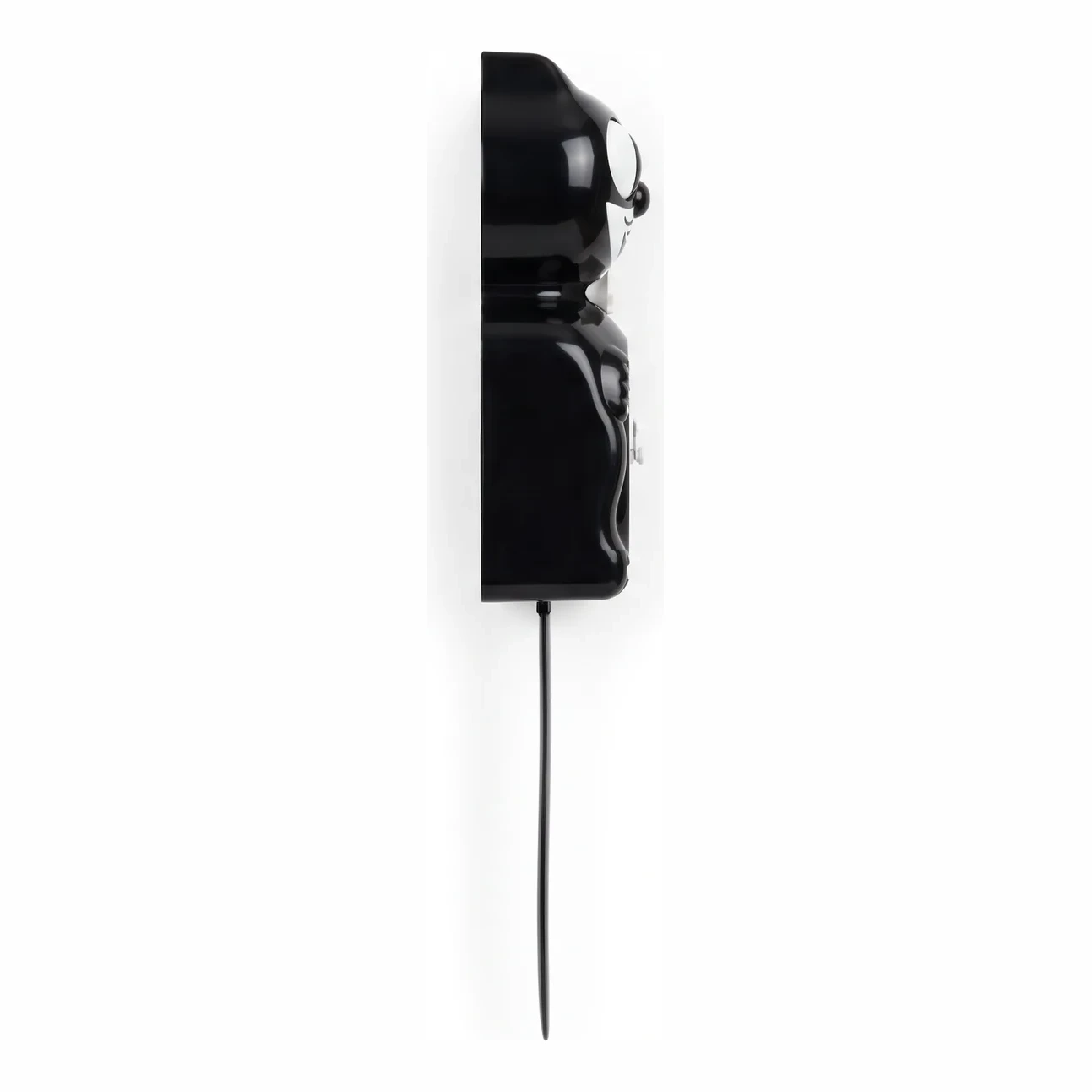
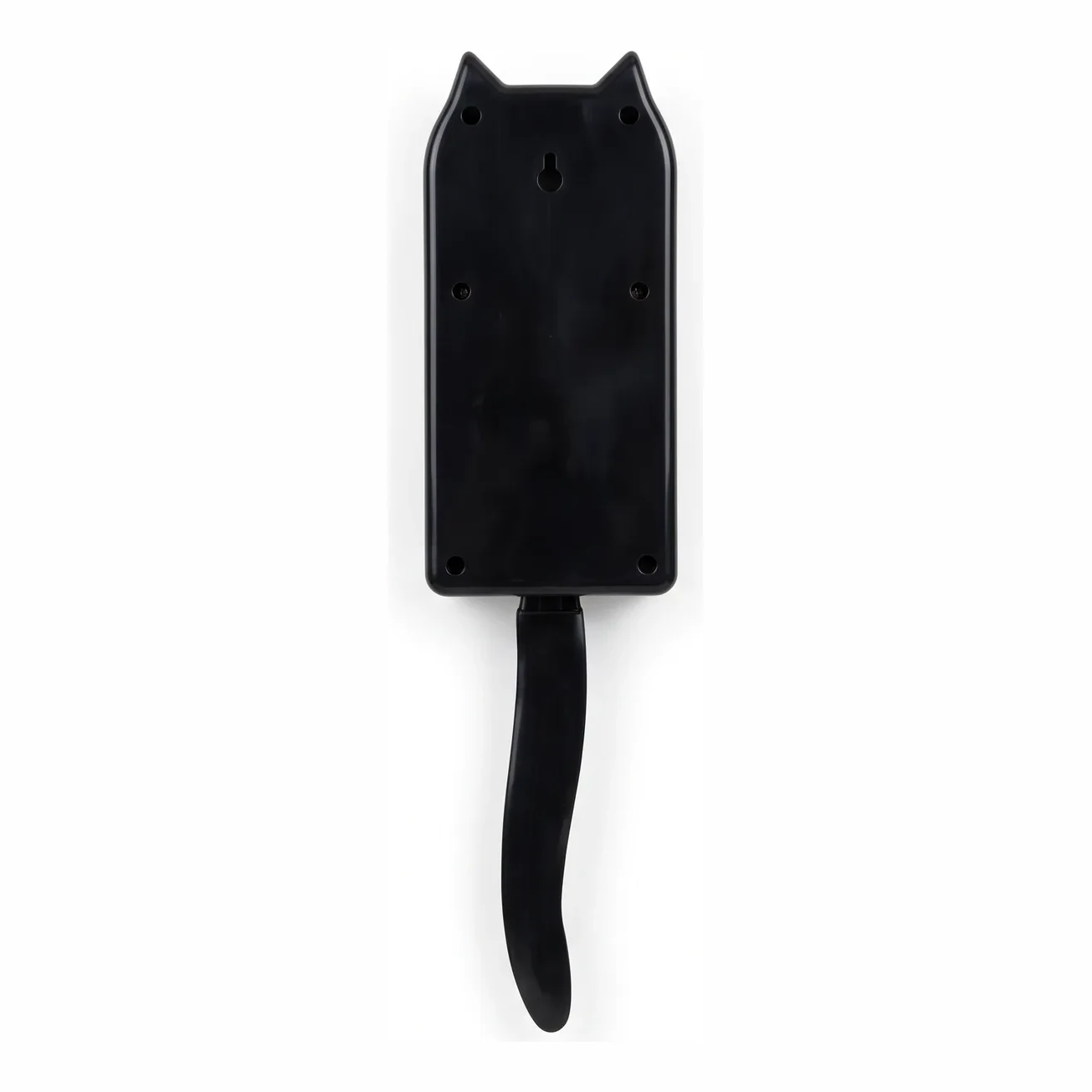
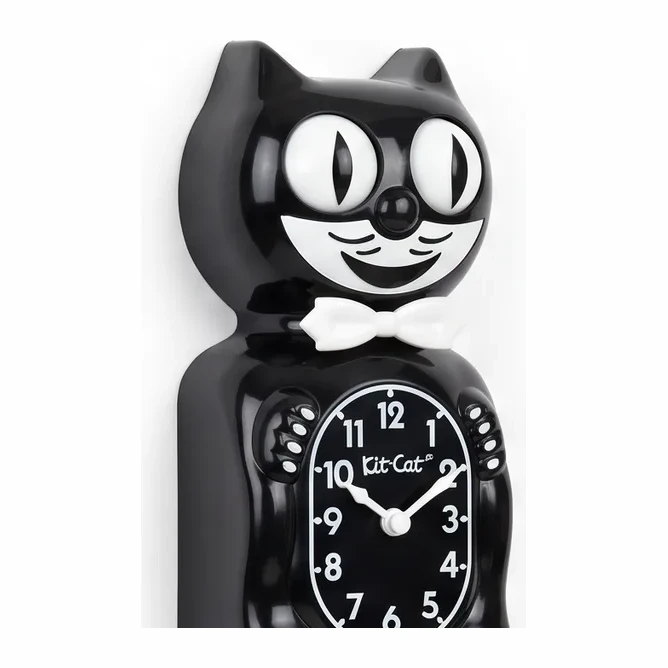
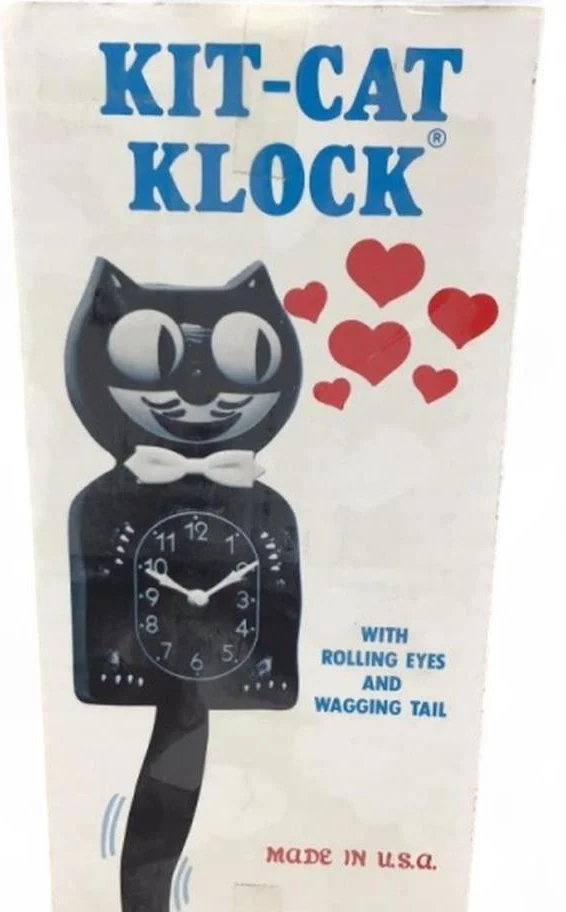
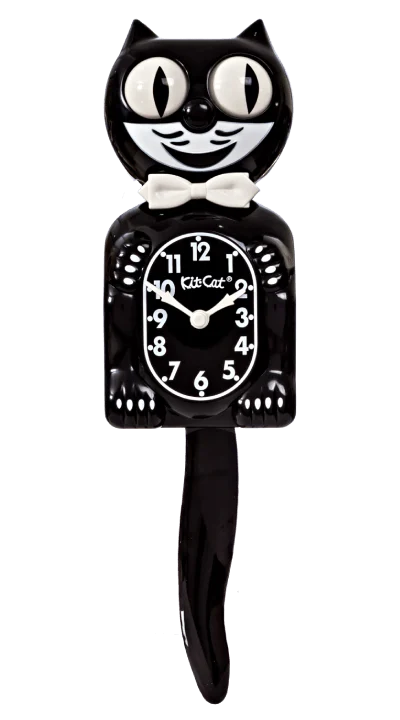
The Kit-Cat Klock is a wall clock in the form of a black cat, about forty centimetres from ears to tail. A broad white grin and two large white eyes fill its head; a white bow tie sits at its neck; and its body holds an oval black dial with white numerals, flanked by small paws picked out in white. Below hangs a long tail. Every second the tail swings and the eyes roll from side to side, in step.
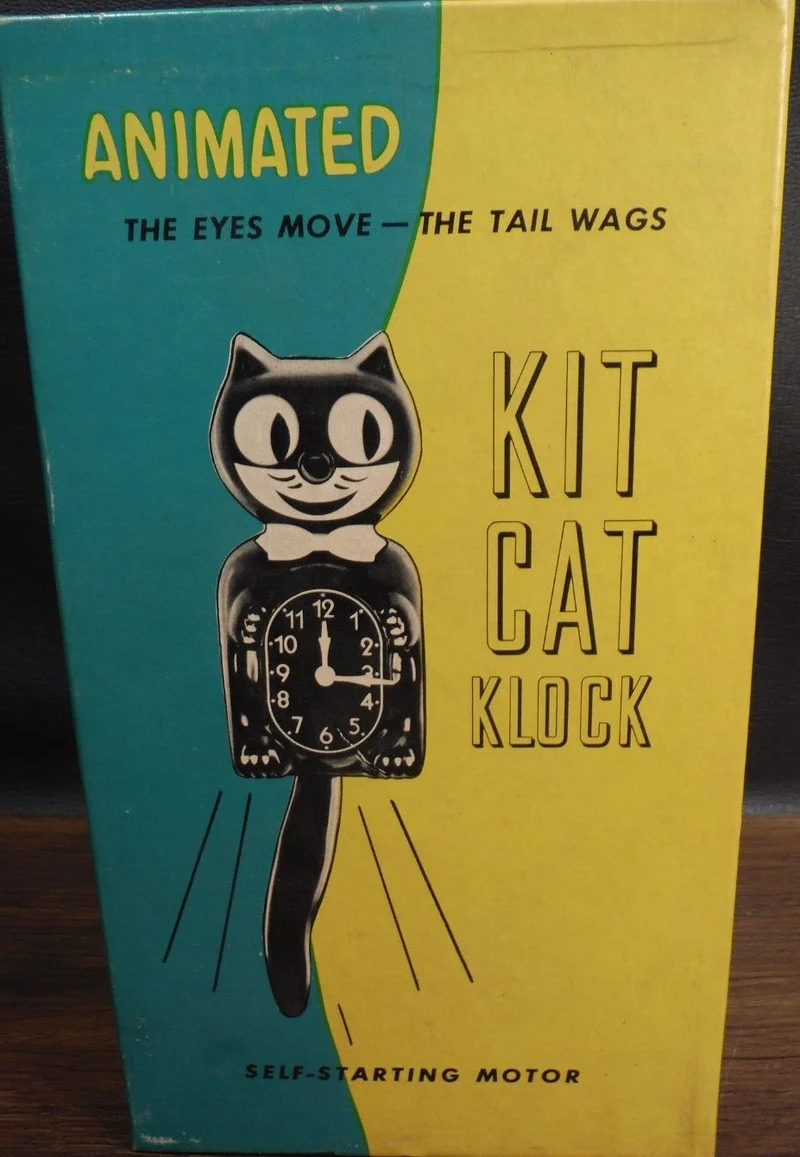
The idea is credited to Earl Arnault, and the clock was first made in 1932 in Portland, Oregon, by Clifford Stone's Allied company, in the depths of the Depression. The first cats had metal bodies, no bow tie and only lower paws. Allied moved to Seattle in the 1940s and to southern California in 1962, where it became the California Clock Company. Front paws arrived in the early 1950s and the bow tie in 1954, and the cat has looked the same ever since.
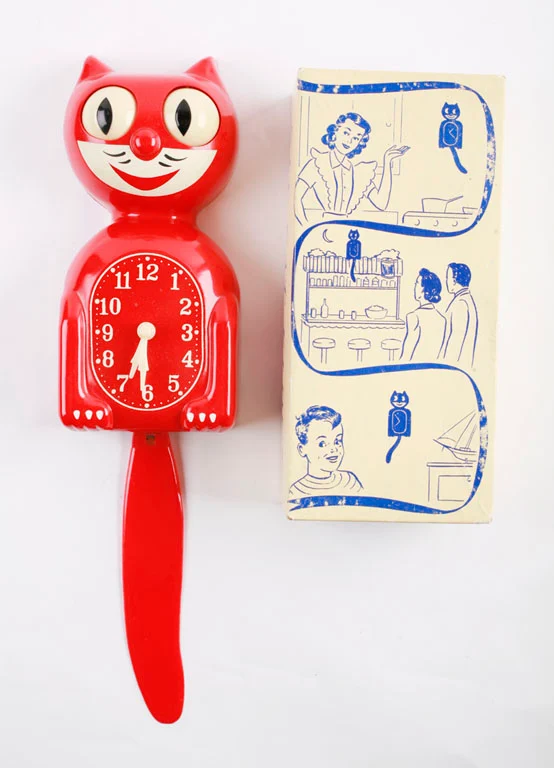

It became the kitchen clock of post-war America, sold by the million and seen on walls in films from Back to the Future onwards. The company also made a poodle, an owl and a bear in the same manner; only the cat remained. In 2007 the owners of Felix the Cat took the company to court over the resemblance, and the two sides settled the next year.
Its survival was nearly ended by its motor. In the late 1980s American manufacture of small electric motors moved overseas, and the clock's one-second animation needed more power than any battery movement then gave. The company built its own, lightening the eyes so that two C batteries could drive them, and the battery Kit-Cat has been made since about 1990. It is still made in California, in black and a changing series of colours.
Timeline
- 1932 First made · Disputed Kit-Cat Klock enters production in Portland, Oregon.
- 1932 Earl Arnault's grinning cat clock is first made in Portland, Oregon, by Clifford Stone's Allied company.
- 1954 Designed After front paws are added in the early 1950s, the cat gains its bow tie; the Tribune says the outer form has not changed since.
- 1962 Ownership Allied moves production to southern California and renames itself the California Clock Company.
- 1990 Production With American electric clock motors no longer available, the clock is converted to run on two C batteries.
Milestones as we found them, not as we've checked them.
From the archive
More like this
-
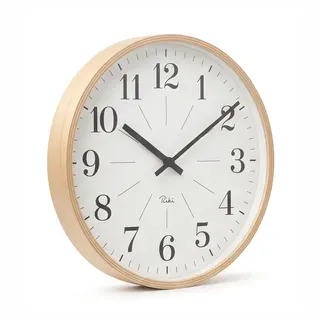 Clocks · since 2003 Lemnos Riki Clock The plywood wall clock that brought Riki Watanabe back to clocks in his nineties.
-
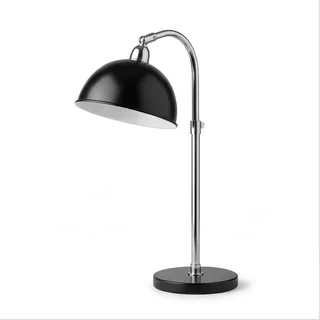 Lighting · since 1930 Gubi Bestlite Industrial desk lamp in continuous production since 1930
-
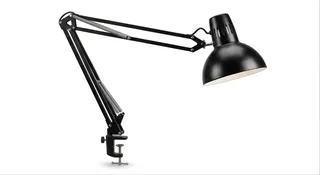 Lighting · since 1937 Luxo L-1 The Norwegian spring-balanced task lamp of 1937, still made by the firm that first sold it.
-
 Lighting · since 1944 Le Klint 101 One rectangle of paper, folded by hand in Odense into a lantern since 1944.