Home & Furniture · Home Accessories · Lighting
Noguchi Museum
Noguchi Akari Light Sculpture
Since 1951 · 75 years to 2026 · First made in Gifu, Japan
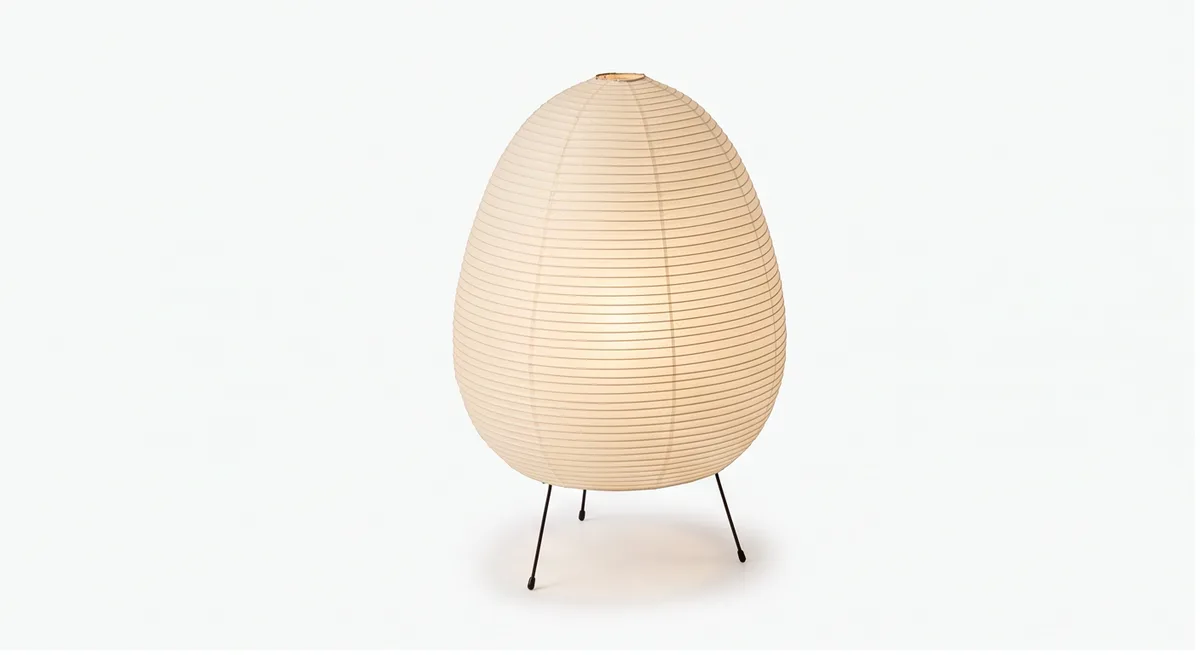
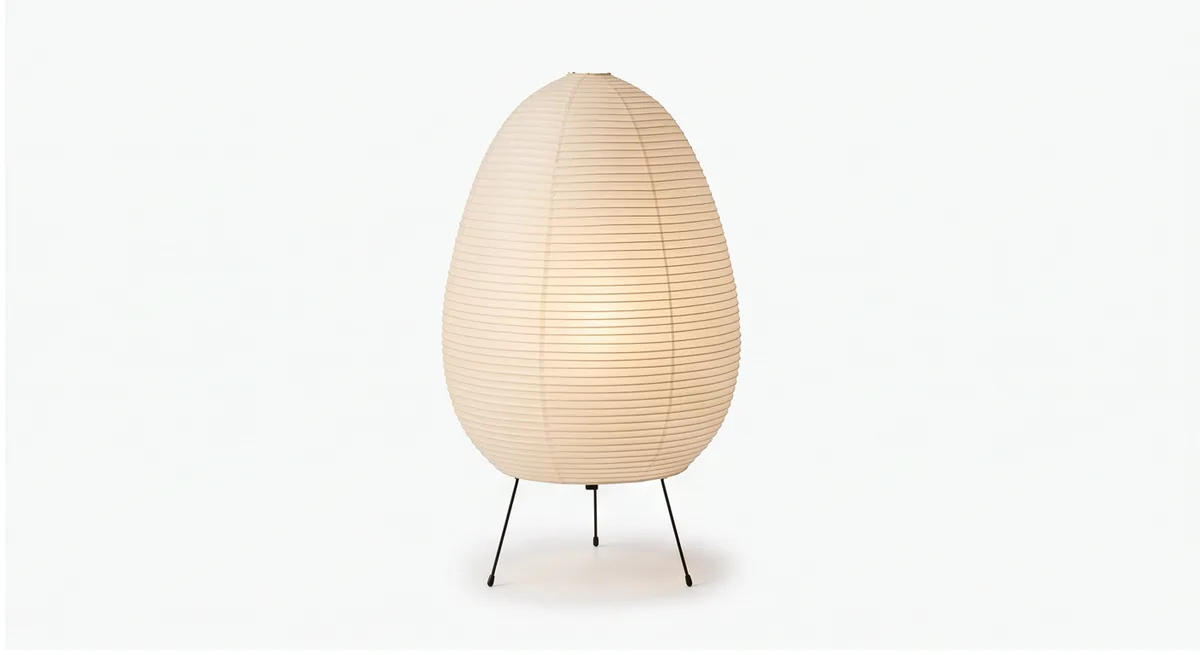
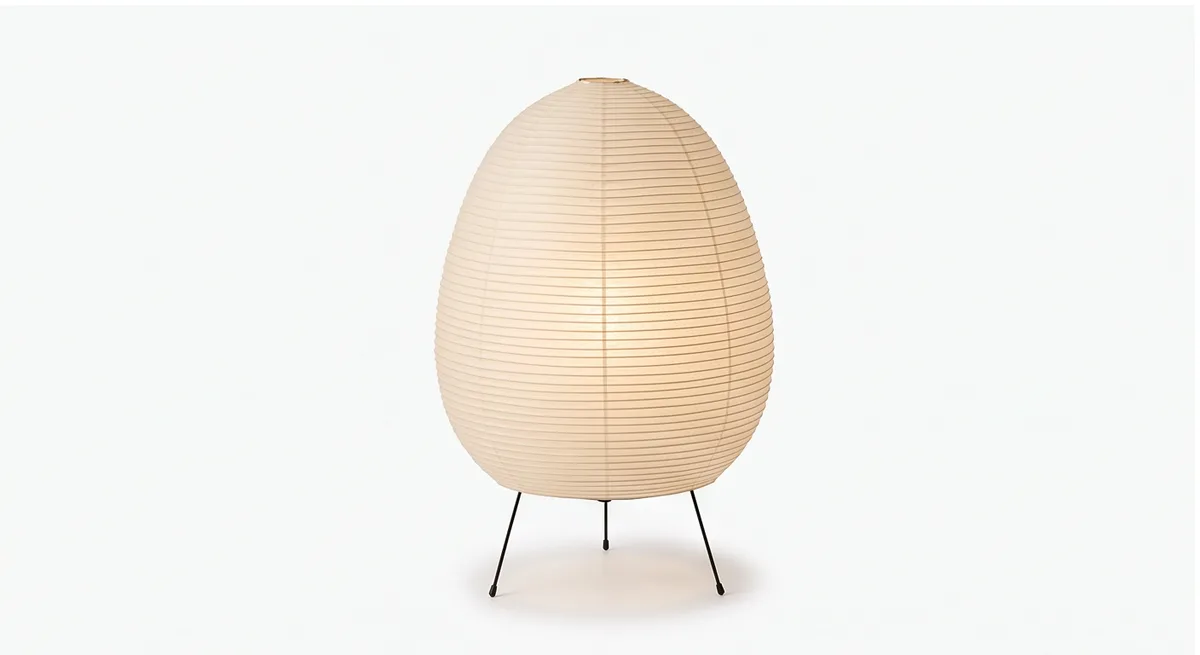
In the spring of 1951, Isamu Noguchi arrived in Gifu, Japan, a town renowned for its manufacture of paper lanterns and umbrellas. Invited by the local mayor to help revitalize the region's declining lantern industry, Noguchi sketched his first two designs the following day. Rather than merely revive tradition, he transformed it. He adopted the Japanese word akari—meaning both illumination and weightlessness—and introduced electric light in place of candles, creating objects that were simultaneously modern and rooted in centuries of craft.
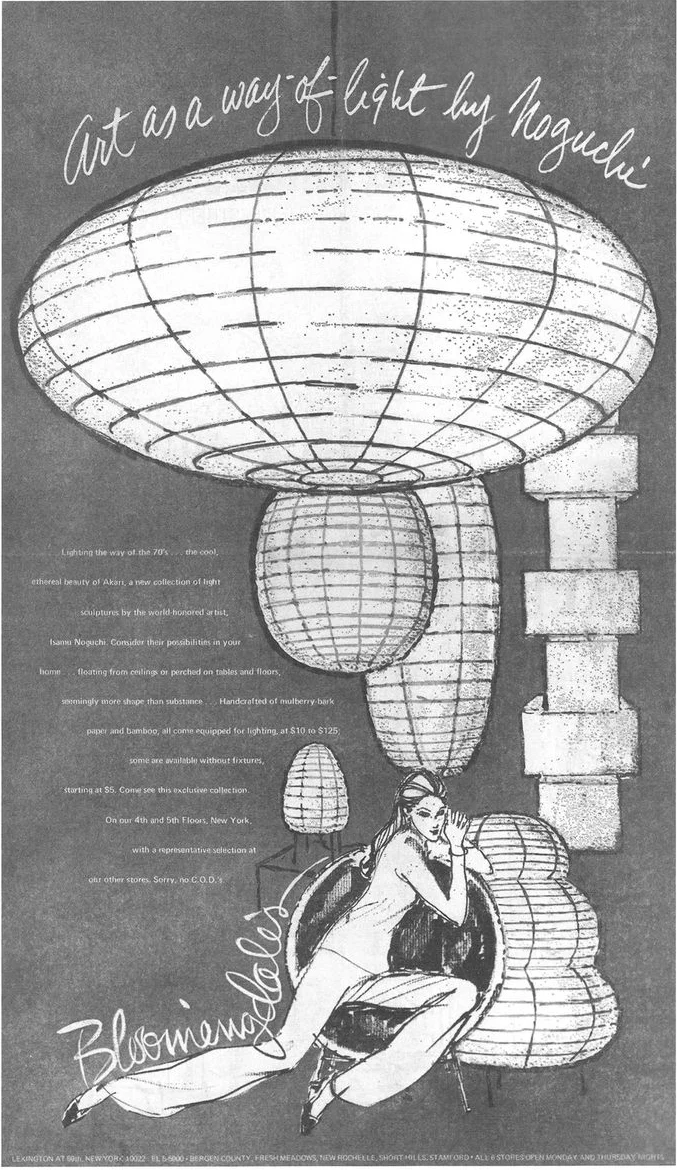
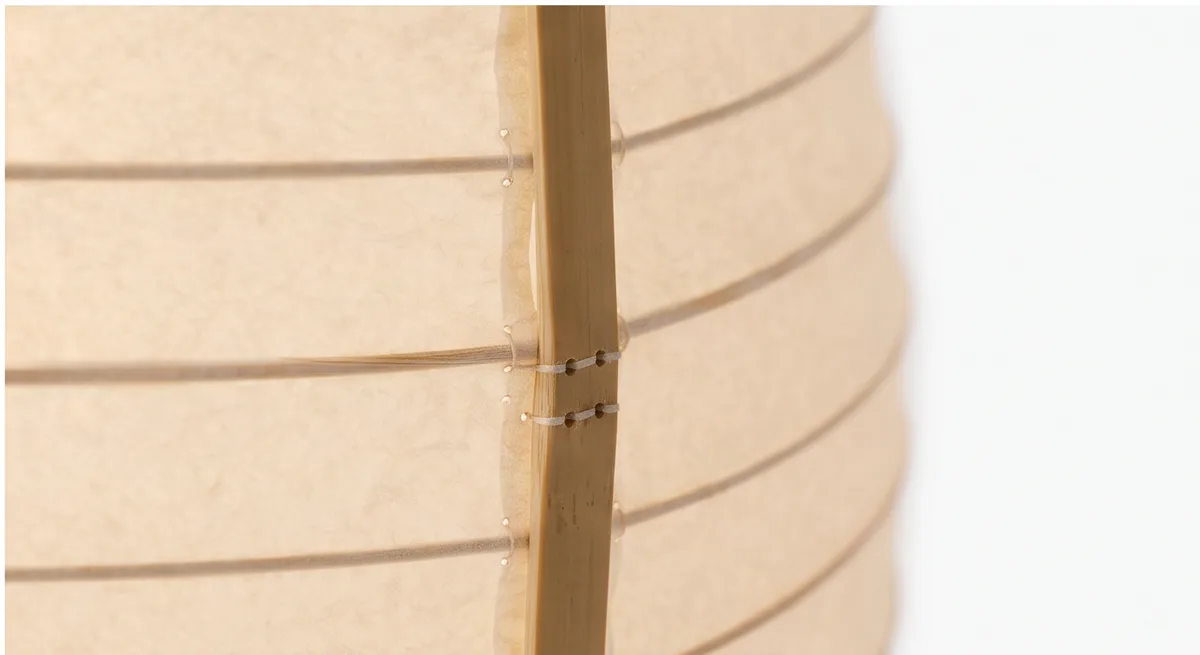
Each Akari begins with a wooden mold composed of vertical slats arranged radially around a center point. Bamboo strips, called higo, are spiraled around these slats to create a collapsible ribbing framework. Washi paper, handmade from the inner bark of the mulberry tree, is cut into strips and carefully glued to both sides of the bamboo structure. Once the adhesive dries, the internal wooden form is disassembled and removed through an opening, leaving behind a resilient paper shell that can be flattened for storage and transport. shop.noguchi.org This interplay between material and immaterial—between the solid and the collapsible, the sculptural and the functional—was central to Noguchi's conception from the outset.
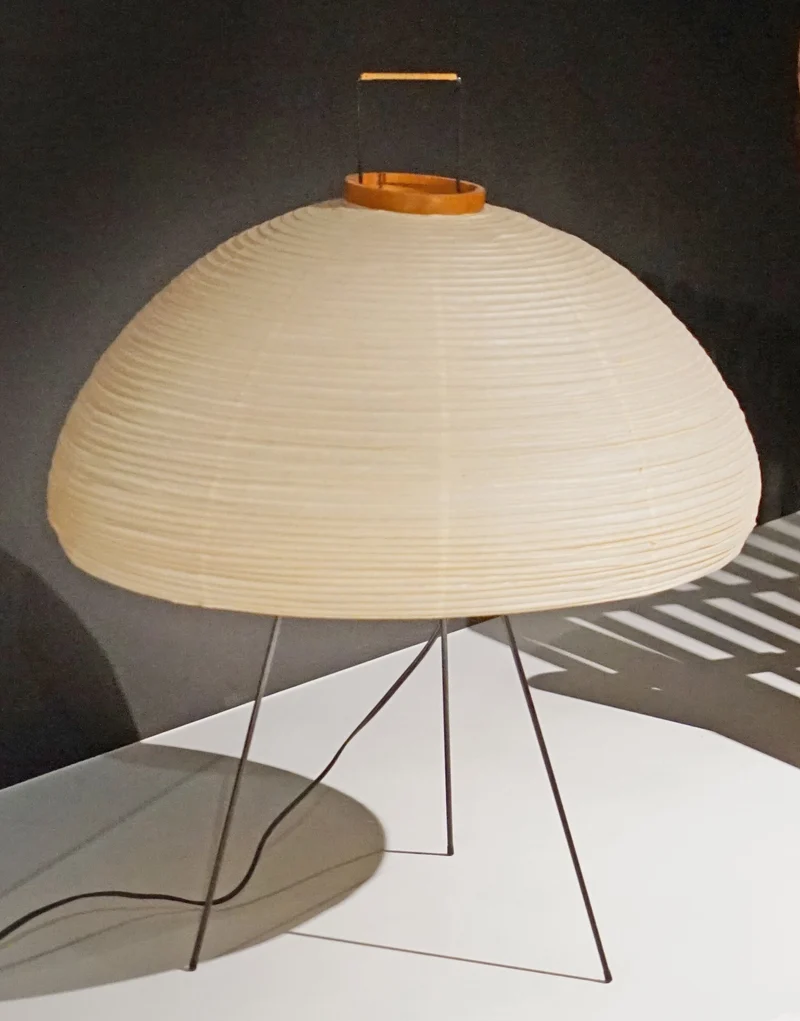
Noguchi's innovations extended beyond materials and process. Unlike traditional chochin, most Akari feature no wooden rim; instead, Noguchi designed metal frames and stands to support both the lanterns and their electric fixtures. He also invented new forms with asymmetrical and seemingly random geometries, departing from the regularity of traditional lantern design. Between 1951 and 1954, he developed nearly thirty models; by his death in 1988, the catalogue had grown to over one hundred variations, ranging from 24 to 290 centimeters in height. noguchi.org
Produced continuously by Ozeki & Co. in Gifu since their inception, Akari have endured as perhaps the purest expression of Noguchi's expanded definition of sculpture—objects designed for everyday life that refuse the boundary between fine and applied art. Their persistence in production three decades after Noguchi's death testifies to the durability of his vision: a combination of formal novelty, material simplicity, and an indefinable quality that places them outside of time.
From the archive

More like this
-
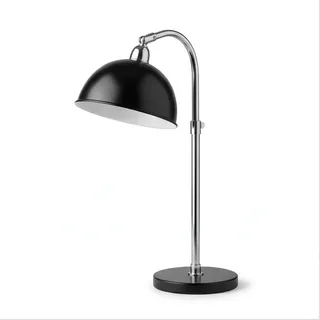 Lighting · since 1930 Gubi Bestlite Industrial desk lamp in continuous production since 1930 Read the entry →
 -
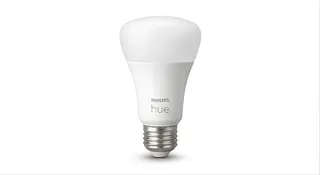 Lighting · since 2012 Philips Hue Smart Bulb The first commercially available smart bulb, continuously refined since 2012. Read the entry →
 -
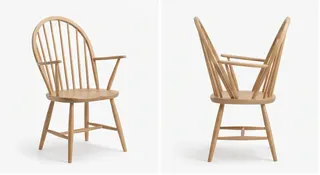 Chairs & Seating · since 1950 Ercol Windsor Chair Steam-bent ash chair in continuous production since 1950. Read the entry →
 -
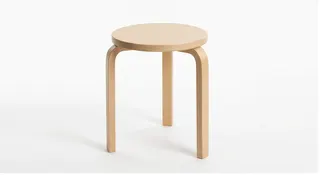 Chairs & Seating · since 1933 Artek Stool 60 Three-legged birch stool, unchanged since 1933. Read the entry →