Underberg
Underberg
Since 1846 · 180 years to 2026 · First made in Rheinberg, Germany
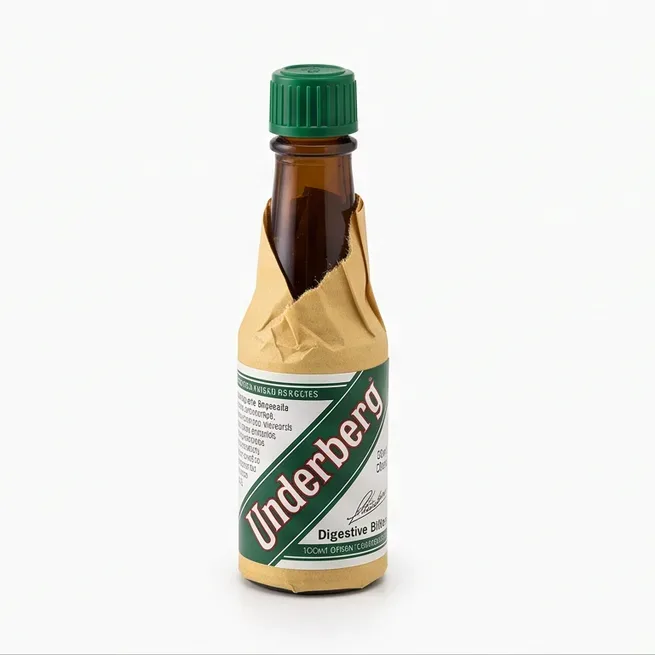
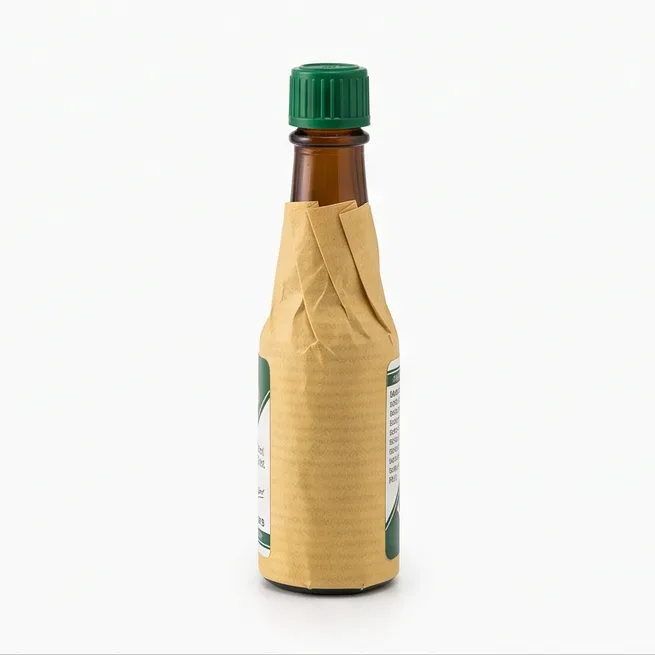
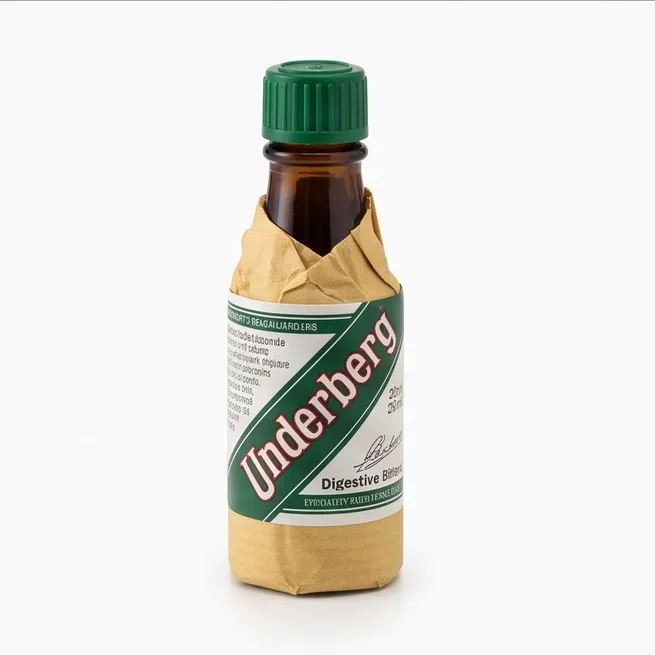
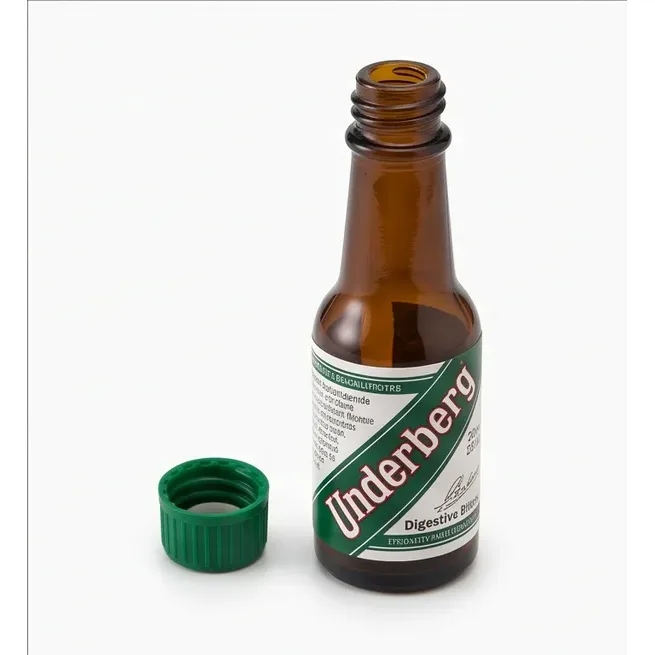
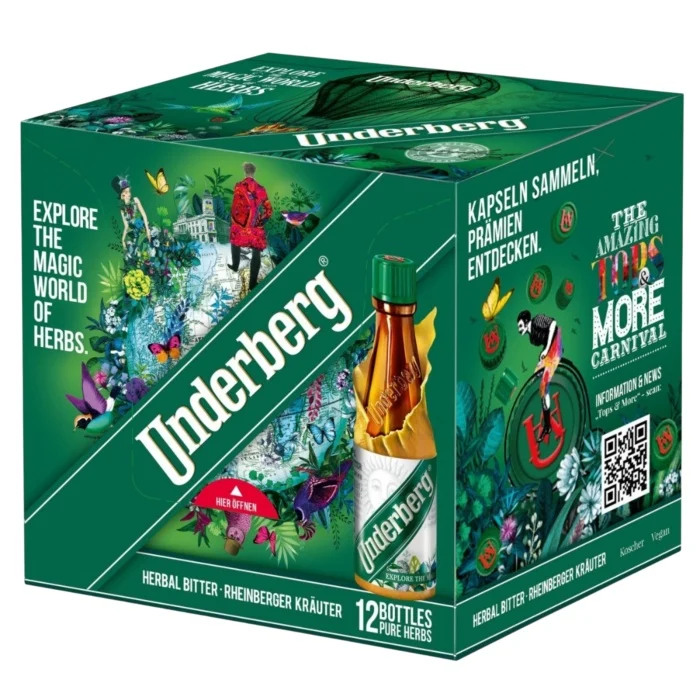
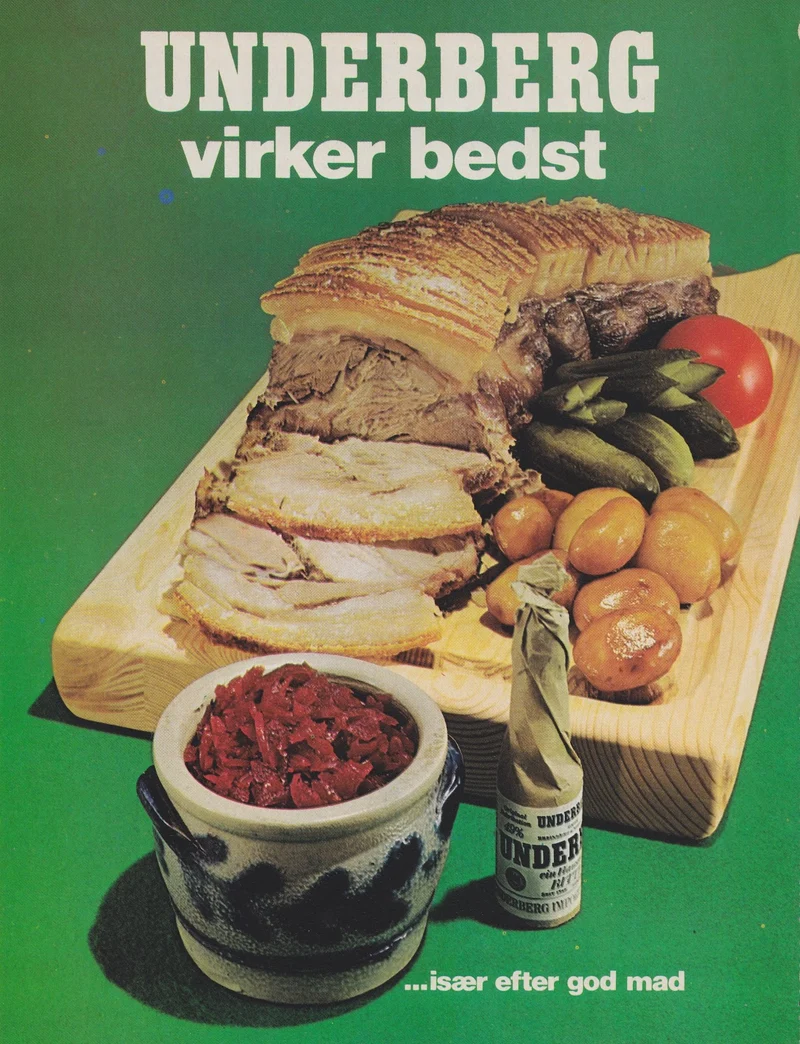
Underberg is a herbal bitter sold one dose at a time. Each bottle is a small brown glass flask with a long neck, holding 20 millilitres of a dark, reddish-brown spirit at 44 per cent alcohol. A white label crossed by a green band carries the name, and every bottle is wrapped to the shoulders in a twist of straw-coloured paper. It is meant to be drunk in one swallow, usually after a meal.
Hubert Underberg trained as a merchant in the Netherlands, where innkeepers mixed their own bitters from herbs and genever. Back in Rheinberg, on the lower Rhine, he married Catharina Albrecht on 17 June 1846 and founded the firm H. Underberg-Albrecht that same day to make a bitter of his own, sold as "Boonekamp of Maagbitter". In 1851 he deposited his bottle and its straw-paper wrapper with the commercial court at Krefeld, to prove his authorship against imitators. In 1896 the imperial patent office ruled "Boonekamp" a generic word, and the bitter has been called simply Underberg since.
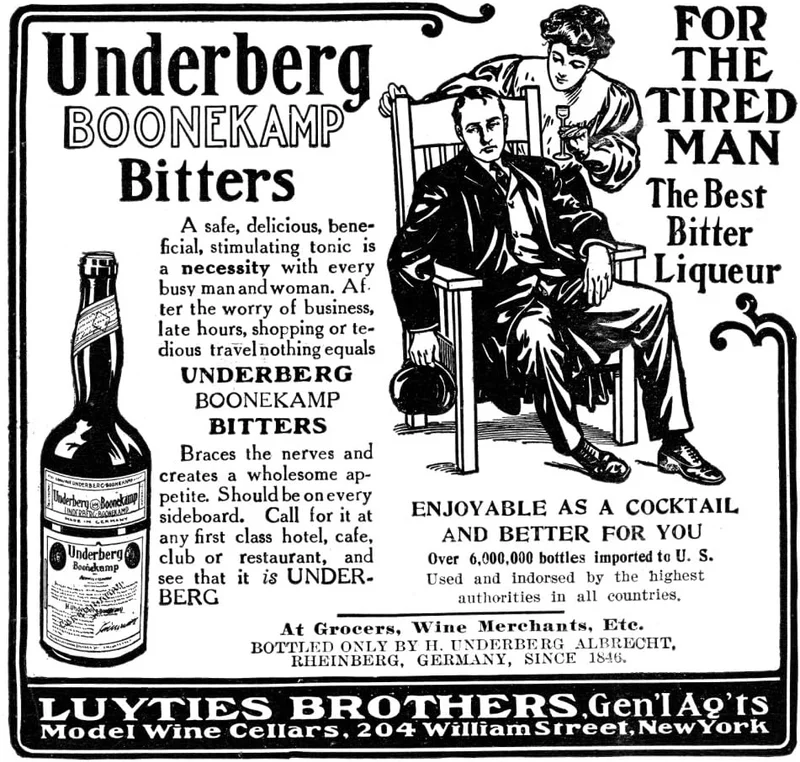
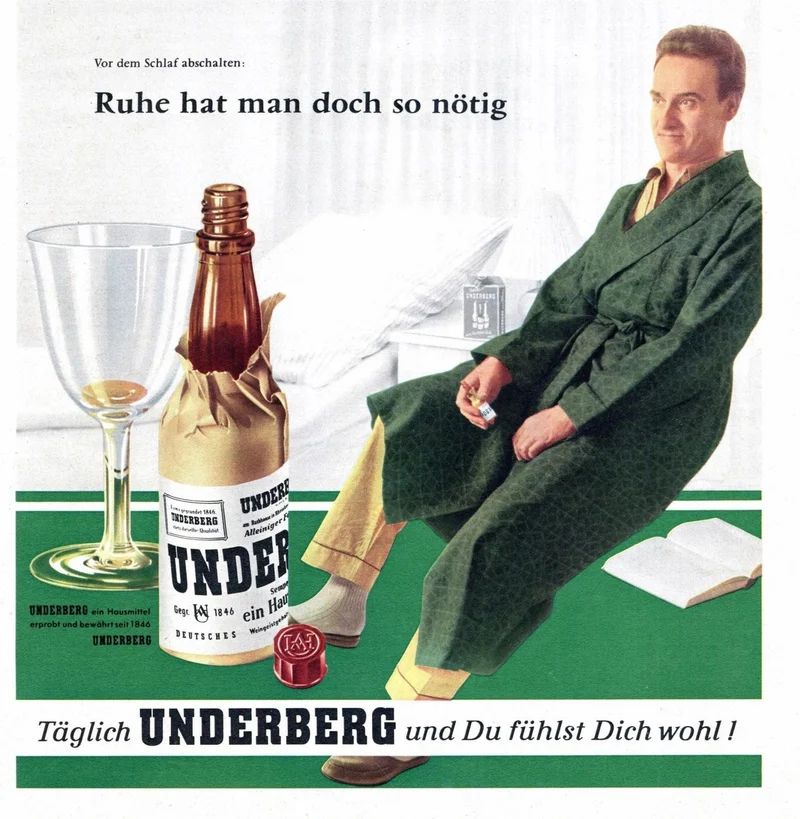
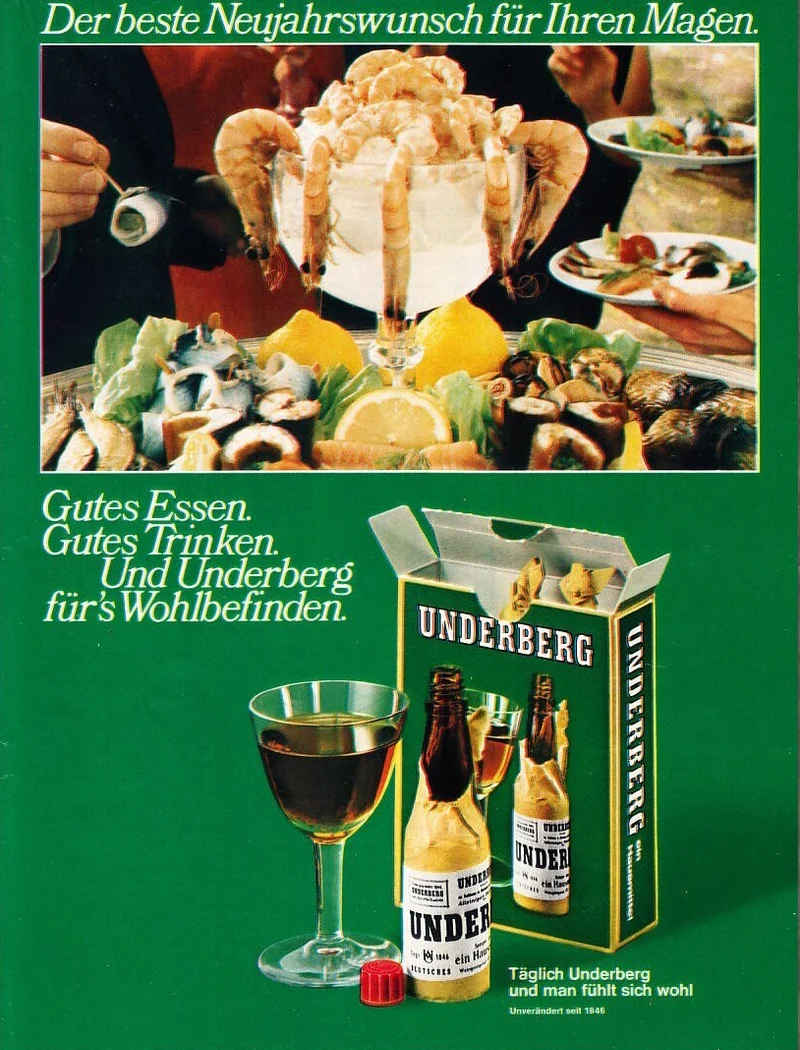
It was sold from the start as a stomach bitter, and its advertising has always leaned on that. A New York advertisement of 1906 calls it a tonic that "braces the nerves and creates a wholesome appetite"; advertisements of the 1960s call it "ein Hausmittel", a household remedy. The recipe, herbs from 43 countries, is a family secret, made under the motto Semper idem, "always the same". In both world wars the firm stopped production rather than make it without its herbs, and it started again only in 1949.
That year Emil Underberg, the founder's grandson, made the 20-millilitre portion bottle the only size, and it has remained so. The bitter is still made in Rheinberg, matured in oak and bottled in Berlin, and the family still runs the business. The strength has come down from 49 per cent, but the dose, the bottle and its paper wrapper are those of 1949.
Timeline
- 1846 First made · Claimed Underberg enters production in Rheinberg, Germany.
- 1851 Designed He deposits the bottle and its straw-paper wrapper with the commercial court in Krefeld to guard against imitations.
- 1896 Designed 'Boonekamp' is ruled a generic term, and the bitter is sold as Underberg.
- 1949 Production Production resumes after the war, and the 20 ml portion bottle becomes the only size.
Milestones as we found them, not as we've checked them.
From the archive
More like this
-
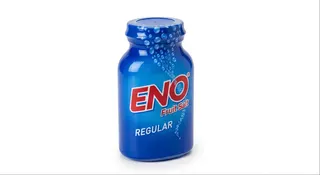 Tonics · since 1852 Eno Fruit Salt A Newcastle chemist's fizzing fruit salt of 1852, still stirred into water for indigestion.
-
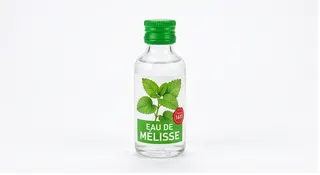 Tonics · since 1838 Eau de Mélisse des Carmes Boyer The Paris Carmelites' melissa water, made by their successors under the Boyer name since 1838.
-
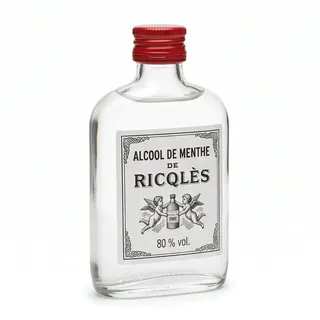 Tonics · since 1838 Ricqlès Alcool de Menthe A peppermint spirit taken in drops on a sugar lump, sold in its little flat flask since the reign of Louis-Philippe.
-
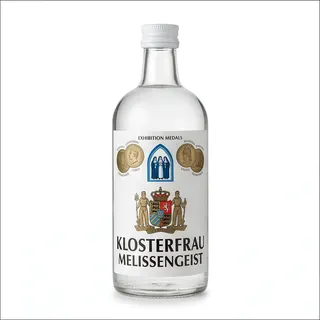 Tonics · since 1827 Klosterfrau Melissengeist A nun's herbal spirit from beside Cologne cathedral, sold under her name since 1827.