Home & Furniture · Furniture · Shelving & Storage
USM
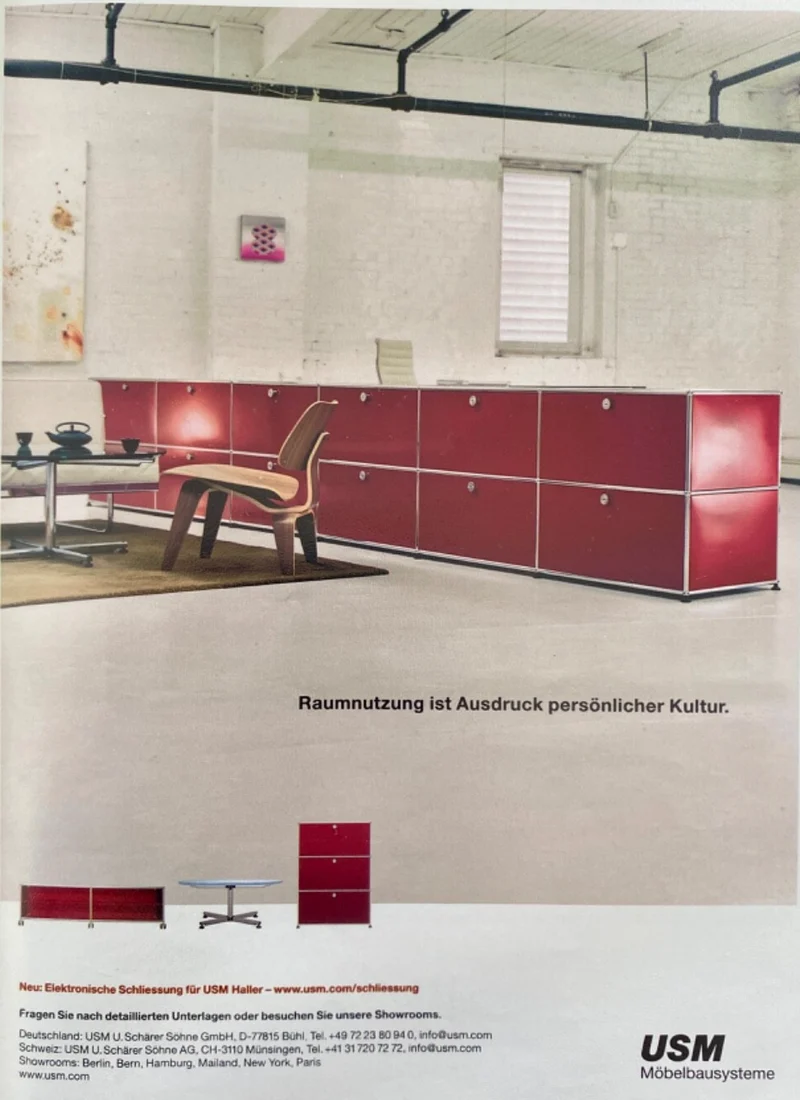
USM Haller
Since 1969 · 57 years to 2026 · First made in Münsingen, Switzerland
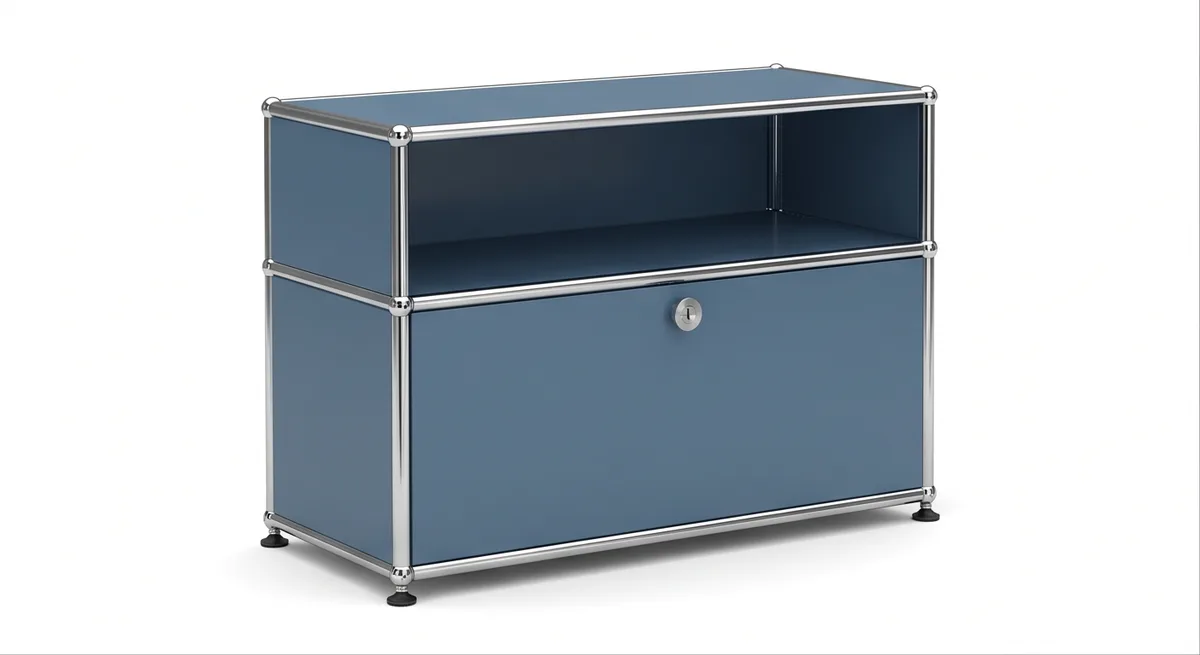
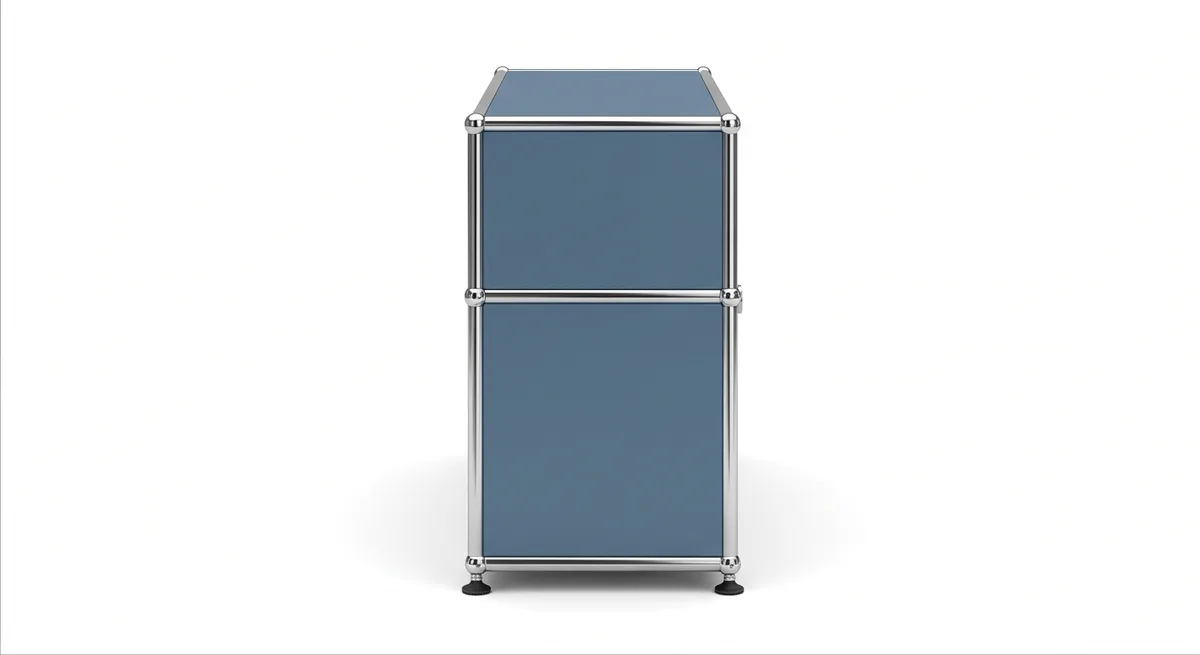
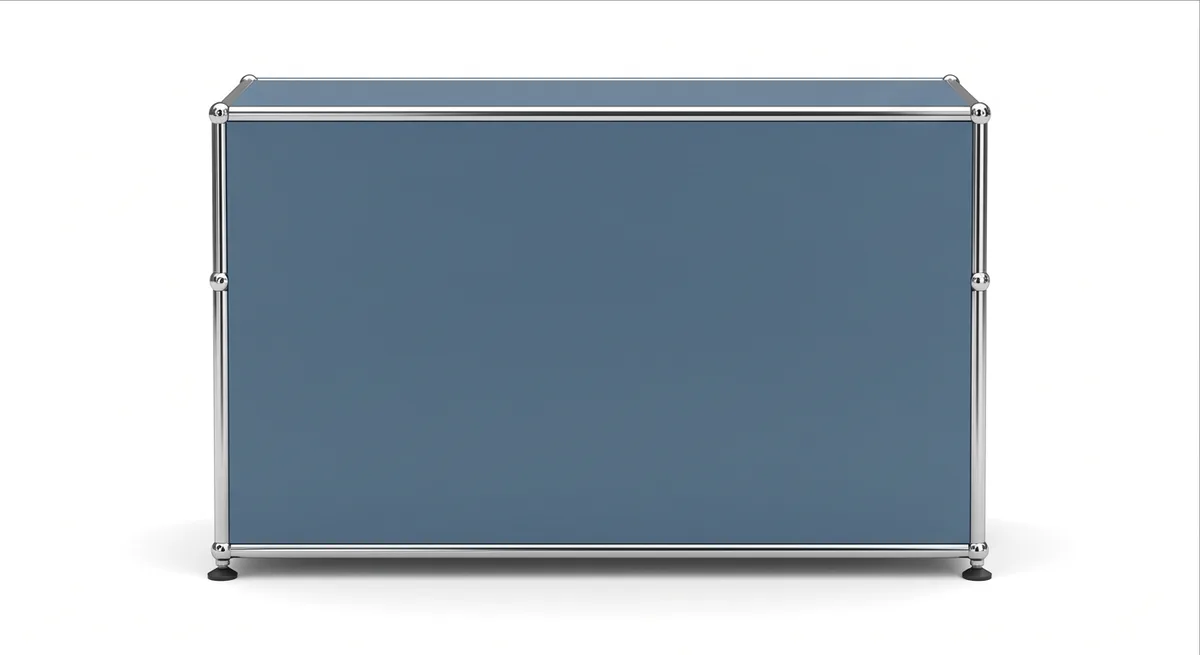
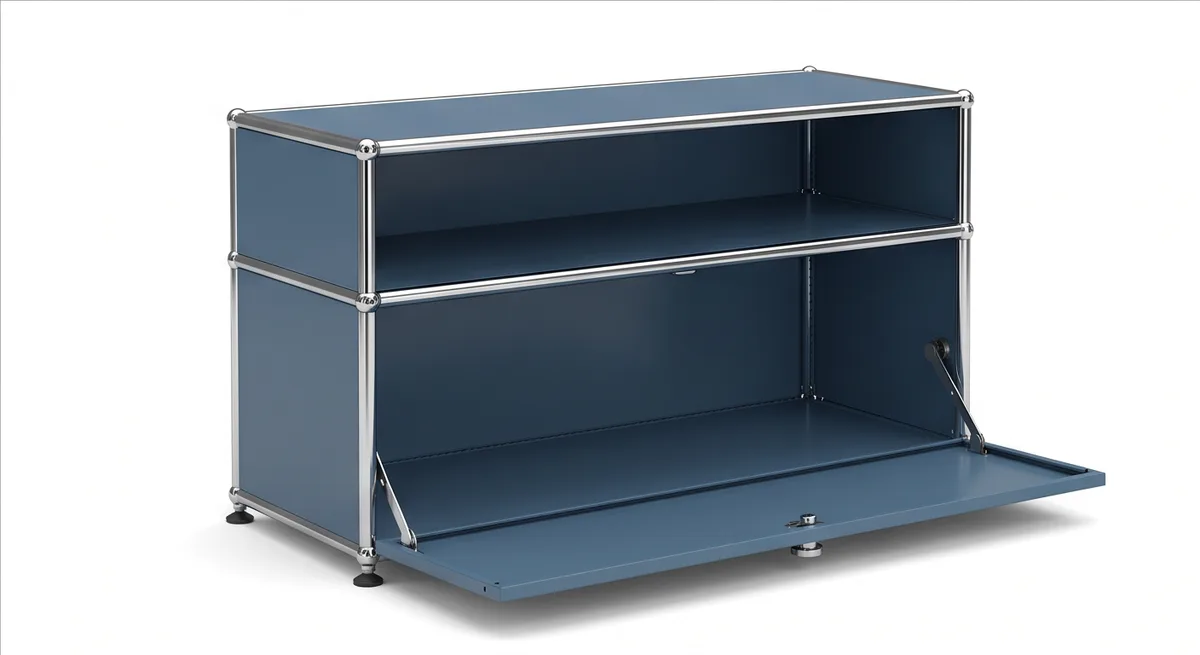
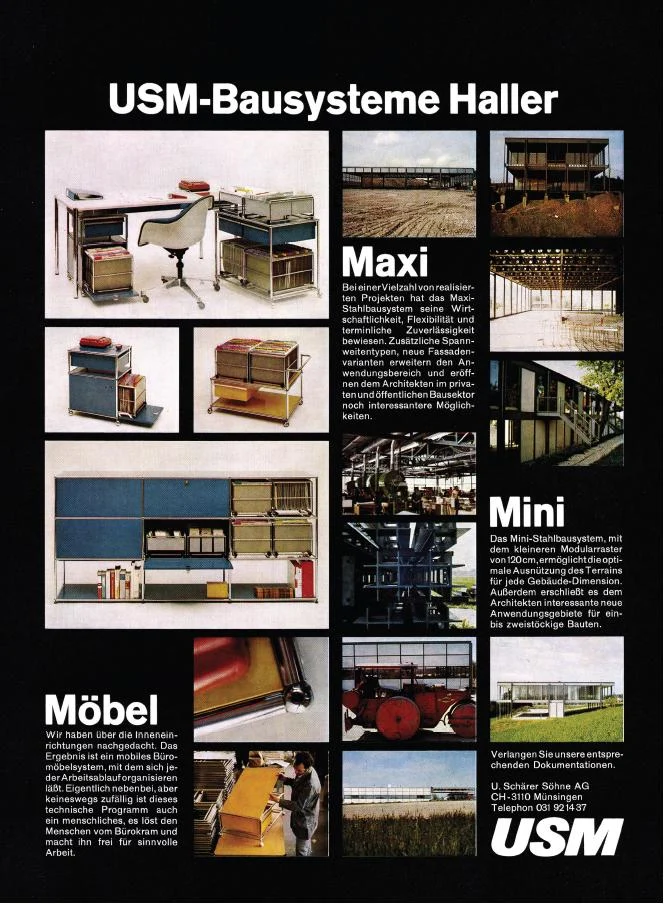
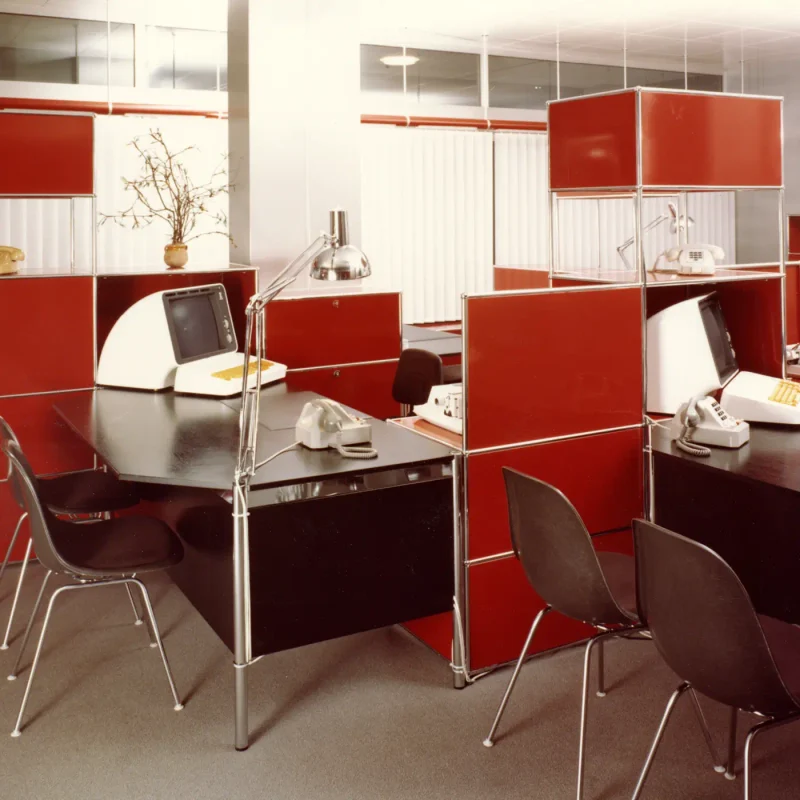
USM Haller is a system rather than a single piece of furniture: a lattice of slender chrome-plated steel tubes meeting at small polished steel balls, with flat panels of powder-coated sheet steel fitted between them to make shelves, sides, backs, doors and drop-down flaps. Assembled, it becomes a sideboard, a filing cabinet, a bookcase or a whole wall of storage, every one recognisable by its grid of bright rails and its flat colour, in one of fourteen shades.
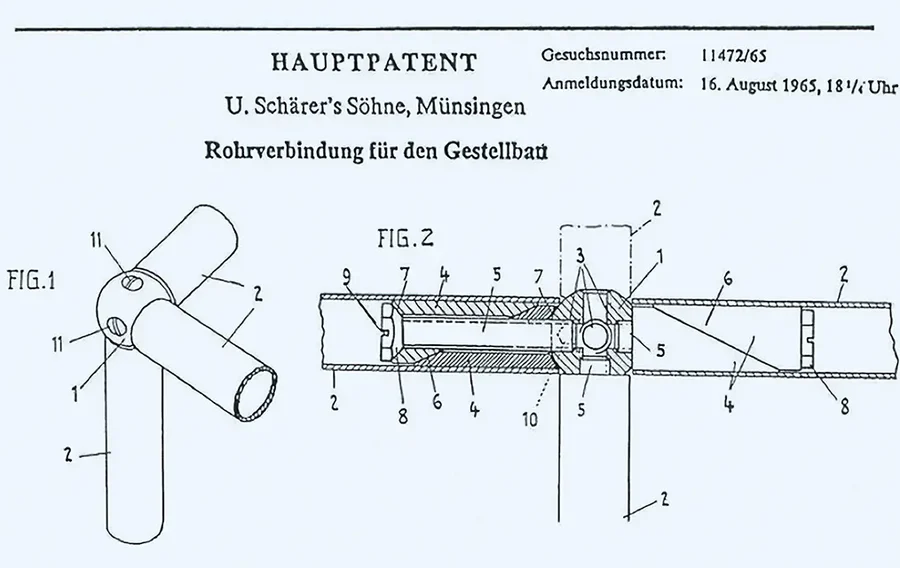
It began as office furniture for one company. In 1961 Paul Schärer Jr., grandson of the founder of a metalworking firm in Münsingen near Bern, asked the architect Fritz Haller to design a new factory built from a modular steel frame. From 1962 the two worked on furniture that would follow the same logic. Its key was a steel ball drilled and tapped on several faces, into which tubes could be screwed in any direction; the patent was filed in 1965.
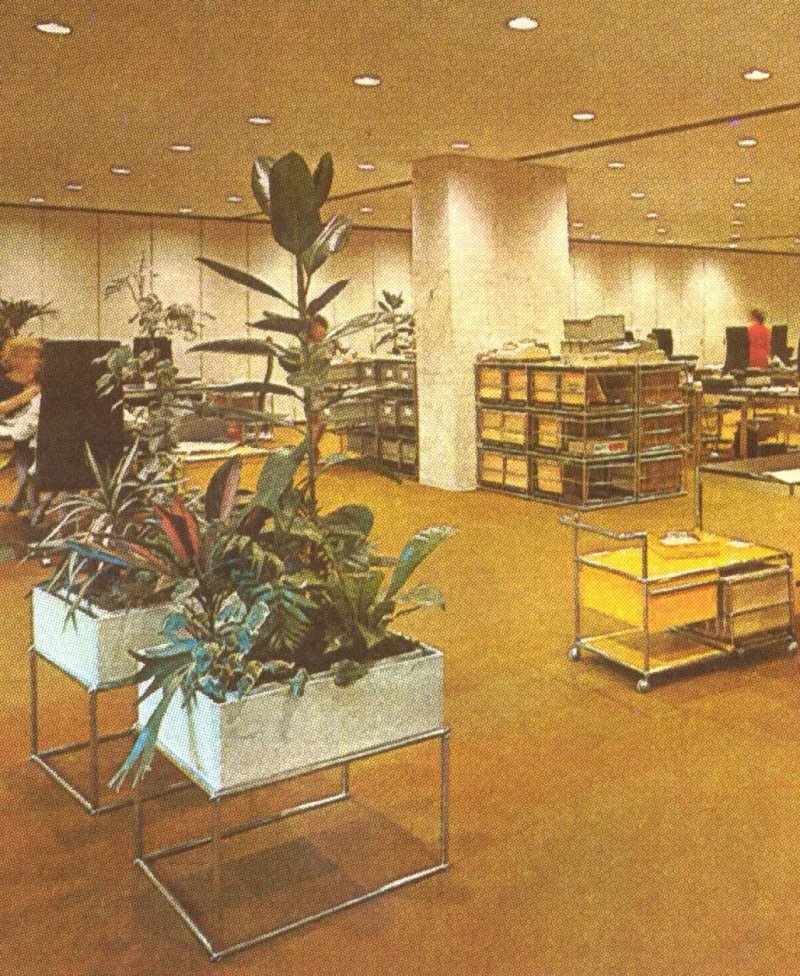
The system was meant only for USM's own offices until a magazine article reached the Banque Rothschild in Paris, which in 1969 ordered 600 workstations. Series production began that year, and USM, once makers of window fittings and hinges, became a furniture company. Its system furnished post offices, banks, libraries and newsrooms through the following decades, and in 2001 it entered the collection of the Museum of Modern Art in New York.
The parts have hardly changed. The ball, the tube and the panel still define it, and later additions, lighting built into the frame, an electronic lock, soft panels, are made to fit pieces already in use; USM promises that each new element can be added to old furniture. It is still made at Münsingen, still owned by the Schärer family, and still sold, as in 1969, piece by configured piece.
Timeline
- 1962 Designed Paul Schärer Jr. and the architect Fritz Haller begin developing a furniture system for USM's new offices in Münsingen.
- 1965 Designed The final design with its ball connector is completed and the patent filed.
- 1969 First made · Claimed USM Haller enters production in Münsingen, Switzerland.
- 2001 Recognised USM Haller enters the permanent design collection of the Museum of Modern Art, New York.
Milestones as we found them, not as we've checked them.
From the archive
More like this
-
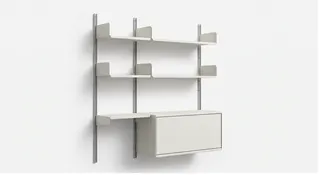 Shelving & Storage · since 1960 Vitsoe 606 Universal Shelving System Dieter Rams's shelving of 1960, a kit of parts still made by the company founded to make it. Read the entry →
 -
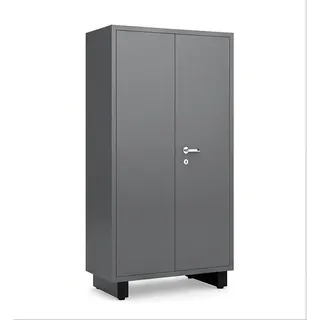 Shelving & Storage · since 1923 Godrej Storwel The steel almirah Godrej began making in Bombay in 1923, still the cupboard where a household keeps what matters. Read the entry →
 -
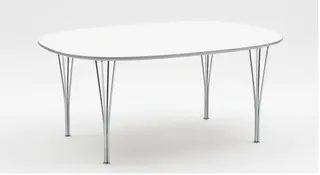 Tables & Desks · since 1968 Fritz Hansen Super-Elliptical Table Piet Hein's curve between oval and rectangle, made a dining table by Fritz Hansen in 1968. Read the entry →
 -
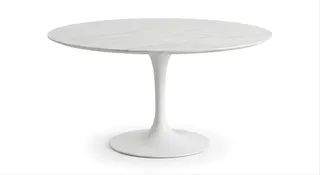 Tables & Desks · since 1958 Saarinen Pedestal Table One stem in place of four legs: Saarinen's answer to 'the slum of legs', made by Knoll since 1958. Read the entry →