Stationery & Office · Paper & Desk · Desk Accessories
Yamato
Yamato Nori
Since 1899 · 127 years to 2026 · First made in Tokyo, Japan
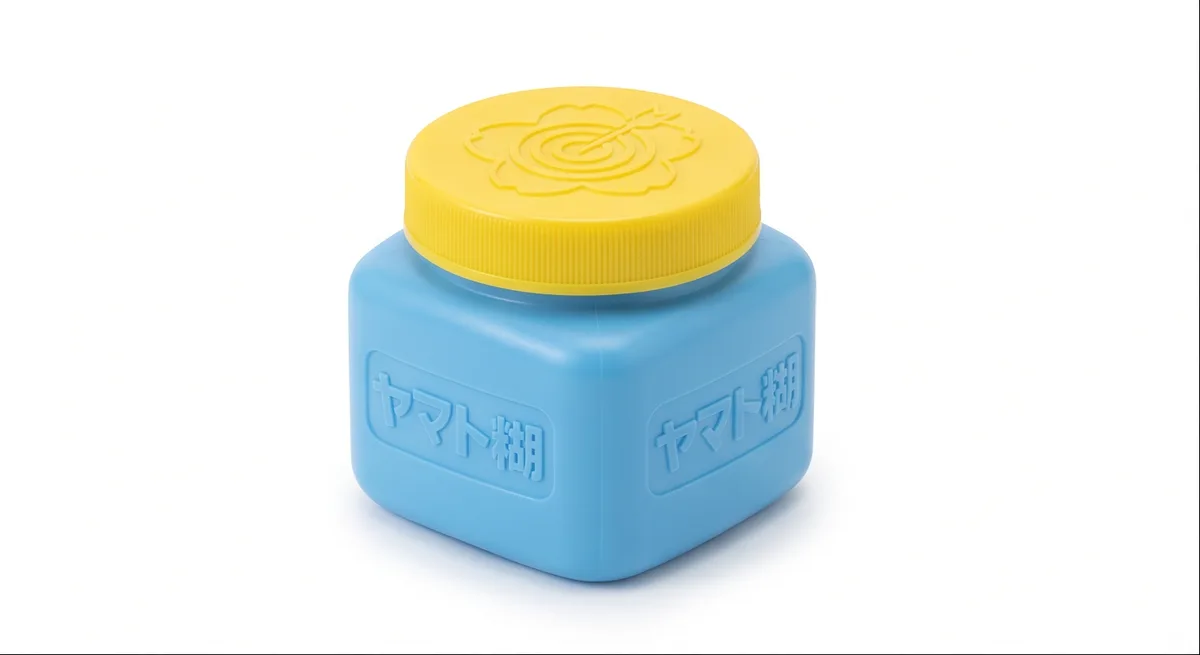
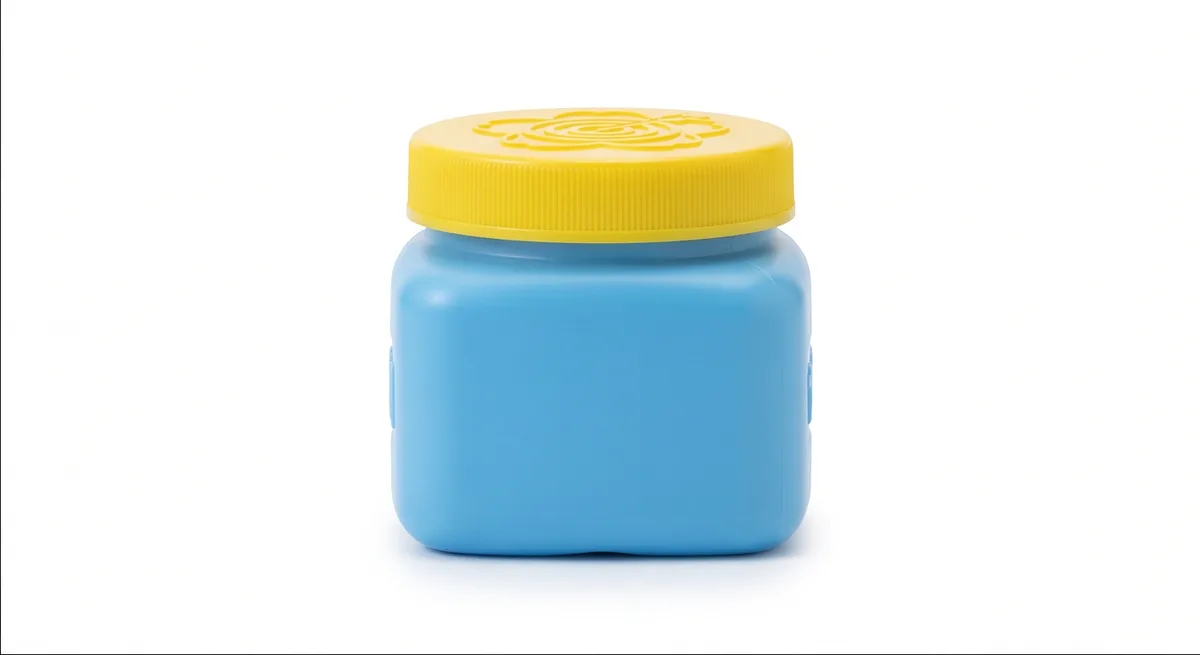
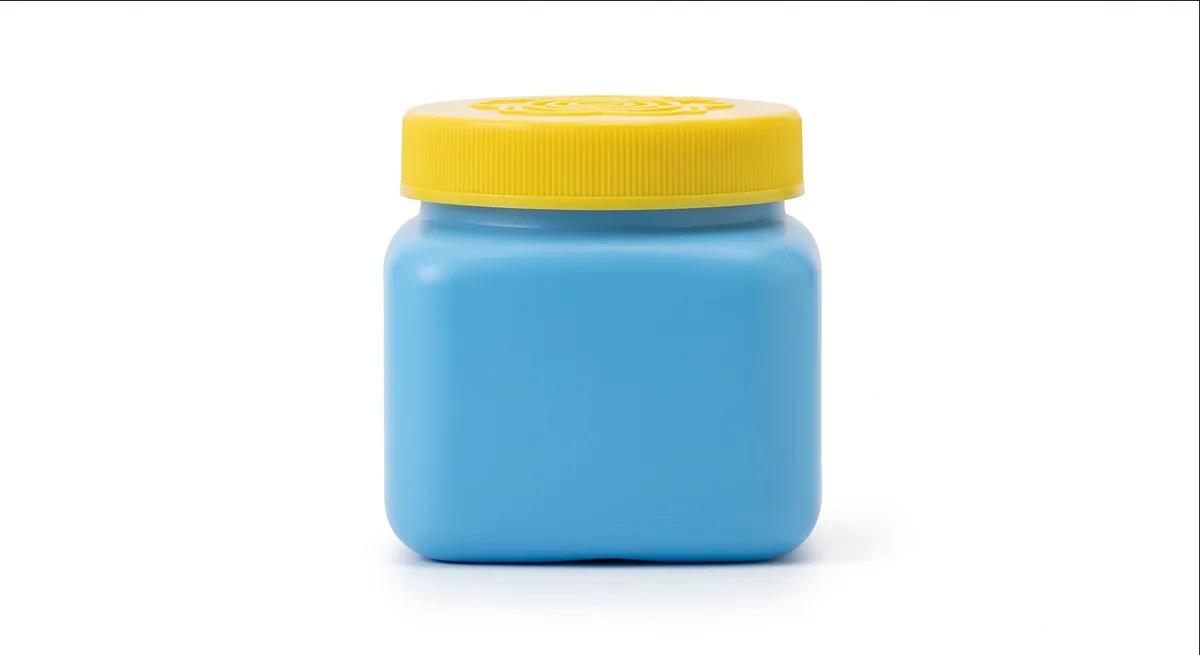
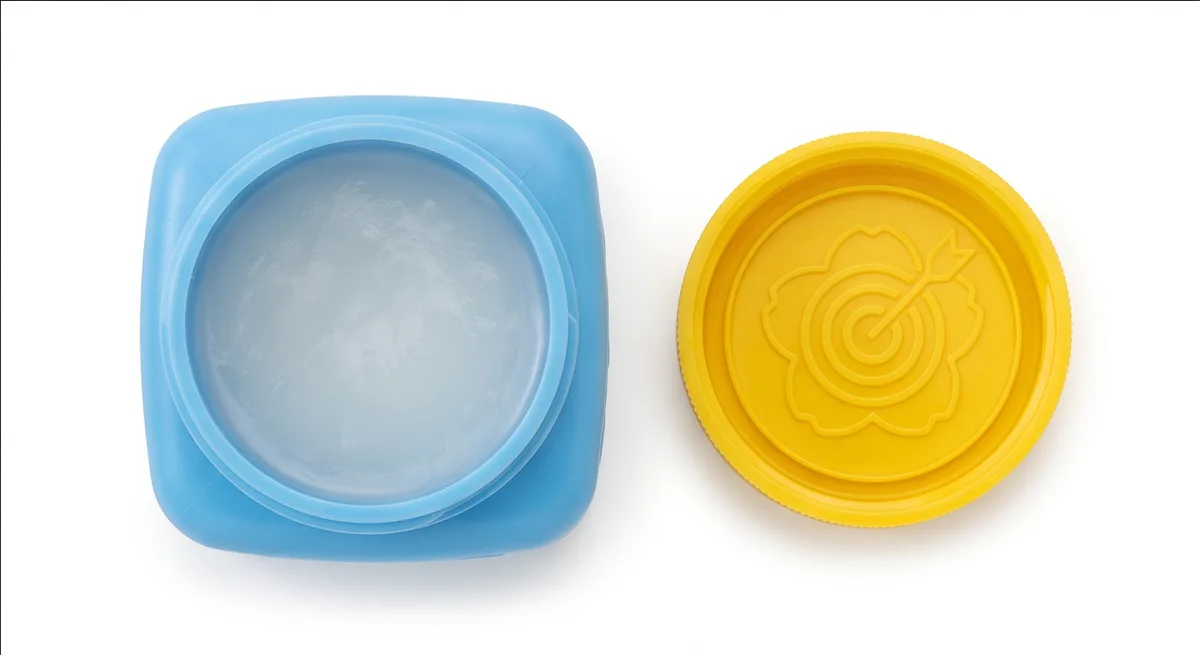
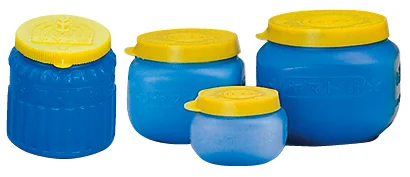
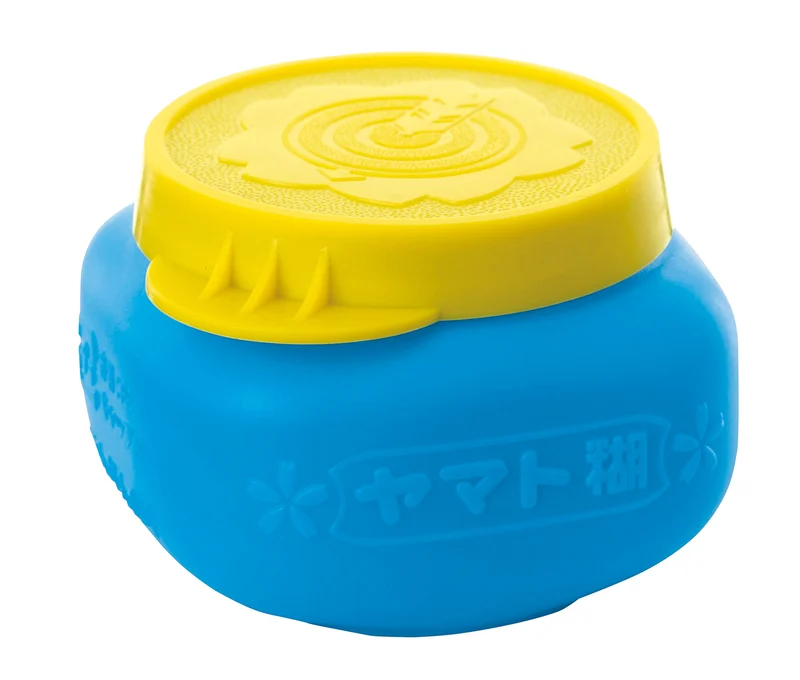
Yamato Nori is a soft white paste for sticking paper, made from starch and sold in a squat pot. The pot is blue plastic, rounded and square in plan, with a broad yellow screw cap moulded with the maker's mark, an arrow striking a target; a flat spatula is kept inside the cap. The paste is taken up on the spatula or a fingertip and spread thinly. In Japan it has long been the paste of offices, envelopes and children's craft lessons.
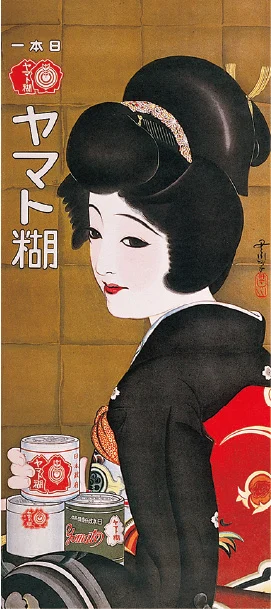
It was first made in 1899 by Kiuchi Yakichi, a charcoal merchant at Ryogoku in Tokyo. The paste he used to seal the paper bags of charcoal went bad within days, so it had to be made at home or bought fresh from paste-sellers. Kiuchi added a preservative, and a scent to mask its smell, to paste made from pure rice starch, and sold the result in cylindrical glass jars from a handcart to companies, banks, post offices and schools. He named it for the mark on the lid: ya, arrow, and mato, target, a name that also recalls the old name for Japan.
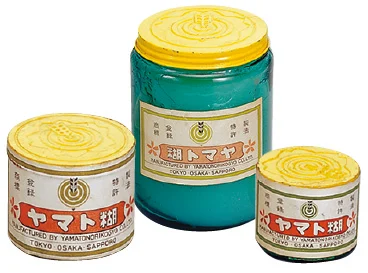
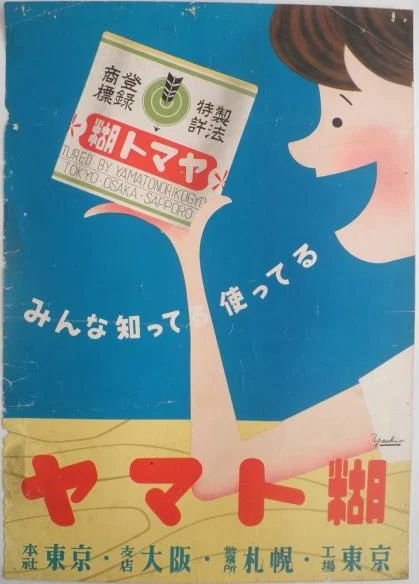
The business passed to a kimono and textile house, Hasejin, and the paste spread. In 1923 a poster showed the film actress Sumiko Kurishima holding a jar, and Yamato Nori became a registered trademark. When rice and other food starches were placed under state control from 1939, the company drew starch from the bulbs of red spider lilies and dahlias, and devised a method of making paste without cooking it, patented in 1950. Glass ran short in the war, and the paste went into ceramic pots.
In 1952 came a tube, and in 1958 a plastic pot to replace the heavy glass jar, the first to carry a spatula. Its present soft, square shape dates from 1983. The starch is now tapioca and the scent has gone, but it is still a pot of starch paste spread by hand.
Timeline
- 1899 First made · Claimed Yamato Nori enters production in Tokyo, Japan.
- 1923 Recognised The name Yamato Nori is registered as a trademark; a poster features the film actress Sumiko Kurishima.
- 1950 Production The cold-paste method, developed when food starches were rationed in wartime, is patented.
- 1958 Designed The pot changes from glass to plastic and gains a spatula; the present soft square bottle follows in 1983.
Milestones as we found them, not as we've checked them.
From the archive
More like this
-
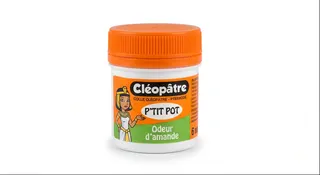 Desk Accessories · since 1930 Colle Cléopâtre P'tit Pot A pot of white starch paste that has smelled of almonds in French classrooms since the 1930s. Read the entry →
 -
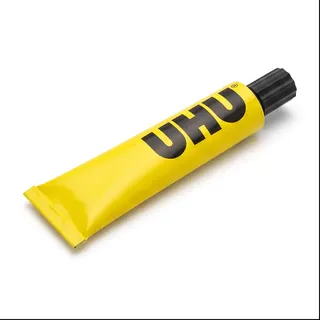 Desk Accessories · since 1932 UHU Der Alleskleber A pharmacist's clear synthetic glue of 1932, named after an owl and still sold in the yellow tube with black capitals. Read the entry →
 -
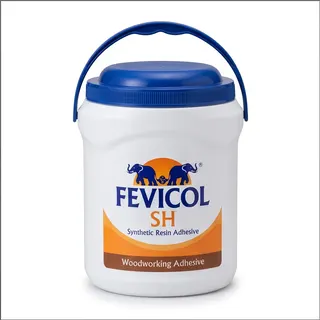 Desk Accessories · since 1959 Fevicol SH The white glue that replaced the carpenter's melting pot in India, and became the country's word for glue. Read the entry →
 -
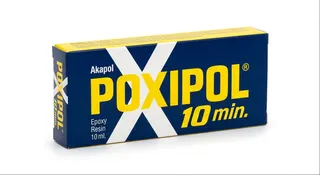 Desk Accessories · since 1960 Poxipol Argentina's two-part cure for broken things, mixed one to one since 1960. Read the entry →