Stationery & Office · Paper & Desk · Desk Accessories
Akapol
Poxipol
Since 1960 · 66 years to 2026 · First made in Villa Ballester, Argentina
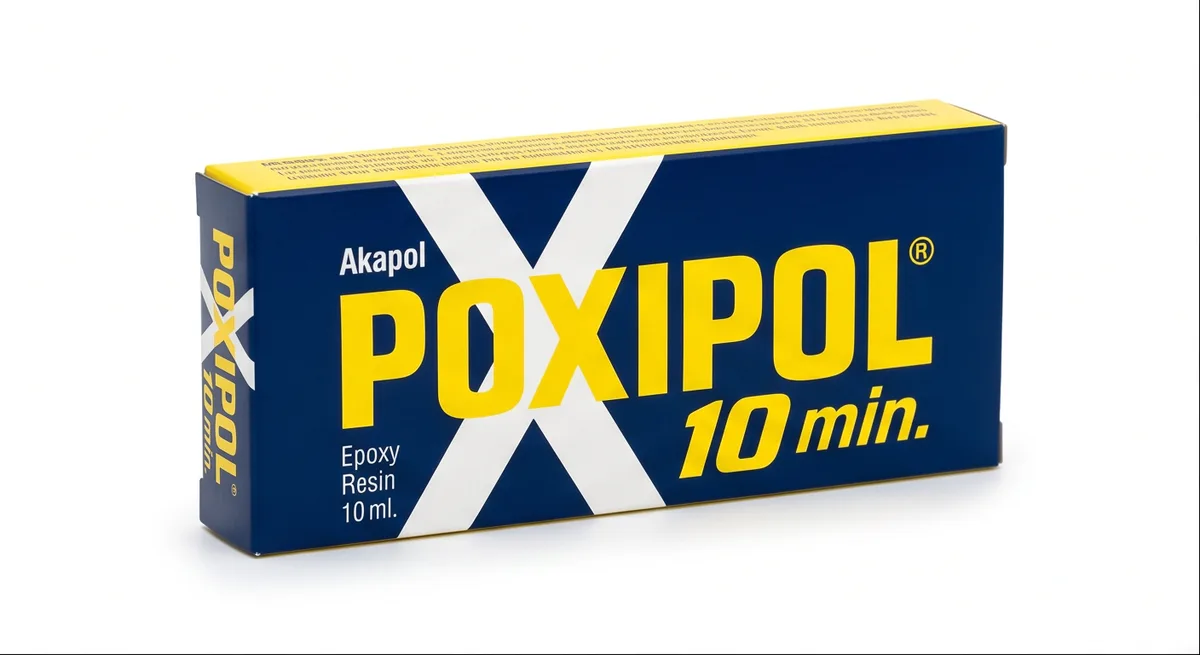
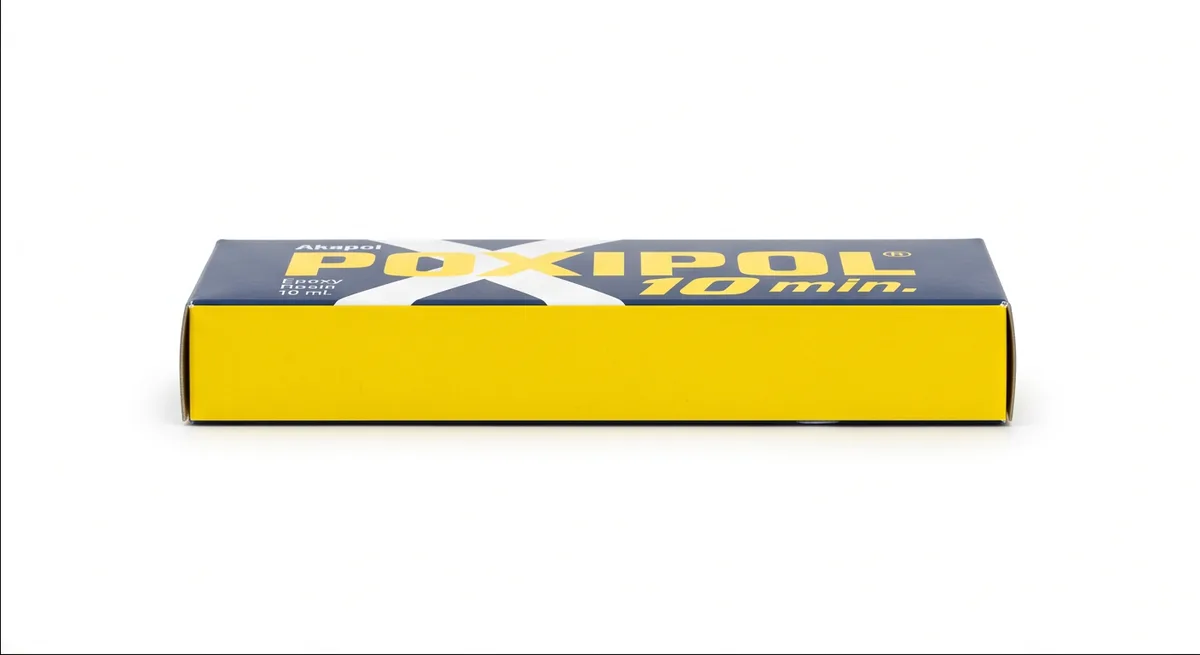
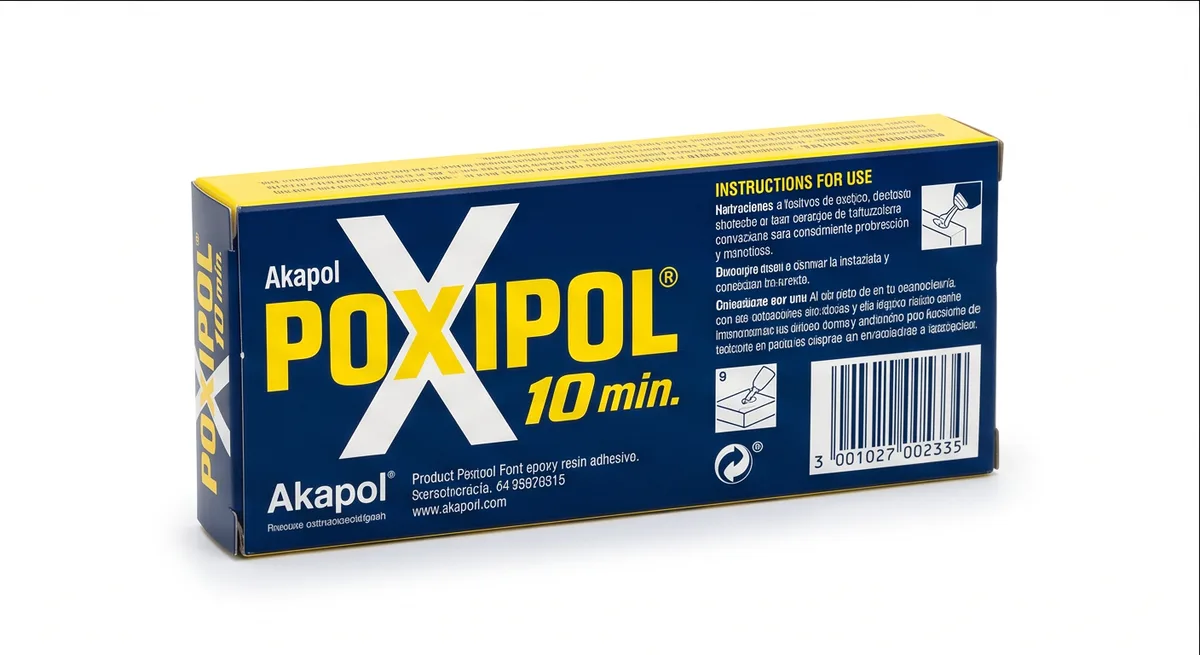
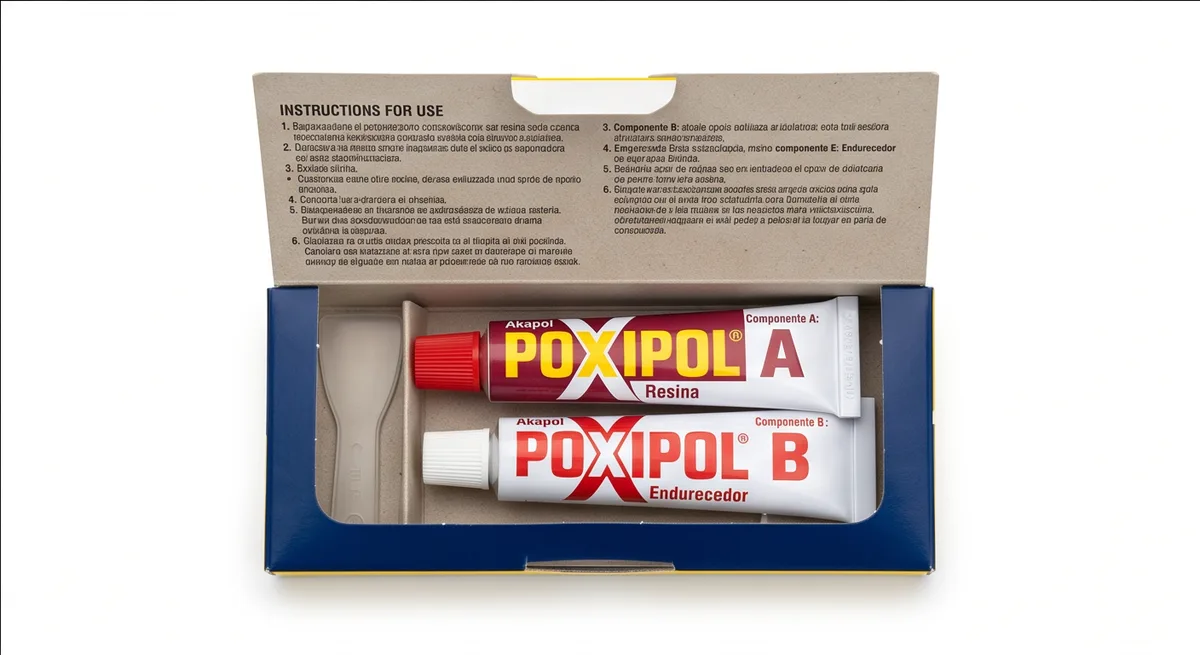
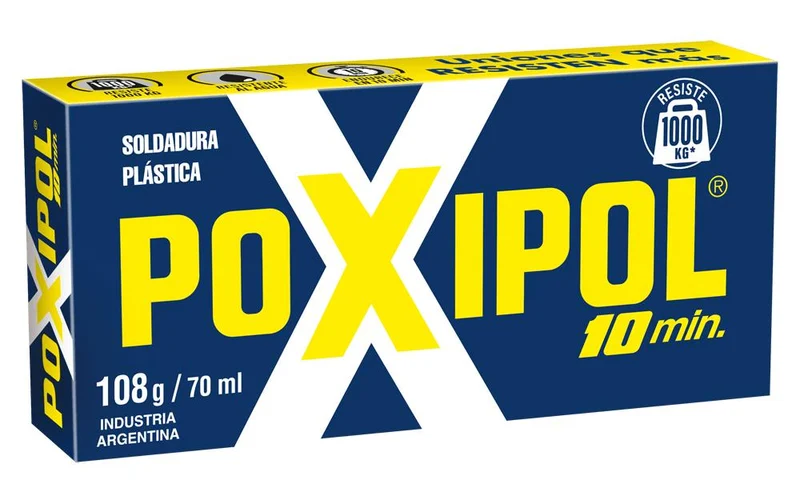
Poxipol is sold in a flat cardboard box printed in navy blue and yellow, with a great white X behind the name. Inside are two tubes, one of resin and one of hardener. Equal lengths are squeezed out, mixed into a grey paste and pressed into the break, where it sets hard enough, the maker says, to bear a thousand kilos, and can then be drilled, filed or sawn.
The adhesive was the first product of Akapol, a firm founded in 1960, according to its own history, by the brothers Claus and Reiner Kühlcke and their father, Dr Adolf Kühlcke, at the back of their house in Villa Ballester, on the north-western edge of Buenos Aires. Two-part epoxies were already in industrial use; the Kühlckes' idea was to adapt one so that anyone could use it for repairs at home.
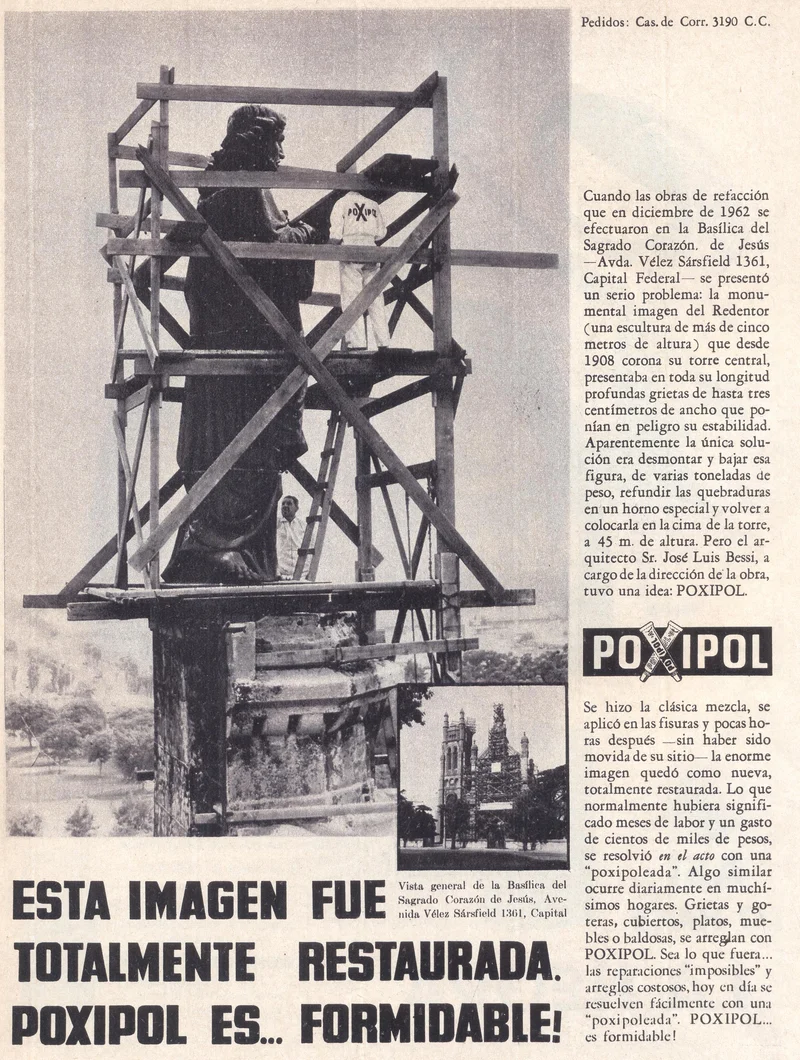
Advertising made the name. Testimonios BA recalls the black-and-white television spots of the early 1960s in which, amid shoot-outs, fires and collapsing buildings, an unruffled 'Míster Poxipol' held out his little box while a chorus sang that it could all be fixed. A press advertisement of 1963 showed workmen on scaffolding around the statue of the Redeemer, more than five metres tall, on the Basílica del Sagrado Corazón in Buenos Aires, cracked and mended with Poxipol rather than taken down and recast.
The brand grew a family around it, from Poxilina putty to La Gotita, and the name itself passed into the language as a word for any strong glue. The product has been adjusted rather than replaced: today there are grey and transparent versions that harden in ten minutes and a slower-setting grey, in boxes from fourteen millilitres to seven hundred. All are still two parts mixed one to one, made in Argentina by the company that launched it.
Timeline
- 1960 First made · Claimed Poxipol enters production in Villa Ballester, Argentina.
- 1963 Recognised A Panorama advertisement shows the statue of the Redeemer on Buenos Aires' Basílica del Sagrado Corazón, mended with Poxipol in December 1962: 'Poxipol es... formidable!'
- 1972 Production Akapol opens a new plant of almost 18,000 square metres at Zelaya, in the Pilar district.
- 2010 Recognised Akapol marks fifty years of its adhesives.
Milestones as we found them, not as we've checked them.
More like this
-
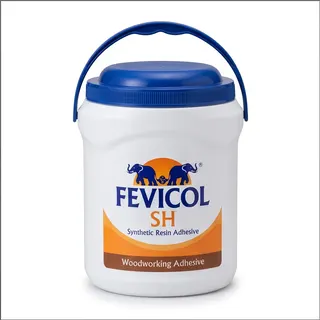 Desk Accessories · since 1959 Fevicol SH The white glue that replaced the carpenter's melting pot in India, and became the country's word for glue. Read the entry →
 -
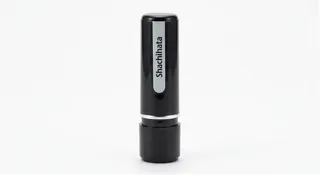 Desk Accessories · since 1968 Shachihata Xstamper Name Japan's self-inking name seal, launched in Nagoya in 1968 and so common that the maker's name became the word for it. Read the entry →
 -
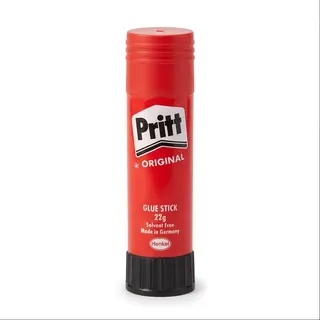 Desk Accessories · since 1969 Pritt Stick The first glue stick, borrowed from a lipstick in 1969 and still the one schools ask for. Read the entry →
 -
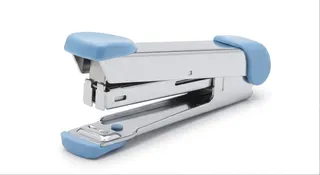 Desk Accessories · since 1973 Max HD-10 Stapler Max's chrome pocket stapler of 1973, still the basic model in its range. Read the entry →