Kitchen & Dining · Dining & Drinks · Tableware & Glassware
Arzberg
Arzberg Form 1382 Teapot
Since 1931 · 95 years to 2026 · First made in Arzberg, Germany
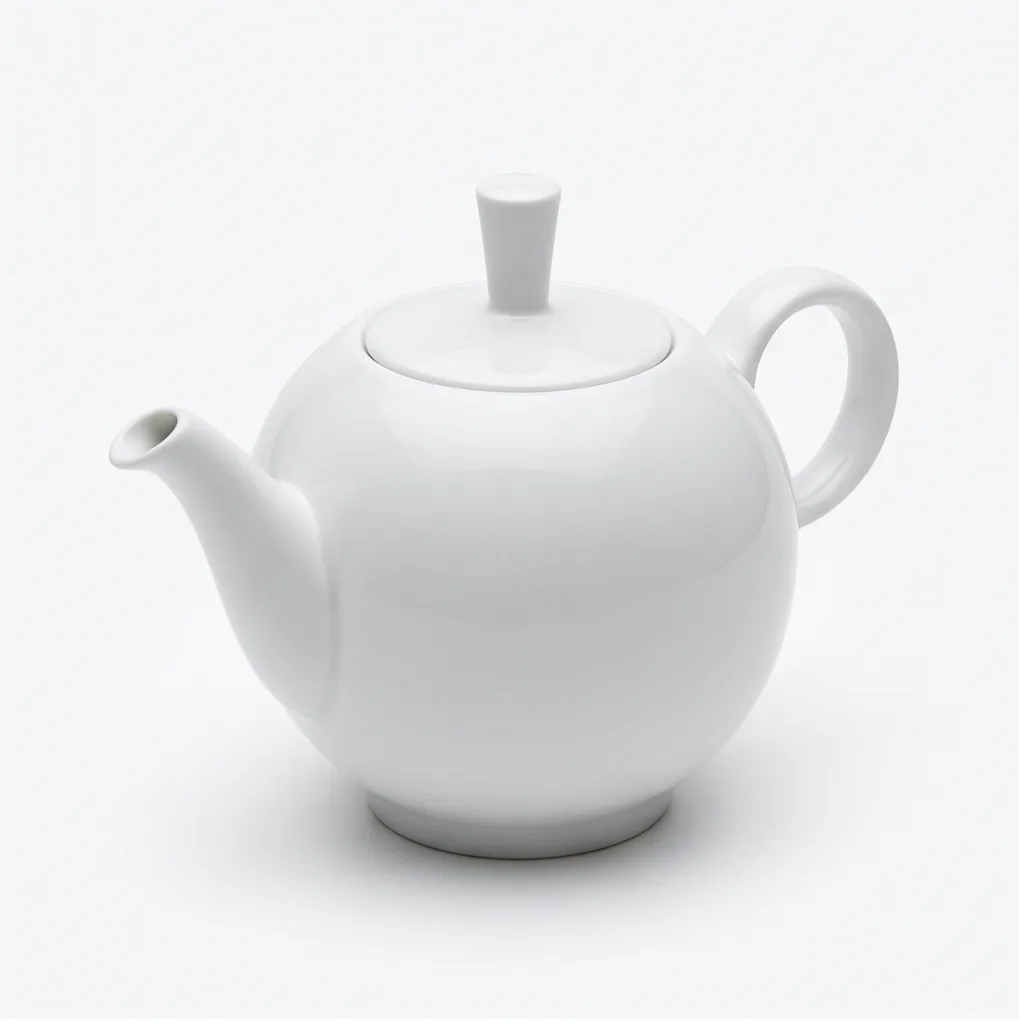
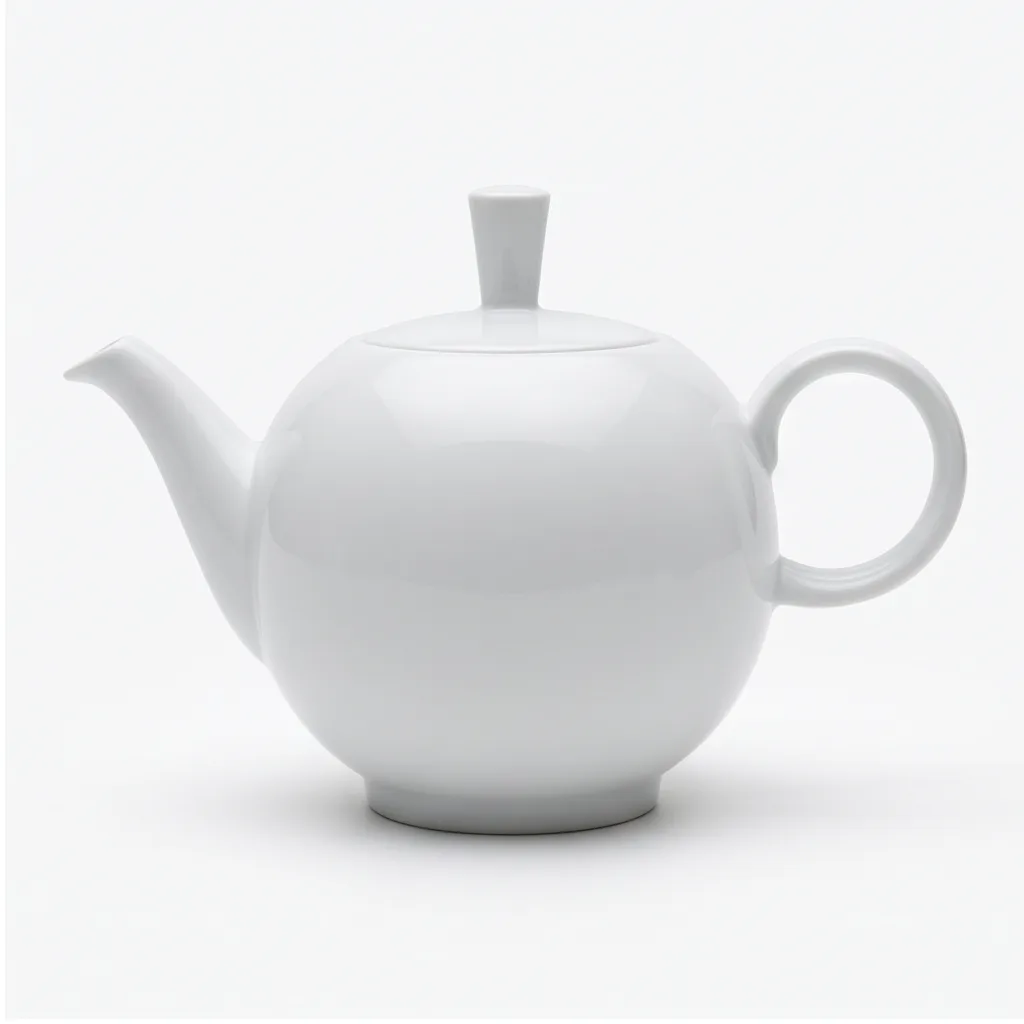
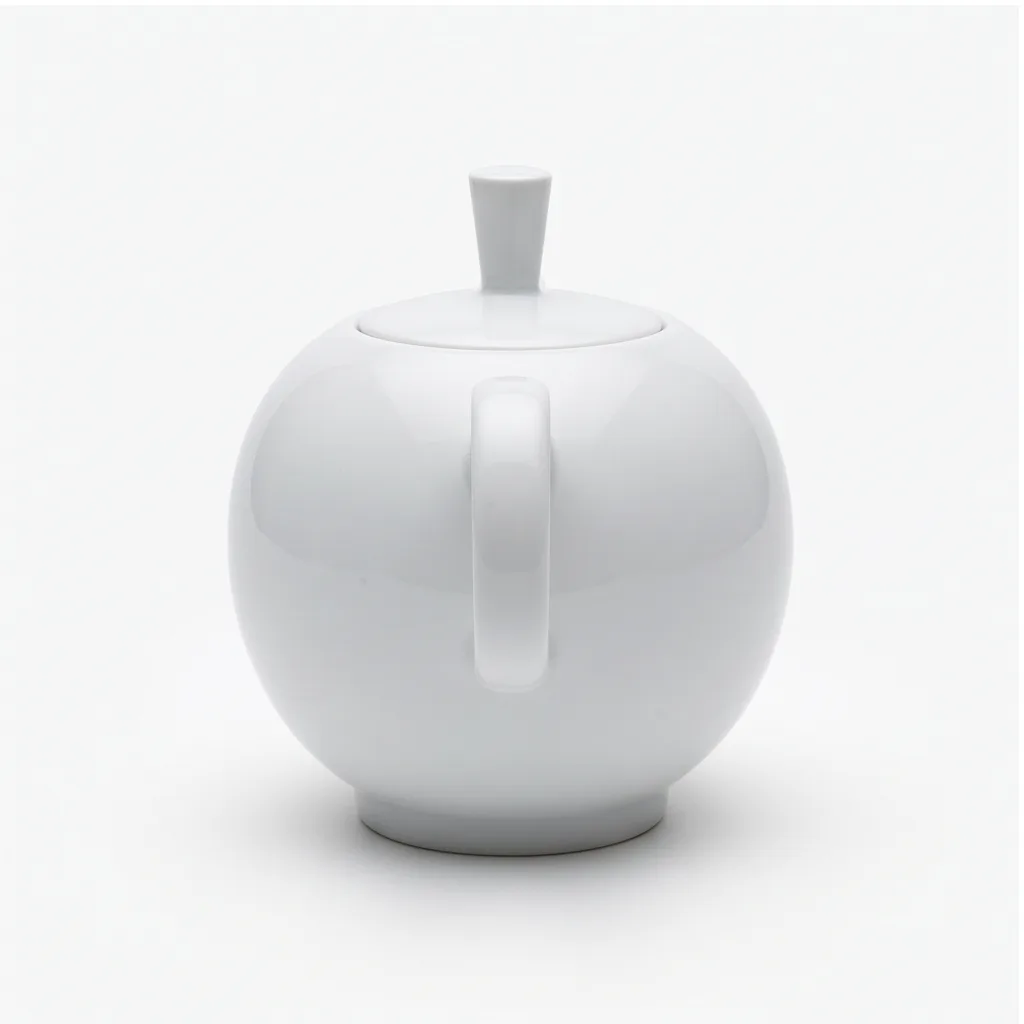
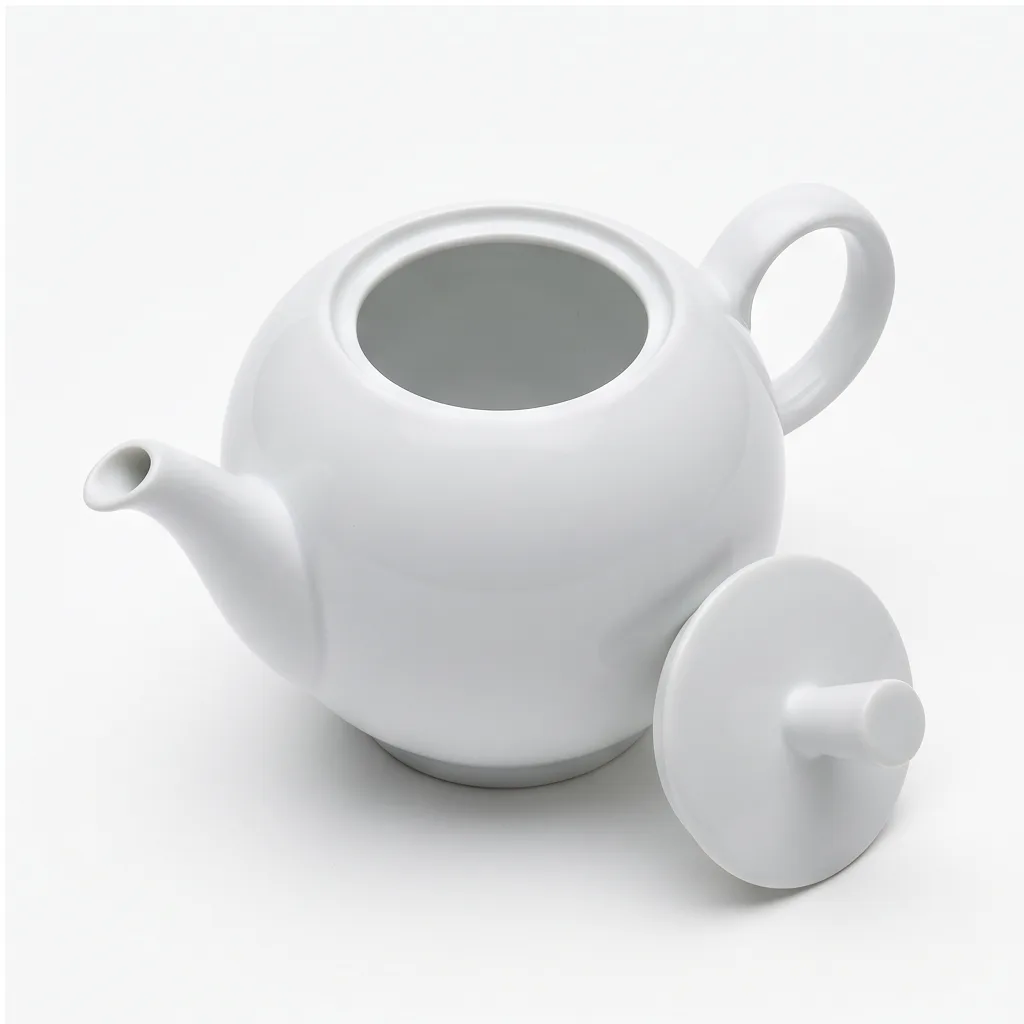
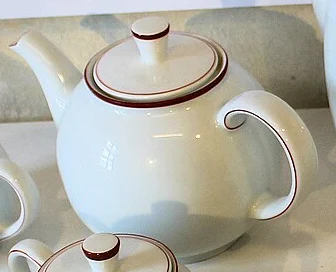
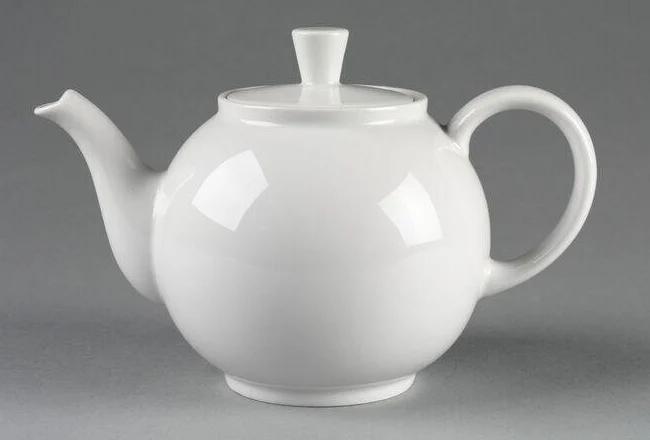
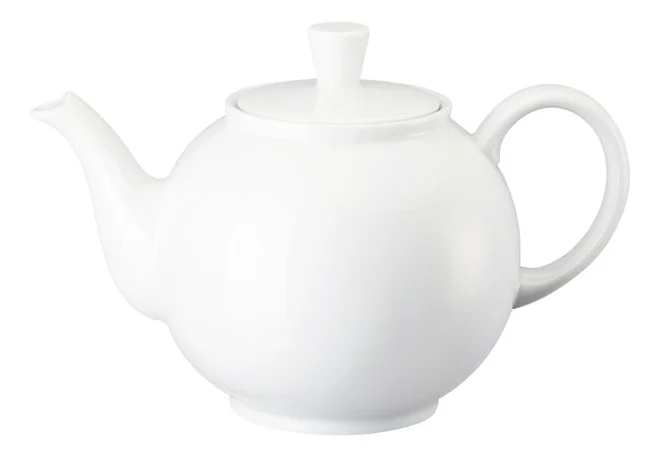
The Form 1382 teapot is a round vessel of white hard-paste porcelain, close to a sphere, set on a low foot ring. A short curved spout rises from one side and a plain ring handle from the other, and the flat lid is topped with a tapering cylindrical knob. There is no decoration of any kind in the plain white version, and the six-person pot holds 1.2 litres.
,_Porzellanmuseum,_Hermann_Gretsch,_Service_aus_dem_Jahr_1931.jpg)
It belongs to a coffee, tea and dinner service that Hermann Gretsch designed for the Porzellanfabrik Arzberg in Bavaria, introduced in 1931. The service broke with the Rococo and Art Deco shapes then usual in German tableware, but stopped short of the experimental forms of the avant-garde. Gretsch himself thought undecorated porcelain, at most underlined with a simple line, the most beautiful for use, though Arzberg also sold decorations such as the blue Blaublüten pattern. Pieces were sold singly, so that a household could build up a service over the years.
The design was a commercial risk, and German Wikipedia records that it lost money until 1935. It won the gold medal at the Milan Triennale of 1936, and in 1950 the Museum of Modern Art in New York showed it in its Good Design exhibition. Gretsch's record is less simple: he joined the Nazi party in 1933 and led the coordinated Werkbund from 1935, and his plain forms suited the regime's taste. He remained Arzberg's artistic director until his death in 1950.
The pot has outlasted several owners, the closure of the Arzberg works, an insolvency in 2013 and, in 2024, the retirement of the Arzberg name itself. The V&A keeps one made around 1980, 15.3 centimetres high. Rosenthal, which owns the form, now makes it under its own base stamp and lists the white pot at 15.4 centimetres, unchanged in every visible respect.
Timeline
- 1931 First made · Verified Arzberg Form 1382 Teapot enters production in Arzberg, Germany.
- 1931 Designed Hermann Gretsch's coffee and dinner service Form 1382 is introduced by the Porzellanfabrik Arzberg.
- 1936 Recognised Form 1382 wins the gold medal at the sixth Milan Triennale.
- 1950 Recognised The Museum of Modern Art in New York includes the service in its Good Design exhibition.
- 2024 Ownership Rosenthal, owner of the Arzberg brand since 2013, moves Form 1382 to its own label and base stamp.
Milestones as we found them, not as we've checked them.
From the archive
More like this
-
 Tableware & Glassware · since 1944 Lomonosov Cobalt Net Teacup A net of cobalt and gold painted in Leningrad in 1944, still on the cup it was drawn for. Read the entry →
 -
 Tableware & Glassware · since 1947 Copo Americano One hundred and ninety millilitres, faceted, and in every bar in Brazil since 1947. Read the entry →
 -
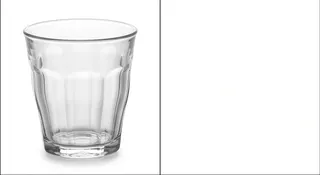 Tableware & Glassware · since 1954 Duralex Picardie The tempered French café tumbler, made outside Orléans since 1954. Read the entry →
 -
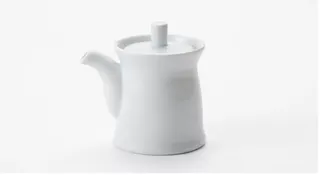 Tableware & Glassware · since 1958 Hakusan G-Type Soy Sauce Bottle Masahiro Mori's porcelain soy bottle of 1958, made at Hasami without change ever since. Read the entry →