Kitchen & Dining · Dining & Drinks · Tableware & Glassware
Nadir Figueiredo
Copo Americano
Since 1947 · 79 years to 2026 · First made in Vila Maria, Brazil
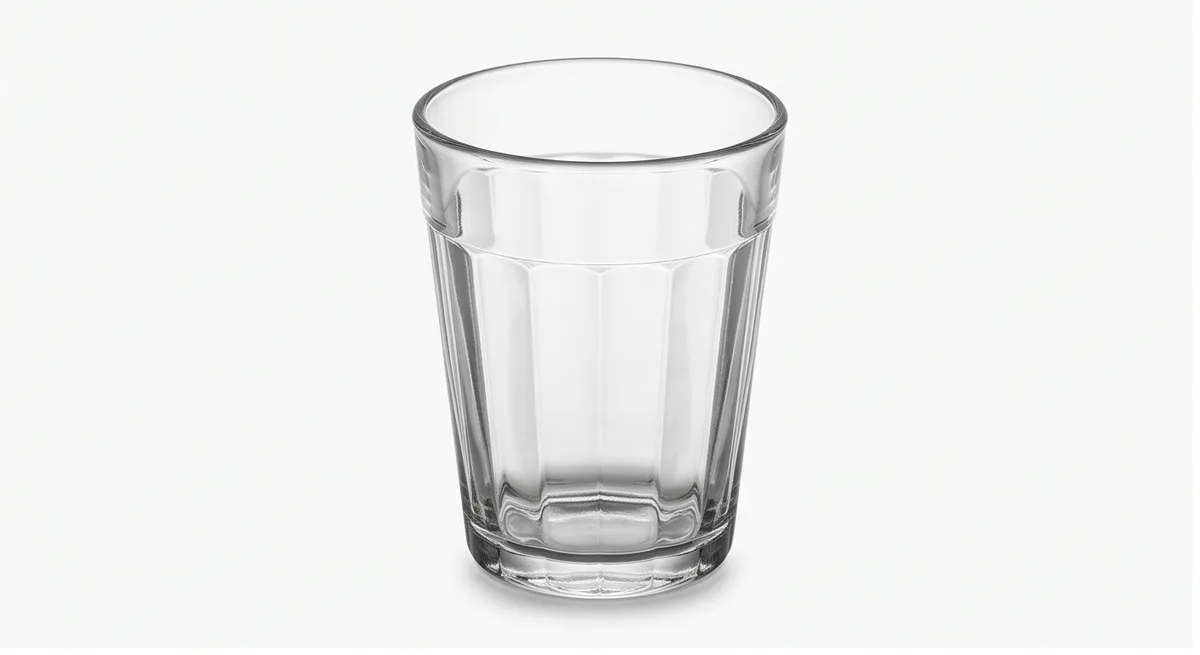
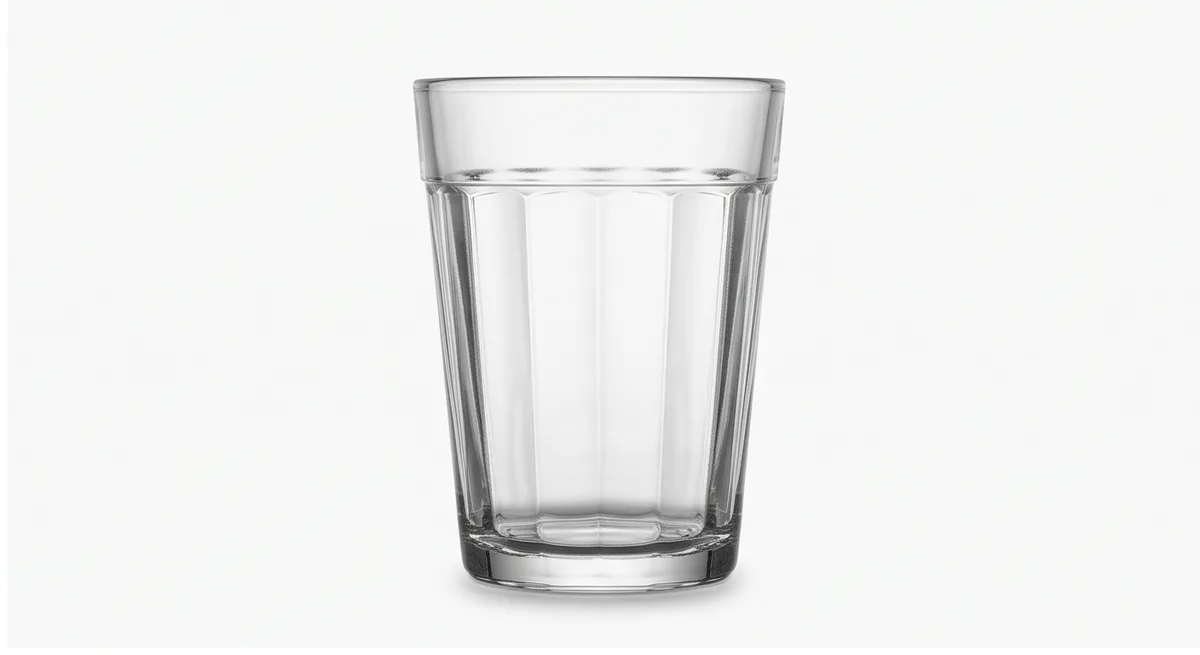
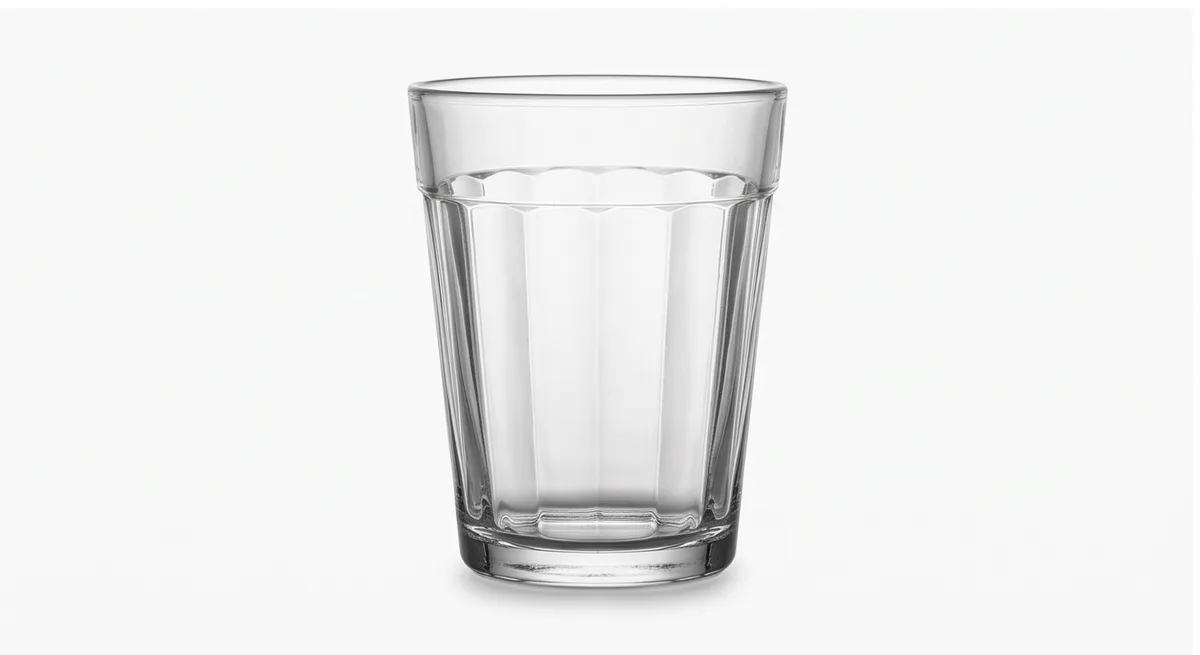
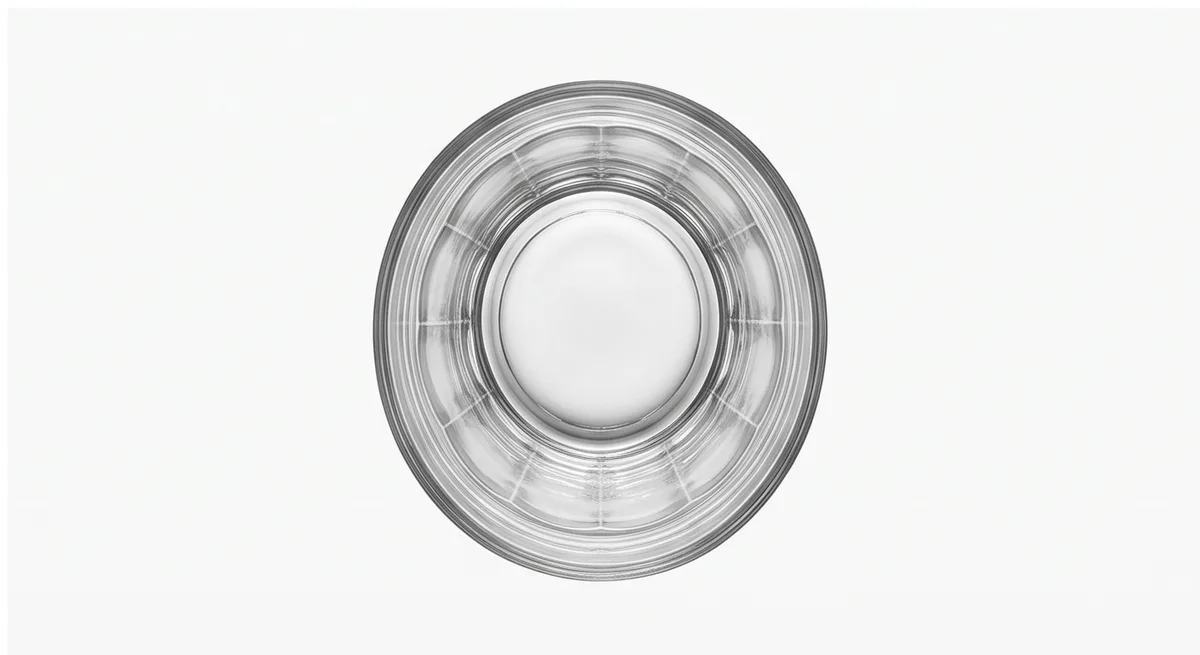
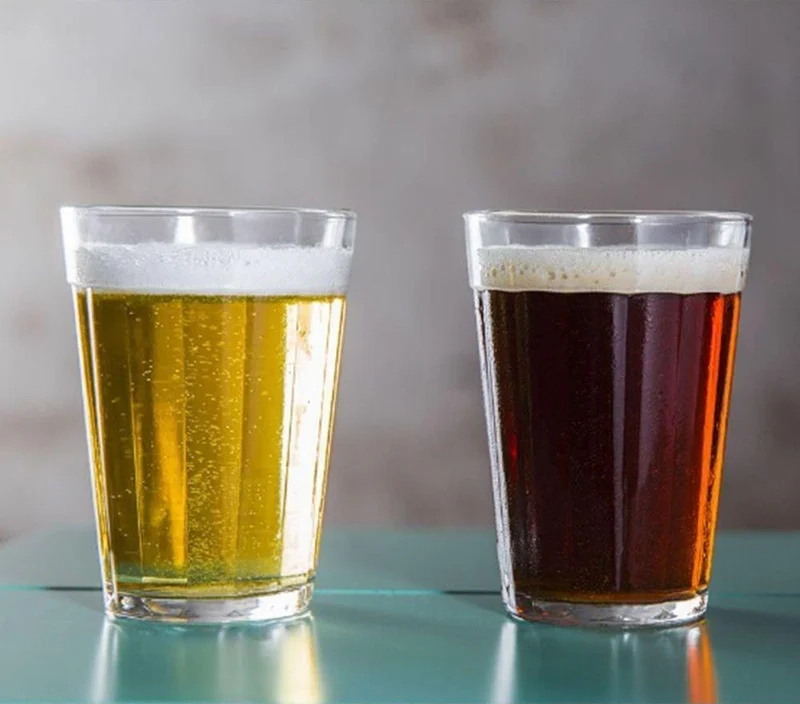
The copo americano is a small tumbler of clear pressed glass, nine centimetres tall and holding 190 millilitres. Its sides are moulded into a ring of flat vertical facets that taper slightly towards a thick base, and a plain band runs round the rim. Turned over, the base carries the maker's mark. It is heavy for its size, hard to break and very cheap.
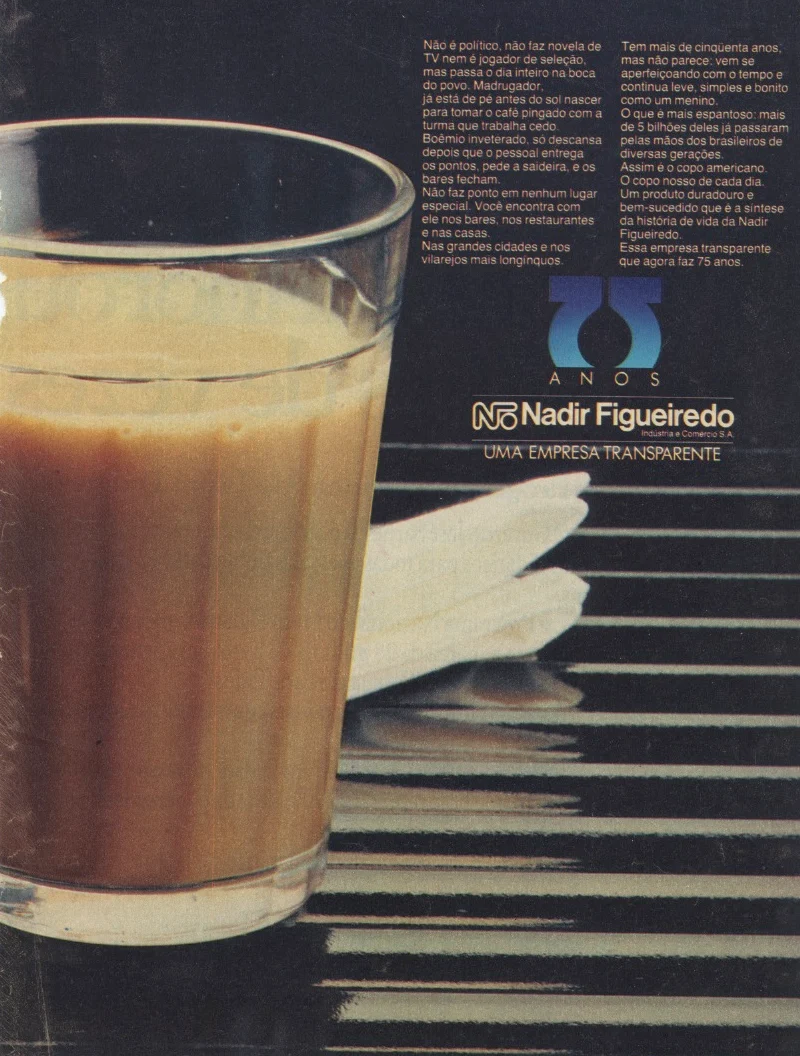
It was made by Nadir Figueiredo, a São Paulo firm that had begun in 1912 repairing typewriters. According to the press accounts of its anniversaries, the founder, Nadir Dias de Figueiredo, conceived it as a multipurpose glass for the Brazilian market, strong and inexpensive, and it went on sale on 20 October 1947. The machinery that pressed it came from the United States, and so, although the glass is entirely Brazilian, it was called American.
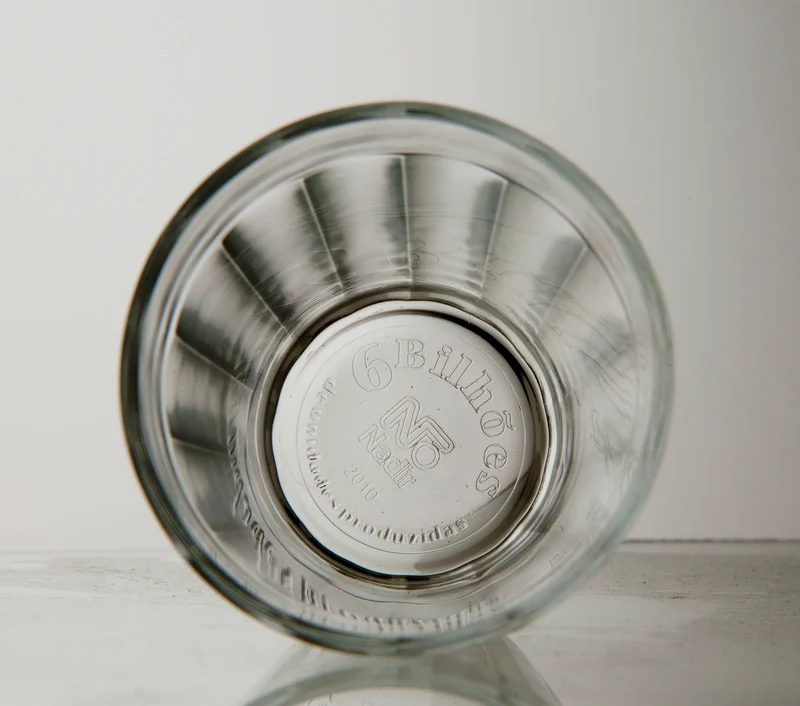
It became the glass of the country. It holds the morning coffee with milk at the bakery counter, the beer in the boteco and the measure of cachaça; Brazilian recipes that ask for a cup of flour mean this cup, and it serves as the measure for soap powder and for home rehydration solution. In Belo Horizonte it is called the copo lagoinha, after a district known for its bars. In 2009 it travelled to the Museum of Modern Art in New York as an emblem of Brazilian design, and by 2010 six billion had been made.
Little about the object has changed. The American presses gave way to Brazilian ones, output rose from two glasses a minute to several hundred, and the works moved from Vila Maria to Suzano. Since the 2010s the name has been extended to larger sizes, colours, mugs and jugs, and in 2019 the company passed to an American investment firm. The original 190 ml glass is still made and still sold by the box.
Timeline
- 1947 First made · Verified Copo Americano enters production in Vila Maria, Brazil.
- 1947 Nadir Figueiredo puts the 190 ml faceted glass on the market on 20 October, made at Vila Maria, São Paulo, on machinery imported from the United States.
- 2009 Recognised The glass is shown at the Museum of Modern Art in New York among objects chosen to represent Brazilian life.
- 2010 Production Production passes six billion glasses.
- 2019 Ownership H.I.G. Capital of Miami acquires control of Nadir Figueiredo; the glass stays in production.
Milestones as we found them, not as we've checked them.
From the archive

More like this
-
 Tableware & Glassware · since 1944 Lomonosov Cobalt Net Teacup A net of cobalt and gold painted in Leningrad in 1944, still on the cup it was drawn for. Read the entry →
 -
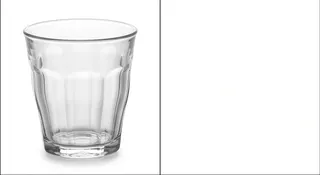 Tableware & Glassware · since 1954 Duralex Picardie The tempered French café tumbler, made outside Orléans since 1954. Read the entry →
 -
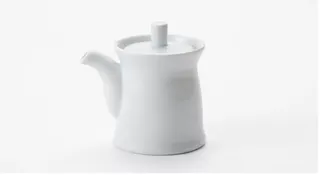 Tableware & Glassware · since 1958 Hakusan G-Type Soy Sauce Bottle Masahiro Mori's porcelain soy bottle of 1958, made at Hasami without change ever since. Read the entry →
 -
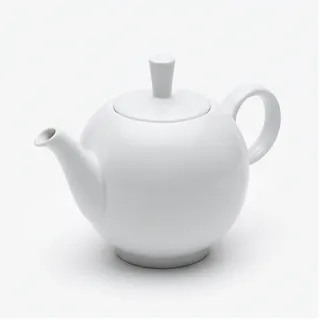 Tableware & Glassware · since 1931 Arzberg Form 1382 Teapot Hermann Gretsch's plain white teapot of 1931, still cast to the same round form. Read the entry →