Sports & Leisure · Games & Toys · Toys
Merkur Toys
Merkur Construction Set
Since 1930 · 94 years to 2026 · First made in Police nad Metují, Czech Republic
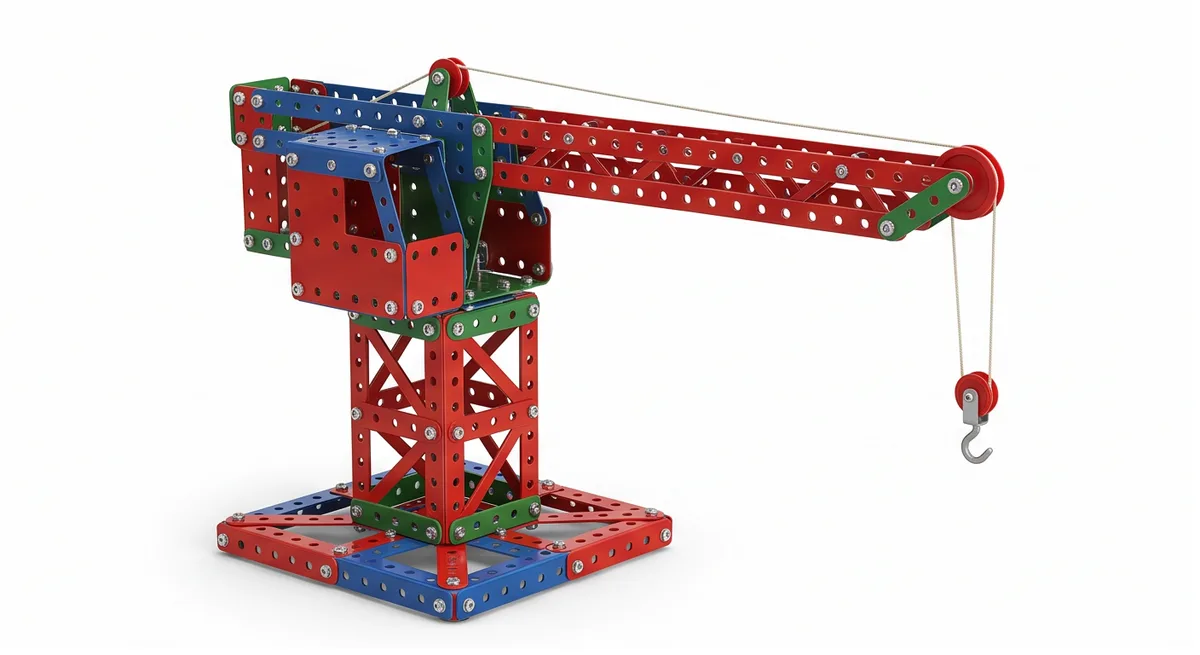
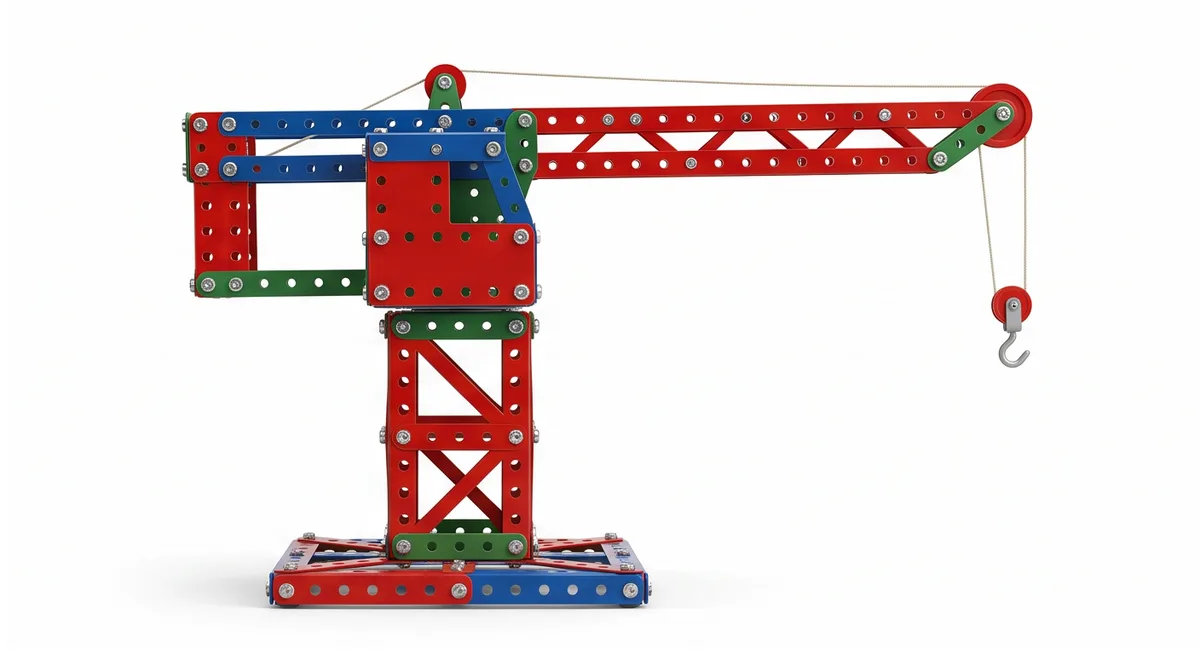
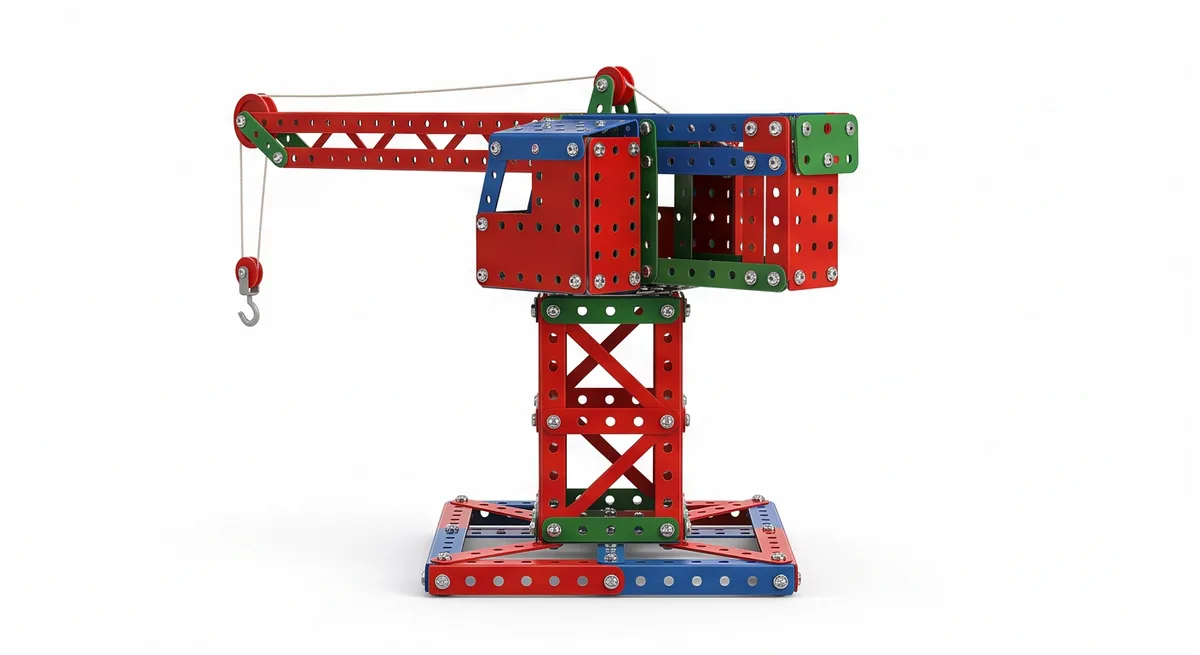
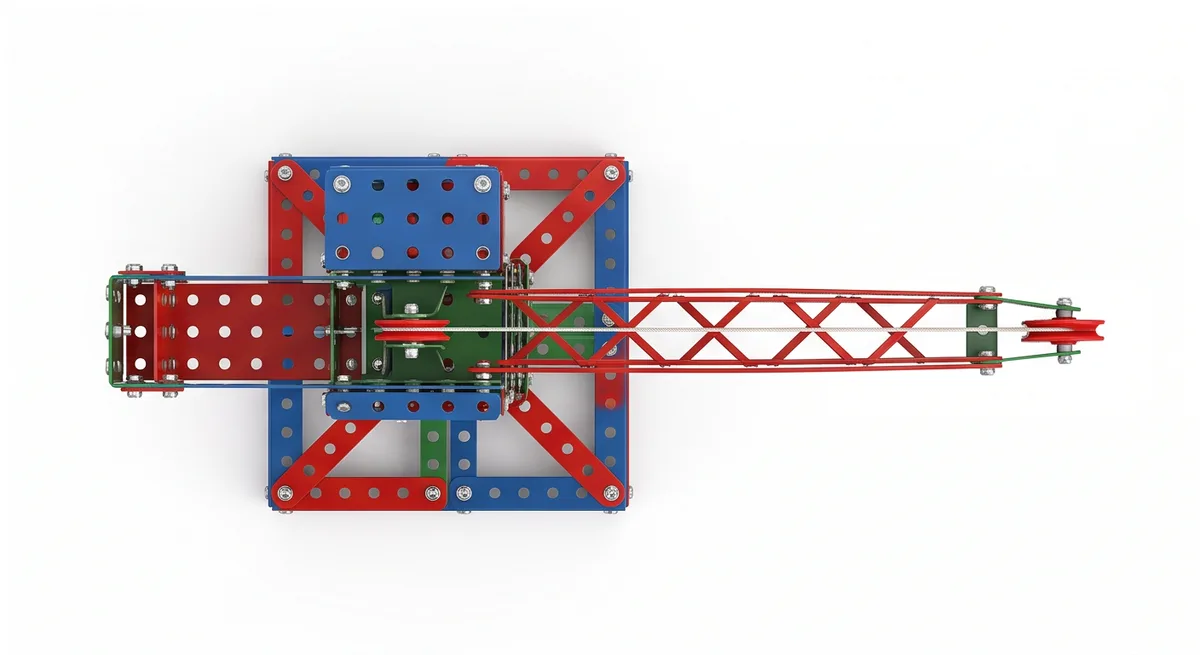
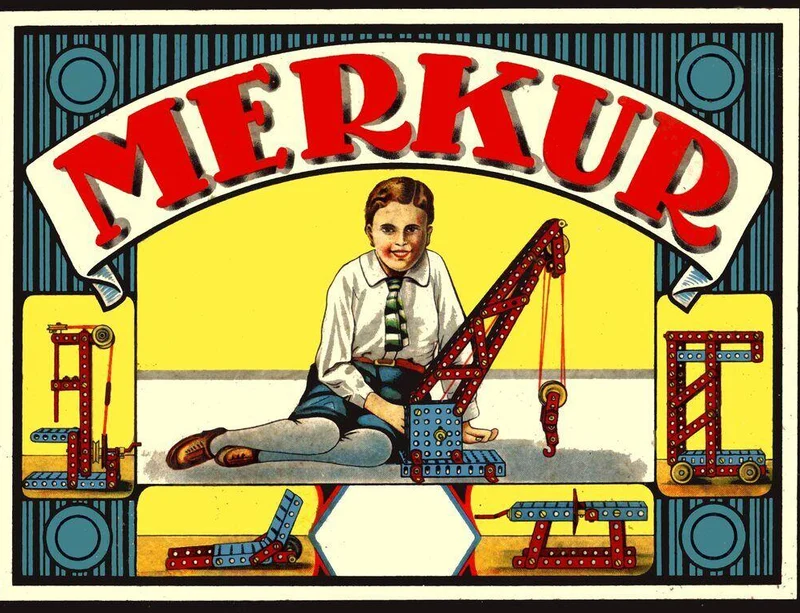
The Merkur set is a box of flat steel parts: strips, angle girders, plates and brackets, each painted red, blue, green or yellow and punched with round holes exactly one centimetre apart. The parts are joined with small M3.5 screws and nuts, and the larger sets add axles, gears, pulleys and wheels. With a screwdriver and a spanner a child can build a crane, a lorry or a bridge, take it apart and build something else.
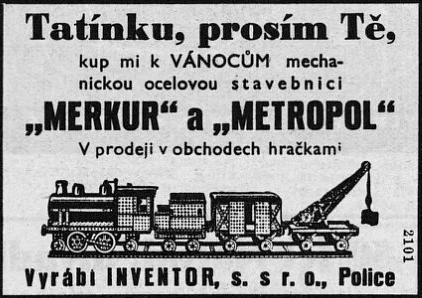

It comes from Police nad Metují, a small town in north-east Bohemia. In 1920 Jaroslav Vancl founded a firm there called Inventor and made a metal construction set of the same name, its pieces held together with hooks. Screws and nuts arrived about 1925, and the maker dates the name Merkur, and the painted parts, to 1930. Unlike Meccano, which used inch measurements, Merkur was metric from the start.
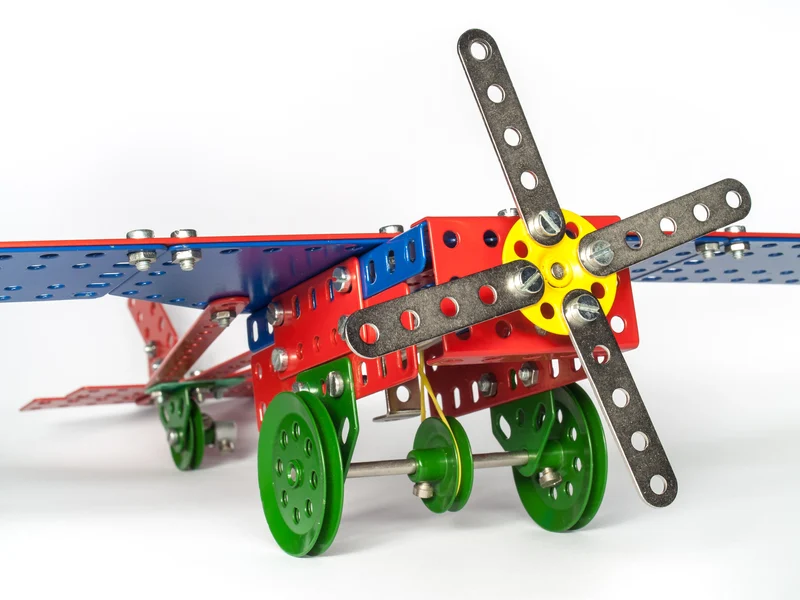
_toy_airplane_1.jpg)
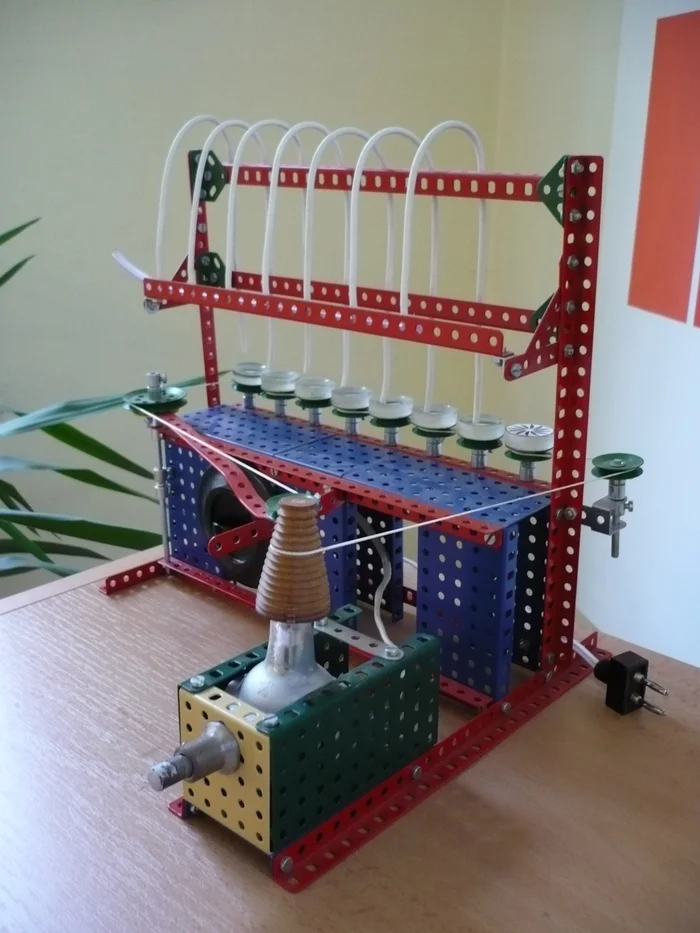
The firm survived the war and then lost its owner: in 1950 it was forced into liquidation, and Vancl worked as a labourer in his own factory until he was eighty. The set did not stop. Under state enterprises it was exported across Europe, sold as Constructo or Build-O in English-speaking countries and as Tecc in the Netherlands. In 1961 the chemist Otto Wichterle used Merkur parts, with a bicycle dynamo, to build the machine that cast the first soft contact lenses.
The hard years came after 1989. The privatised firm stalled, its machines stood idle and it was declared bankrupt in 1994; production restarted under Jaromír Kříž, whose company became Merkur Toys in 2003. The town now has a Merkur museum within sight of the factory. The sets sold today, such as Merkur 5, use the same centimetre grid and the same screws and nuts, so that a part made decades ago still fits a model built from a new box.
Timeline
- 1930 First made · Disputed Merkur Construction Set enters production in Police nad Metují, Czech Republic.
- 1930 The set is renamed Merkur, with painted parts joined by screws and nuts, according to the maker.
- 1961 Recognised Otto Wichterle builds the first apparatus for casting soft contact lenses from Merkur parts.
- 1994 Paused After privatisation the maker Komeb fell into financial trouble; Hospodářské noviny reports its lathes had been idle for half a year when Jaromír Kříž came to lease them in 1994, shortly before Komeb was declared bankrupt, and English Wikipedia says Kříž took three years to bring production back. The maker's own timeline says production continued, under Kříž's firm Cross from 1996. The stop may have begun in late 1993 and its exact length is not recorded; the tooling and factory passed to the new owner, so this is treated as a pause, not a revival.
- 1996 Resumed Production resumes.
- 2003 Ownership Merkur Toys is founded and takes over production in Police nad Metují.
Milestones as we found them, not as we've checked them.
From the archive

More like this
-
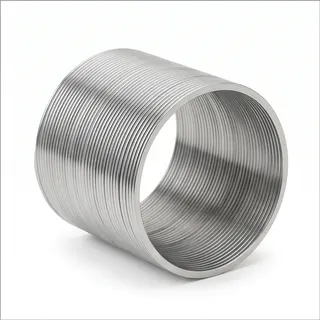 Toys · since 1945 Slinky A coil of steel that walks downstairs, first sold in Philadelphia for a dollar in 1945. Read the entry →
 -
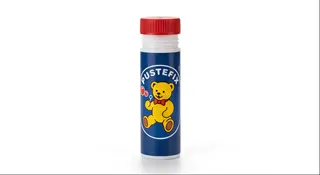 Toys · since 1948 Pustefix A tube of bubbles with a teddy on the label, filled near Tübingen since the year of the Deutsche Mark. Read the entry →
 -
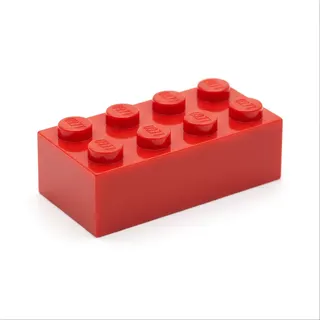 Toys · since 1958 LEGO Brick A brick from 1958 still clicks into one made this morning. Read the entry →
 -
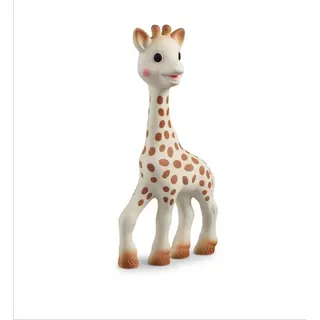 Toys · since 1961 Sophie la Girafe A rubber giraffe named for Saint Sophie's day in 1961, and still squeaking. Read the entry →