Stokke
Stokke Tripp Trapp
Since 1972 · 54 years to 2026 · First made in Møre og Romsdal, Norway
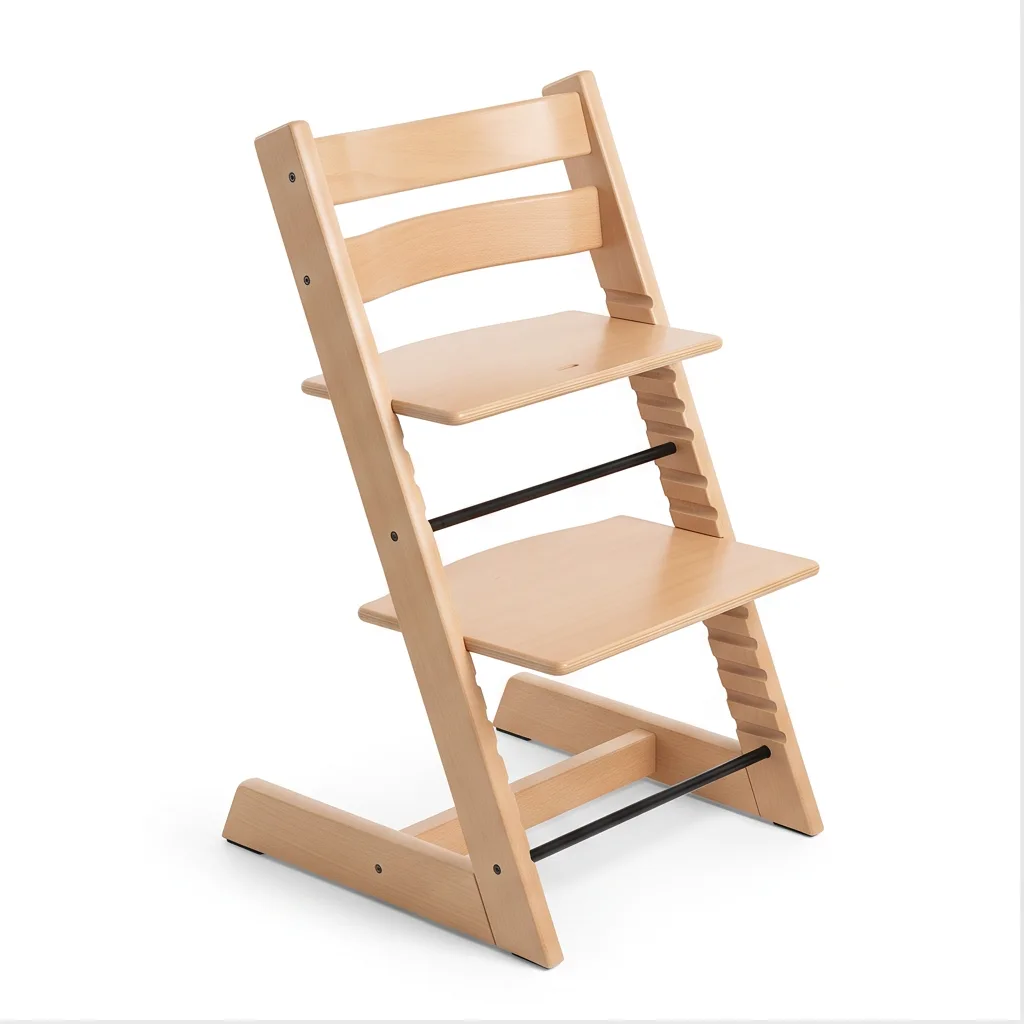
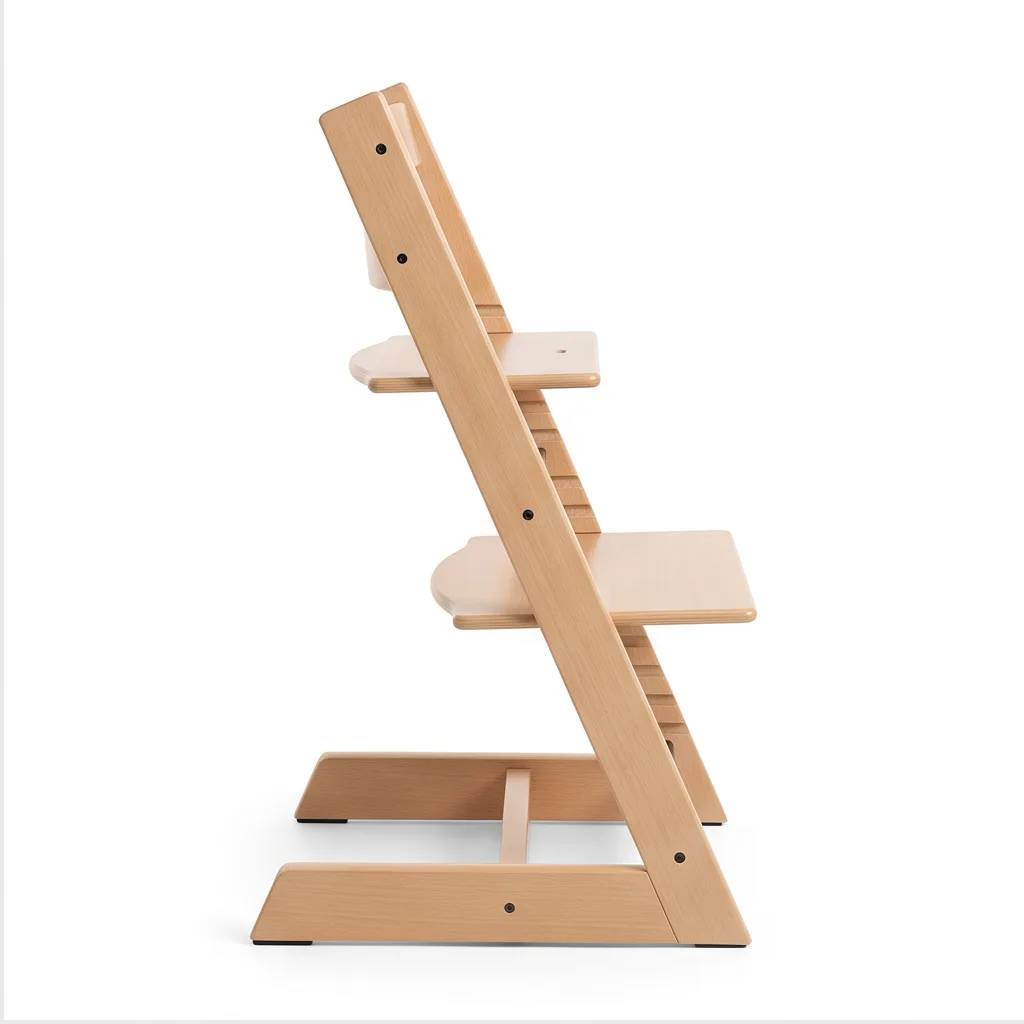
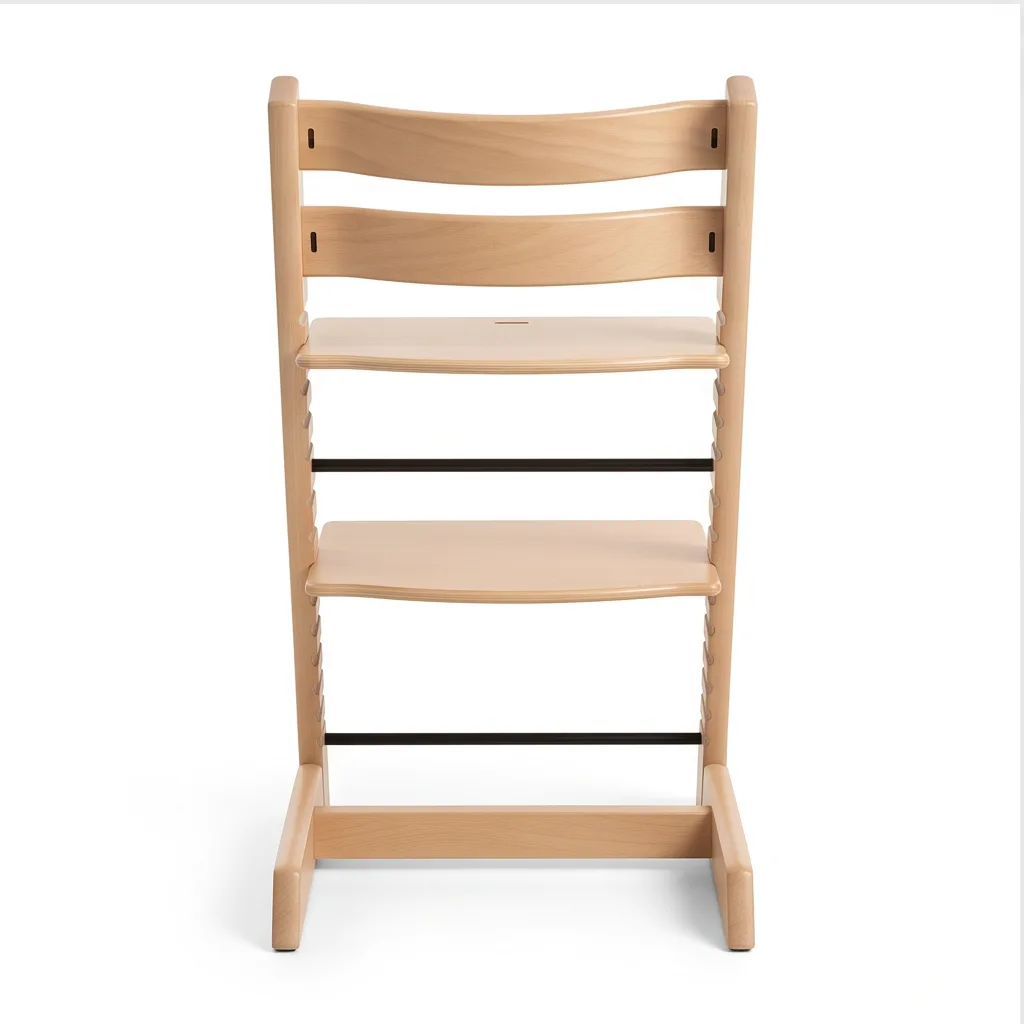
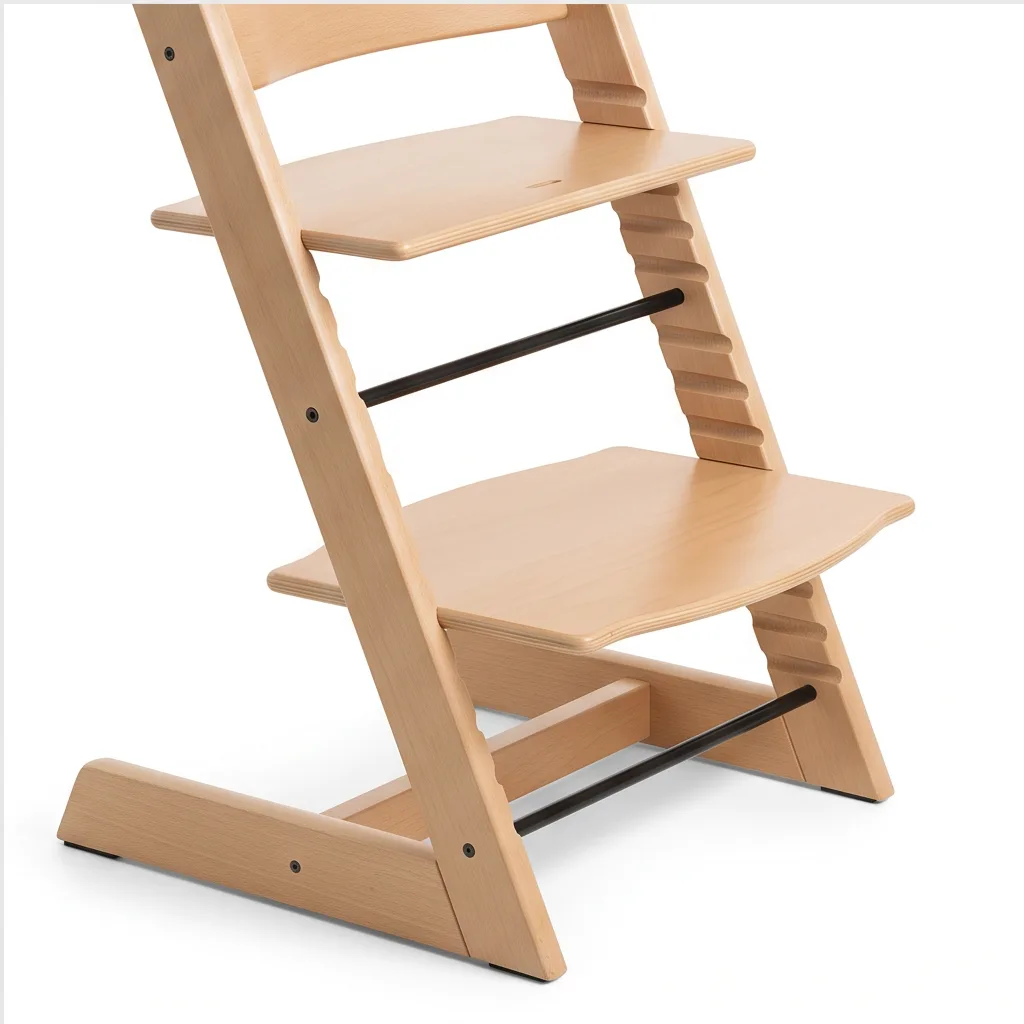
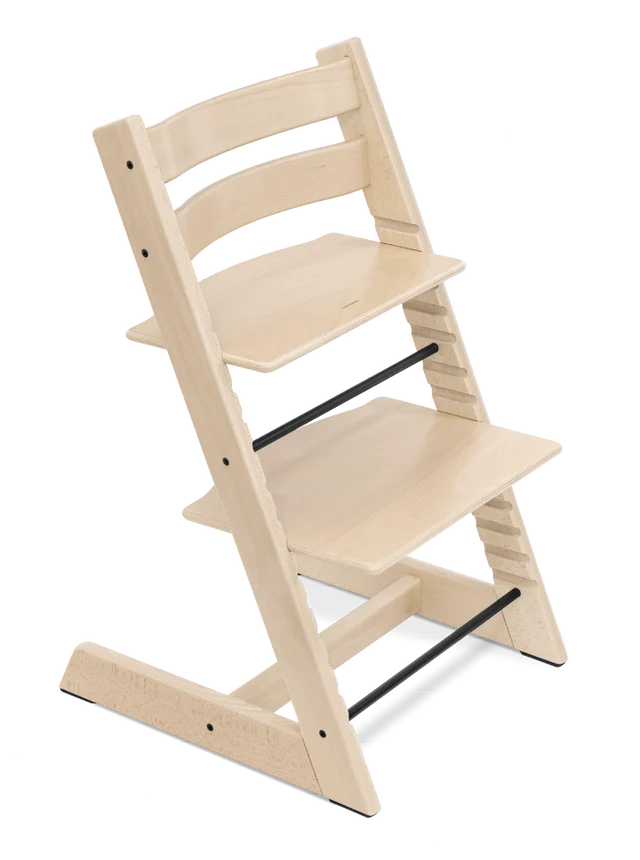
The Tripp Trapp is a child's chair in solid wood, built from two slanted side pieces that lean back from the floor like the stroke of a Z. Between them sit a curved backrest, fixed at the height of a dining table, and two flat plates, a seat and a footrest, which slide into grooves in the uprights at whatever height and depth the child needs. A long runner on each side forms an L-shaped base, so the chair cannot be tipped backwards by a child pushing off the table.
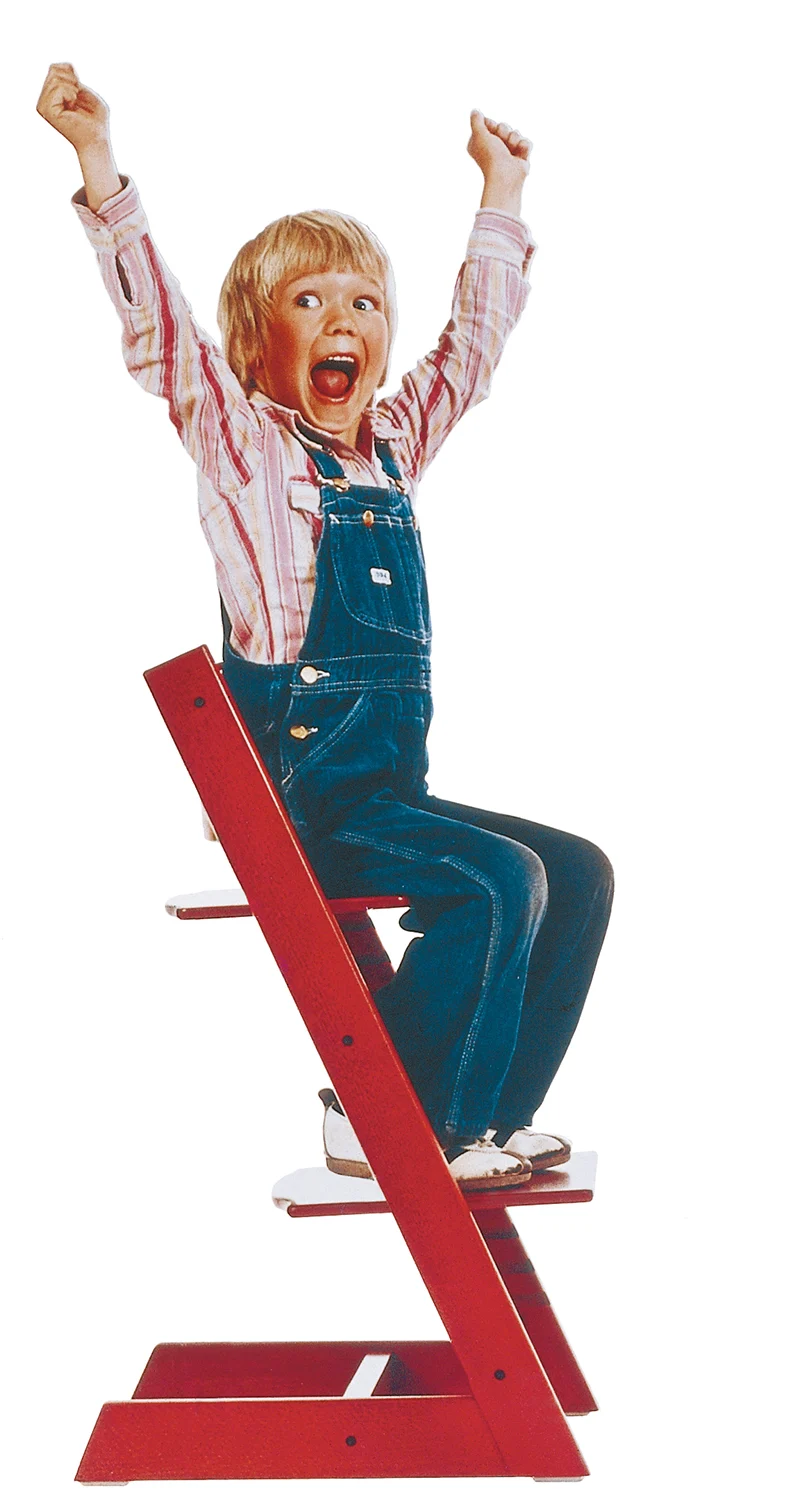
It was designed in 1972 by the Norwegian designer Peter Opsvik, whose son Tor, then two, had outgrown his high chair but was too small for an ordinary one. Opsvik's answer was a chair that would seat anyone from a toddler to an adult at the same table, with a broad, solid footrest at its heart, because, he argued, it is the feet that control how we sit. Stokke, a furniture firm from the west coast of Norway, launched it the same year.
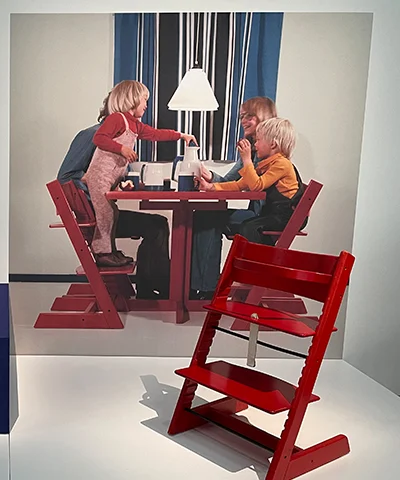
Sales were slow until Norwegian television featured the chair in 1974. It has since become the country's best-selling piece of furniture, with more than ten million sold by 2016, and has been copied hundreds of times; Stokke has fought many of those copies in court, and in 2014 the European Court of Justice ruled on its attempt to register the chair's shape as a trade mark.
The chair itself has not been redesigned. Its accessories have changed with safety standards, from a simple wooden rail for toddlers to a plastic Baby Set and, from 2010, a Newborn Set, but a chair handed down from the 1970s takes the same seat and footrest. The Centre Pompidou added one to its collection in 2024, the year Opsvik died, and Stokke still makes it in beech and oak.
Timeline
- 1972 First made · Verified Stokke Tripp Trapp enters production in Møre og Romsdal, Norway.
- 1972 Peter Opsvik's adjustable wooden chair, designed for his two-year-old son Tor, is launched by Stokke.
- 1974 Recognised After a slow start, a segment on Norwegian television sets off the demand that made it a best-seller.
- 2010 Designed The Newborn Set lets the chair take a baby from birth; the chair itself is unchanged.
- 2014 Recognised The European Court of Justice rules on Stokke's shape trade mark for the chair, recording that it has been sold since 1972.
Milestones as we found them, not as we've checked them.
From the archive
More like this
-
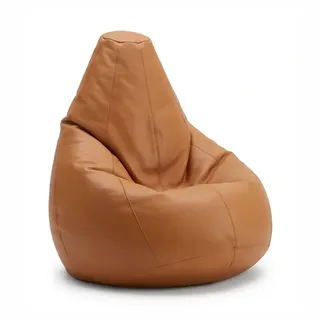 Chairs & Seating · since 1968 Zanotta Sacco The first bean bag, a leather sack of polystyrene beads that takes the shape of whoever sits in it, sold by Zanotta since 1968.
-
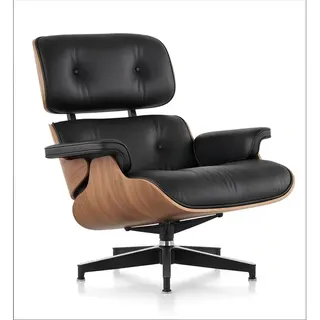 Chairs & Seating · since 1956 Eames Lounge Chair Charles and Ray Eames's club chair of moulded plywood and leather, made by Herman Miller since 1956.
-
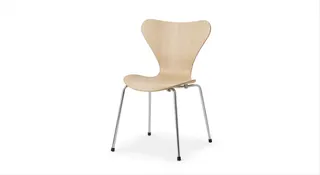 Chairs & Seating · since 1955 Fritz Hansen Series 7 Chair Arne Jacobsen's moulded-veneer stacking chair of 1955, still made only by Fritz Hansen.
-
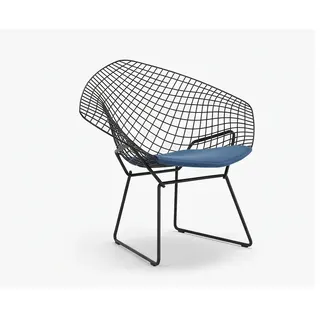 Chairs & Seating · since 1952 Bertoia Diamond Chair Harry Bertoia's chair of welded steel rod, introduced by Knoll in 1952 and mostly made of air.