Kitchen & Dining · Dining & Drinks · Coffee & Tea
Volturno (Fábrica Argentina de Cafeteras)
Volturno Coffee Maker
Since 1951 · 75 years to 2026 · First made in Caseros, Argentina
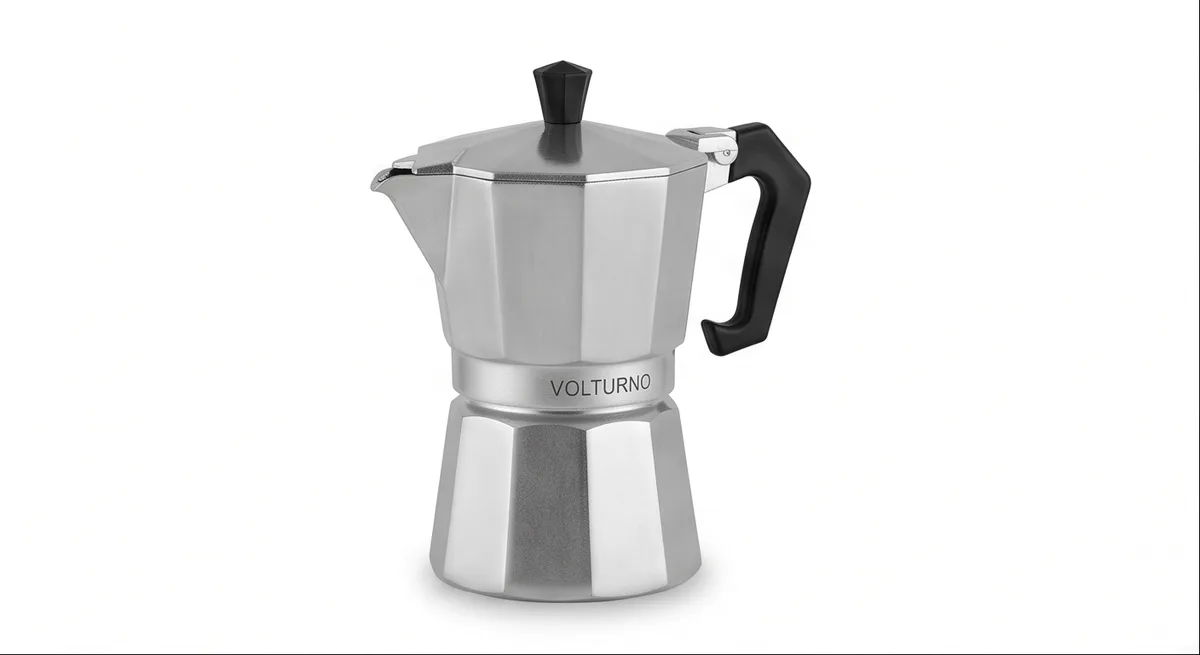
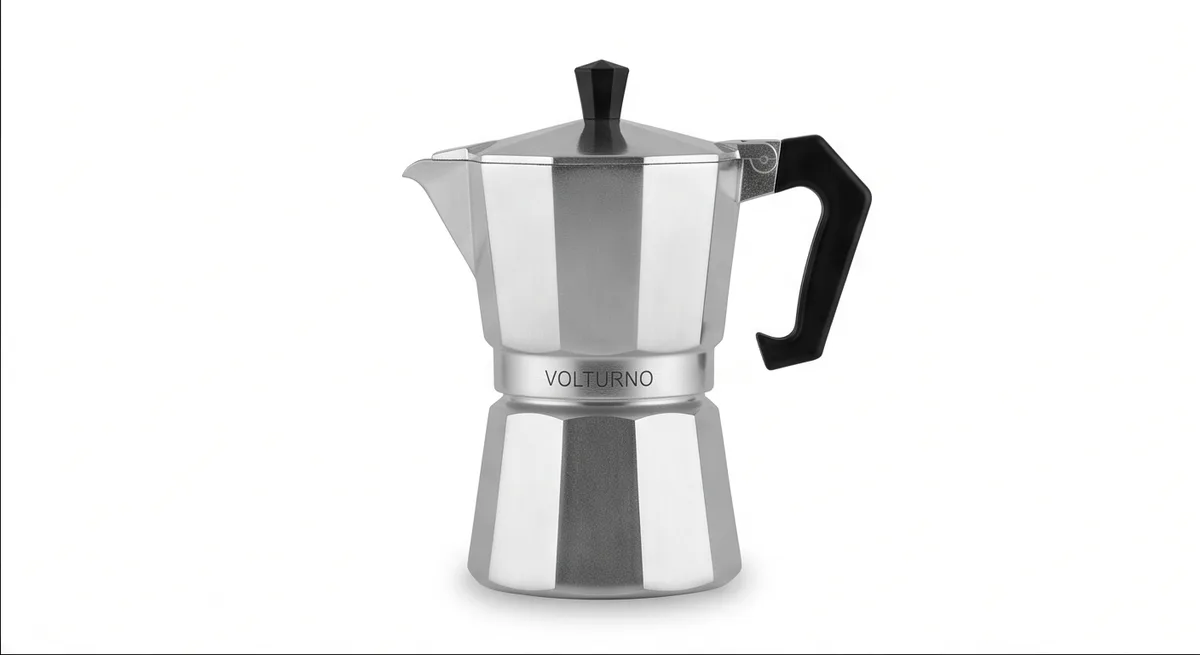
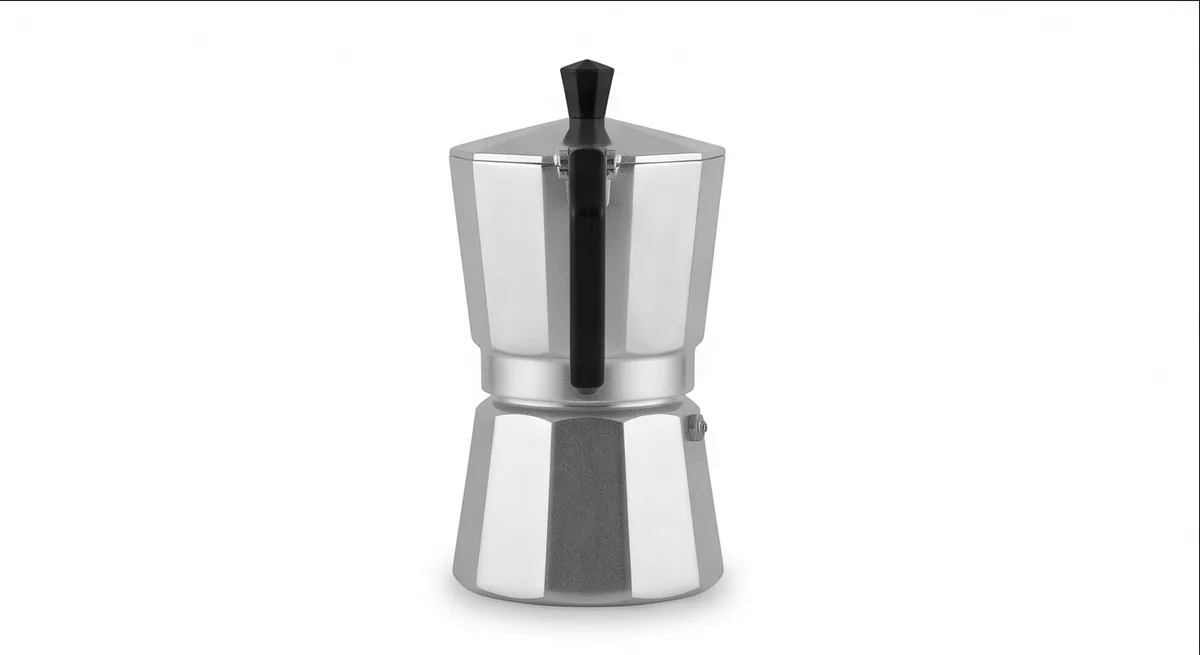
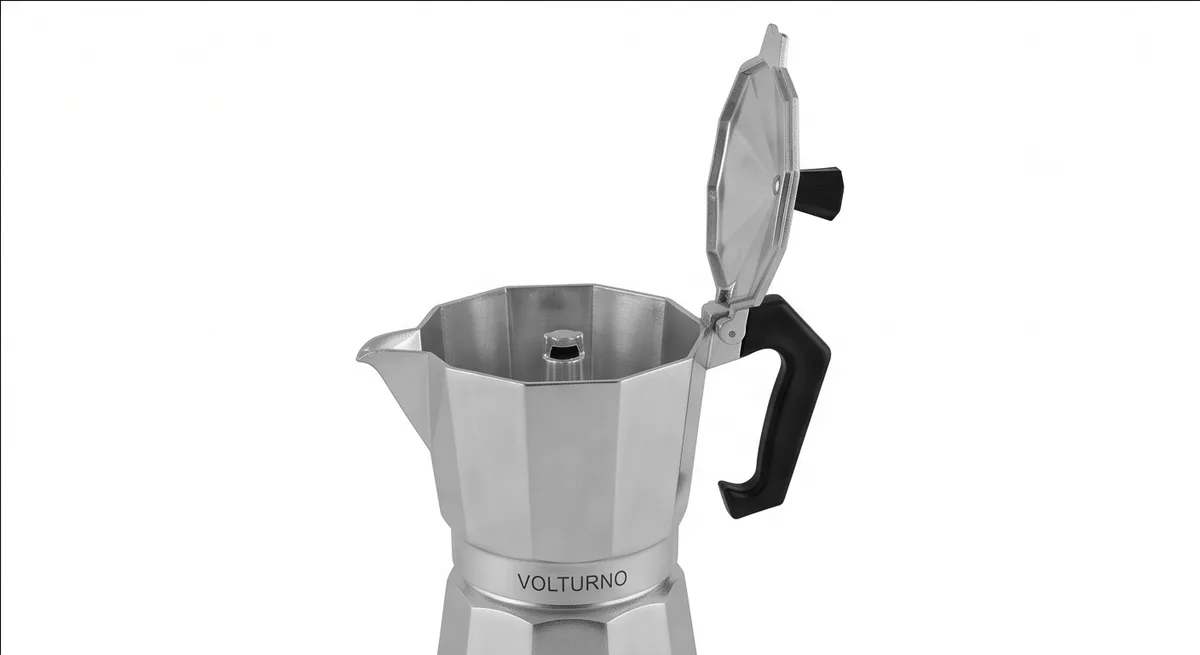
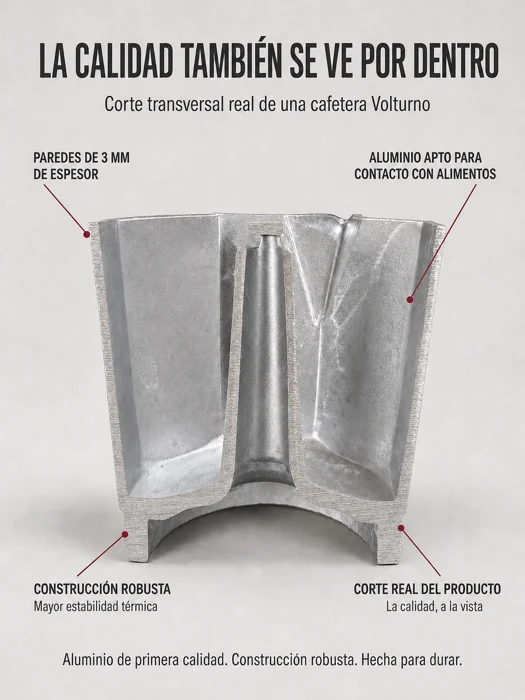
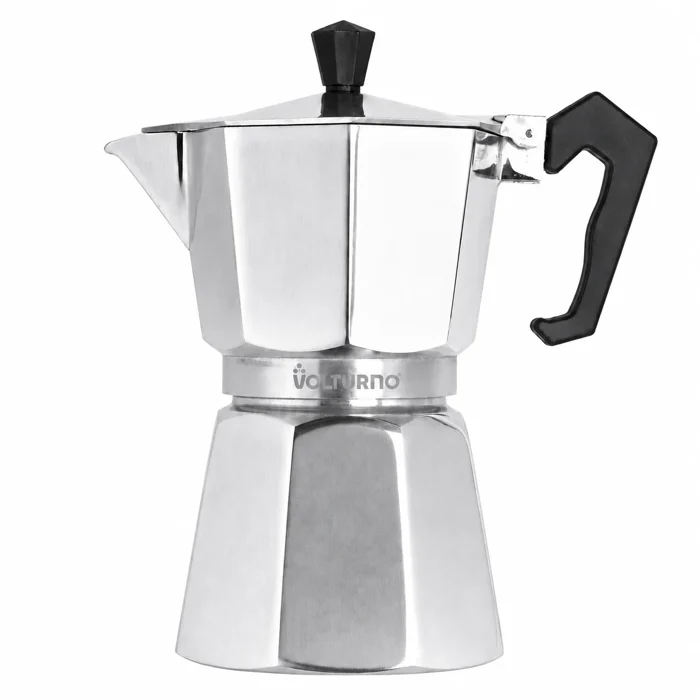
The Volturno is a stovetop coffee pot of cast aluminium with eight polished facets. A narrow-waisted lower boiler, fitted with a safety valve, screws to an upper collector with a pointed pouring lip and a hinged lid, and a black handle and faceted black knob keep the fingers off the hot metal. The name is stamped on a plain band at the waist beneath three small dots. It is made in four sizes, from three cups to twelve.
It is an Italian idea made in Argentina. The moka pot was Bialetti's, patented in 1933, and the Volturno is openly modelled on it, but it has been cast, turned and finished in Caseros, on the western edge of Buenos Aires, since 1951, by the owners' account. The founders were an Italian immigrant who brought the idea and Antonio Onoda, the son of a Japanese father and a Spanish mother, who had bought his first lathe at seventeen. The name came from a ship one of the founders was due to sail on and missed.
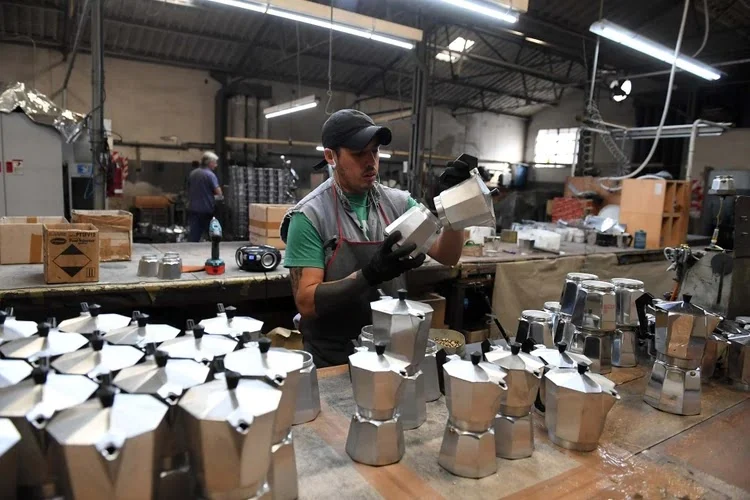
The pot sold first to the Italian families of the district and then across the country, until 'una Volturno' became the ordinary Argentine word for any stovetop coffee maker. In the 1970s the firm employed more than forty people. Cheap imports in the 1990s cut it back to a handful, and the Onoda family bought out the other partners rather than cheapen the pot.
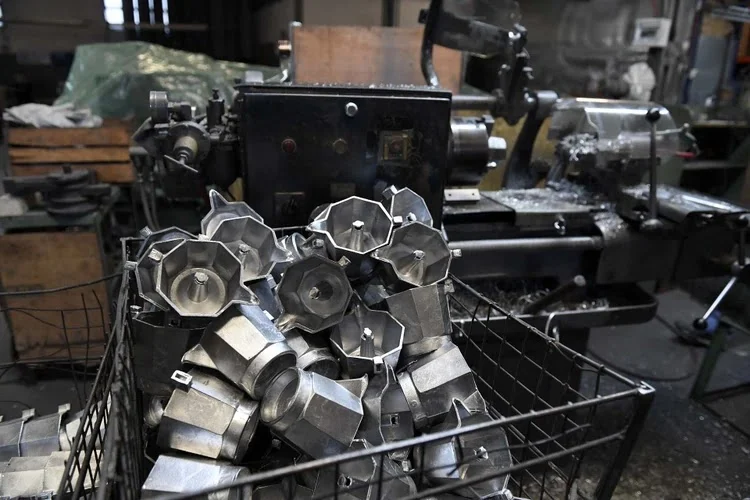
The making has hardly changed. Ingots are melted in a furnace lit before six in the morning, the castings turned to cut the thread between the two chambers, the faces polished, oiled and washed, and the valve fitted; each pot takes about twenty minutes. Customers still bring in pots thirty or fifty years old for a new handle or funnel, and spares are kept for them. The pot that comes out is the one their grandparents used.
Timeline
- 1951 First made · Claimed Volturno Coffee Maker enters production in Caseros, Argentina.
- 1951 Production begins in a back-yard workshop in Caseros, Buenos Aires Province, with two employees (owners' account).
- 1967 The partners register the business as Fábrica Argentina de Cafeteras SRL.
- 1974 Production The firm has two premises and 43 employees (owners' account to Infobae).
- 2019 Production Twelve staff make about 2,000 pots a month in four sizes, still casting, turning and polishing every part in Caseros.
Milestones as we found them, not as we've checked them.
From the archive
More like this
-
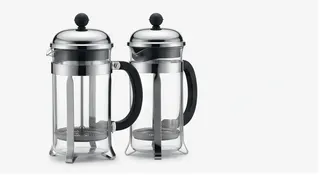 Coffee & Tea · since 1958 Bodum Chambord French Press The original French press, refined without interruption since 1958. Read the entry →
 -
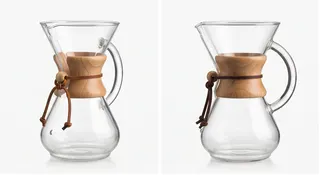 Coffee & Tea · since 1941 Chemex Coffeemaker Laboratory-inspired glass coffeemaker, patented 1941, still hand-assembled. Read the entry →
 -
 Coffee & Tea · since 1961 La Pavoni Europiccola Direct-lever espresso machine in continuous production since 1961. Read the entry →
 -
 Coffee & Tea · since 1936 Melitta Cone Filter Cone-shaped paper filter, refined in 1936, continuously produced. Read the entry →