Health & Grooming · Remedies · Balms & Ointments
Amrutanjan
Amrutanjan Pain Balm
Since 1893 · 133 years to 2026 · First made in Maharashtra, India
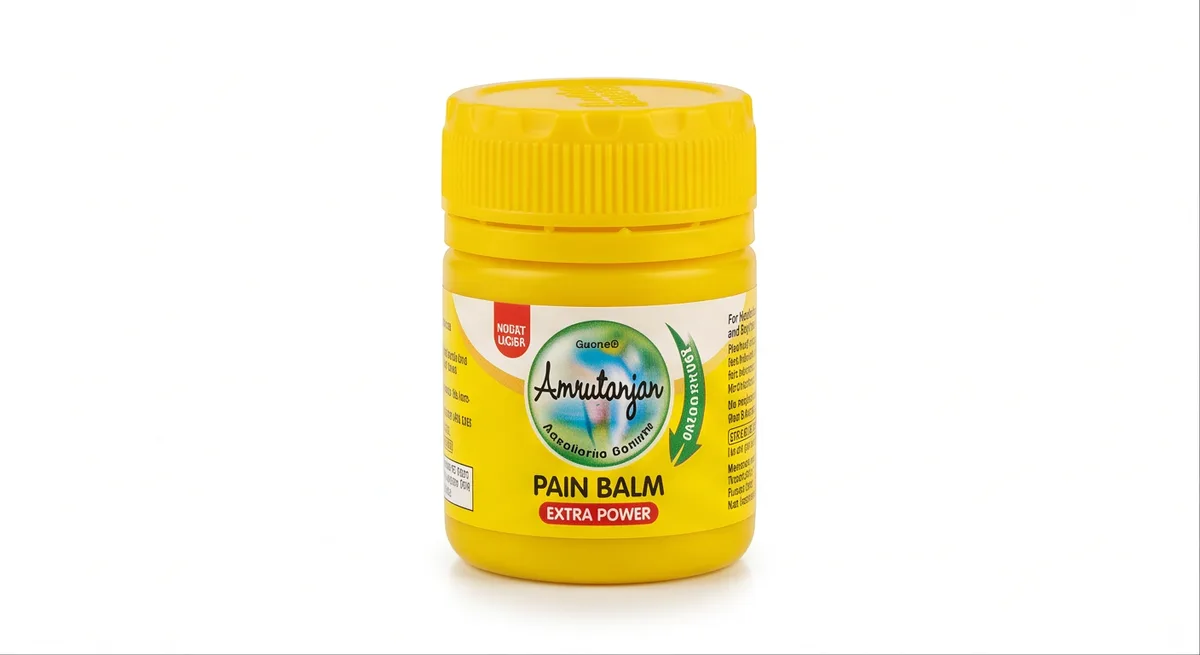
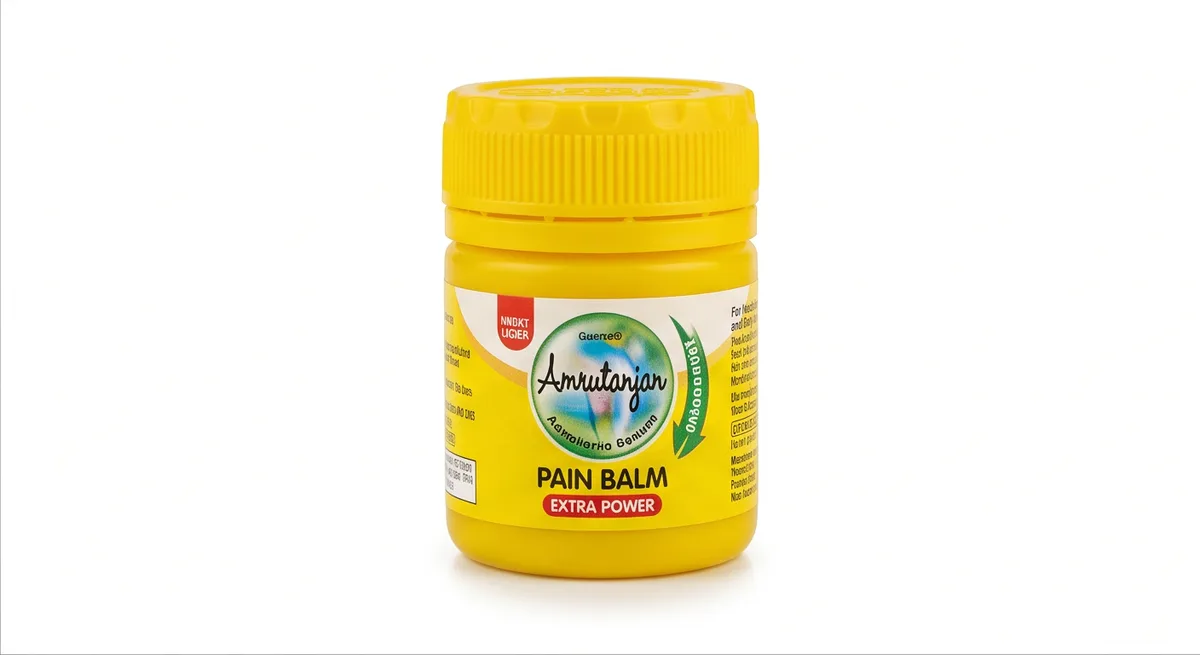
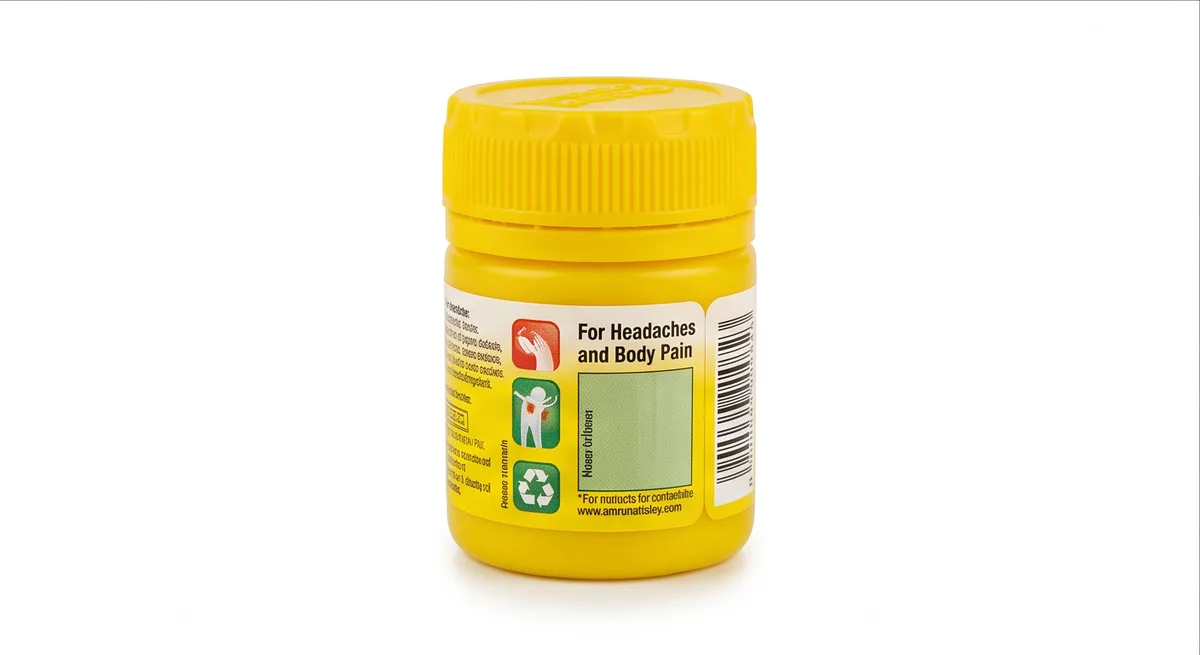
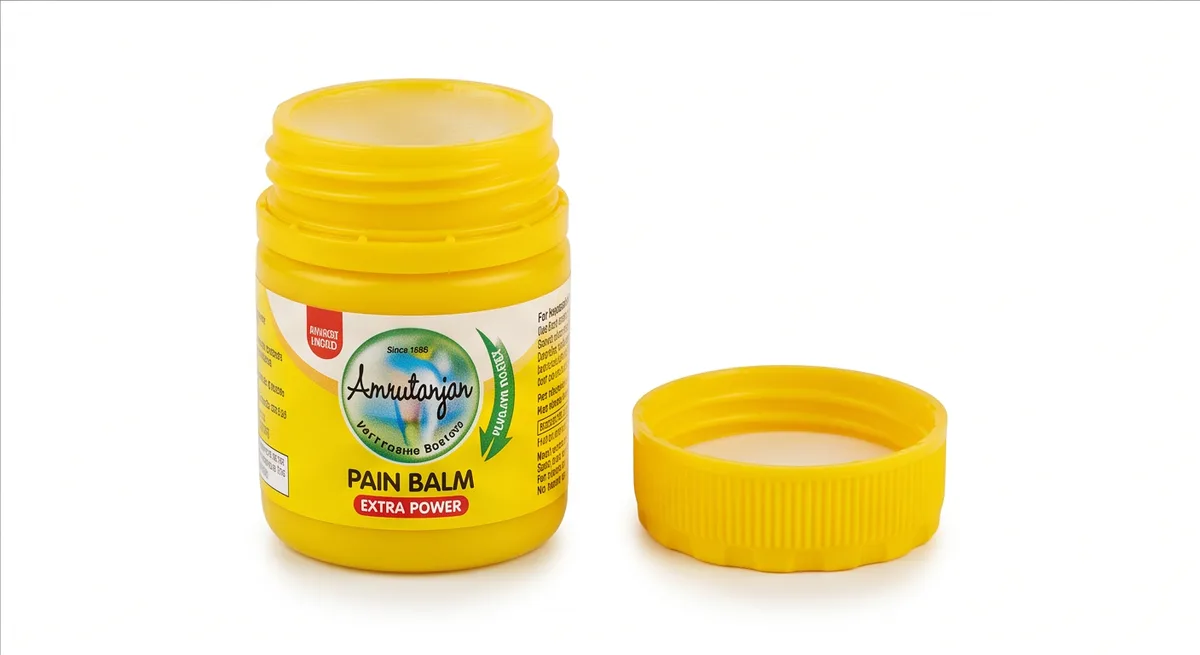
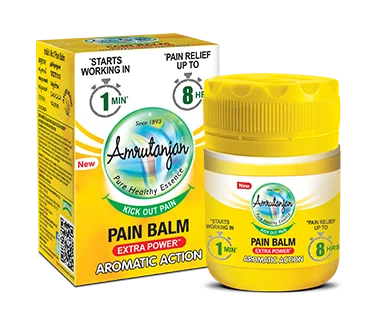
Amrutanjan Pain Balm is a yellow ointment sold in a small squat jar with a yellow screw lid; in the 1980s it came in yellow glass. It is pungent, smelling of camphor, mint and wintergreen, and is meant to be rubbed into the forehead for a headache or onto the throat and chest for a cold. The maker lists ten active ingredients, all plant oils and extracts, in a perfumed base coloured yellow.
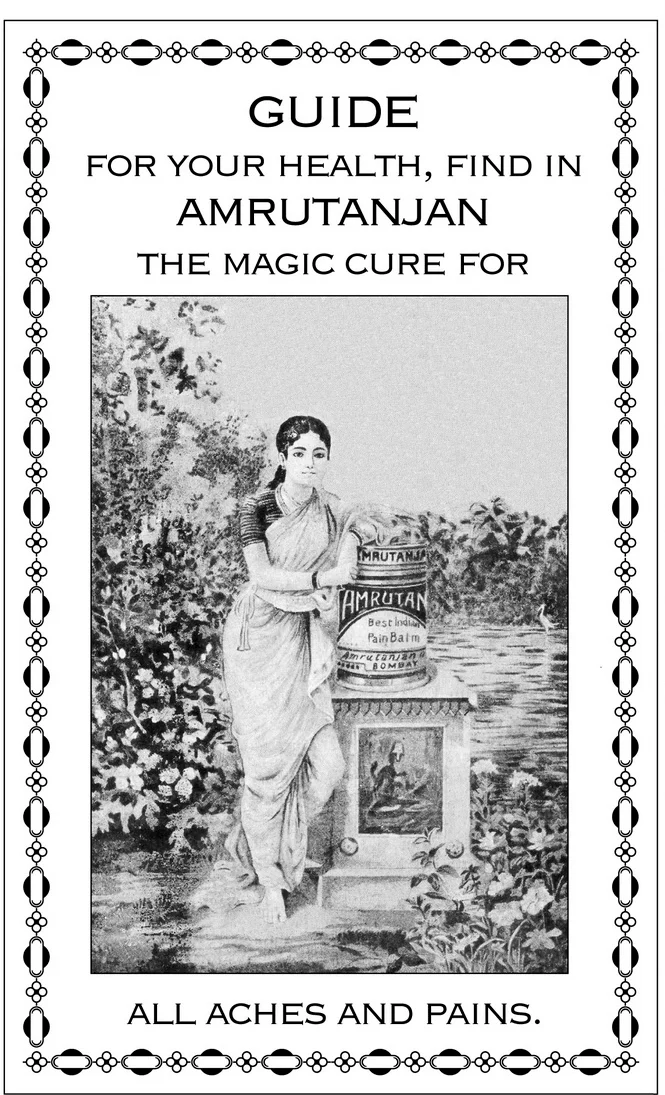
Its inventor, Kasinadhuni Nageswara Rao, was a Telugu graduate of Madras Christian College who had learned to compound medicines in Calcutta before moving to Bombay. In 1893 he began making his balm there, and is said to have handed it out free at music concerts until it caught on. It sold for ten annas. By 1914 a survey of southern Indian commerce called it famous, a remedy for all the aches and pains to which mortal flesh is heir.
The balm paid for much else. Rao founded the Telugu newspaper Andhra Patrika in Bombay in 1909, moved it and the business to Madras, financed Congress work, joined the salt satyagraha and was jailed for it, and led the movement for a separate Andhra state. He died in 1938, a millionaire, and is commemorated by an Indian postage stamp. The company he founded became Amrutanjan Limited in 1936 and Amrutanjan Healthcare in 2007, still led by his family.
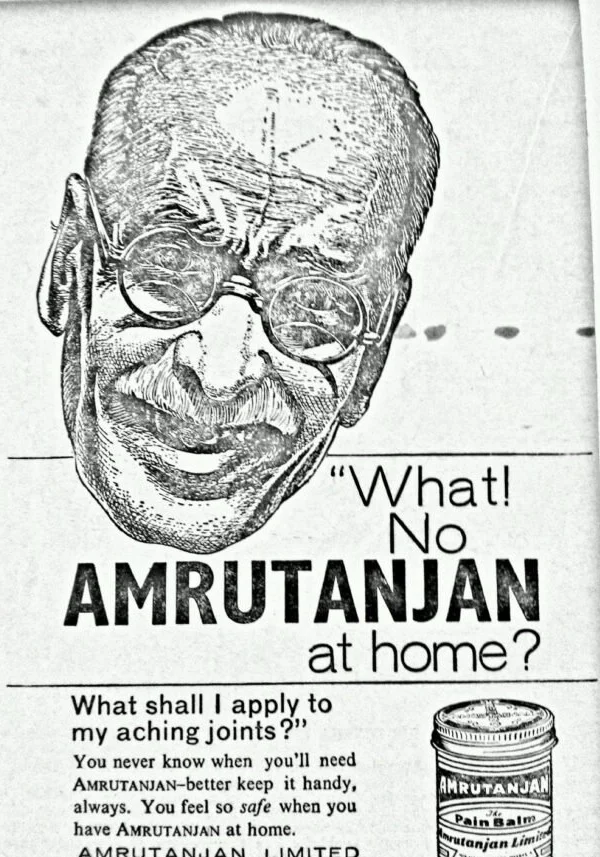
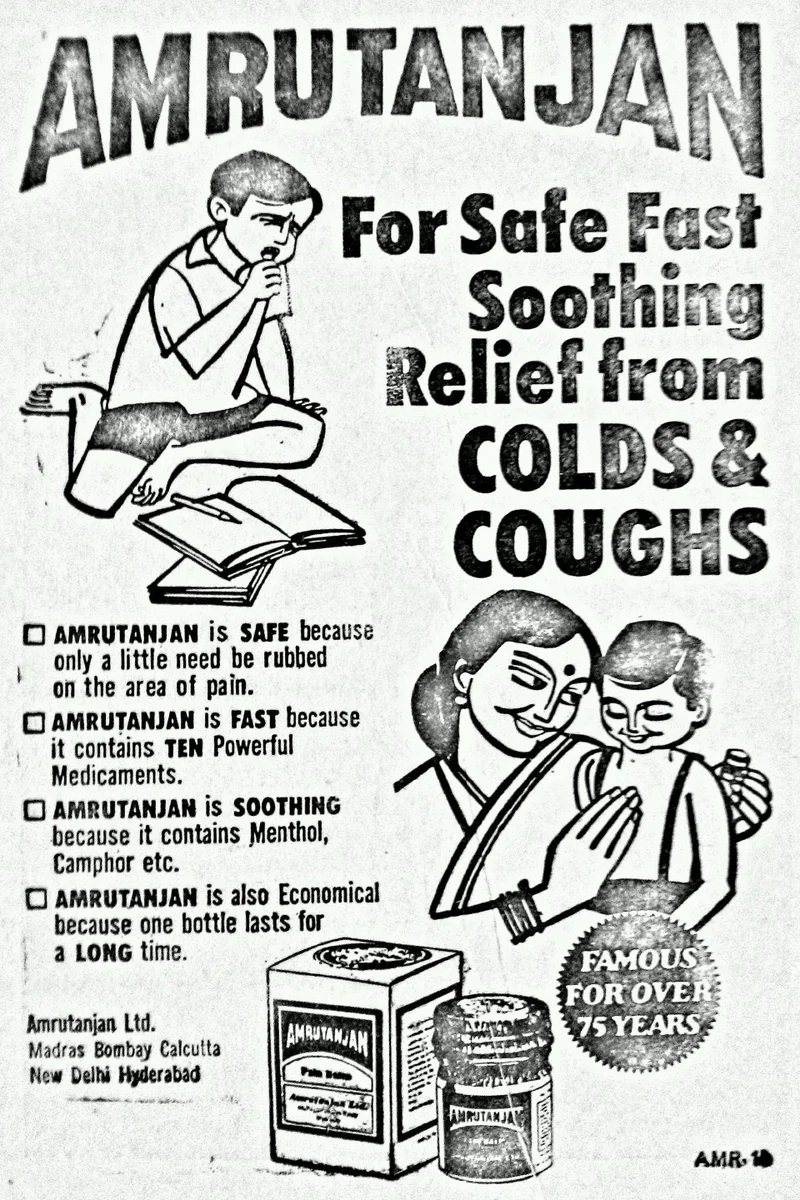
Advertisements across the twentieth century show the same proposition: a jar labelled 'The Pain Balm', relief from colds and aching joints, and, by the time the balm was famous for over seventy-five years, ten powerful medicaments including menthol and camphor. The current jar says Extra Power and carries a modern logo with 'Since 1893' beneath it, but the yellow balm inside, ten ingredients strong, is still the one Amrutanjan is known by.
Timeline
- 1893 First made · Claimed Amrutanjan Pain Balm enters production in Maharashtra, India.
- 1893 Kasinadhuni Nageswara Rao begins making his yellow pain balm in Bombay, giving it away at concerts to make it known.
- 1914 Recognised Playne's Southern India describes the balm as famous and sold throughout India; the business moves its headquarters to Madras.
- 1936 Ownership The Amrutanjan Depot becomes a public company, Amrutanjan Limited.
- 2007 Ownership The company is renamed Amrutanjan Healthcare Limited.
Milestones as we found them, not as we've checked them.
From the archive
More like this
-
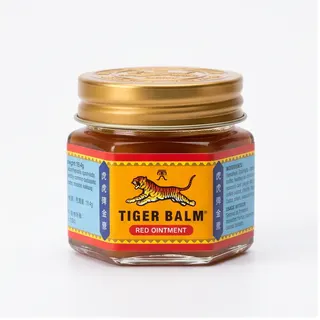 Balms & Ointments · since 1918 Tiger Balm A Rangoon herbalist's ointment, renamed for the elder of his two sons, and still sold in a small hexagonal jar. Read the entry →
 -
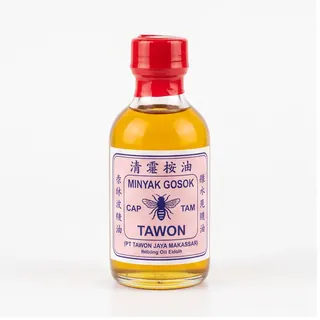 Balms & Ointments · since 1925 Minyak Tawon A Makassar rubbing oil under the bee, made by one family since the 1920s. Read the entry →
 -
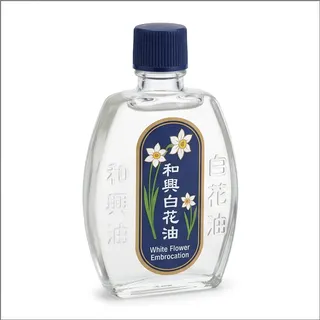 Balms & Ointments · since 1927 Hoe Hin White Flower Embrocation A Penang rub of 1927, named for a narcissus and made in Hong Kong since 1950. Read the entry →
 -
 Balms & Ointments · since 1928 Axe Brand Universal Oil A Singapore cure-all of 1928, sold under the sign of a swinging axe. Read the entry →