Vaseline (Unilever)
Vaseline Original Petroleum Jelly
Since 1872 · 154 years to 2026 · First made in New York
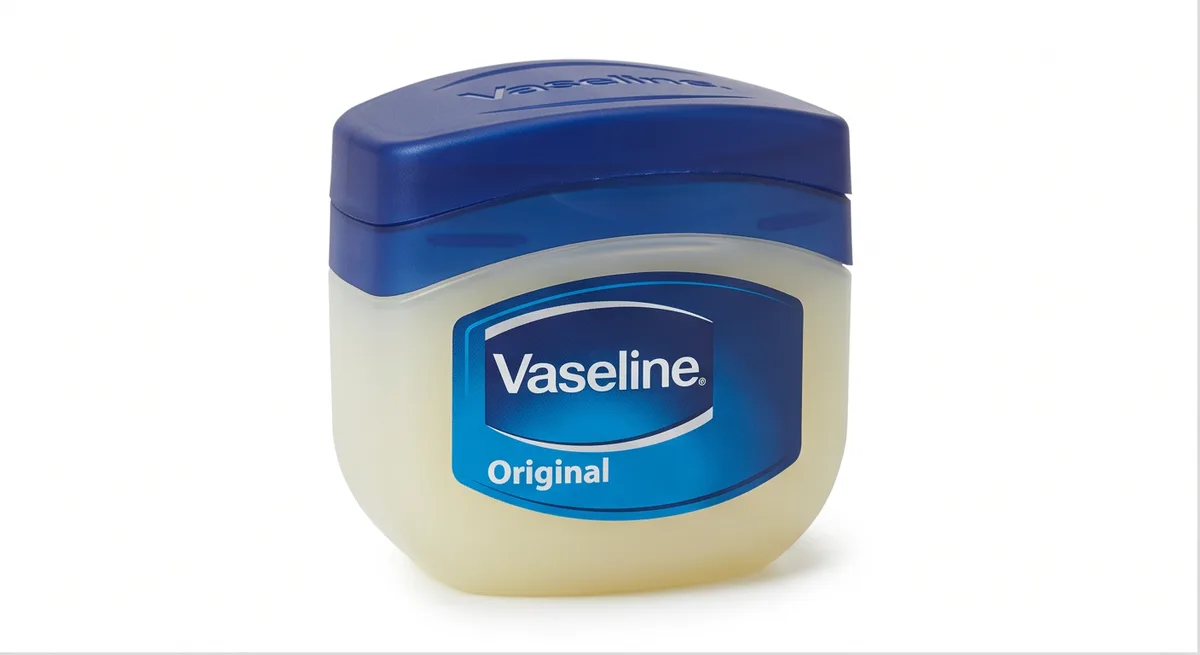
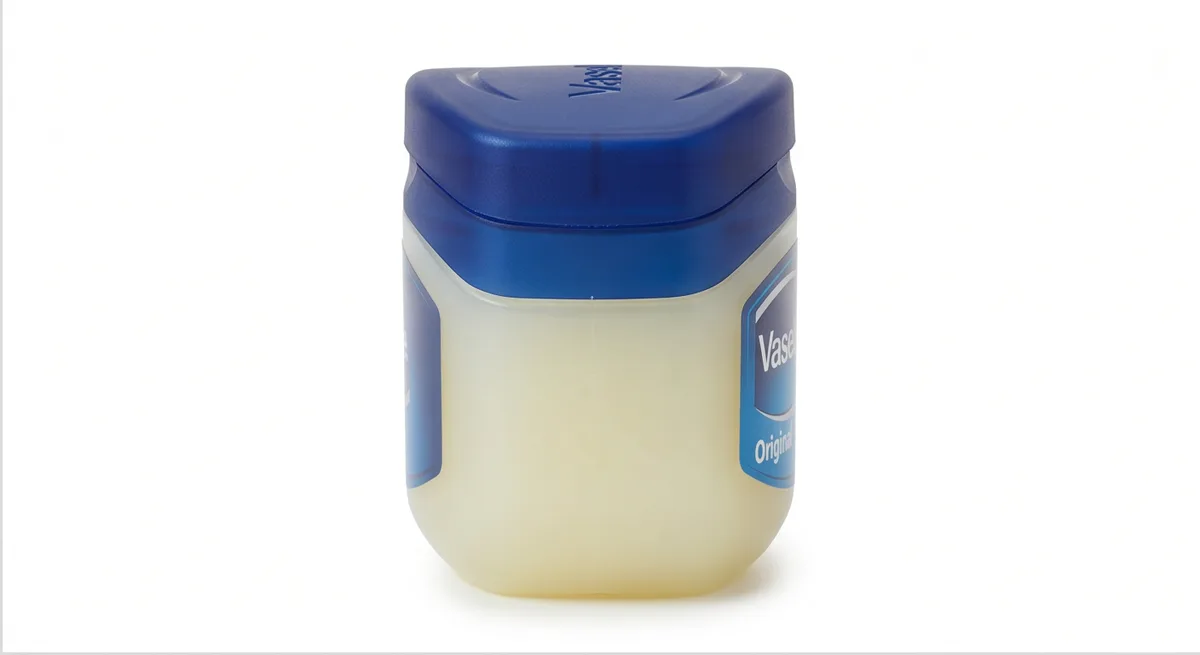
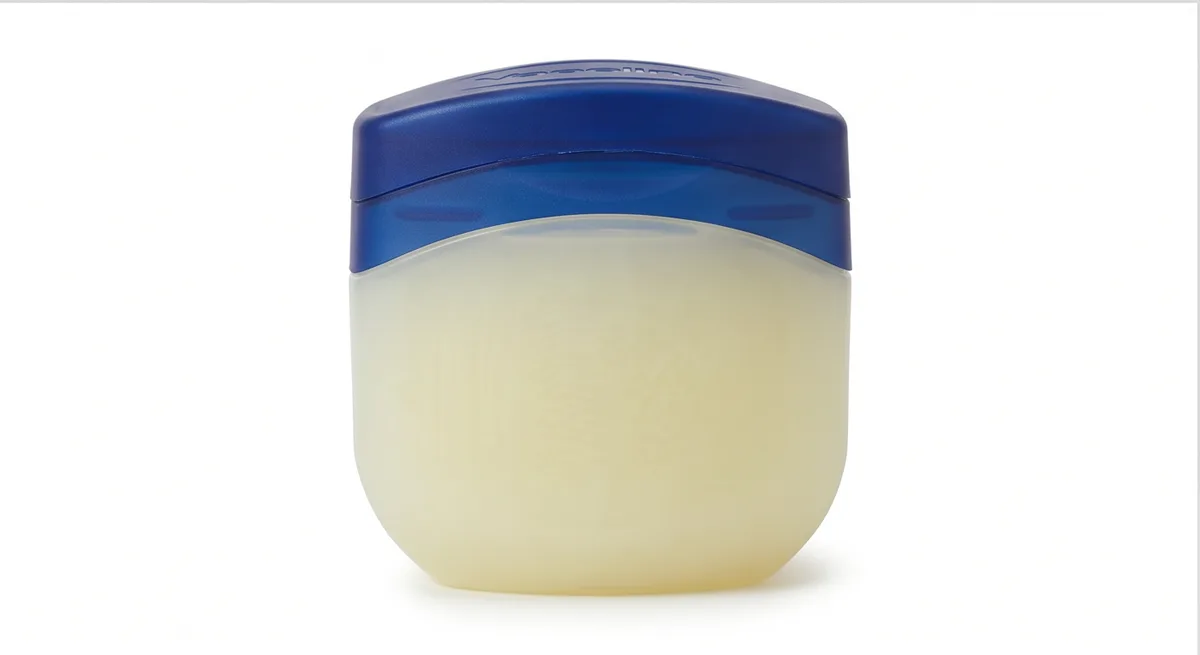
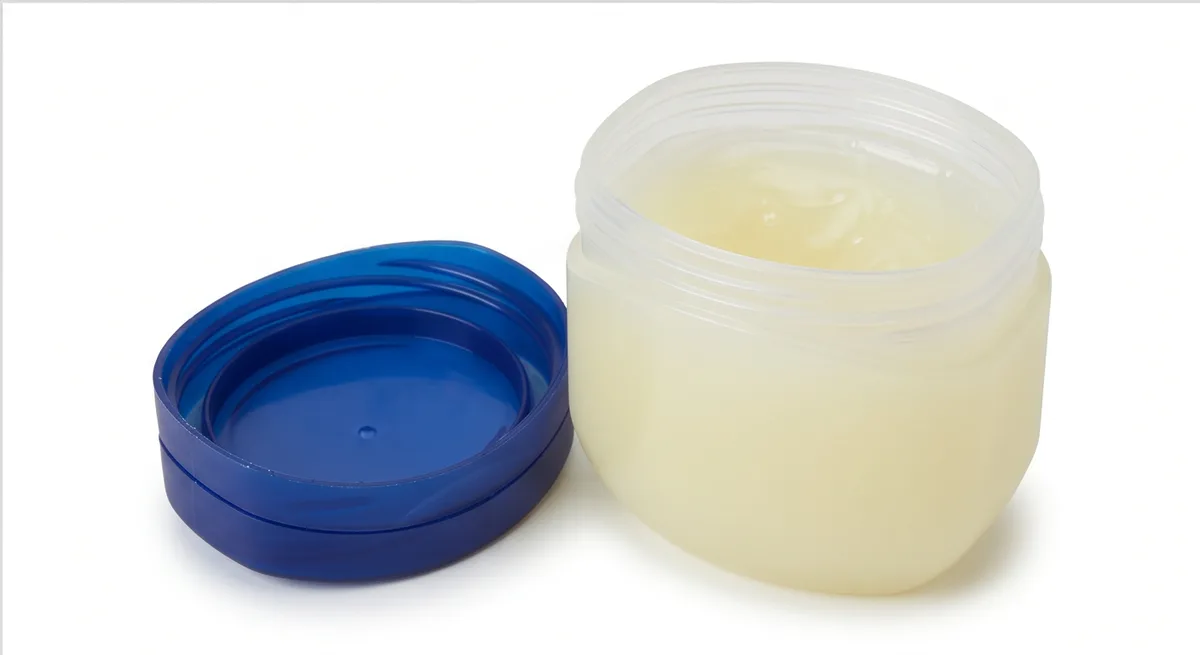
Vaseline Original Petroleum Jelly is a translucent, pale jelly in a squat plastic tub with a dark blue lid and a blue label. It has no smell and almost no colour, holds its shape in the tub, and melts to a clear oil on warm skin. It contains one ingredient, petrolatum, and is sold as a protective ointment for dry skin, chapped lips, minor cuts and burns.
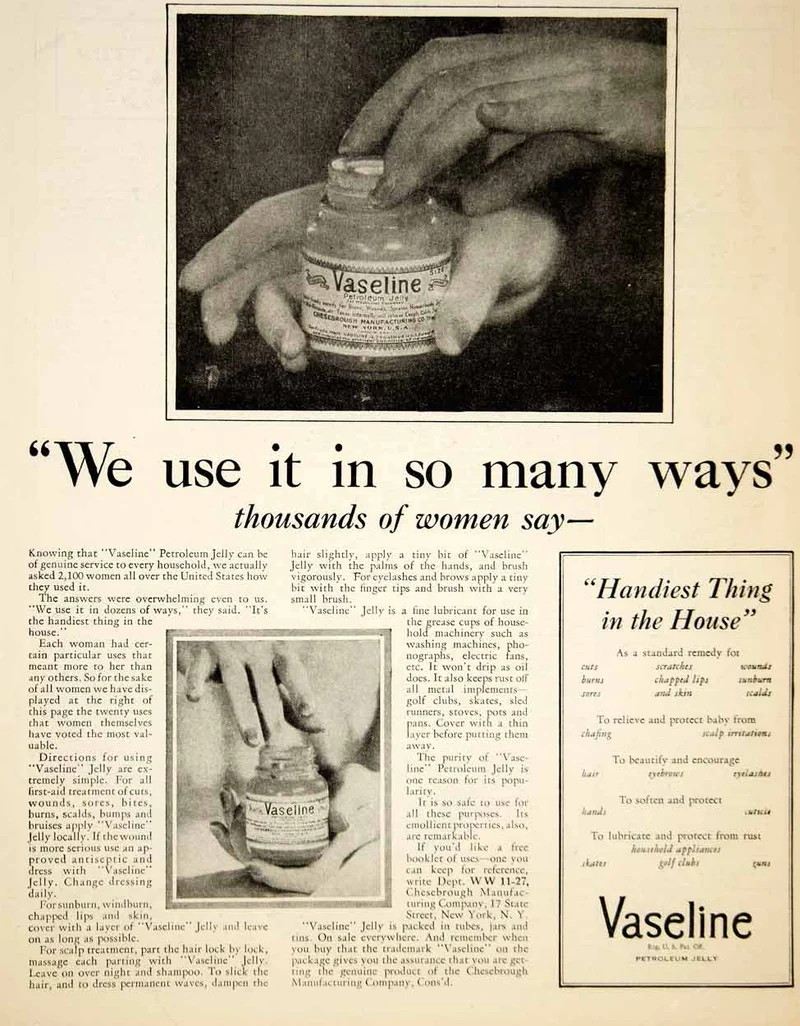
Its origin is an oil field. In 1859 Robert Chesebrough, a young Brooklyn chemist whose business in whale-oil lamp fuel was being ruined by petroleum, travelled to Titusville, Pennsylvania, where America's first oil wells had just been drilled. The drillers cursed a waxy residue that clogged their pumps but rubbed it on their cuts and burns. Chesebrough took some home and learned to refine it into a clean, pale jelly.
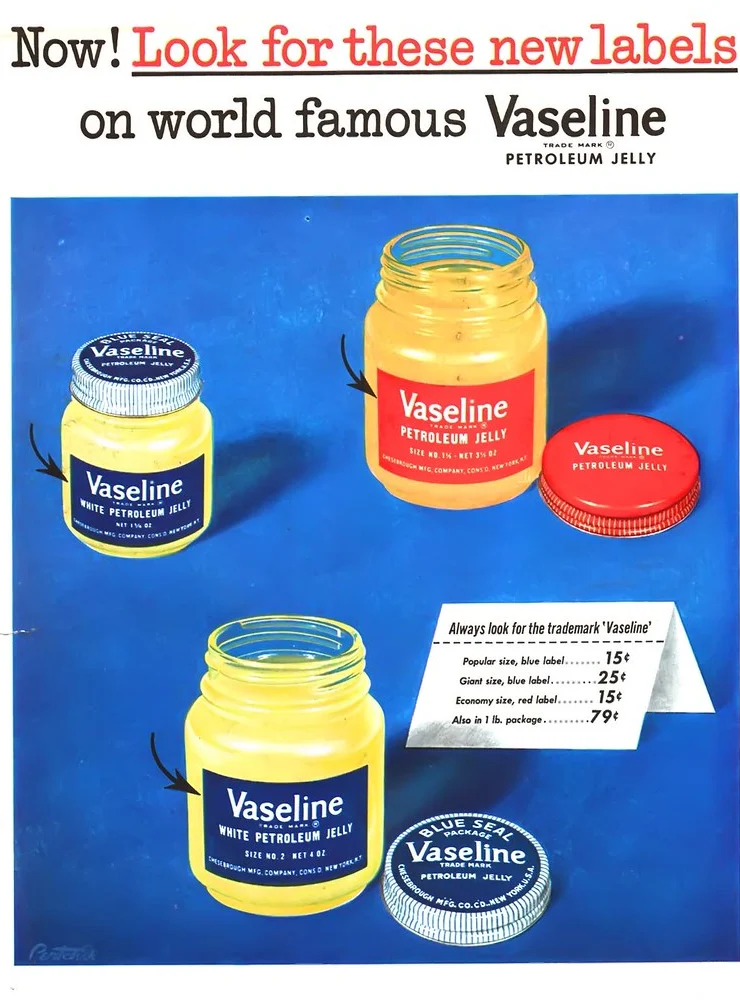
In 1872 he patented 'a new and useful Product from Petroleum, which I have named Vaseline', made by filtering the residue of the oil still through bone charcoal. The patent offered it for leather, machinery and the hair; the public took it as a remedy. Chesebrough sold it by demonstration, burning his own skin with acid or flame before an audience and dressing the wound with the jelly. By 1874, it is recorded, shops were selling more than 1,400 jars a day. He lived to 96, and claimed to eat a spoonful daily.
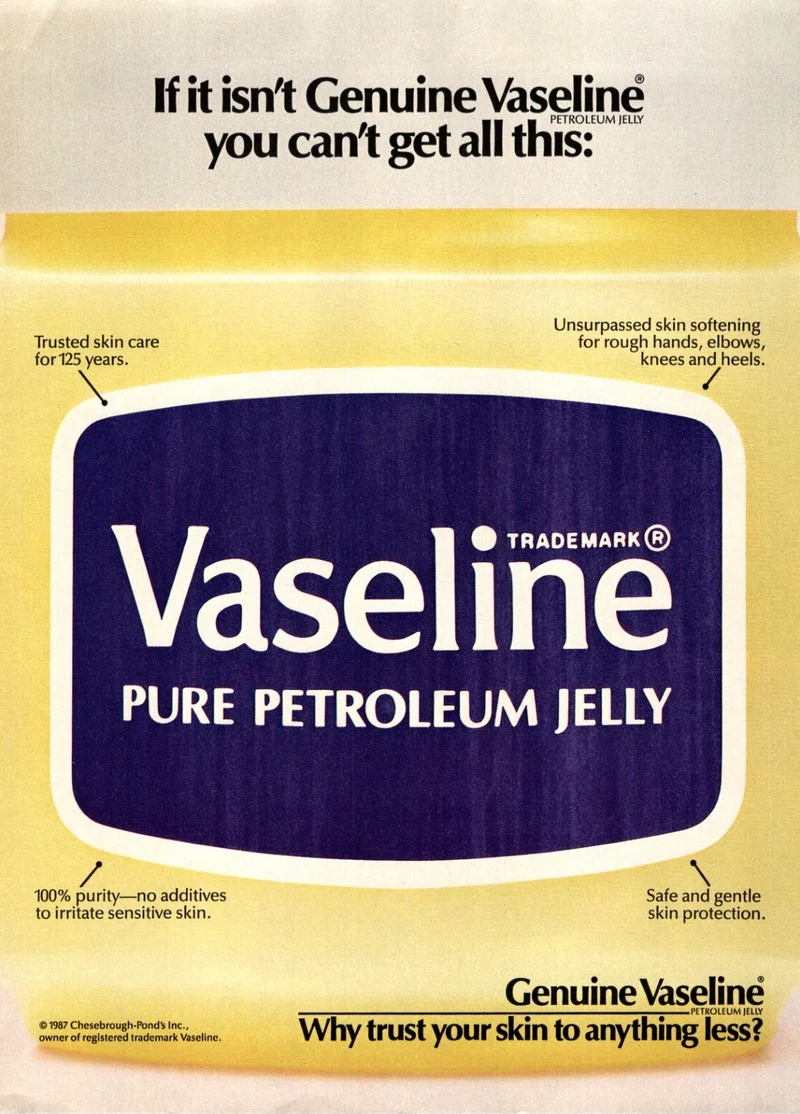
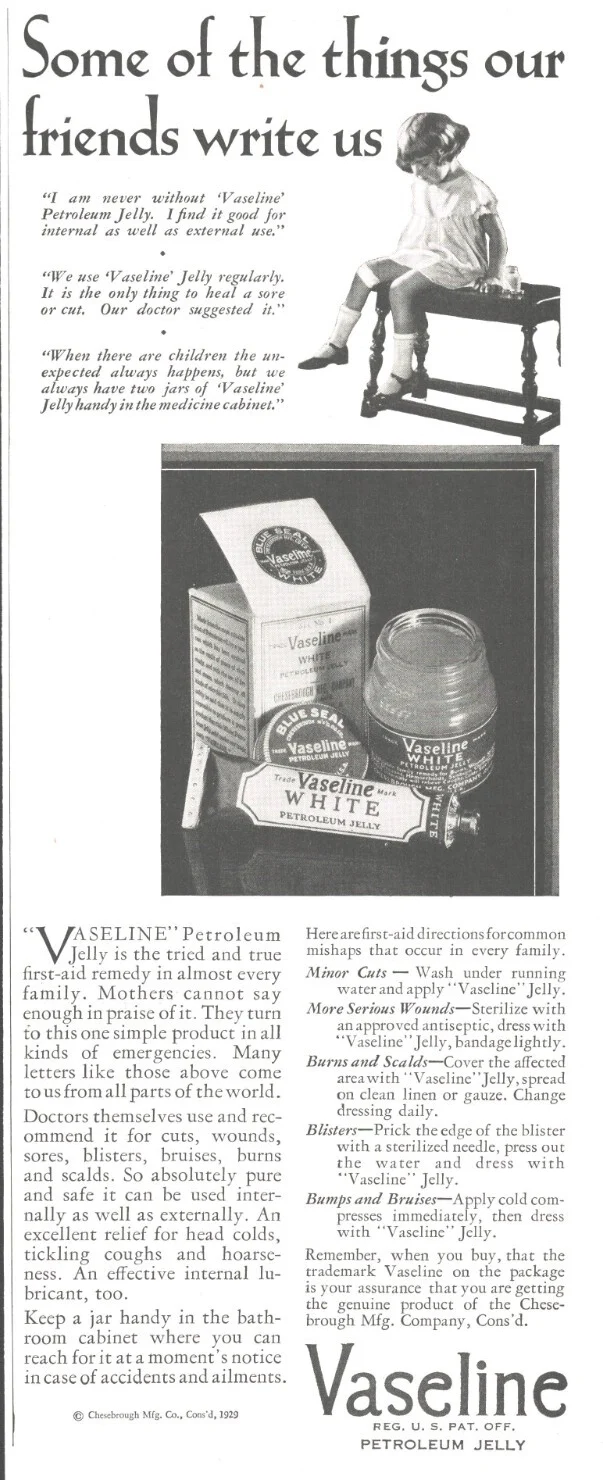
The company he founded merged with Pond's in 1955 and passed to Unilever in 1987. The glass jar with its Blue Seal lid became a plastic tub, and the jelly is now described as triple-purified, but the substance is the one the patent describes. The name proved so successful that in many languages 'vaseline' simply means petroleum jelly, which is why the maker's advertisements have long insisted on the genuine article.
Timeline
- 1859 Designed Robert Chesebrough visits the oil fields at Titusville, Pennsylvania, and takes samples of 'rod wax', the residue drillers used on cuts and burns, back to Brooklyn.
- 1872 First made · Verified Vaseline Original Petroleum Jelly enters production in New York.
- 1955 Ownership The Chesebrough Manufacturing Company merges with Pond's to form Chesebrough-Pond's.
- 1987 Ownership Unilever buys Chesebrough-Pond's, and Vaseline becomes a Unilever brand.
Milestones as we found them, not as we've checked them.
From the archive
More like this
-
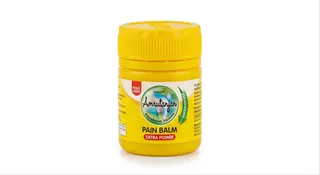 Balms & Ointments · since 1893 Amrutanjan Pain Balm A journalist's yellow balm for headaches, made since 1893 and still rubbed on Indian foreheads.
-
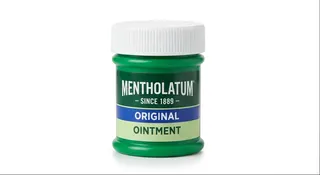 Balms & Ointments · since 1894 Mentholatum Ointment A Kansas kitchen experiment of 1894, rubbed on chests for colds ever since.
-
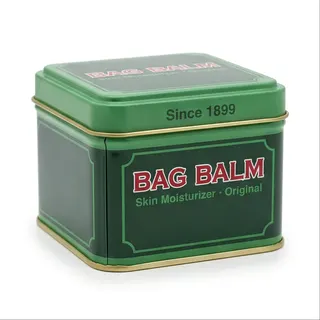 Balms & Ointments · since 1899 Bag Balm A Vermont udder salve of 1899, still filled into square green tins in Lyndonville.
-
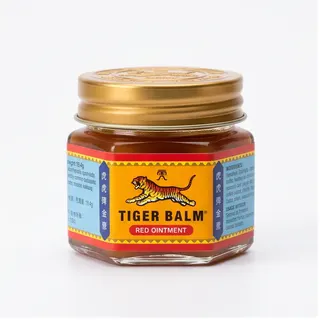 Balms & Ointments · since 1918 Tiger Balm A Rangoon herbalist's ointment, renamed for the elder of his two sons, and still sold in a small hexagonal jar.