Kitchen & Dining · Cooking & Baking · Kitchen Utensils
Fiskars
Fiskars Scissors
Since 1967 · 59 years to 2026 · First made in Uusimaa, Finland
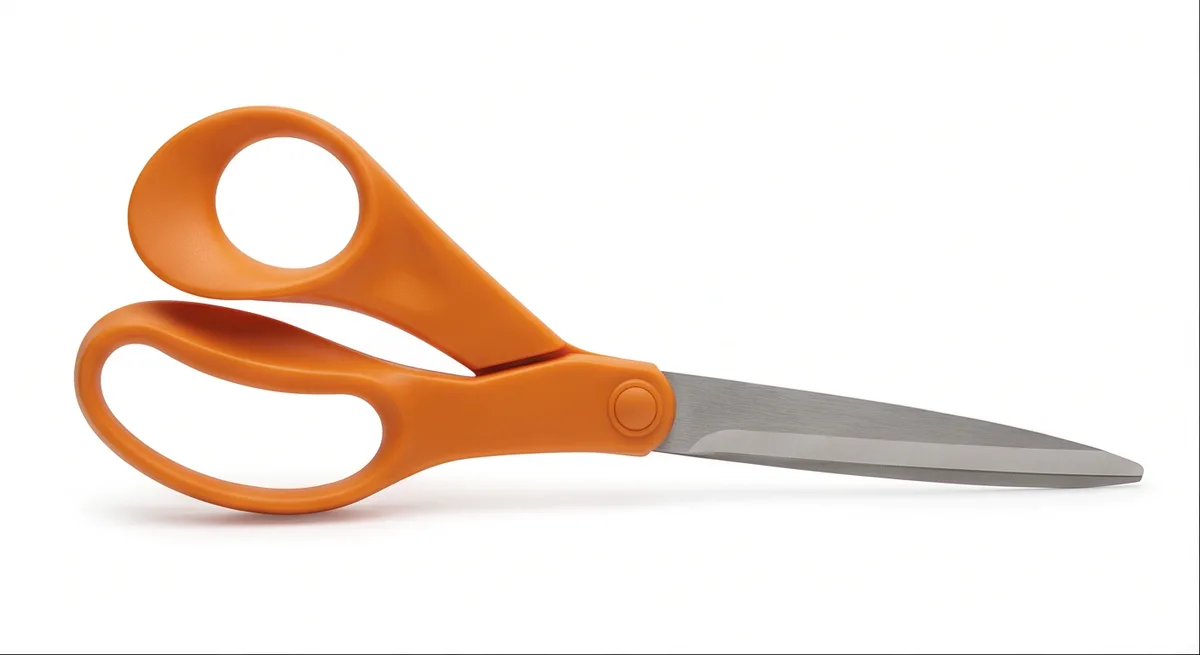
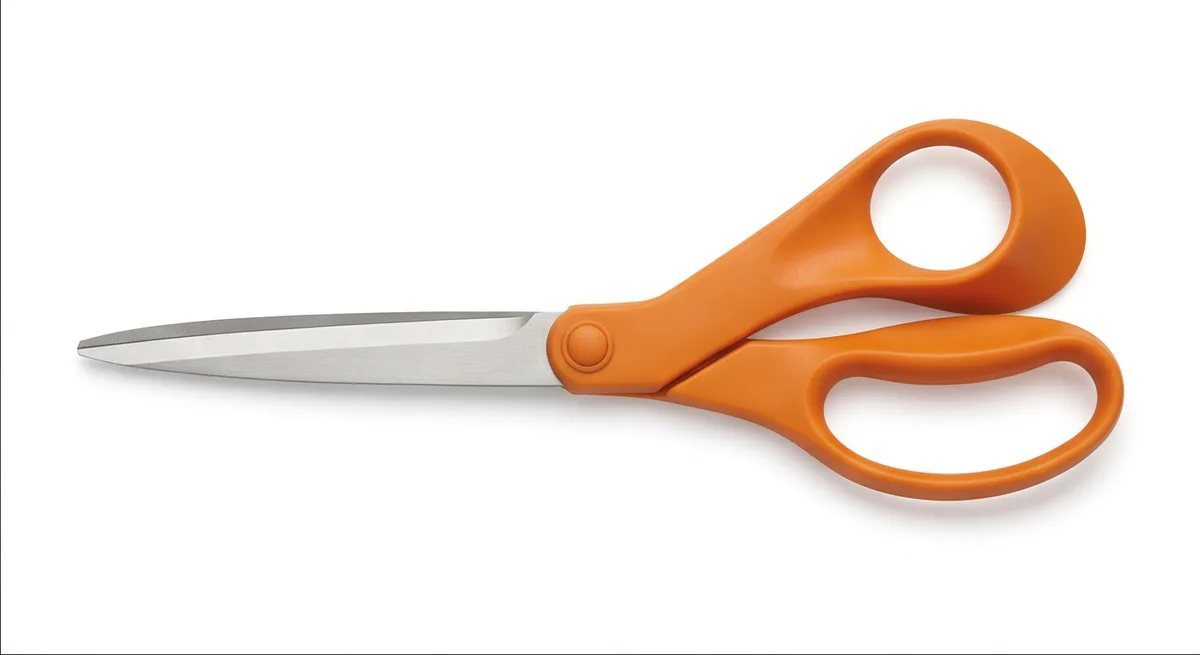
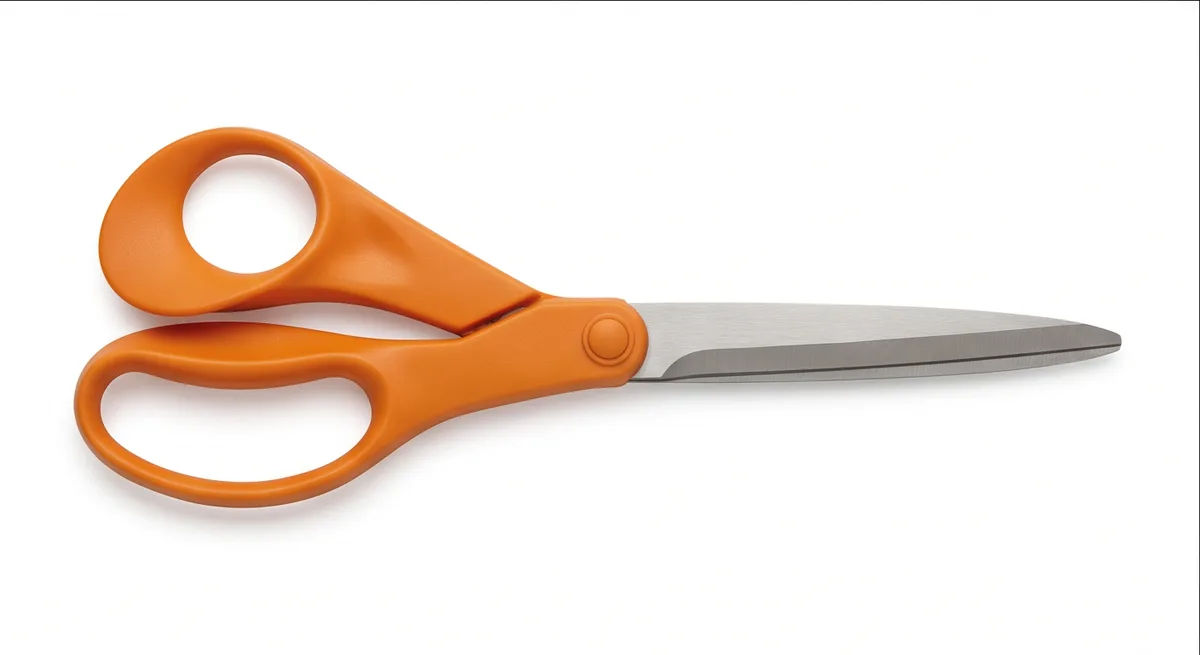
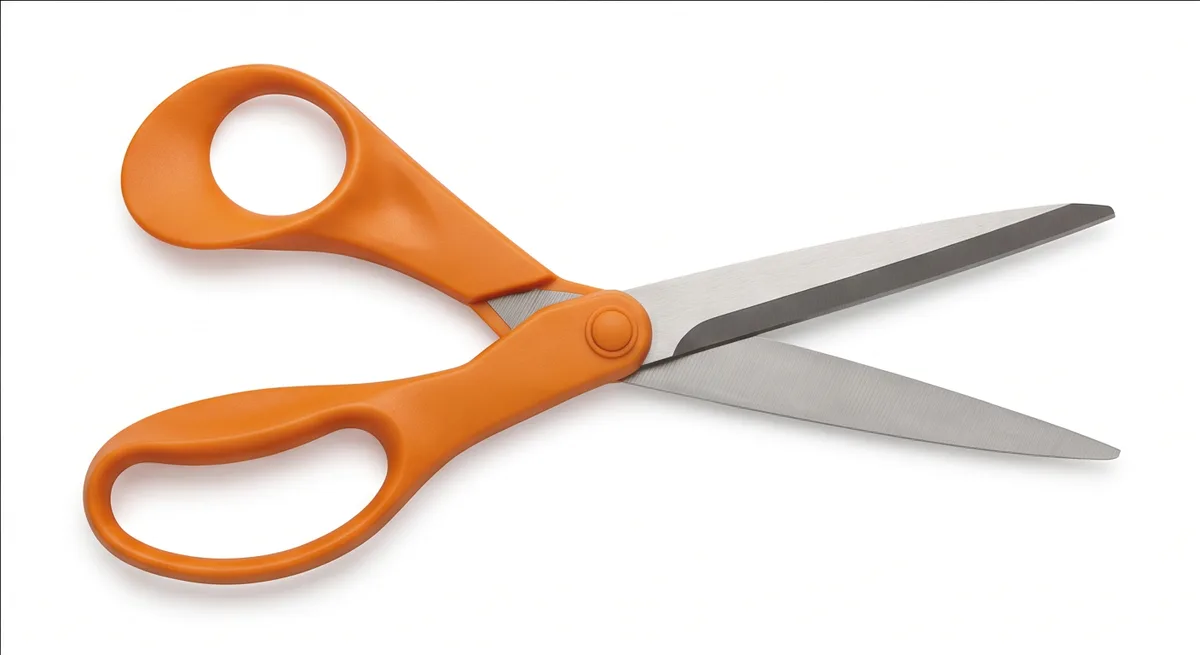
In 1967, Fiskars introduced the world's first scissors with plastic handles, fundamentally changing how scissors were made and used. Before this innovation, scissors were predominantly heavy, forged from iron, and expensive. Designer Olof Bäckström's approach substituted stamped steel blades with plastic handles, a seemingly modest change that democratized access to quality cutting tools. The characteristic orange color emerged from practical economy: leftover plastic from an orange citrus juicer was repurposed for a trial batch, and staff preference secured it as the permanent choice. This accidental palette became so iconic that Fiskars registered "Fiskars Orange" as a trademark in Finland in 2003.
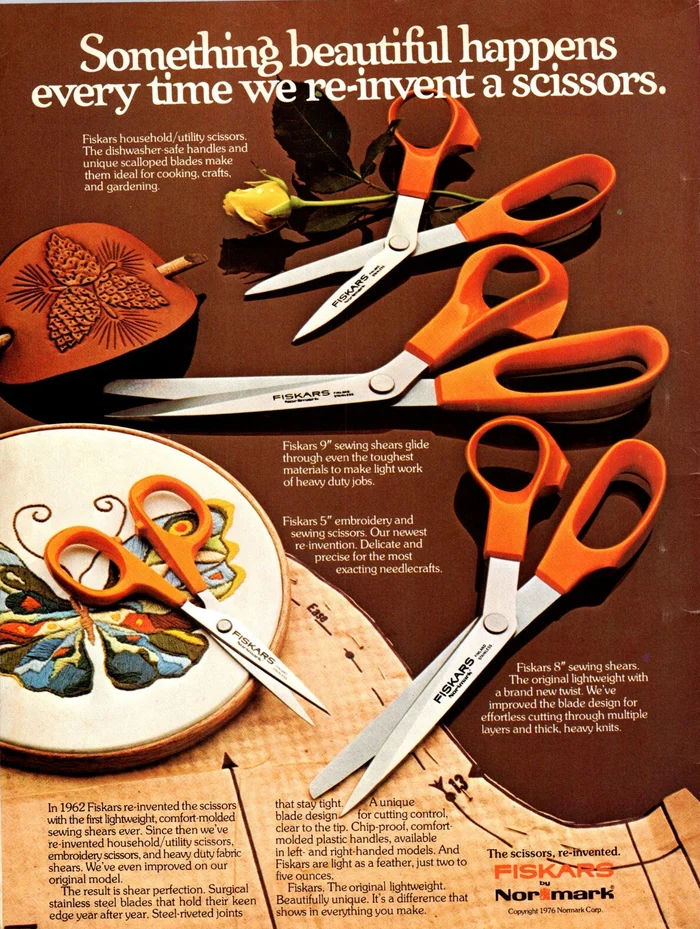
The scissors' success rested on ergonomic principle rather than novelty alone. The handle design distributes pressure evenly across the hand, reducing fatigue during extended use. The blade geometry—refined through decades of incremental adjustment—cuts cleanly along the entire length. Stainless steel blades receive six separate grindings; the screw fastening allows easy disassembly for cleaning. These specifications transformed scissors from a specialized tool into an everyday object accessible to households, offices, schools, and craft practitioners.
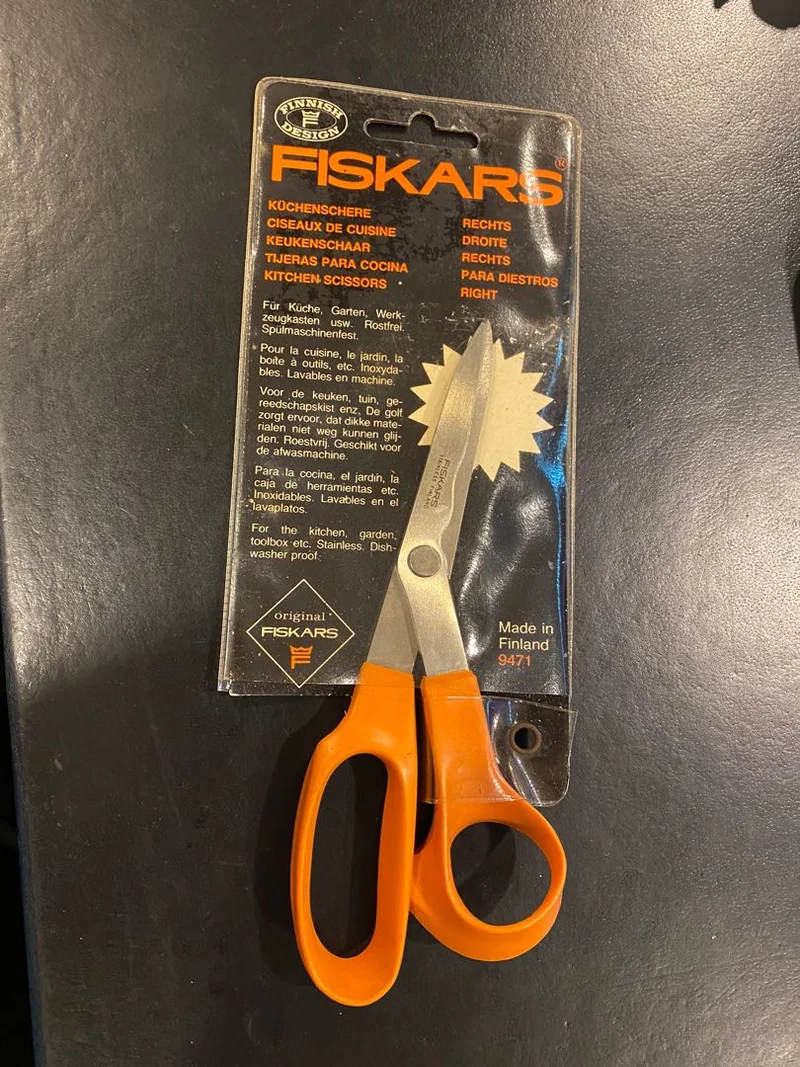
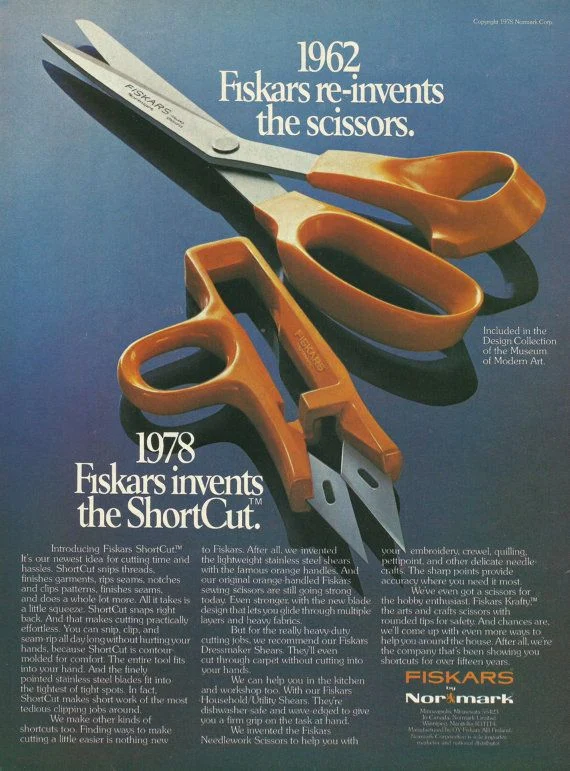
Over one billion pairs have sold worldwide since 1967. The scissors entered the permanent collection of MoMA in New York and are celebrated in design museums across Europe and North America. In Finland, they function as a symbol of national design achievement—evidence that thoughtful engineering and material innovation can create objects of lasting utility and cultural resonance. The Billnäs factory continues to hand-test every pair before distribution, maintaining the quality standards established in the product's first year of manufacture.
Timeline
- 1967 First made · Disputed Fiskars Scissors enters production in Uusimaa, Finland.
- 1972 Production Fiskars builds a new dedicated scissor factory in Billnäs, Finland.
- 2003 Recognised Fiskars registers the characteristic orange color as a trademark in Finland.
Milestone dates are taken from the production notes behind this entry and have not been checked separately.
From the archive
More like this
-
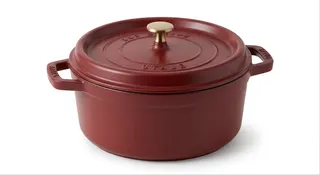 Cookware · since 1974 Staub Cocotte French enameled cast iron cocotte, continuously cast since 1974. Read the entry →
 -
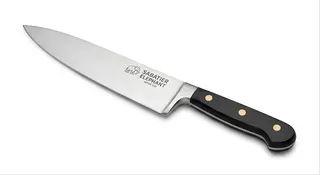 Knives & Chopping · since 1958 Sabatier Elephant Chef's Knife Hand-forged French chef's knife, marked since 1958. Read the entry →
 -
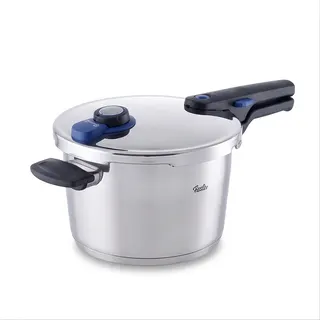 Cookware · since 1953 Fissler Pressure Cooker Safe pressure cooking for the home kitchen, since 1953. Read the entry →
 -
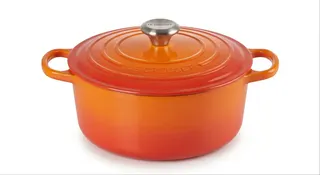 Cookware · since 1925 Le Creuset Enamelled Cast Iron Dutch Oven Enamelled cast iron cookware in continuous production since 1925. Read the entry →